
2026-09-05 · Moni Happy Editorial Team
Best Newborn Diaper Subscription in Southeast Asia 2026: Market Guide
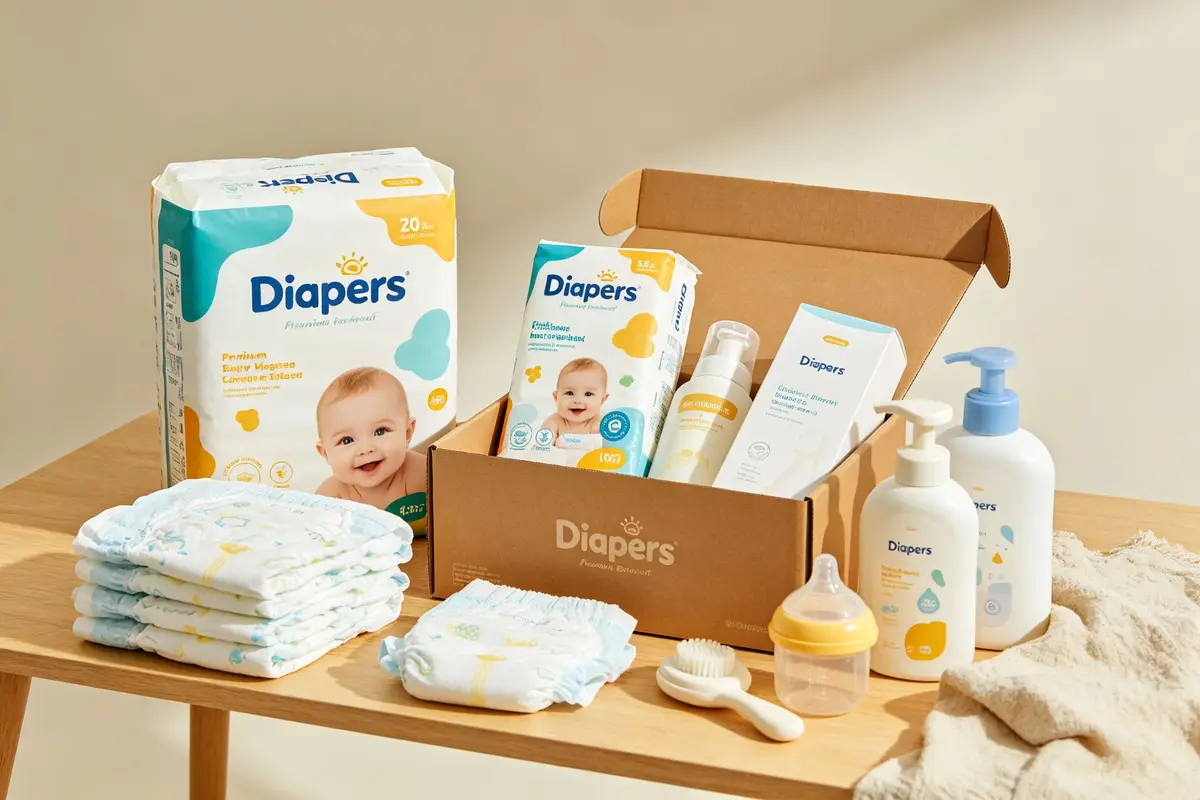
The diaper subscription model, long a staple of North American and European parenting culture, is rapidly gaining traction across Southeast Asia as e-commerce infrastructure matures and busy parents seek convenience, cost savings, and never running out of diapers. For parents wondering where to find the best newborn diaper subscription in the region, the market has evolved from a handful of niche players to a competitive landscape featuring local startups, regional e-commerce platforms, and international brands entering the subscription space. This analysis examines the growth of diaper subscription services in Southeast Asia, the key players, the benefits and challenges of the model, and what parents should consider when choosing a subscription.
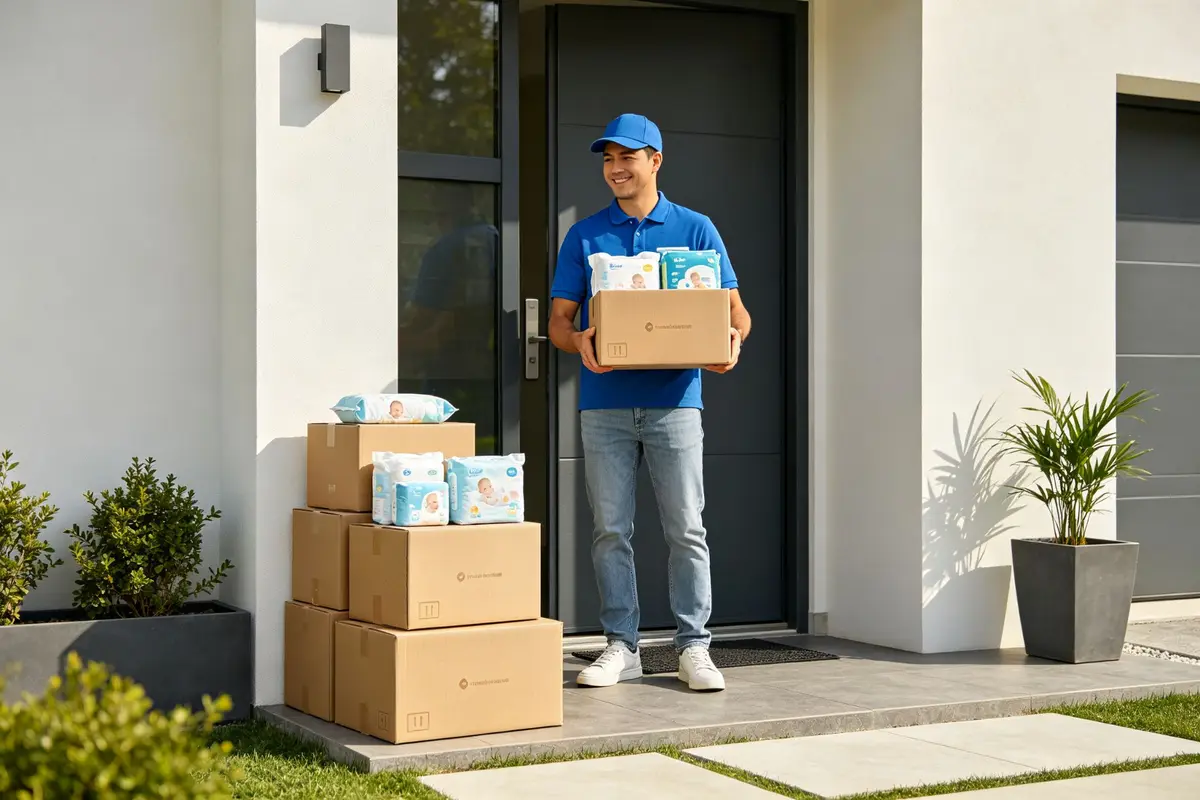
Market Overview: Why Diaper Subscriptions Are Growing in SEA
1. Rising e-commerce and digital payment penetration. Southeast Asia's internet economy reached $100 billion in 2024, with e-commerce accounting for the largest share. Digital wallet adoption (GrabPay, GoPay, OVO, DANA, GCash, Maya, Touch 'n Go eWallet) has made recurring subscription payments seamless, overcoming the historical barrier of low credit card penetration (less than 5% of adults in Indonesia and the Philippines). E-commerce platforms like Shopee and Lazada now offer subscription/auto-replenishment features with 5-15% discounts, making subscription purchasing accessible to mainstream consumers.
2. Convenience for time-poor urban parents. In Southeast Asia's rapidly urbanizing cities (Jakarta, Manila, Bangkok, Ho Chi Minh City, Kuala Lumpur, Singapore), dual-income families are increasingly common, and parents value convenience. Running out of diapers is a universal parenting stressor—especially at 2 a.m. when all stores are closed. Subscription services eliminate this risk by delivering diapers on a predictable schedule, often with the ability to adjust delivery frequency, size, or brand as the baby grows.
3. Cost savings and value. Subscription services typically offer 10-25% discounts compared to one-time retail purchases, due to bulk purchasing, reduced marketing costs, and customer retention economics. For a product that a baby uses 6-10 times per day for 2-3 years, these savings can add up to hundreds of dollars over the diapering period. Many services also offer additional value: free delivery, flexible scheduling, easy size exchanges, bonus products (wipes, samples), and loyalty rewards.
4. COD (Cash on Delivery) adaptation. While subscriptions traditionally require upfront recurring payments, some Southeast Asian services have adapted to the region's strong COD preference (30-60% of e-commerce transactions) by offering COD for subscription deliveries, or by using e-wallet auto-debit which combines the convenience of subscription with the trust of digital payments.
5. Post-pandemic behavioral shift. The COVID-19 pandemic accelerated e-commerce adoption across Southeast Asia, with many parents trying online diaper purchasing for the first time during lockdowns. Once parents experienced the convenience of doorstep delivery, many continued purchasing online—and subscriptions offered an even more convenient and cost-effective evolution of that behavior.
Key Players in the Southeast Asian Diaper Subscription Market
The Southeast Asian diaper subscription landscape includes several categories of players:
1. E-commerce platform subscription features. Shopee (Shopee Subscription/Auto-Replenishment) and Lazada (Lazada Subscription) are the largest players by volume, offering subscription/auto-replenishment on a wide range of diaper brands with 5-15% discounts. These platforms leverage their existing logistics networks, payment infrastructure, and massive user bases. Parents can subscribe to any diaper brand available on the platform, with flexible delivery intervals (weekly, bi-weekly, monthly) and easy cancellation. TikTok Shop is also emerging as a subscription channel, with some brands offering subscription deals during live commerce sessions.
2. D2C (Direct-to-Consumer) diaper brands with subscription models. Several D2C diaper brands have launched across Southeast Asia, offering subscription as their primary (or exclusive) sales channel. These brands typically offer premium, eco-friendly, or specialized diapers (bamboo, biodegradable, hypoallergenic, diaper-pants style) at competitive prices through subscription. Examples include brands in Singapore, Indonesia, and Malaysia that have raised venture funding and are expanding regionally. D2C brands often offer personalized sizing, flexible subscriptions, and strong community building through social media and mom groups.
3. Traditional diaper brands adding subscription options. Major diaper brands (P&G Pampers, Kimberly-Clark Huggies, Unicharm Moony, Merries, Goon, Drypers, PetPet) have begun offering subscription options through their official stores on Shopee/Lazada, and some have launched their own D2C subscription websites. These brands leverage their existing brand recognition, product quality, and manufacturing scale to offer subscription discounts. For parents who prefer established brands, these official store subscriptions offer peace of mind regarding product authenticity.
4. Baby product subscription boxes. Some services offer curated baby product subscription boxes that include diapers along with other essentials (wipes, skincare, toys, clothing), delivered monthly. These are popular as gifts (baby shower gifts, newborn gifts) and for parents who enjoy discovering new products. While not purely diaper subscriptions, they represent a related segment of the subscription market.
5. Grocery/essentials subscription services. Some online grocery and essentials delivery services (HappyFresh, GrabMart, GoMart, foodpanda shops) offer subscription or regular delivery options for baby essentials including diapers. These services appeal to parents who already use these platforms for grocery delivery and want to consolidate their baby essentials purchasing.
For parents seeking to buy premium diapers through subscription or one-time purchase, platforms like Moni Happy offer a curated selection of premium diaper brands with partnership and distribution support across Southeast Asia's key markets.
Benefits of Diaper Subscriptions for Parents
1. Never run out. The #1 benefit: diapers arrive on schedule, so you never face the 2 a.m. panic of an empty diaper bag. Most services send reminder emails before each delivery, allowing you to adjust if you need more or fewer diapers.
2. Cost savings. Subscriptions typically save 10-25% compared to retail. For a baby using 8 diapers/day at $0.25/diaper, that's $730/year in diaper costs—a 15% subscription discount saves nearly $110/year. Over 2.5 years of diapering, that's $275+ in savings.
3. Convenience and time savings. No more carrying heavy diaper packs from the store, no more remembering to add diapers to the shopping list, no more last-minute emergency runs. Diapers arrive at your door on autopilot.
4. Flexible sizing and scheduling. Most services allow you to change diaper size as your baby grows, adjust delivery frequency (if your baby uses more or fewer diapers than expected), skip a delivery, pause the subscription, or cancel anytime. Many services offer free size exchanges if you order the wrong size.
5. Access to premium and niche brands. Subscription services often carry premium, eco-friendly, or niche brands that may not be available in local retail stores—especially in smaller cities or rural areas. This gives parents access to a wider range of products.
6. Additional perks. Many services offer free delivery, bonus products (wipes, samples, coupons), loyalty rewards, referral discounts, and priority customer service.
Challenges and Considerations
1. Sizing accuracy. Babies grow quickly, and it can be hard to predict when you'll need to size up. If you subscribe to a large pack of a size that your baby outgrows before finishing, you may be stuck with unused diapers. Mitigation: choose services with flexible sizing, free size exchanges, or the ability to donate unopened packs. Start with smaller pack sizes until you're confident about sizing.
2. Delivery reliability. In some Southeast Asian markets, last-mile delivery can be unreliable—especially in rural areas or during peak periods (holidays, rainy season). A delayed diaper delivery can be stressful. Mitigation: choose services with reliable logistics partners (Shopee/Lazada have the most robust networks), schedule deliveries to arrive a few days before you expect to run out, and keep a small emergency stash on hand.
3. Product authenticity. As with any online purchase, there's a risk of counterfeit products, especially on third-party marketplace stores. Mitigation: purchase from official brand stores, authorized sellers, or reputable D2C brands. Check product reviews and seller ratings. If a price seems too good to be true, it may be a counterfeit.
4. Commitment and cancellation. While most services offer easy cancellation, some may have minimum commitment periods or cancellation fees. Read the terms carefully before subscribing. Mitigation: choose services with no minimum commitment and easy cancellation. Start with a trial or one-time purchase before committing to a subscription.
5. Environmental impact. Disposable diapers are a significant source of waste (a single baby uses 4,000-6,000 diapers before toilet training). Subscription services that deliver large quantities of disposable diapers may contribute to more waste. Mitigation: some subscription services offer eco-friendly/biodegradable diaper options. Parents concerned about environmental impact can look for these, or consider cloth diapearing (though this is less common in Southeast Asia's hot, humid climate).
Future Outlook
The diaper subscription market in Southeast Asia is poised for continued rapid growth over the next 3-5 years. Key trends to watch: (1) Market expansion from urban to suburban/rural areas as logistics networks improve and digital payment adoption spreads. (2) Increased competition from D2C brands, which will drive innovation in product quality, personalization, and customer experience. (3) Integration with broader baby care subscription ecosystems (diapers + wipes + skincare + feeding products), creating one-stop subscription platforms for all baby essentials. (4) AI-powered personalization, where subscription services use data on baby age, weight, usage patterns, and preferences to recommend optimal products, sizes, and delivery schedules. (5) Sustainability focus, with more services offering eco-friendly/biodegradable diaper options and carbon-neutral delivery. (6) Social commerce integration, with TikTok Shop and Instagram enabling subscription sign-ups directly from live streams and content. For parents, the growing subscription market means more choices, better prices, and greater convenience—ultimately making the exhausting job of parenting just a little bit easier.
Article Summary
The diaper subscription model is growing rapidly in Southeast Asia (25-35% annual growth, currently 3-5% of diaper sales), driven by rising e-commerce/digital payment penetration, convenience for urban parents, cost savings (10-25% discounts), COD adaptation, and post-pandemic behavioral shifts. this market is $4.2B (2024), projected $6.Public estimates for this market differ widely by source and by scope, so we do not quote a market size or a growth rate here. What we can speak to is the direction, and we would rather help you size one market from figures you can verify than publish a number we cannot source. Key players include: e-commerce platform subscriptions (Shopee, Lazada, TikTok Shop—largest by volume), D2C diaper brands with subscription models, traditional brands (Pampers, Huggies, Moony, Merries, Drypers) adding subscription, baby product subscription boxes, and grocery/essentials delivery services (HappyFresh, GrabMart, GoMart). Benefits for parents: never run out, cost savings ($110+/year at 15% discount), convenience/time savings, flexible sizing/scheduling, access to premium/niche brands, and additional perks (free delivery, bonuses, rewards). Challenges: sizing accuracy (babies grow fast), delivery reliability (especially rural/peak periods), product authenticity (counterfeit risk), commitment/cancellation terms, and environmental impact (disposable diaper waste). Future outlook: expansion to suburban/rural, D2C innovation, broader baby care subscription ecosystems, AI personalization, sustainability focus, and social commerce integration. For premium diaper purchases and distribution partnerships across Southeast Asia, Moni Happy offers curated product access and market support.
Frequently Asked Questions
How do diaper subscription services work in Southeast Asia and how much can I save?
Diaper subscription services in Southeast Asia work by automatically delivering diapers to your door on a recurring schedule (weekly, bi-weekly, or monthly), with payment charged automatically to your credit card, e-wallet, or via COD for some services. Here's how the typical process works: (1) Choose a service — Options include e-commerce platform subscriptions (Shopee Auto-Replenishment, Lazada Subscription), D2C diaper brand subscriptions, traditional brand official store subscriptions, or baby product subscription boxes. (2) Select your diaper brand, size, and quantity — Choose from available brands (Pampers, Huggies, Moony, Merries, Drypers, or premium/D2C brands), select the correct size for your baby's weight, and choose how many packs per delivery. (3) Set your delivery schedule — Choose how often you want deliveries (most parents choose every 2-4 weeks, depending on their baby's diaper usage). The service will calculate how many diapers you need based on typical usage (6-10 diapers/day for newborns, 4-6/day for older babies), but you can adjust. (4) Payment — Enter your payment method (credit card, e-wallet like GrabPay/GoPay/GCash, or COD for some services). Payment is automatically charged before each delivery. (5) Receive diapers — Diapers are delivered to your door on schedule. Most services send a reminder email/SMS a few days before each delivery, allowing you to make changes. (6) Manage your subscription — You can adjust size (as your baby grows), change delivery frequency, skip a delivery, pause, or cancel anytime through the service's app or website. Many services offer free size exchanges if you order the wrong size. How much can you save? Subscription services typically offer 10-25% discounts compared to one-time retail purchases. Here's a concrete example: If your baby uses 8 diapers/day at an average retail price of $0.25/diaper, that's $2/day or $730/year. A 15% subscription discount saves $0.0375/diaper or $109.50/year. Over 2.5 years of diapering (the average duration), that's $273.75 in savings. A 20% discount saves $146/year or $365 over 2.5 years. Additional savings may come from: free delivery (saving $2-5 per delivery), bonus products (free wipes, samples, coupons worth $5-20), referral discounts ($5-10 for each friend referred), and loyalty rewards. Some services also offer lower prices for longer subscription commitments (e.g., 6-month or 12-month subscriptions get deeper discounts). Important considerations: Calculate the actual per-diaper price (including delivery fees if any) to compare with retail prices. Some services may have higher base prices that offset the subscription discount. Check for minimum commitment periods or cancellation fees—most reputable services offer no-commitment, cancel-anytime subscriptions, but read the terms. Start with a trial or one-time purchase to verify product quality and delivery reliability before committing. Keep a small emergency stash (1-2 packs) in case of delivery delays. For parents in Southeast Asia, e-commerce platform subscriptions (Shopee, Lazada) are often the most accessible and reliable, with the widest brand selection and the most robust logistics networks. D2C brands may offer better prices or premium products but may have more limited delivery coverage. Choose the option that best fits your brand preferences, budget, and location.
What should I look for when choosing a diaper subscription service in Southeast Asia?
When choosing a diaper subscription service in Southeast Asia, consider these key factors: (1) Brand and product selection — Does the service carry the diaper brand you prefer? Major brands (Pampers, Huggies, Moony, Merries, Drypers, PetPet, Goon) are widely available on e-commerce platform subscriptions, but premium, eco-friendly, or niche brands may only be available through D2C services or specific retailers. If you have a preferred brand, verify it's available before subscribing. (2) Pricing and value — Calculate the actual per-diaper price (including any delivery fees) and compare with retail prices. A 10-25% discount is typical. Also consider: delivery fees (free delivery is common but some services charge), minimum order values, and whether the discount is a permanent subscription discount or a limited-time promotion. Be wary of services with prices that seem too good to be true—they may be selling counterfeit products. (3) Delivery coverage and reliability — Does the service deliver to your specific address? E-commerce platforms (Shopee, Lazada) have the widest coverage, including many suburban and rural areas. D2C brands may only deliver to major cities. Check estimated delivery times and track record for on-time delivery. In Southeast Asia, delivery can be affected by weather (rainy season), holidays, and logistics capacity. Choose a service with reliable logistics and the ability to track deliveries. (4) Payment options — Does the service support your preferred payment method? Options may include credit/debit card, e-wallets (GrabPay, GoPay, OVO, DANA, GCash, Maya, Touch 'n Go), bank transfer, or COD (Cash on Delivery). If you prefer COD, verify the service supports it for recurring subscriptions (some only support COD for one-time purchases). E-wallet auto-debit is increasingly common and combines convenience with the trust of digital payments. (5) Flexibility — Can you easily change diaper size as your baby grows? Can you adjust delivery frequency (more/less often)? Can you skip, pause, or cancel deliveries? Can you change brands or products? Look for services with: easy size changes (ideally with free size exchanges for unopened packs), adjustable delivery intervals, no minimum commitment period, easy cancellation (ideally one-click through the app), and the ability to add/remove products from your subscription. (6) Product authenticity — This is critical for baby products. Purchase from official brand stores, authorized sellers, or reputable D2C brands. Check seller ratings and reviews on e-commerce platforms. Look for authenticity guarantees or money-back guarantees. If you receive a product that seems suspicious (different packaging, poor quality, unusual smell), stop using it and contact the seller/platform. (7) Customer service — Is customer service responsive and helpful? Can you reach them through multiple channels (chat, email, phone)? Do they respond quickly? Check reviews of the service's customer service, especially regarding issues like wrong sizes, damaged products, or delivery problems. (8) Additional perks — Many services offer: free delivery, bonus products (wipes, samples, coupons), referral discounts, loyalty rewards, priority delivery, and access to exclusive products or sales. While not the most important factor, these perks can add value. (9) Environmental considerations — If environmental impact is important to you, look for services that offer eco-friendly/biodegradable diaper options, use sustainable packaging, or offer carbon-neutral delivery. Some services also offer diaper recycling programs (though these are still rare in Southeast Asia). (10) Trial options — Can you try the service with a one-time purchase or a trial subscription before committing? This allows you to verify product quality, delivery reliability, and customer service before setting up a recurring subscription. Many services offer first-time subscriber discounts or trial boxes. Final tip: Start with a short-term subscription (or one-time purchase) from 1-2 services, compare the experience, and then commit to the one that works best for your family. You can always switch services—there's no penalty for trying multiple options. For parents seeking premium diaper options with reliable delivery and authentic products across Southeast Asia, Moni Happy offers a curated selection and partnership support.
Are diaper subscriptions available in all Southeast Asian countries and what are the differences?
Diaper subscription availability and maturity vary significantly across Southeast Asian countries, reflecting differences in e-commerce infrastructure, digital payment adoption, logistics development, and consumer behavior. Here's a country-by-country overview: Singapore — The most mature market. High e-commerce penetration, excellent logistics (same-day or next-day delivery common), high credit card and digital payment adoption, and high consumer awareness of subscription models. All major e-commerce platforms (Shopee, Lazada, Amazon Singapore) offer subscription features, and several D2C diaper brands operate in Singapore. RedMart (Lazada's grocery delivery) also offers subscription/regular delivery for baby essentials. COD is less common (under 10% of transactions), so most subscriptions use credit card or e-wallet auto-debit. Malaysia — A growing market with good e-commerce infrastructure, especially in urban areas (Klang Valley, Penang, Johor Bahru). Shopee and Lazada dominate, with subscription features widely available. Touch 'n Go eWallet, GrabPay, and credit cards are common payment methods. D2C brands are emerging, especially in the Klang Valley. Delivery to rural areas (Sabah, Sarawak, rural Peninsular Malaysia) may be slower or more expensive. COD is moderately common (20-30% of transactions). Thailand — A large and growing market with strong e-commerce adoption, especially in Bangkok and urban centers. Shopee and Lazada are dominant, with TikTok Shop growing rapidly. LINE Pay, PromptPay, TrueMoney, and credit cards are common payment methods. Subscription features are available on major platforms, and some local D2C brands are emerging. Delivery to rural areas (Isan, southern provinces) may be slower. COD is common (30-40% of transactions), and some services support COD for subscriptions. Indonesia — The largest market by population and diaper volume, but subscription penetration is still emerging. E-commerce is growing rapidly (Shopee, Tokopedia, Lazada, TikTok Shop), but logistics to rural areas (outer islands, rural Java) can be challenging. GoPay, OVO, DANA, ShopeePay, and COD are the dominant payment methods (credit card penetration is under 5%). COD is very common (50-60% of transactions), which creates challenges for recurring subscriptions (some services support COD for subscriptions, but it's less seamless). Subscription features are available on Shopee and Tokopedia, and several local D2C diaper startups have launched (especially in Jakarta). Urban areas (Jakarta, Surabaya, Bandung) have the best subscription coverage. Philippines — A large market with strong e-commerce growth, but subscription penetration is emerging. Shopee and Lazada are dominant, with TikTok Shop growing rapidly. GCash, Maya, GrabPay, and COD are dominant payment methods (credit card penetration is under 5%). COD is very common (45-55% of transactions). The archipelagic geography (7,000+ islands) creates logistics challenges, especially for rural areas. Subscription features are available on Shopee and Lazada, with the best coverage in Metro Manila, Cebu, and Davao. Some local D2C brands are emerging. Vietnam — A fast-growing market with rapid e-commerce adoption, especially in Ho Chi Minh City and Hanoi. Shopee, Lazada, and TikTok Shop are dominant. MoMo, ZaloPay, ShopeePay, and COD are common payment methods. COD is common (40-50% of transactions). Subscription features are available on major platforms, and some local D2C brands are emerging. Delivery to rural areas may be slower. Key differences across markets: (1) Payment methods — Singapore/Malaysia use more credit cards/e-wallets; Indonesia/Philippines/Vietnam rely heavily on COD and e-wallets. (2) Logistics — Singapore has the best logistics; Indonesia/Philippines face archipelagic challenges. (3) Subscription awareness — Singapore has the highest awareness; Indonesia/Philippines/Vietnam are still educating consumers about subscriptions. (4) Brand availability — International premium brands are most available in Singapore/Malaysia/Thailand; local value brands dominate in Indonesia/Philippines/Vietnam. (5) Pricing — Prices are generally lowest in Indonesia/Thailand (local manufacturing), highest in Singapore (import costs, higher operating costs). For parents in any Southeast Asian country, e-commerce platform subscriptions (Shopee, Lazada) are generally the most accessible and reliable option, with the widest brand selection and delivery coverage. D2C brands may offer better prices or premium products but may have more limited coverage. As logistics and digital payment infrastructure continue to improve across the region, diaper subscription availability and adoption are expected to grow rapidly in all markets over the next 3-5 years.
Can I cancel or pause a diaper subscription and what happens if my baby sizes up mid-subscription?
Most diaper subscription services in Southeast Asia offer flexible cancellation, pausing, and size changes, but policies vary by service. Here's what you need to know: Cancellation: Most reputable services (Shopee Auto-Replenishment, Lazada Subscription, and most D2C brands) allow you to cancel anytime, with no cancellation fees and no minimum commitment period. You can typically cancel through the app or website with a few clicks, or by contacting customer service. After cancellation, you won't be charged for future deliveries, but any deliveries already processed or in transit will still be delivered and charged. A few services may offer deeper discounts for longer commitments (e.g., 6-month or 12-month subscriptions), and these may have cancellation fees or require you to pay back the discount if you cancel early. Always read the terms before committing to a long-term subscription. Pausing/Skipping: Most services allow you to pause your subscription (temporarily stop deliveries for a period, e.g., while traveling) or skip individual deliveries (skip the next scheduled delivery but keep the subscription active). This is useful if: you're traveling, you have a surplus of diapers, your baby is using fewer diapers than expected, or you want to try a different brand temporarily. You can typically pause or skip through the app or website, or by contacting customer service before the next delivery is processed (usually 2-3 days before the scheduled delivery date). Size changes: This is one of the most common concerns with diaper subscriptions, since babies grow quickly and may size up before finishing a pack. Most services handle this in several ways: (1) Easy size changes for future deliveries — You can change the diaper size for your next delivery through the app or website, as long as you make the change before the next order is processed (usually 2-3 days before delivery). This ensures future deliveries come in the new size. (2) Free size exchanges — Some services (especially D2C brands and some e-commerce platform official stores) offer free size exchanges for unopened, unexpired diaper packs. If you receive a size that your baby has outgrown, you can contact customer service to arrange an exchange for the next size up. Check the specific exchange policy—some may require the packs to be unopened and in original packaging, and some may have time limits (e.g., exchanges within 14 days of delivery). (3) Donation or gifting — If you can't exchange unneeded packs, consider donating them to a friend, family member, or charity (many orphanages, women's shelters, and community organizations accept unopened diaper donations). You can also sell unopened packs through parent groups (Facebook mom groups, Carousell, or local parent communities). (4) Buy smaller pack sizes — To reduce the risk of being stuck with a size your baby outgrows, choose smaller pack sizes (e.g., 20-40 packs instead of mega-packs of 80-100). This way, you'll finish each pack faster and can size up more easily. Tips for managing size changes: (1) Monitor your baby's weight and fit regularly — Check the weight range on the diaper pack, and watch for signs that the current size is too small (red marks on thighs/waist, difficulty fastening the tabs, frequent leaks, the diaper not covering the baby's bottom fully). If you see these signs, it's time to size up. (2) Make size changes before the next order is processed — Most services process orders 2-3 days before delivery. Log into your account and change the size before the processing deadline to ensure the next delivery comes in the new size. Set a reminder on your phone if needed. (3) Keep one pack of the old size as a backup — When you size up, keep one open pack of the old size for emergencies (e.g., if the new size is too big initially, or for overnight use where a snugger fit may be needed). (4) Contact customer service proactively — If you're unsure about sizing or need to exchange packs, contact customer service before the next delivery. Most services are helpful and want to retain you as a customer. The bottom line: Most diaper subscription services are designed to be flexible and accommodate the realities of a growing baby. Cancellation, pausing, and size changes are generally easy and free, especially with e-commerce platform subscriptions and reputable D2C brands. Always read the specific terms of the service you choose, and when in doubt, contact customer service—they're usually happy to help.