
2026-10-09 · Moni Happy Editorial Team
Best Diaper Pants for Active Babies: Southeast Asia Market Guide
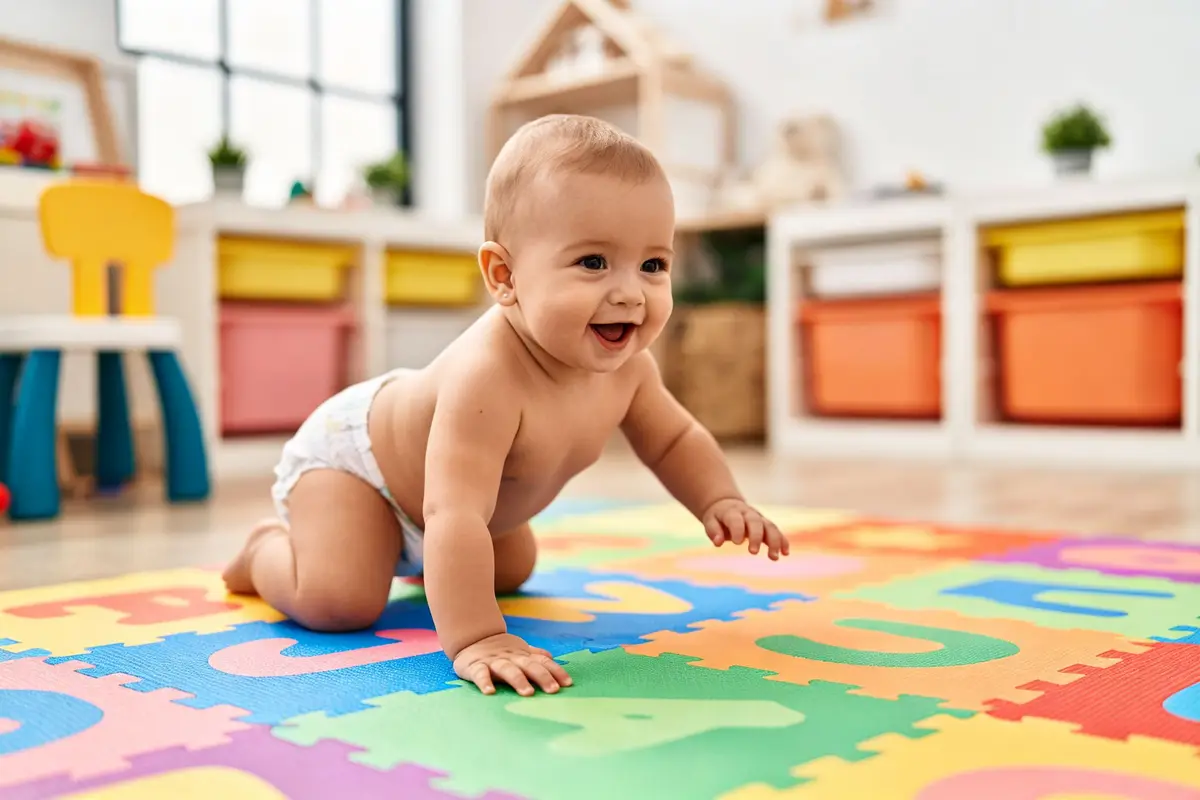
As babies grow from sedentary newborns into crawling, cruising, walking explorers, their diapering needs change dramatically. A baby who once lay contentedly during diaper changes now twists, turns, rolls, and tries to escape mid-change — and traditional tape diapers, designed for babies who lie still, become a daily battle. This fundamental shift in baby mobility is driving the rapid growth of the diaper pants (also called pull-ups or training pants) segment, which is growing faster than the overall diaper market across Southeast Asia and globally. For parents of active babies, finding the best diaper pants for active babies is not just a convenience — it's a daily necessity that can make the difference between a smooth diaper change and a wrestling match.
Market Overview: The Diaper Pants Revolution
The global diaper pants market is experiencing robust growth, driven by several converging trends. First, the shift from tape diapers to diaper pants is accelerating as parents recognize the convenience and comfort benefits for active babies. While tape diapers still dominate the newborn and small-size segments (where babies are less mobile and tape diapers offer a more customizable fit), diaper pants are rapidly gaining share in the medium, large, and extra-large size segments — precisely the sizes worn by crawling, walking, and potty-training babies. In many developed markets, diaper pants now account for 40-50% of total diaper sales in sizes L and above, and the trend is spreading to emerging markets in Southeast Asia as parental awareness grows.
Second, the potty training market is expanding as more parents embrace early potty training (also called elimination communication or infant potty training) and as diaper pants become the preferred transitional product between diapers and underwear. Diaper pants that look and feel more like underwear — with a slim design, stretchy waistband, and easy pull-up/down functionality — are ideal for potty training, allowing toddlers to practice pulling their pants up and down independently while still providing protection against accidents. Third, the premiumization trend in the diaper category is benefiting diaper pants, as premium brands differentiate through features like 360-degree stretchy waistbands, ultra-soft materials, slim designs, and playful prints that appeal to both parents and toddlers.
In Southeast Asia, the diaper pants market is particularly dynamic. E-commerce platforms like Shopee, Lazada, and TikTok Shop have made a wide range of international and regional diaper pant brands accessible to consumers, with detailed product descriptions, customer reviews, and video demonstrations showing how easily diaper pants can be pulled up and down on active babies. COD (cash on delivery) remains the dominant payment method in Indonesia, Vietnam, and the Philippines, lowering the barrier to trial for premium diaper pants. Social commerce — particularly "active baby diaper routine" and "diaper pants vs tape diapers" comparison content on TikTok and Instagram — is a powerful driver of product discovery and conversion. For parents searching for the best diaper pants for active babies, the growing range of options means there's a perfect pant for every baby's activity level and body type.
What Makes the Best Diaper Pants for Active Babies?
Based on pediatric recommendations, consumer testing data, and analysis of top-rated products, here are the key features that distinguish the best diaper pants for active babies:
- 360-degree stretchy waistband: The single most important feature for active babies. A wide, soft, highly stretchy waistband that moves with the baby during crawling, climbing, walking, and running — without digging into the skin, leaving red marks, or slipping down. Look for waistbands made from soft, breathable elastic materials that provide a snug but comfortable fit.
- Contoured leg fit with leak guards: Active babies move constantly, and a diaper pant that shifts or gaps at the legs will leak. Look for diaper pants with contoured leg cuffs, double leak guards, and a snug but not tight fit around the thighs. The leg openings should stretch to accommodate movement but spring back to maintain a seal.
- Slim, low-bulk design: Bulky diaper pants can restrict movement, cause waddling, and make it harder for babies to crawl, cruise, and walk. The best diaper pants for active babies have a slim, contoured design with absorbent material distributed evenly (not bunched in the center), allowing for natural movement. Some premium brands use 3D absorbent cores that are thinner but more absorbent.
- Excellent absorbency with no sagging: Active babies often wet more frequently and more heavily than sedentary babies, and a sagging, heavy diaper pant is uncomfortable and can restrict movement. Look for diaper pants with high absorbency (10-12 hours of protection), fast-absorbing cores that lock away moisture, and anti-sag technology that keeps the diaper in place even when wet. SAP (superabsorbent polymer) content and distribution are key factors here.
- Ultra-soft, breathable materials: Active babies wear diapers for longer periods and move more, increasing the risk of chafing and irritation. Look for diaper pants made from ultra-soft, breathable materials (like cotton-like nonwoven fabrics) that are gentle on sensitive skin and allow air circulation to prevent diaper rash. Some premium brands use plant-based or organic materials.
- Easy tear-away sides: While the whole point of diaper pants is to pull them up and down, there are times — especially for messy bowel movements — when it's easier to tear the sides open for removal. Look for diaper pants with easy-tear side seams that tear cleanly without leaving sharp edges, but are strong enough to stay intact during normal wear and active play.
- Wetness indicator: Especially useful for younger babies who are transitioning to diaper pants, a wetness indicator (a color-changing stripe on the outside) lets parents know when the diaper is wet without having to peek inside or pull the pant down. Some premium diaper pants include this feature in all sizes.
- Wide size range and accurate sizing: Active babies come in all shapes and sizes, and a diaper pant that fits one baby perfectly may not fit another. Look for brands that offer a wide size range (from M to XXXL) and clear size guidelines based on baby weight. Some brands offer stretchy sizing that accommodates a wider weight range, reducing the risk of leaks from a poor fit.
Product Segments and Competitive Landscape
The diaper pants market can be divided into several segments based on use case and price point:
- Premium active-baby diaper pants: The fastest-growing segment, with features like 360-degree stretchy waistbands, slim designs, ultra-soft materials, high absorbency, and playful prints. Brands like Pampers Premium Care Pants, Huggies Dry Pants, Merries Pants, Goon Pants, and regional premium brands compete here. These are the best choice for active babies and for parents who prioritize comfort and performance. Moni Happy's diaper pants compete in this segment with a focus on premium quality at accessible prices.
- Value/essential diaper pants: The mass-market segment, with basic features and lower price points. While value diaper pants have improved in quality, they may have less stretchy waistbands, bulkier designs, or lower absorbency than premium options. These are a good choice for budget-conscious parents or for use during potty training when accidents are frequent and cost is a concern.
- Potty training pants: A specialized segment designed specifically for potty training, with features like easy pull-up/down, underwear-like design, learning wetness indicators (that stay wet to help toddlers feel the difference), and fun character prints. Brands like Pampers Easy Ups, Huggies Pull-Ups, and regional brands compete here. These are ideal for toddlers who are actively potty training but still need protection against accidents.
- Overnight diaper pants: A growing segment, with extra absorbency (12+ hours), snug fits, and leak guards designed for overnight sleep. Some brands offer specific overnight diaper pants, while others recommend sizing up in their regular diaper pants for overnight use. These are ideal for heavy wetters and babies who sleep 10-12 hours through the night.
- Eco/organic diaper pants: A niche but growing segment, with diaper pants made from organic or plant-based materials, biodegradable cores, and eco-friendly packaging. Brands like Eco by Naty, Bambo Nature, and regional eco brands compete here. These appeal to eco-conscious parents but may be more expensive and less widely available in Southeast Asia.
For parents looking for the best diaper pants for active babies, many find that a combination approach works best — premium active-baby pants for daytime use (when the baby is most active), and overnight pants or a size up for nighttime. For families looking to shop baby care products Southeast Asia, Moni Happy's complete range of premium diapers and diaper pants offers quality and value across every stage of baby's development.
Distribution and Brand Strategy
For brands looking to enter or expand in the Southeast Asian diaper pants market, several strategic considerations are critical. First, product differentiation through active-baby features is essential — brands that can demonstrate superior stretch, fit, absorbency, and slim design through clinical testing and consumer trials command a significant price premium. Video content showing diaper pants in action (stretching, moving, absorbing) is particularly effective on social commerce platforms. Second, sizing accuracy and a wide size range are critical — Southeast Asian babies may have different body shapes and growth patterns than Western babies, and brands that offer localized sizing (including smaller sizes for smaller babies and larger sizes for bigger toddlers) will have an advantage. Third, pricing must be localized — while premium diaper pants can command higher prices in Singapore and Malaysia, brands targeting Indonesia, Vietnam, and the Philippines need to offer value-oriented options in accessible price points, often through larger pack sizes or bulk packaging. Fourth, e-commerce content excellence is critical, with detailed feature breakdowns, size charts, comparison charts (diaper pants vs tape diapers), video demonstrations, and before/after testimonials. Influencer partnerships with parenting content creators — particularly "active baby diaper routine" and "diaper pants review" content — drive awareness and conversion. For brands and distributors interested in expanding their footprint, Moni Happy's distributor partnership program provides access to established retail channels, logistics infrastructure, and localized marketing support across the region.
Future Outlook
The diaper pants market is poised for continued strong growth, driven by increasing baby mobility awareness, the premiumization trend, and the growing potty training market. Innovation will focus on even stretchier and more comfortable waistbands, slimmer and more flexible designs that mimic underwear, smarter absorbent cores that are thinner but more absorbent, eco-friendly and biodegradable materials, and smart features like wetness indicators that connect to mobile apps. As the market evolves, brands that combine superior active-baby performance, compelling digital content, localized sizing and pricing, and omnichannel availability will lead the category. For parents, the best diaper pants for active babies are those that move with their baby, provide reliable protection, and make diaper changes easier — and the growing range of options means there's a perfect pant for every active baby.
Frequently Asked Questions
When should I switch from diapers to diaper pants for my baby?
Most parents switch to diaper pants (also called pull-ups or training pants) when their baby becomes more mobile — typically around 8-12 months, when babies start crawling, cruising, or walking. Diaper pants are easier to put on a wiggly, active baby who won't lie still for a traditional tape diaper, and they allow babies to stand while being changed. Other signs it's time to switch include: your baby keeps ripping off their tape diaper, the tape tabs keep breaking or coming loose during active play, your baby is showing interest in the potty or toilet (diaper pants are easier to pull up and down for potty training), or your baby is in a larger size (L/XL) where tape diapers may be less comfortable for active movement. That said, there's no mandatory age to switch — some parents use tape diapers throughout, and some use diaper pants from birth (newborn sizes are available). Choose what works best for your baby's activity level and your changing routine.
What makes the best diaper pants for active babies?
The best diaper pants for active babies combine several key features: a stretchy, flexible waistband that moves with the baby and doesn't dig into the skin during crawling, climbing, or walking; a contoured, snug fit around the legs with leak guards that stay in place during active movement; breathable, soft materials that don't chafe or cause irritation during prolonged activity; excellent absorbency that can handle heavy wetting without sagging or bunching (active babies often wet more frequently and more heavily); a slim, low-bulk design that doesn't restrict movement or cause waddling; easy tear-away sides for quick changes when needed (though the whole point of pants is to pull them up and down); and a wetness indicator for younger babies. For active babies, fit is especially important — a diaper pant that is too loose will leak, while one that is too tight will restrict movement and cause red marks. Look for brands that offer a wide size range and a snug, stretchy fit. <a href='https://moni-happy.com/pants/'>Moni Happy's diaper pants</a> are designed with active babies in mind, featuring a 360-degree stretchy waistband and slim, flexible design.
Are diaper pants more expensive than regular diapers?
Diaper pants are generally slightly more expensive per unit than traditional tape diapers, primarily because the manufacturing process is more complex (the stretchy waistband and pant-style construction require more materials and machinery). The price difference is typically 10-25% more per diaper pant compared to a tape diaper of the same brand and size. However, the cost difference varies by brand and pack size — premium brands may have a smaller difference, while value brands may have a larger one. For many parents, the extra cost is worth it for the convenience and ease of use, especially with active babies who fight diaper changes. Some parents use a hybrid approach: tape diapers for newborns and younger babies who lie still for changes, and diaper pants for older, more active babies and for potty training. To save money, look for bulk packs, subscribe-and-save options, and promotional sales. In Southeast Asia, e-commerce platforms like Shopee and Lazada often offer competitive prices on diaper pants, especially during flash sales and promotional events.
Can diaper pants be used for overnight sleep?
Yes, diaper pants can absolutely be used for overnight sleep, and many parents find them just as effective — or even more effective — than tape diapers for overnight use. The key factors for overnight performance are absorbency and fit, not whether the diaper is tape or pant style. Look for diaper pants with high absorbency (12+ hours of protection is ideal for overnight), a snug fit around the legs and waist to prevent leaks during sleep movements, and leak guards that stay in place. Some brands offer specific 'overnight' or 'nighttime' diaper pants with extra absorbency. For heavy wetters or babies who sleep 10-12 hours, you may want to size up for extra absorbency, use a diaper booster pad (insert) for extra capacity, or change the diaper once during a night feeding if your baby still wakes at night. As with any overnight diaper, make sure the fit is snug but not too tight, and check for red marks in the morning. Many parents find that diaper pants are actually more comfortable for overnight sleep because the stretchy waistband doesn't dig into the baby's tummy when they're lying down.