
2026-08-29 · Moni Happy Editorial Team
How to Bathe a Newborn in SEA: Step-by-Step Guide & Water Temp Tips
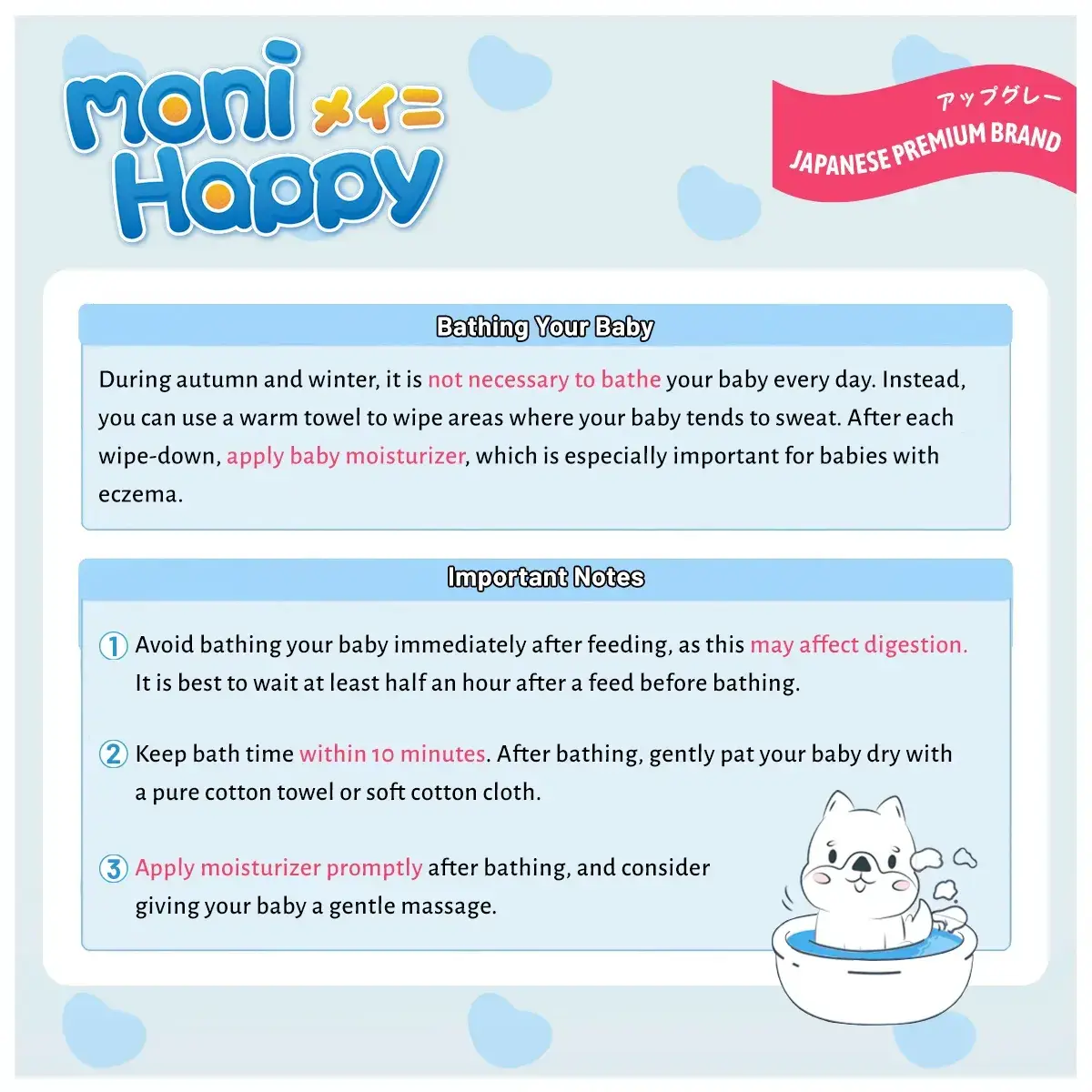
When Can You Start Bathing Your Newborn?
The first bath is a milestone many new parents look forward to, but timing matters. According to pediatric guidelines, you should wait until your baby's umbilical cord stump falls off and the area heals completely before giving a tub bath. This typically happens between 1 to 3 weeks after birth. Until then, sponge baths are the safest and recommended method.
During the first few weeks, your newborn's skin is extremely delicate and porous. Sponge bathing helps prevent infection and allows the umbilical cord area to stay dry and heal properly. Once the stump falls off naturally and the navel looks clean and dry, you can transition to a proper tub bath.
Essential Supplies for Newborn Bath Time
Preparation is key to a safe and stress-free bath experience. Before you begin, gather all supplies within arm's reach so you never have to leave your baby unattended, even for a second.
- Baby bathtub or clean basin - choose a small, stable tub designed for newborns
- Mild, fragrance-free baby soap - hypoallergenic formulas are best for sensitive skin
- Soft washcloths - use separate cloths for face and diaper area
- Baby shampoo - tear-free formula designed for infants
- Clean towels - hooded baby towels are ideal for keeping warm
- Clean diaper and clothes - ready for after the bath
- Thermometer - to check water temperature accurately
- Non-slip bath mat - for safety once baby starts sitting
For quick cleanups between baths, keep Moni Happy baby wet wipes handy. Made with 99% pure water and 8-stage EDI filtration, they're gentle enough for newborn skin and perfect for diaper changes and messy moments.
Ideal Baby Bath Temperature & Room Setup
Water temperature is one of the most critical safety factors in newborn bathing. The ideal baby bath temperature is between 37℃ to 38℃ (98.6℃ to 100.4℃) - roughly body temperature. Always test the water before placing your baby in it. The safest method is to use a bath thermometer, but you can also test with your elbow or the inside of your wrist, which are more sensitive than your fingertips.
The room temperature should be warm and comfortable, ideally between 24℃ to 26℃ (75℃ to 79℃). Close windows and doors to prevent drafts. In Southeast Asia's tropical climate, air conditioning can make the room too cool for a wet newborn, so adjust the temperature accordingly or bathe during warmer parts of the day.
Never add hot water while your baby is in the tub. If you need to adjust the temperature, take your baby out first, then adjust the water. Always run cold water before hot when filling the tub, and mix thoroughly before testing.
Sponge Bath: Step-by-Step for Umbilical Cord Care
Until the umbilical cord stump falls off, sponge baths are the recommended method. Here's a step-by-step guide to giving your newborn a safe and comfortable sponge bath.
Step 1: Prepare the Space
Choose a flat, stable surface like a changing table or kitchen counter. Lay down a soft towel or blanket. Fill a small basin with warm water (37-38℃) and have all supplies within reach. Undress your baby except for the diaper and wrap them in a dry towel to keep warm.
Step 2: Clean the Face First
Dip a soft washcloth in the water and wring it out thoroughly. Gently wipe your baby's eyes from the inner corner outward, using a different part of the cloth for each eye. Then wipe the nose, cheeks, chin, and around the mouth. Use a clean corner of the cloth for each area to prevent spreading bacteria.
Step 3: Wash the Hair
Support your baby's head and neck with one hand. Use a small amount of tear-free baby shampoo and gently massage the scalp, including the soft spots (fontanelles) - these are safe to touch gently. Rinse thoroughly with a damp washcloth, being careful not to get water in the eyes or ears. Pat dry immediately with a soft towel.
Step 4: Clean the Body
Unwrap the towel and remove the diaper. Use the soapy washcloth to clean the neck folds, underarms, arms, hands, chest, and legs. Pay special attention to skin folds where moisture and dirt can accumulate. Clean the diaper area last, using a separate cloth for this area. For baby girls, wipe from front to back to prevent infection. For baby boys, clean gently around the area.
Step 5: Dry and Dress
Pat your baby dry gently with a clean towel, paying attention to skin folds. Apply a gentle moisturizer if the skin is dry. Put on a clean Moni Happy newborn diaper and soft clothes. Our diapers feature a 3D cloud-soft topsheet and ultra-breathable core, perfect for keeping your newborn's delicate skin dry and comfortable after bath time.
Tub Bath: Step-by-Step Once Cord Heals
Once the umbilical cord stump has fallen off and the navel is fully healed, you can transition to a tub bath. The process is similar to a sponge bath, but your baby will be partially submerged in water. Fill the tub with only 5 to 8 centimeters (2 to 3 inches) of warm water - enough to cover the baby's body but not too deep.
Support your baby's head and neck with one arm at all times. Use your other hand to wash and rinse. Lower your baby into the water feet first, talking softly to keep them calm. Many newborns enjoy the warm water, but some may cry at first - this is normal and they usually settle in quickly.
Keep the bath short - 5 to 10 minutes is plenty for a newborn. Prolonged exposure to water can dry out their delicate skin. After the bath, wrap your baby in a hooded towel immediately and pat dry gently.
Bath Time Safety Tips for Newborns
Safety should always be your top priority during bath time. Follow these essential tips to keep your newborn safe:
- Never leave your baby unattended - even for a second. If you must answer the door or phone, wrap your baby in a towel and take them with you.
- Always test the water temperature - use a thermometer or your elbow/wrist. Aim for 37-38℃.
- Never add hot water while baby is in the tub - take baby out first, then adjust.
- Use a non-slip mat - once your baby starts sitting, a non-slip surface prevents slips.
- Keep electrical devices away - hair dryers, radios, and other appliances should be far from the bathing area.
- Support the head and neck - newborns cannot hold their heads up, so constant support is essential.
- Don't use bath seats as a substitute for supervision - they are aids, not safety devices.
Post-Bath Care: Drying, Moisturizing & Diapering
After bath care is just as important as the bath itself. Pat your baby dry gently with a soft towel - don't rub, as this can irritate delicate skin. Pay special attention to skin folds in the neck, armpits, elbows, groin, and behind the knees, as moisture trapped here can cause rashes.
If your baby has dry skin, apply a gentle, fragrance-free moisturizer while the skin is still slightly damp. This helps lock in moisture. For babies with eczema or very sensitive skin, consult your pediatrician for product recommendations.
Put on a clean diaper promptly after bathing. A good diaper is essential for preventing diaper rash, especially after bath time when the skin is clean and pores are open. Moni Happy baby diapers feature millions of breathable micro-pores and a mildly acidic pH that closely mimics healthy baby skin, helping to prevent diaper rash and keep your baby comfortable.
Newborn Bath Frequency: How Often Is Enough?
Many new parents wonder how often they should bathe their newborn. The answer may surprise you - newborns don't need a bath every day. In fact, bathing too frequently can dry out their delicate skin and strip away natural oils.
Pediatricians recommend bathing your newborn 2 to 3 times per week during the first year. On non-bath days, you can do "top and tail" cleaning - wiping the face, neck, hands, and diaper area with a warm washcloth or gentle baby wipes. This keeps your baby clean without over-drying the skin.
As your baby grows and becomes more active, you can increase bathing frequency. Once they start crawling and getting into messes, daily baths may become necessary. But for the first few months, 2 to 3 baths per week is plenty.
What if my baby cries during bath time?
Crying is normal, especially at first. Check the water temperature, keep the room warm, talk softly, and maintain a secure hold. Some babies prefer sponge baths initially. If crying persists, try shorter baths or bathing at a different time of day.
For more comprehensive newborn care guidance, read our complete newborn care guide, covering feeding, diapering, sleep, and development milestones. If your baby experiences gas or colic after feeding, our baby gas relief exercises can help soothe discomfort naturally.
Related Reading
- Complete Newborn Care Guide: Feeding, Diapering, Bath & Sleep Tips
- Baby Clothing Guide for Hot Weather: What to Dress Newborn in SEA
- 7 Baby Gas Relief Exercises & Massage Techniques for Newborns
Frequently Asked Questions
How often should I bathe my newborn?
Newborns don't need a bath every day — 2-3 times a week is sufficient, as too much bathing can dry out their delicate skin. Between baths, clean your baby's face, neck folds, diaper area, and hands with a warm, damp washcloth as needed. Once your baby is more active and getting into messes, you can increase bathing to every other day or daily if needed, but always use a gentle, fragrance-free baby cleanser.
What's the best water temperature for a baby bath?
The ideal bath water temperature is around 100°F (38°C) — about body temperature. Always test the water with your elbow or a bath thermometer before putting your baby in, as your hands aren't as sensitive to temperature. Keep the bath short (5-10 minutes) to prevent chilling and skin dryness. Never leave your baby alone in the bath, even for a second — have everything you need within arm's reach before you start.
How do I care for my baby's skin?
Baby skin is thinner and more sensitive than adult skin, so keep it simple. Use fragrance-free, hypoallergenic baby products for cleansing and moisturizing. Pat the skin dry gently after bathing (don't rub) and apply a gentle moisturizer within 3 minutes to lock in moisture. Dress your baby in breathable, soft fabrics like cotton, and avoid overdressing. In hot, humid climates, watch for heat rash — keep skin cool and dry, and use lightweight clothing.
When should I start using baby products like lotion and shampoo?
For the first few weeks, plain warm water is all you need for cleansing your newborn. Once the umbilical cord stump falls off and the skin is healed (usually 1-2 weeks), you can start using a gentle, fragrance-free baby cleanser and shampoo. Apply lotion only if your baby's skin seems dry — not all babies need it. Always choose products specifically formulated for babies, as adult products may contain harsh ingredients that can irritate sensitive skin.
Frequently Asked Questions
When can I give my newborn a tub bath?
Wait until the umbilical cord stump falls off and the area is completely healed, usually 1 to 3 weeks after birth. Until then, use sponge baths only.
What is the ideal water temperature for a baby bath?
The ideal temperature is 37C to 38C (98.6F to 100.4F), approximately body temperature. Always test with a thermometer or your elbow/wrist before placing baby in the water.
How often should I bathe my newborn?
2 to 3 times per week is recommended during the first year. Daily bathing can dry out delicate newborn skin. Use top and tail cleaning on non-bath days.
Can I use regular soap on my newborn?
No. Use only mild, fragrance-free, hypoallergenic baby soap and shampoo. Regular soaps can be too harsh and drying for newborn skin.
What if my baby cries during bath time?
Crying is normal, especially at first. Check the water temperature, keep the room warm, talk softly, and maintain a secure hold. Some babies prefer sponge baths initially. If crying persists, try shorter baths or bathing at a different time of day.