
Parenting Tips
Practical advice for new and expecting parents.
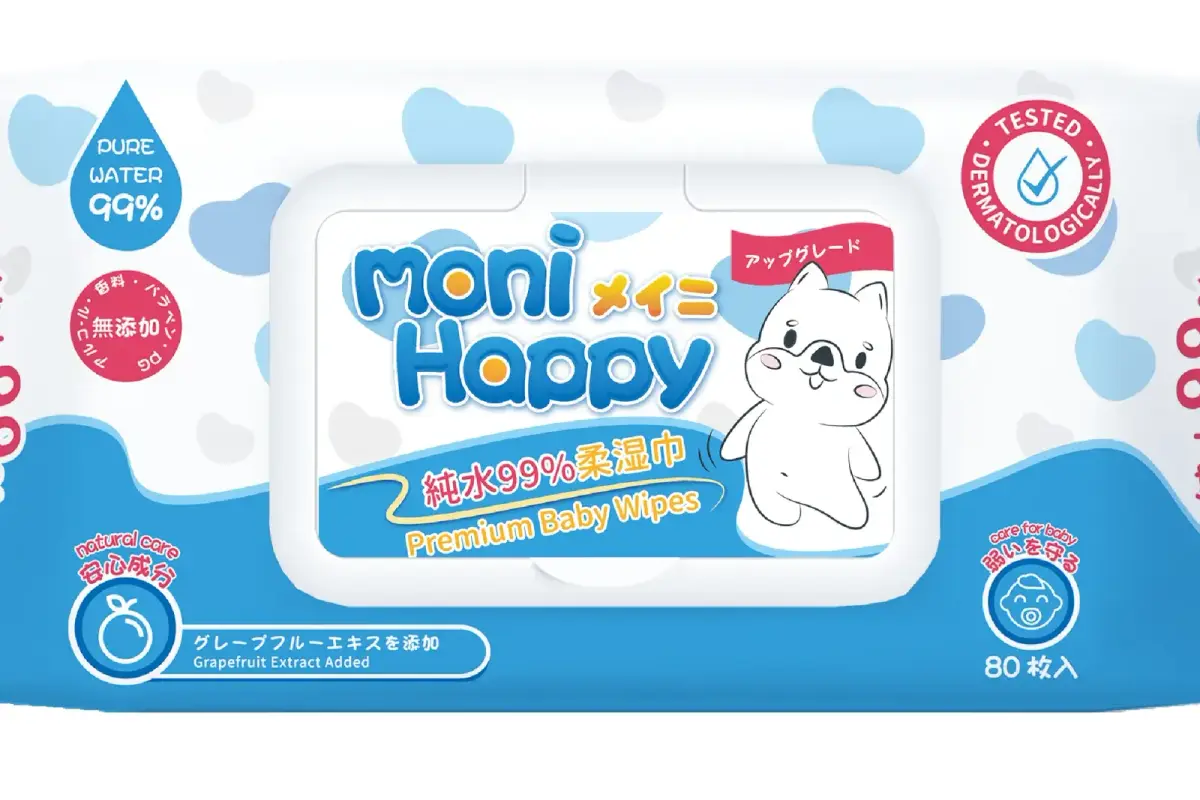
What is actually inside baby wipes, and how do you explain it at the shelf?
A baby wipe is nonwoven fabric plus water, a mild surfactant, a pH buffer and a preservative. Staff who can name the parts answer most parent questions.
Read the story
What should store staff tell parents about facial tissue for babies?
A short talk track for retail staff selling facial tissue to parents, covering ply, pulp, wet strength and how to choose between tissue and wet wipes.
Read More →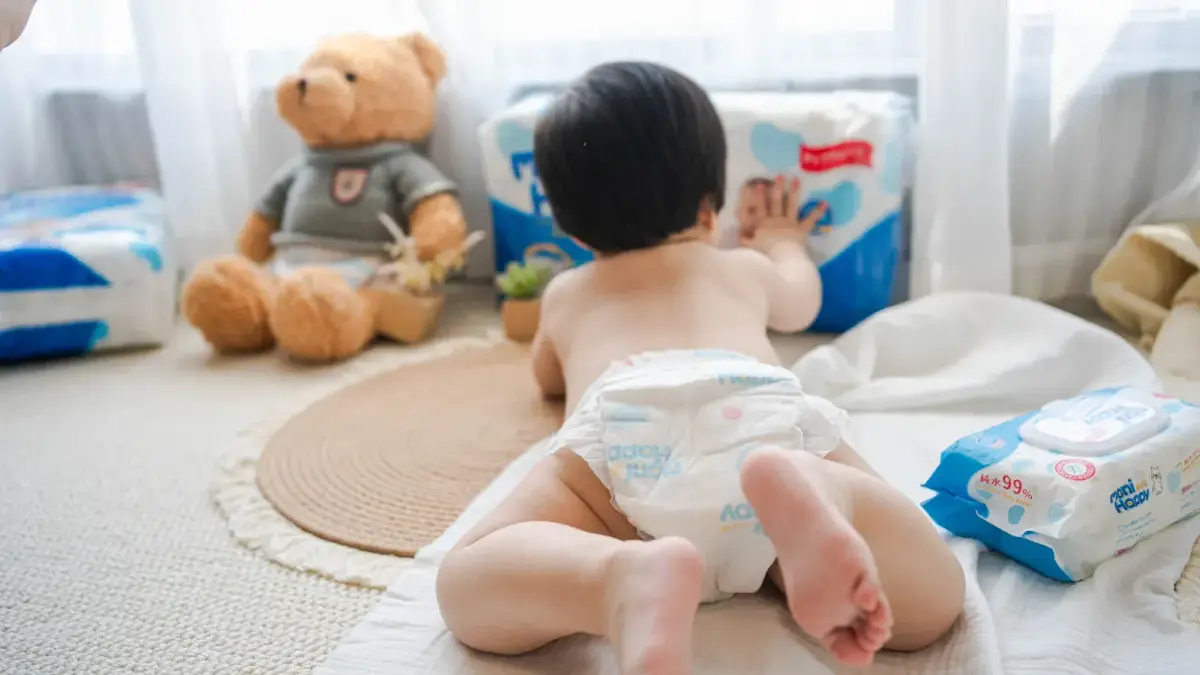
What should store staff tell parents who are switching diaper brands for the first time?
Five counter scripts that turn a nervous brand switch into a repeat purchase: adjustment period, size by weight, fit before absorbency, rash causes and cost per use.
Read More →
What should retail staff tell parents about preventing nappy rash?
A 60-second shelf script on change frequency, wipe composition, drying and one size up at night converts a rash complaint into the right pack - without a single medical claim.
Read More →
How often should I change a baby's diaper to prevent rash?
To prevent diaper rash, a diaper should generally be changed every 2 to 3 hours or immediately after the baby soils it.
Read More →
How Do I Change a Baby's Diaper Step by Step?
Prepare supplies, clean front to back, pat dry and air, then fasten the diaper snugly. Newborns need about 8-10 changes a day.
Read More →
What Baby Wipe Ingredients Are Safe for a Newborn's Skin?
The safest baby wipes are about 99% water and free of alcohol, fragrance and parabens. AAP guidance plus simple retailer selling points for newborn skin.
Read More →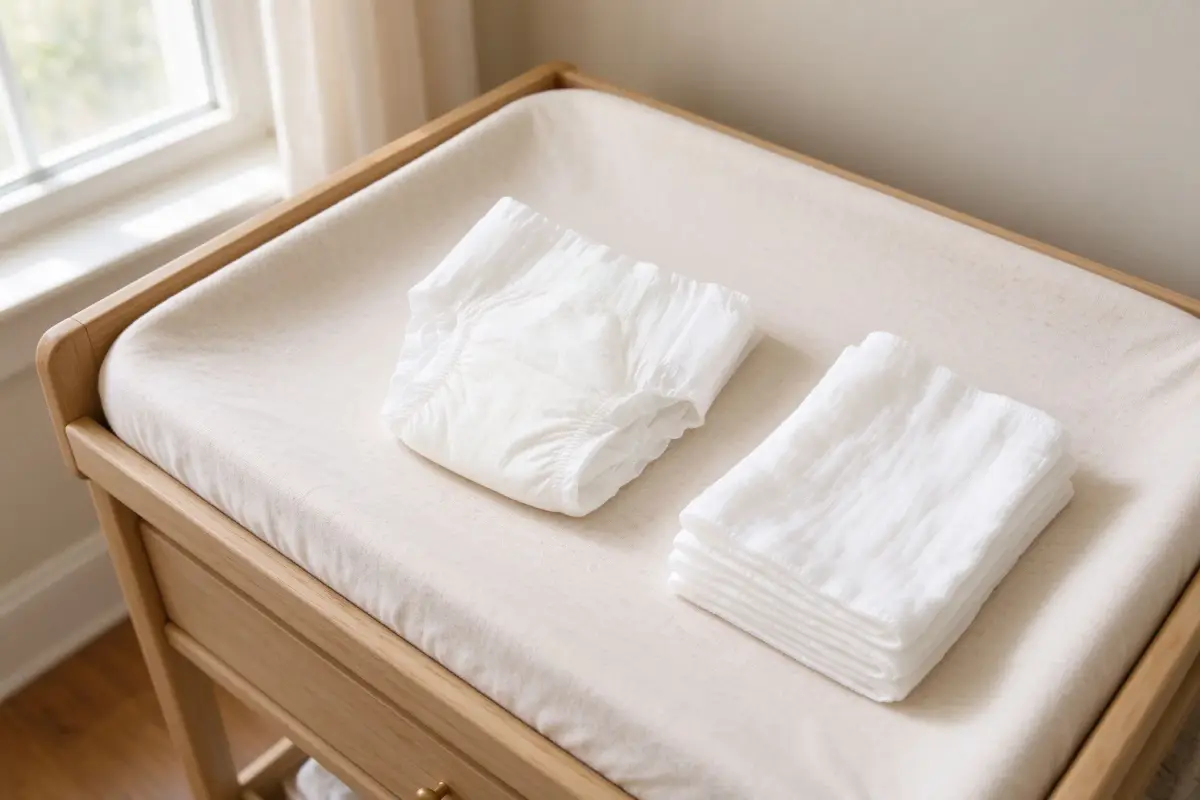
How Do I Prevent Diaper Rash at Every Change?
Prevent diaper rash by changing every 2-3 hours, cleaning gently with 99% water wipes, air-drying and a thin zinc-oxide barrier. A mom-tested routine.
Read More →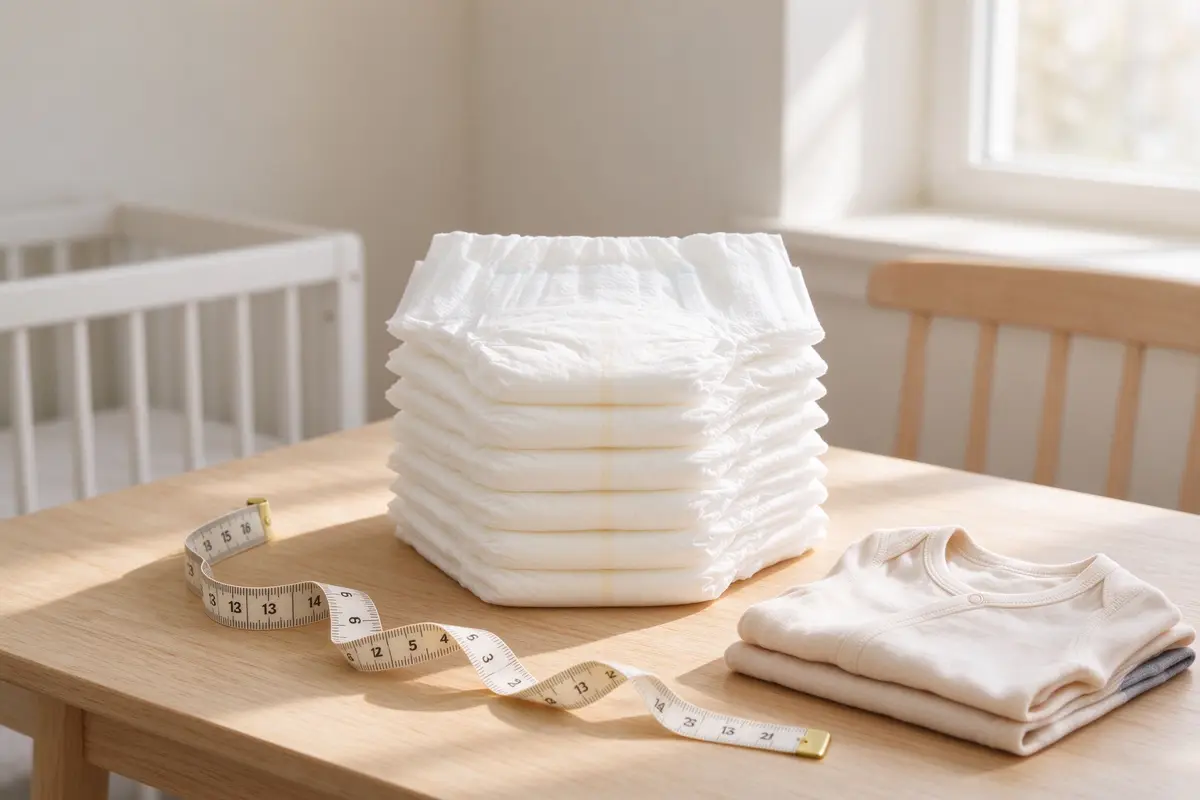
How Many Diapers Does a Baby Use Per Day? A Sizing & Stocking Guide for Retailers
Newborns use 8-12 diapers/day, dropping to 4-6 by 12 months — 2,500-3,000 in year one. Retailer size allocation, sizing cues and repeat-purchase strategies.
Read More →