
2026-08-05 · Moni Happy Editorial Team
Spring Baby Health Guide: Allergy Prevention, Nutrition & Outdoor Tips
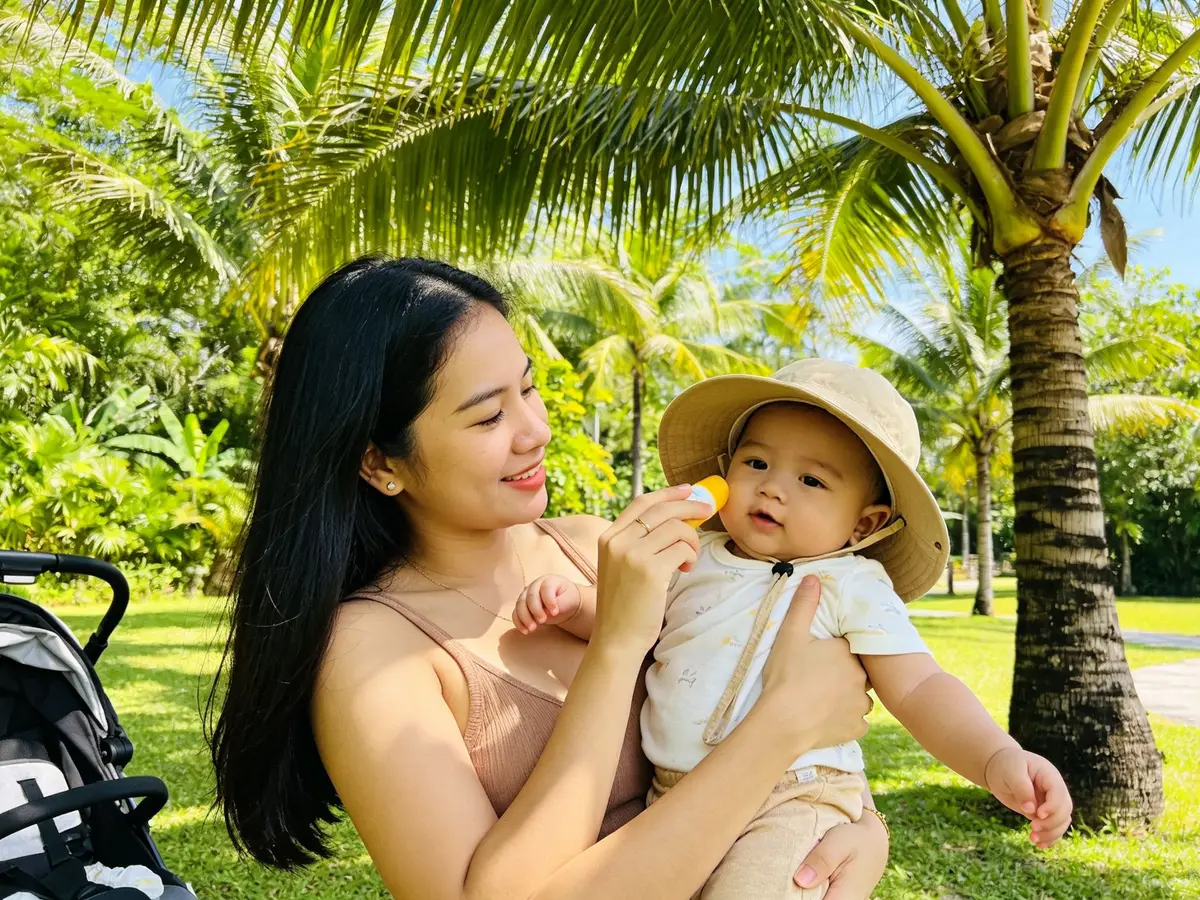
Keeping Your Baby Healthy Through Spring Season
Spring brings warmer weather, blooming flowers, and new opportunities for outdoor exploration with your baby. However, seasonal changes also bring challenges—allergens, fluctuating temperatures, and increased exposure to germs. With the right care and preparation, you can help your baby thrive through spring season, enjoying the outdoors while staying healthy and comfortable.
Smart Dressing for Fluctuating Temperatures
Spring weather can be unpredictable—cool mornings and evenings, warm afternoons, and occasional rain. Dress your baby in layers so you can add or remove clothing as the temperature changes throughout the day. A lightweight base layer, a middle layer for warmth, and a light outer layer for wind or rain give you flexibility.
Choose breathable, natural fabrics like cotton that allow air circulation and wick away sweat. Avoid overdressing your baby—overheating can cause discomfort, heat rash, and disrupted sleep. A good rule of thumb: dress your baby in one more layer than you would comfortably wear yourself. Check your baby's neck or chest to gauge their temperature—they should feel warm, not hot or sweaty. In Southeast Asia's tropical climate, spring may bring hotter, more humid weather, so prioritize lightweight, loose-fitting clothing and sun protection.
Allergy Prevention in Spring
Spring is peak season for environmental allergens such as pollen, dust, and mold. While babies under one year are less likely to have seasonal allergies, they can still experience irritation from airborne allergens. Take these preventive measures:
Keep windows closed during high pollen counts, especially in the early morning and evening when pollen levels are highest. Use air conditioning with a HEPA filter to clean indoor air. Dust and vacuum your home frequently, using a vacuum with a HEPA filter to trap allergens. Wash your baby's bedding weekly in hot water to kill dust mites. Avoid hanging laundry outdoors to dry, as pollen can settle on clothes and bedding.
When outdoors, consider using a lightweight, breathable stroller cover or mosquito net to reduce pollen exposure, and wipe your baby's face and hands with a soft, damp cloth after coming indoors. If your baby shows signs of allergies—persistent runny nose, sneezing, itchy eyes, or skin rashes—consult your pediatrician for proper evaluation and management.
Nutrition for Immune Support
A balanced, nutrient-rich diet supports your baby's immune system through seasonal changes. For breastfed babies, continue breastfeeding as breast milk provides antibodies that protect against infections. For babies eating solids, offer a variety of fresh fruits and vegetables rich in vitamins and antioxidants.
Focus on immune-boosting foods: citrus fruits (for babies over 6 months, offered as juice or puree in moderation), papaya, mango, sweet potato, pumpkin, spinach, and other leafy greens. Ensure adequate protein from sources like egg yolk, fish, chicken, tofu, and legumes. Include probiotic-rich foods like yogurt (for babies over 6 months) to support gut health, which is closely linked to immune function.
Ensure your baby stays well-hydrated, especially as weather warms. Offer water frequently for babies over 6 months, and continue breast milk or formula as the primary source of nutrition. Watch for signs of dehydration: fewer wet diapers, dry lips, lethargy, or dark urine.
Outdoor Activities and Sun Protection
Spring is a wonderful time for outdoor activities with your baby—walks in the park, picnics, and visits to the playground. However, sun protection is essential, especially in Southeast Asia's strong sunlight.
For babies under 6 months, avoid direct sun exposure entirely. Keep them in the shade, use a stroller with a UV-protective canopy, dress them in lightweight, long-sleeved clothing and a wide-brimmed hat, and use mosquito nets for added protection. For babies over 6 months, use a baby-safe, mineral-based sunscreen (zinc oxide or titanium dioxide) with SPF 30 or higher, applied 15-30 minutes before going outdoors. Reapply every 2 hours or after swimming or sweating.
Plan outdoor activities during cooler parts of the day—early morning or late afternoon—avoiding the peak sun hours of 10am to 4pm. Bring plenty of water, snacks, a hat, and a change of clothes. Use insect repellent appropriate for your baby's age to protect against mosquito-borne illnesses common in tropical regions.
General Health and Hygiene Tips
Maintain good hygiene practices to prevent the spread of germs: wash your hands frequently, especially before handling your baby or preparing food; clean and disinfect toys and surfaces regularly; avoid exposing your baby to sick people; and ensure your baby's vaccinations are up to date.
Ensure your baby gets adequate sleep—growth and immune function depend on quality rest. Maintain a consistent sleep schedule, and adjust bedtime routines as daylight hours change. Keep the sleeping environment cool, dark, and comfortable, using air conditioning or fans as needed in warm weather.
Regular well-baby check-ups with your pediatrician are important for monitoring growth, development, and immune status. Spring is a good time to schedule a check-up to ensure your baby is healthy and ready for the season's activities. With proper care, nutrition, and protection, your baby can enjoy a healthy, happy spring season full of growth and exploration.
Related Articles
- Winter Baby Care Guide: Flu Prevention, Skin Care & Healthy Habits
- Right Food = Strong Immunity: Nutritional Guide for Babies
- Common Summer Allergens in Babies: A Parent's Guide
Related Products
- Baby Wet Wipes — Gentle, alcohol-free wet wipes for sensitive baby skin
- Facial Tissue — Ultra-soft facial tissue, gentle on baby's skin
Frequently Asked Questions
When should I start solid foods?
Most babies are ready for solids around 6 months, when they can sit up with support, show interest in food, and have lost the tongue-thrust reflex. Some babies show readiness as early as 4 months, but always check with your pediatrician before starting.
What are the best first foods for my baby?
Single-ingredient, iron-rich foods are ideal first foods — rice cereal, oatmeal, pureed sweet potato, avocado, banana, or pureed chicken. Introduce one new food at a time and wait 3-5 days to watch for allergic reactions. You can offer purees or try baby-led weaning with soft finger foods.
How do I introduce allergenic foods safely?
Current guidelines recommend introducing common allergens (peanut, egg, dairy, wheat, soy, fish, shellfish, tree nuts, sesame) early — around 6 months — and offering them regularly (2-3 times a week) to build tolerance. Start with a small amount in the morning so you can watch for reactions during the day.
How much solid food should my baby eat?
At 6 months, solids are mostly for practice — 1-2 tablespoons once a day is fine. By 8-9 months, aim for 2-3 meals a day with a variety of foods. By 12 months, your baby should be eating 3 meals plus snacks, with breast milk or formula still providing important nutrition. Let your baby's hunger and fullness cues guide you.
Frequently Asked Questions
How can I protect my baby from spring allergies?
To protect your baby from spring allergies: keep windows closed during high pollen counts (early morning and evening), using air conditioning with HEPA filters instead; dust and vacuum frequently with a HEPA-filter vacuum; wash bedding weekly in hot water (above 55°C) to kill dust mites; avoid hanging laundry outdoors to dry, as pollen can settle on fabrics; when outdoors, use a stroller cover or mosquito net to reduce pollen exposure, and wipe your baby's face and hands with a damp cloth after coming indoors; choose hypoallergenic, fragrance-free baby products; and if your baby shows persistent allergy symptoms (runny nose, sneezing, itchy eyes, skin rashes), consult your pediatrician for proper evaluation. Note that true seasonal allergies are less common in babies under one year, but irritation from allergens is still possible. If symptoms are severe or persistent, your pediatrician may recommend allergy testing or appropriate medications for your baby's age.
What should my baby eat to boost immunity in spring?
To support your baby's immune system through spring: continue breastfeeding if possible, as breast milk provides antibodies and immune factors; for babies eating solids (6+ months), offer a variety of fresh fruits and vegetables rich in vitamins and antioxidants—papaya, mango, sweet potato, pumpkin, spinach, and citrus fruits (in moderation); ensure adequate protein from egg yolk, fish, chicken, tofu, and legumes; include probiotic-rich foods like plain yogurt (for babies 6+ months) to support gut health; offer iron-rich foods to prevent deficiency, which can weaken immunity; ensure adequate hydration with water (for babies 6+ months) and breast milk or formula; avoid added sugar and processed foods, which can suppress immune function; and consider a vitamin D supplement if your baby has limited sun exposure, as vitamin D is essential for immune health. Always consult your pediatrician before introducing new foods or supplements, especially if your baby has allergies or medical conditions.
How should I dress my baby in spring's changing weather?
Dress your baby in layers for spring's fluctuating temperatures: a lightweight base layer (cotton onesie), a middle layer for warmth (light sweater or cardigan), and a light outer layer for wind or rain (light jacket or raincoat). This allows you to add or remove layers as temperatures change throughout the day. Choose breathable, natural fabrics like cotton that allow air circulation and wick away sweat. Avoid overdressing—overheating can cause heat rash, discomfort, and disrupted sleep. A good rule: dress your baby in one more layer than you would comfortably wear. Check your baby's temperature by feeling their neck or chest—they should feel warm, not hot or sweaty. In Southeast Asia's tropical spring, prioritize lightweight, loose-fitting clothing, sun protection (hats, UV-protective clothing), and moisture-wicking fabrics. For outings, always carry a light jacket or blanket for air-conditioned spaces or sudden rain, and a change of clothes in case of spills or sweating.
Is it safe to take my baby outdoors in spring, and how do I protect them from the sun?
Yes, it's safe and beneficial to take your baby outdoors in spring, but proper sun and insect protection is essential. For babies under 6 months: avoid direct sun exposure entirely; keep them in shade; use a stroller with UV-protective canopy; dress in lightweight, long-sleeved clothing and wide-brimmed hat; use mosquito nets; and avoid sunscreen if possible (if shade and clothing aren't sufficient, use a small amount of mineral-based sunscreen on exposed areas). For babies over 6 months: use baby-safe, mineral-based sunscreen (zinc oxide or titanium dioxide) with SPF 30+; apply 15-30 minutes before going out; reapply every 2 hours or after swimming/sweating; continue using hats, protective clothing, and shade. Plan outdoor activities during cooler hours (early morning or late afternoon), avoiding peak sun (10am-4pm). Bring water, snacks, a hat, and a change of clothes. Use age-appropriate insect repellent to protect against mosquito-borne illnesses common in tropical regions. Watch for signs of overheating or sunburn, and seek shade immediately if your baby becomes too warm or develops redness.