
2026-08-12 · Moni Happy Editorial Team
Kuala Lumpur Baby Products Wholesale Distribution: Market Entry Guide 2026
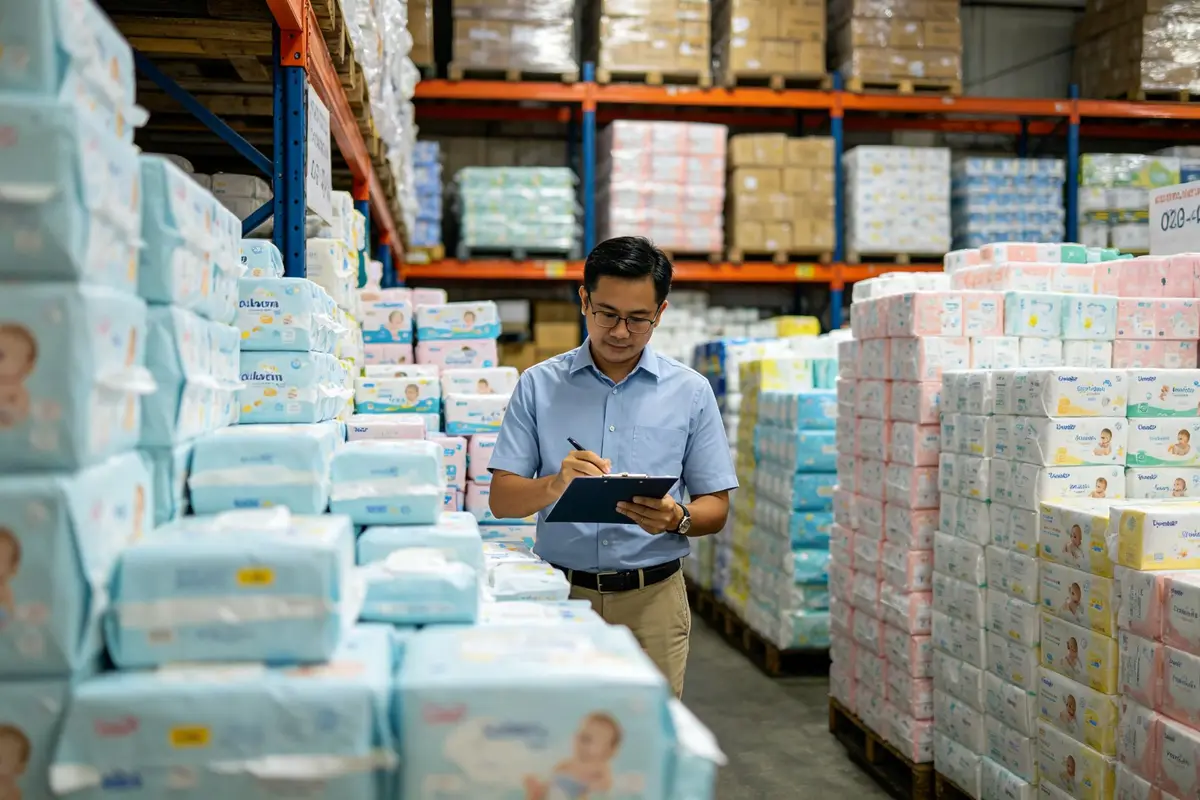
Kuala Lumpur: Malaysia's Baby Products Distribution Hub
Kuala Lumpur, the capital city of Malaysia, is the undisputed hub of the country's baby products wholesale distribution market. With its strategic location in the Klang Valley, the most populous and economically dynamic region in Malaysia, Kuala Lumpur serves as the gateway for both domestic distribution and international trade in baby products. For new distributors looking to enter the Malaysian market, understanding the wholesale distribution landscape in Kuala Lumpur is essential for success.
The Klang Valley, which includes Kuala Lumpur, Petaling Jaya, Subang Jaya, Shah Alam, and Klang, is home to approximately 8 million people, representing about 25% of Malaysia's total population. The region accounts for a disproportionate share of baby product consumption, estimated at 40% or more of the national market, due to higher disposable incomes, greater urbanization, and more modern retail infrastructure. For distributors, establishing a strong presence in the Klang Valley is often the first step to building a national distribution business.
Market Structure and Key Players
The baby products wholesale distribution market in Kuala Lumpur is characterized by a mix of large national distributors, regional specialists, and smaller niche players. The market is relatively fragmented, with no single distributor dominating the entire market. Key types of players include:
Large National Distributors: These are established companies with nationwide distribution networks, warehousing infrastructure, and portfolios of multiple international and local brands. They typically have strong relationships with major retail chains, including supermarkets, pharmacies, and e-commerce platforms. These distributors often provide value-added services such as marketing support, merchandising, and category management to their retail partners. Examples include companies like Zuellig Pharma, DKSH, and smaller local distributors that specialize in baby and maternity products.
Regional and Channel Specialists: These distributors focus on specific geographic regions or distribution channels. Some may specialize in the East Coast or East Malaysia, while others may focus on particular channels such as pharmacy, traditional trade, or e-commerce. These specialists often have deeper relationships with retailers in their target segment and can provide more focused attention to brands in their niche.
Cash-and-Carry Wholesalers: These operators serve smaller retailers, traditional trade outlets, and small businesses that prefer to purchase products in cash at wholesale prices. They typically operate from warehouses or wholesale markets and offer a wide range of products at competitive prices. While margins may be lower, cash-and-carry wholesalers play an important role in serving the traditional trade segment, which remains significant in Malaysia, particularly in suburban and rural areas.
E-commerce Distributors and Online Sellers: With the rapid growth of e-commerce in Malaysia, a new category of distributors has emerged that focuses exclusively on online channels. These distributors may operate their own online stores, sell through marketplaces like Shopee and Lazada, or provide fulfillment services for brands that want to sell online but lack the infrastructure or expertise. E-commerce distributors often have strong capabilities in digital marketing, product listing optimization, and online customer service.
Distribution Channels and Retail Landscape
Baby products in Kuala Lumpur are distributed through a diverse range of retail channels, each with its own characteristics and requirements. The major channels include:
Supermarkets and Hypermarkets: Major chains like Aeon, Tesco, Mydin, and NSK are the largest channels for baby products, particularly for diapers, wipes, and formula. These retailers typically work with large distributors that can provide consistent supply, competitive pricing, and marketing support. Gaining shelf space in major supermarket chains requires strong negotiation skills, competitive pricing, and the ability to meet strict service level requirements.
Pharmacies and Drugstores: Pharmacy chains like Guardian, Watsons, Caring Pharmacy, and Big Pharmacy are important channels for premium baby products, particularly skincare, health products, and sensitive-skin diapers. Pharmacies offer higher margins and the opportunity for pharmacist recommendations, but they also have stricter product requirements and may require clinical backing or certifications. Building relationships with pharmacy buyers and providing pharmacist education programs are key to success in this channel.
Specialized Baby Boutiques: Stores like Mothercare, Baby Kiko, and smaller independent boutiques cater to parents looking for premium and specialized baby products. These retailers often carry niche and innovative products that may not be available in larger retail formats. They offer the opportunity for higher margins and more personalized customer engagement, but their reach is more limited compared to mass retailers.
E-commerce Platforms: Shopee and Lazada dominate the online baby products market in Malaysia, with Amazon Malaysia also present but smaller. E-commerce offers the opportunity to reach a nationwide customer base without the need for extensive physical distribution infrastructure. However, competition is intense, and success requires investment in professional product listings, sponsored advertising, and customer service. Live streaming commerce, particularly on Shopee, is also becoming an important channel for baby products.
Traditional Trade: Provision shops, mini-markets, and neighborhood stores remain important channels, particularly in suburban and rural areas. These retailers typically purchase from cash-and-carry wholesalers or smaller distributors and may have limited shelf space for baby products. However, they offer the advantage of convenience and accessibility for local consumers, and products that can gain distribution in traditional trade can achieve significant volume.
Regulatory and Compliance Requirements
Baby products sold in Malaysia are subject to various regulatory requirements that distributors must understand and comply with. The key regulatory frameworks include:
Consumer Protection Act: The Consumer Protection Act 1999 governs the safety and labeling of consumer products in Malaysia. Baby products must meet relevant safety standards and carry appropriate labeling, including product information, manufacturer details, and usage instructions. Products that fail to meet safety requirements may be subject to recall or removal from the market.
Product Safety Standards: Malaysia has adopted various product safety standards for baby products, including standards for cribs, strollers, feeding products, and toys. Diapers and wipes are generally classified as general consumer products and are not subject to specific safety standards, though products making therapeutic claims may be regulated as drugs or medical devices.
Drug Control Authority (DCA) Registration: Baby products that make therapeutic claims, such as treatment for eczema, diaper rash, or other skin conditions, may be classified as topical drugs and require registration with the Drug Control Authority. Products that are classified as cosmetics (such as baby lotions and shampoos) must be notified with the National Pharmaceutical Regulatory Agency (NPRA) before they can be sold in Malaysia.
Halal Certification: While not legally required for most baby products, Halal certification is highly recommended for the Malaysian market. Products that are Halal-certified by JAKIM or recognized international bodies have broader distribution access and greater consumer acceptance. The certification process involves auditing the entire supply chain and manufacturing process to ensure compliance with Islamic principles.
Import Regulations: Distributors that import baby products into Malaysia must comply with import regulations, including customs declaration, payment of import duties and taxes, and compliance with any import restrictions or licensing requirements. Certain products may require import permits from relevant government agencies. Distributors should work with experienced customs brokers or freight forwarders to ensure smooth import clearance.
Market Entry Strategy for New Distributors
Entering the Kuala Lumpur baby products wholesale distribution market requires careful planning and strategic execution. Key steps for new distributors include:
Identify a Niche or Differentiated Product Portfolio: The Malaysian baby products market is competitive, with many established distributors representing well-known international brands. New distributors should identify a niche or differentiated product portfolio that fills a gap in the market. This could include eco-friendly products, premium organic skincare, innovative diaper technology, or products targeted at specific consumer segments. Having a unique value proposition is essential for standing out in a crowded market.
Build Relationships with Retail Buyers: Establishing relationships with retail buyers is critical for gaining distribution. New distributors should start with smaller retailers or niche channels where they can build a track record, then expand to larger chains as they demonstrate sales performance. Attending industry trade shows, joining business associations, and leveraging personal networks can help new distributors connect with key retail decision-makers.
Invest in Marketing and Brand Building: In today's competitive market, distributors cannot rely solely on retail relationships to drive sales. Investing in marketing and brand building is essential for creating consumer demand and supporting retail partners. This includes digital marketing, social media engagement, influencer partnerships, and in-store promotions. For baby products, partnering with parenting influencers and mommy bloggers can be particularly effective for building brand awareness and credibility.
Leverage E-commerce and Digital Channels: E-commerce offers new distributors the opportunity to reach a nationwide customer base without the need for extensive physical distribution infrastructure. New distributors should establish a strong presence on Shopee and Lazada, invest in professional product listings and sponsored advertising, and explore live streaming commerce as a way to engage customers and drive sales. E-commerce can also serve as a testing ground for new products before expanding to offline channels.
Build Efficient Operations and Logistics: Efficient operations and logistics are essential for profitability and customer satisfaction. New distributors should invest in inventory management systems, establish relationships with reliable logistics providers, and ensure that they can meet the service level requirements of their retail partners. For distributors that are just starting out, using third-party logistics providers or fulfillment services can help reduce upfront investment and allow the business to scale more flexibly.
Future Outlook and Opportunities
The Kuala Lumpur baby products wholesale distribution market is expected to continue growing, driven by stable birth rates, increasing disposable incomes, and the ongoing premiumization and e-commerce trends. Several factors are likely to shape the market in the coming years:
E-commerce Growth: E-commerce will continue to grow in importance, with online sales expected to capture an increasing share of the baby products market. Distributors that can build strong e-commerce capabilities and leverage digital marketing will be well-positioned for growth.
Premiumization and Niche Segments: The trend toward premiumization is expected to continue, with consumers willing to pay more for products that offer superior quality, safety, and performance. Niche segments such as eco-friendly products, organic skincare, and smart baby products are likely to grow faster than the overall market, offering opportunities for distributors that can identify and capitalize on these trends.
Halal and Ethical Consumerism: Halal certification is likely to become even more important as consumer awareness and religious consciousness grow. Ethical consumerism, including concerns about sustainability, animal testing, and fair labor practices, is also expected to influence purchasing decisions. Distributors that can offer products with strong ethical and Halal credentials will have a competitive advantage.
Omnichannel Retail: The boundaries between online and offline retail are blurring, with consumers increasingly expecting a seamless shopping experience across channels. Distributors that can support omnichannel retail strategies, including buy-online-pickup-in-store (BOPIS), same-day delivery, and integrated loyalty programs, will be well-positioned to meet evolving consumer expectations.
For new distributors, the key to success lies in understanding the unique dynamics of the Kuala Lumpur market, identifying niche opportunities, building strong relationships with retail partners and consumers, and investing in the capabilities needed to compete in an increasingly digital and competitive marketplace. With the right strategy and execution, new distributors can capture significant share in one of Southeast Asia's most dynamic and promising baby products markets.
Frequently Asked Questions
What is the size of Malaysia's baby products wholesale market?
Malaysia's baby products market is estimated at over $500 million USD, with diapers accounting for the largest share, followed by wipes, skincare, and feeding products. Kuala Lumpur and the surrounding Klang Valley region account for approximately 40% of total market consumption, making it the most important distribution hub in the country. The wholesale distribution segment is highly fragmented, with numerous small and medium-sized distributors serving different regions and channels.
Who are the key players in Kuala Lumpur's baby products wholesale market?
The Kuala Lumpur baby products wholesale market includes several types of players: large national distributors that cover the entire country and represent multiple international brands; regional distributors that focus on specific states or channels; specialized distributors that focus on particular product categories or channels (such as pharmacy or e-commerce); and cash-and-carry wholesalers that serve smaller retailers and traditional trade. Major shopping areas for baby products wholesale include the Kuala Lumpur Wholesale City (PWTC) area and various industrial parks in the Klang Valley.
What regulatory requirements apply to baby products wholesale distribution in Malaysia?
Baby products sold in Malaysia must comply with the Consumer Protection Act and relevant product safety standards. Diapers and wipes are generally classified as general consumer products, though products making therapeutic claims may be subject to additional regulation by the Drug Control Authority. Halal certification, while not legally required, is highly recommended for the Malaysian market. Distributors must also comply with business registration requirements, import regulations (if importing products), and any specific requirements imposed by retail partners.
What is the best market entry strategy for new baby products distributors in Kuala Lumpur?
New distributors should start by identifying a niche product category or brand that fills a gap in the market, such as eco-friendly products, premium skincare, or innovative diapers. Building relationships with retail buyers, particularly in pharmacy chains and e-commerce platforms, is essential for initial market penetration. Investing in marketing and brand building, including digital marketing and influencer partnerships, can help create consumer demand. Partnering with established logistics providers or using third-party fulfillment services can help new distributors manage operations efficiently without significant upfront investment in infrastructure.