
2026-11-06 · Moni Happy
Which terms does a Malaysian baby retail chain set before a diaper distributor gets shelf space?
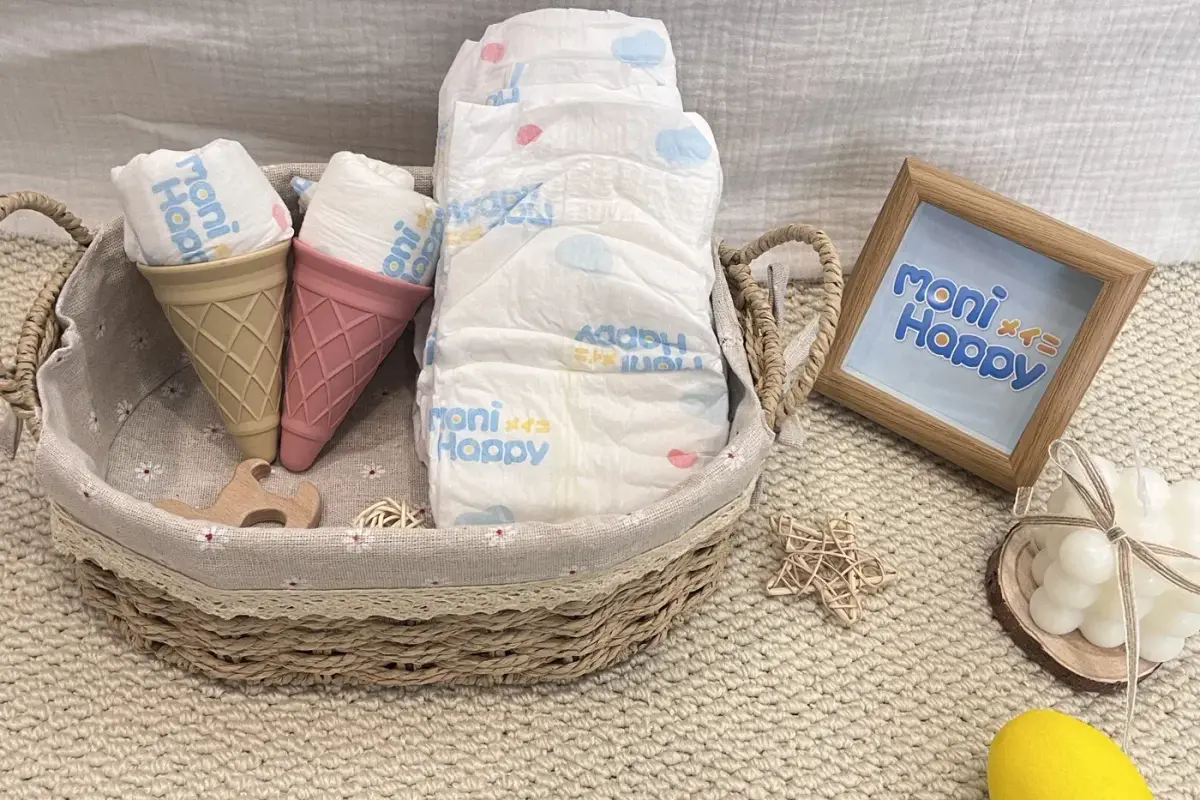
A Malaysian baby retail chain will normally settle five terms before a diaper distributor sees shelf space: a listing fee per SKU, payment terms of 60-90 days, a minimum SKU count, a fill rate commitment above 95%, and agreement on returns for discontinued lines. The listing fee is the term suppliers argue about. Fill rate is the term that decides whether the listing survives.
Chains such as Anakku and the baby departments inside larger formats buy by category review rather than by individual store, so a single conversation can put a product into twenty doors or keep it out of all of them. That concentration is the opportunity and the risk.
Which terms does a Malaysian baby retail chain set before listing?
The commercial package is short and predictable, and it is usually presented as a trading terms letter rather than negotiated clause by clause. Treat those listing terms as a package, because a chain rarely moves one line without adjusting another.
- Listing fee per SKU: a one-off charge to open the item in the system and give it a facing.
- Payment days: 60-90 days, calculated from statement date in most chains.
- Annual rebate: a percentage of purchases returned at year end, sometimes split into volume and prompt-payment components.
- Promotional support: a contribution to catalogue or in-store activity, agreed per campaign.
- Returns: accepted on discontinued lines and on damaged stock, rarely on slow sellers.
None of these is unusual in the region. What differs in Malaysia is the weight placed on the vendor's ability to keep stock on the shelf, which sits outside the trading terms letter but decides the review.
What does the vendor onboarding pack ask for?
Expect a documentation list before any commercial discussion. Chains use it to filter suppliers, so an incomplete pack delays the listing terms conversation by weeks rather than days.
- Company registration and a bank letter for payment setup.
- GS1 barcode registration for every SKU, with the correct case and pack levels.
- Product test reports covering the parameters the chain's quality team names.
- Product liability insurance certificate with the chain named where required.
- Product images, pack dimensions and carton configuration for planogram work.
- Lead time and reorder cycle in writing, plus a nominated contact for supply issues.
Chains that run their own quality function will ask which laboratory produced the reports and whether retention samples are held. A distributor who can answer both questions moves through onboarding in weeks rather than months. The document set that satisfies most buyers is set out in our onboarding guide.
How much does it cost to get on shelf?
Budget listing fees per SKU rather than a single category fee, and add the first promotional cycle. A five-SKU opening therefore carries five listing charges plus one campaign contribution before the first reorder, and that total is the entry cost a diaper distributor has to recover from the account.
Treat the total as a customer acquisition cost and check it against the gross profit the listing can realistically return in year one. A distributor who cannot state that payback figure will usually accept worse listing terms than the account requires. A listing that takes eighteen months to repay its own fee is not a win, however good the logo looks on a distributor's reference list.
What payment terms and rebates should a distributor expect?
Sixty to ninety days is the working range, and the longer end applies to the larger formats. Against that, the supplier is usually paying its own upstream supplier on 30/70 terms, which is why a new distributor needs to fund two cycles of stock before the chain pays for the first one.
Rebates are typically a single-digit percentage of annual purchases, sometimes split between volume and payment behaviour. The number matters less than the definition: confirm whether the rebate is calculated on purchases or on sell-through, and whether it is paid in cash or as a credit note. Apply the same test to every other listing term, because a condition that cannot be calculated is a condition that will be calculated against the supplier.
Which SKUs should a new supplier open with?
Four to six, weighted toward the sizes the chain already sells rather than the sizes the supplier finds easiest to produce.
A practical opening set is two tape diaper sizes covering the highest-volume bands, one pull-up pants size, and one wet wipes pack. Facial tissue and cotton towels can follow once the account has a sell-through record, because they compete for the same limited shelf space and rarely justify a listing fee on their own at the opening review.
Size mix is where a new diaper distributor loses money. A container loaded evenly across five sizes will leave the middle sizes empty and the outer sizes in the warehouse, and the chain will read that as a supply problem rather than a planning one.
Why do chains delist a new supplier?
Two reasons, and neither is product quality.
Slow sell-through. If the item does not reach the minimum rate per store per week that the baby retail chain sets for the category, the facing goes to a competitor at the next review. Chains review new items within two quarters, sometimes sooner.
Poor fill rate. A supplier who cannot ship the best-selling size for three weeks loses the shelf position, and regaining it requires another listing conversation. Fill rate commitments above 95% exist because the cost of an empty facing falls on the chain, not on the supplier.
Both are fixable before listing: hold a buffer of the top two sizes, forecast the opening order from the chain's own store count rather than from the container size, and agree a substitution rule in writing. Shelf space awarded at listing is borrowed rather than owned, and the first review is where it is either confirmed or taken back.
How does a distributor survive the first ninety days after listing?
Treat the first quarter as a stock-availability exercise rather than a sales exercise.
- Reserve buffer stock for the two fastest sizes before the opening shipment leaves.
- Check store-level sales weekly rather than waiting for the monthly statement.
- Agree with the buyer which SKU will be sacrificed first if space is cut.
- Keep the promotional calendar to one activity, executed properly, rather than three half-funded ones.
A diaper distributor who runs this discipline usually keeps the listing and earns the second review. Those who treat the listing as the finish line discover that the chain's review is scheduled whether or not they prepared for it. Territory and listing support for Malaysia are handled through the Malaysia partner page, and the wider channel picture sits in our distribution channels guide.
Frequently asked questions
Do Malaysian chains require halal certification for baby diapers?
Diapers are not a food or cosmetic product, so halal certification is not normally a listing condition. Some chains use halal status in marketing for wipes and toiletries, and a buyer may ask about it. Confirm the position with the specific chain rather than assuming.
Is a local company required to supply a Malaysian chain?
Chains invoice a Malaysian entity, so a foreign supplier either registers locally or sells through an appointed importer. That importer carries the customs and product responsibility, which is a structural decision made before the first listing conversation.
Can a distributor supply one chain exclusively?
It can, but exclusivity is usually granted against a volume commitment and a defined territory. Chains rarely offer exclusivity to a new supplier, and a distributor should be cautious about accepting it before sell-through is known.
How long does onboarding take?
Six to twelve weeks from first meeting to first purchase order is typical when documentation is complete. Missing test reports or barcode registration is the most common cause of delay.
Sources and further reading
- KPDN Malaysia — Ministry of Domestic Trade and Cost of Living, consumer product and trade regulation.
- MySST — Malaysian sales and service tax guidance relevant to wholesale pricing.
- GS1 — barcode and case-level identification standards required by retail chains.
- ASEAN Tariff Finder — duty treatment for baby care imports into Malaysia.
Bottom line
Malaysian baby chains list on documentation, fill rate and sell-through, not on enthusiasm. The listing fee is visible and one-off; the 60-90 day terms and the 95% fill rate commitment are the terms that decide whether the account is profitable.
Open with four to six well-chosen SKUs, fund two payment cycles, and protect the two fastest sizes with buffer stock. Commercial terms for Malaysia are confirmed market by market through the partner enquiry form.
Frequently Asked Questions
What does a Malaysian baby retail chain ask for before listing a new supplier?
A vendor onboarding pack covering company registration, bank details, product test reports, GS1 barcodes, product liability insurance and a signed trading terms letter. Commercial terms follow: listing fee per SKU, payment days, rebates and a fill rate commitment.
How long are payment terms with Malaysian retailers?
Most chains work on 60-90 days from invoice or from month-end statement, with larger formats at the longer end. A new supplier should fund at least two cycles of stock before the first collection arrives.
How many SKUs should a new diaper distributor offer a chain?
Four to six is a realistic opening range: two or three diaper sizes, one pull-up pants size and one wet wipes pack. Chains resist opening a category for a single SKU, and they resist a wide range from an unproven supplier.
Why do new listings get delisted in Malaysia?
Almost always for slow sell-through or poor fill rate rather than product quality. A supplier who runs out of the best-selling size for three weeks will lose the facing to a competitor and rarely wins it back at the next review.
Distributor resources
If you are evaluating suppliers for your market, these are the pages that answer the commercial questions — in the order buyers usually need them.
