
2026-08-26 · Moni Happy Editorial Team
Vietnam Baby Diaper Market: Local vs International Brand Competition Analysis
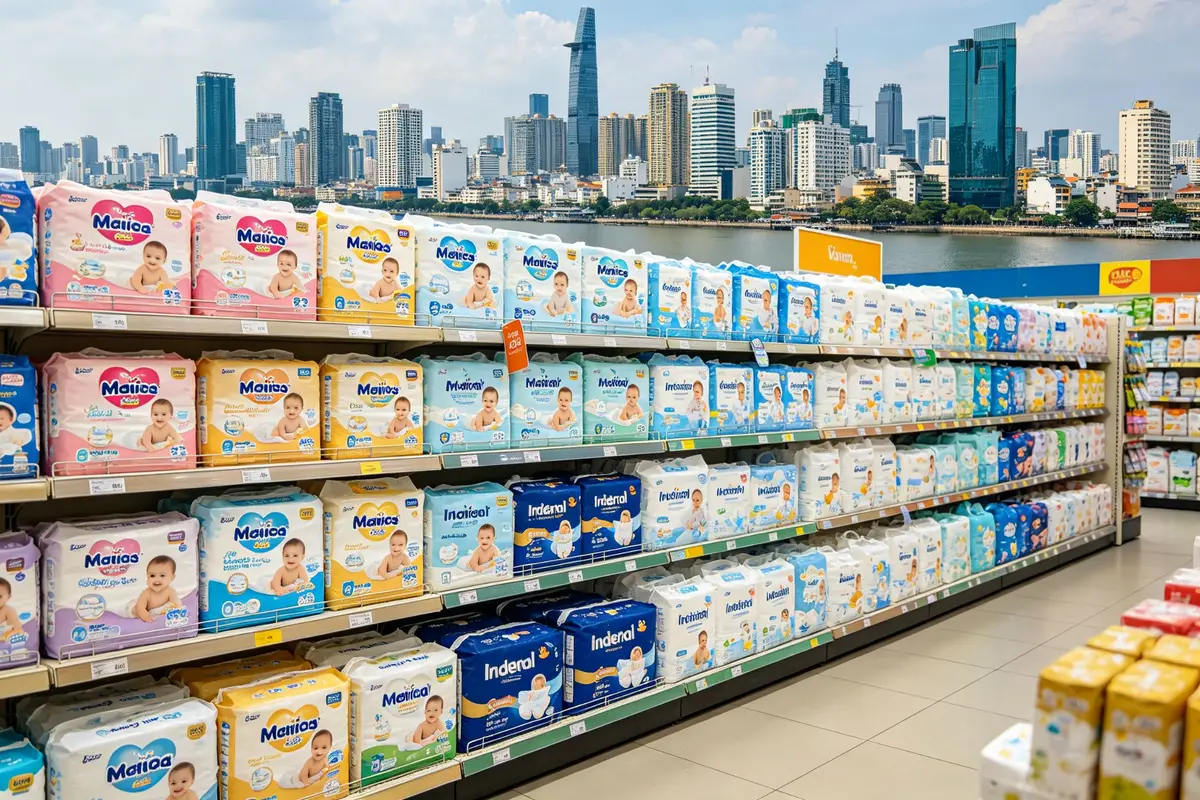
Vietnam: Southeast Asia's Fastest-Growing Diaper Market
Vietnam's baby diaper market is one of the most dynamic and fastest-growing in Southeast Asia. With a population of over 98 million, a young demographic profile, and a rapidly growing middle class, Vietnam offers enormous potential for diaper brands. The market is also one of the most competitive in the region, with a fierce battle between international brands and local Vietnamese brands for market share and consumer loyalty. For new entrants and existing players alike, understanding the competitive landscape and the factors that drive consumer choice is essential for success in this vibrant market.
The growth of Vietnam's diaper market has been driven by several factors: increasing disposable incomes, rapid urbanization, growing awareness of diaper usage (particularly in rural areas where cloth diapers were traditionally used), the expansion of modern retail and e-commerce, and the influence of social media and digital marketing on consumer behavior. Ho Chi Minh City and Hanoi are the largest and most sophisticated markets, but secondary cities like Da Nang, Can Tho, and Hai Phong are also growing rapidly as modern retail expands beyond the two major metropolises.
The Competitive Landscape: International vs Local Brands
Vietnam's diaper market is characterized by a two-tier structure, with international brands dominating the premium segment and local brands competing in the mass market. However, the lines between these two tiers are blurring, as local brands improve their quality and expand their product ranges, and international brands launch more affordable product lines to capture mass market share.
International Brands: International brands have a strong presence in Vietnam's diaper market, particularly in the premium segment. The major international players include:
- Unicharm (MamyPoko, Moony): Unicharm is the market leader in Vietnam's premium diaper segment, with its MamyPoko and Moony brands. MamyPoko is positioned as a premium mass market brand, while Moony is positioned as a super-premium brand. Unicharm has invested heavily in marketing and distribution, and its brands are widely available in both modern trade and traditional trade across the country.
- Procter & Gamble (Pampers): Pampers is one of the most recognized international diaper brands in Vietnam, with a strong presence in the premium segment. Pampers is known for its high-quality products and strong brand equity, and it is particularly popular among urban, middle-class consumers. P&G has invested in local manufacturing in Vietnam, which has helped improve its cost competitiveness and distribution efficiency.
- Kao (Merries): Merries is a super-premium diaper brand that is popular among affluent, quality-conscious consumers in Vietnam. Merries is known for its ultra-soft materials, superior absorbency, and cute designs, and it commands a significant price premium over mass market brands. Merries is primarily distributed through modern trade, e-commerce, and specialized baby boutiques in major cities.
- Daisho (Goon): Goon is a Japanese diaper brand that has a strong presence in Vietnam's mass market and premium segments. Goon is known for its good quality at competitive prices, and it is popular among value-conscious consumers who want international brand quality without paying super-premium prices. Goon has broad distribution across both modern trade and traditional trade.
Local Vietnamese Brands: Local Vietnamese brands have a strong presence in the mass market segment, competing primarily on price and accessibility. The major local players include:
- Bim Bim: Bim Bim is one of the most popular local diaper brands in Vietnam, known for its affordable prices and broad distribution. Bim Bim is positioned as a value-for-money brand, and it is particularly popular in rural areas and among price-sensitive consumers. The brand has a wide range of products, including tape diapers and pull-up pants, and it is available in both traditional trade and modern trade across the country.
- Diana: Diana is another well-known local diaper brand in Vietnam, with a focus on the mass market segment. Diana is known for its competitive pricing and good availability, and it is popular among consumers who are looking for affordable, reliable diapers. The brand has invested in improving its product quality in recent years, and it has expanded its distribution to include more modern trade outlets.
- Khăn Khô and Other Local Brands: There are also several smaller local brands and private label products in the Vietnamese market, particularly in the value segment. These brands typically compete on price and are primarily distributed through traditional trade channels. While they may have limited brand recognition, they can be competitive in price-sensitive markets where consumers prioritize affordability over brand prestige.
Key Factors Driving Consumer Choice
Understanding the factors that drive consumer choice in Vietnam's diaper market is essential for brands looking to succeed in this competitive landscape. While price is an important consideration for most Vietnamese consumers, it is not the only factor, and the relative importance of different factors varies by consumer segment and geographic location.
Absorbency and Leak Protection: Regardless of price segment, absorbency and leak protection are the most important factors in diaper purchasing decisions for Vietnamese parents. They want diapers that can keep their babies dry and comfortable, particularly at night and during long periods of use. In Vietnam's tropical climate, where babies may sweat more and skin irritation is a concern, good absorbency and breathability are particularly important. Brands that can demonstrate superior absorbency and leak protection—through product testing, clinical studies, or word-of-mouth—tend to perform well in the market.
Price and Value: Price is a critical factor for most Vietnamese consumers, particularly in the mass market segment. However, Vietnamese consumers are increasingly looking for value rather than simply the lowest price. This means that brands that can offer good performance at a reasonable price—whether in the mass market or premium segment—are likely to succeed. Promotions, discounts, and loyalty programs are important tools for driving trial and repeat purchase. In recent years, the growth of e-commerce has increased price transparency and competition, as consumers can easily compare prices across brands and platforms.
Brand Trust and Reputation: Brand trust is extremely important in the Vietnamese diaper market, as parents are cautious about products that come into contact with their babies' skin. Established brands with a proven track record of quality and safety tend to have an advantage, though new brands can build trust through clinical backing, healthcare professional recommendations, and positive consumer reviews. International brands generally have stronger brand equity and are perceived as higher quality, while local brands are perceived as good value for money. Word-of-mouth recommendations from family, friends, and online communities are particularly influential in the Vietnamese market.
Softness and Comfort: Softness and comfort are important considerations for Vietnamese parents, particularly for babies with sensitive skin. Diapers that are soft, breathable, and gentle on the skin are preferred, as they reduce the risk of diaper rash and skin irritation. In Vietnam's hot and humid climate, breathability is particularly important, as diapers that trap heat and moisture can cause discomfort and skin problems. Premium brands often emphasize their use of soft, high-quality materials, while mass market brands are increasingly improving the softness of their products to remain competitive.
Design and Aesthetics: While not the most important factor, design and aesthetics play a role in purchasing decisions, particularly for premium brands and for gifts. Cute designs, colorful patterns, and popular characters can make diapers more appealing to parents and children alike. Some premium brands offer limited edition designs and collaborations with popular characters, which can create buzz and drive sales. In the mass market, simple, clean designs are generally preferred, as they are perceived as more practical and less distracting.
Availability and Convenience: Product availability is critical in Vietnam's geographically diverse market. Consumers are unlikely to purchase a brand that is not readily available in their local stores or online. For mass market brands, having extensive distribution through traditional trade channels is essential, as these channels reach consumers in both urban and rural areas. For premium brands, ensuring availability in modern trade and e-commerce platforms in major cities is key. Convenience factors such as easy-to-use packaging, resealable bags, and subscription delivery options are also increasingly important, particularly for urban, busy parents.
Distribution Channel Landscape
Vietnam's diaper distribution landscape is diverse and evolving, with traditional trade still dominant in volume but modern trade and e-commerce growing rapidly. The major distribution channels include:
Traditional Trade: Traditional trade, including neighborhood shops, local markets, and small grocery stores, still accounts for the majority of diaper volume sales in Vietnam, particularly in rural areas and smaller cities. These outlets are ubiquitous and offer convenience and accessibility for consumers. For mass market and local brands, traditional trade is the most important channel, as it reaches the broadest cross-section of consumers. However, traditional trade is fragmented and challenging to manage, requiring a network of distributors and wholesalers to ensure broad coverage.
Modern Trade: Modern trade, including supermarkets, hypermarkets, and convenience stores, is growing rapidly in Vietnam, particularly in urban areas. Major chains include WinMart (formerly VinMart), Co.opmart, Big C, GO!, and Lotte Mart. These retailers offer a wider product assortment, better shopping environments, and more opportunities for brand promotion and merchandising. Modern trade is particularly important for premium and international brands, as it attracts middle-class and affluent consumers who are willing to pay premium prices. Convenience store chains like Circle K, GS25, and WinMart+ are also growing, particularly in urban areas, and they offer opportunities for smaller pack sizes and impulse purchases.
E-commerce: E-commerce is the fastest-growing channel for baby diapers in Vietnam, driven by increasing internet penetration, smartphone adoption, and the growth of platforms like Shopee and Lazada. E-commerce offers several advantages for diaper brands: the ability to reach consumers in areas where physical retail is limited, the opportunity to offer competitive prices and promotions, and the ability to use data and targeted marketing to reach specific consumer segments. E-commerce is particularly strong for bulk purchases and subscription services, as parents appreciate the convenience of home delivery and the ability to set up regular deliveries. TikTok Shop is also emerging as a significant channel, particularly for live commerce and influencer-driven sales.
Specialized Baby Boutiques and Pharmacies: Specialized baby boutiques and pharmacies are important channels for premium and super-premium diapers, as well as for products that require expert advice or recommendation. Baby boutiques like Kids Plaza, Concung, and Baby Shop offer a curated selection of premium baby products and personalized service. Pharmacies like Pharmacity, Long Chau, and An Khang are growing channels for baby products, as consumers trust pharmacist recommendations and value the convenience of purchasing baby products alongside other health and personal care items. These channels are particularly important for brands that want to position themselves as premium or specialized.
Strategies for Success in Vietnam's Diaper Market
Given the intense competition in Vietnam's diaper market, brands need to develop clear and differentiated strategies to succeed. The following strategies can help both new entrants and existing players capture market share and build sustainable businesses:
Differentiated Positioning: In a crowded market, differentiation is essential. Brands should identify a clear positioning that sets them apart from competitors—whether it's superior quality, innovative features, eco-friendliness, affordability, or a specific target segment. For example, a brand could position itself as the most affordable premium diaper, the most eco-friendly diaper, or the best diaper for sensitive skin. A clear and compelling positioning helps consumers understand why they should choose your brand over the many alternatives available in the market.
Competitive Pricing and Value: Vietnamese consumers are value-conscious, and pricing strategy is critical for success. Brands should price their products competitively relative to comparable products in their segment, while ensuring that the price reflects the product's quality and features. Offering value-added promotions, such as bundle deals, loyalty programs, and subscription discounts, can help increase customer retention and average order value. For new brands, offering introductory discounts and free samples can help encourage trial and build initial market share.
Omnichannel Distribution: A strong omnichannel distribution strategy is essential for reaching Vietnamese consumers across the country. Brands should ensure that their products are available through traditional trade, modern trade, and e-commerce channels, with the specific channel mix tailored to the brand's positioning and target audience. For mass market brands, broad distribution through traditional trade is essential, while premium brands should focus on modern trade, specialized boutiques, and e-commerce. Investing in e-commerce capabilities, including optimized product listings, sponsored advertising, and live commerce, is particularly important for reaching younger, digitally savvy consumers.
Invest in Brand Building and Marketing: In a competitive market, brand building and marketing are essential for creating awareness, differentiation, and loyalty. Brands should invest in a mix of traditional and digital marketing, including television advertising (for mass market brands), digital advertising, social media marketing, influencer partnerships, and in-store promotions. Content marketing that provides valuable information for parents—such as tips on baby skin care, diapering, and child development—can help build brand authority and trust. Influencer marketing, particularly with mommy bloggers and parenting influencers, is highly effective in Vietnam, as consumers trust the recommendations of influencers they follow.
Adapt to Local Consumer Preferences: Vietnamese consumers have unique preferences and needs that brands should understand and adapt to. This includes preferences for certain features (such as strong absorbency for overnight use, scented options, and larger sizes for older babies), packaging designs (bright colors, cute characters), and price points. Understanding local consumer behavior through market research, consumer testing, and feedback from retail partners is essential for success. Brands that can tailor their products and marketing to the Vietnamese market are more likely to succeed than those that simply import products designed for other markets.
Build Strong Partnerships: Success in Vietnam's diaper market requires strong partnerships with distributors, retailers, and other stakeholders. Brands should carefully select distribution partners based on their coverage, reputation, and commitment to the brand, and they should invest in building strong, collaborative relationships with these partners. Working with reputable retailers and securing prime shelf space and promotional opportunities is also essential. For international brands, partnering with a reputable local distributor who understands the market and has existing relationships with retailers and consumers can significantly accelerate market entry and reduce the risk of costly mistakes.
Future Outlook and Opportunities
The future of Vietnam's baby diaper market looks bright, with continued growth expected in both the mass market and premium segments. Several trends are likely to shape the market in the coming years:
Premiumization: The premium segment is expected to continue growing faster than the mass market, as more Vietnamese consumers move up the value chain and prioritize quality and features over price. This trend is being driven by the growth of the middle class, urbanization, and increasing awareness of baby health and skin care. Brands that can offer innovative, high-quality products at accessible premium price points are well-positioned to capture this growth. Local brands that can improve their quality and brand image may also be able to capture a share of the premium segment.
E-commerce and Digital Transformation: E-commerce will continue to be the fastest-growing distribution channel, as internet penetration and smartphone adoption increase across Vietnam. The growth of live commerce, social commerce, and subscription services will further reshape the online shopping landscape. Brands that can build strong e-commerce capabilities and leverage digital marketing will be well-positioned for growth. The COVID-19 pandemic accelerated the shift to online shopping, and this trend is expected to continue as consumers become more comfortable with e-commerce and as logistics infrastructure improves.
Local Brand Empowerment: Local Vietnamese brands are expected to continue improving their quality, expanding their product ranges, and strengthening their brand equity. As local brands become more competitive, they are likely to capture a larger share of the market, particularly in the mass market and mid-premium segments. The Vietnamese government's support for local manufacturing and "Vietnamese goods" campaigns may also benefit local brands. International brands will need to continue innovating and differentiating to maintain their competitive advantage.
Sustainability and Eco-Friendliness: Environmental concerns are beginning to influence purchasing decisions in Vietnam, particularly among urban, middle-class consumers. Eco-friendly diapers made from biodegradable and sustainable materials, as well as brands with strong corporate social responsibility records, are likely to gain traction. While still a niche segment, eco-friendly diapers represent an opportunity for differentiation and future growth. Brands that can combine eco-friendliness with competitive pricing and good performance may be able to capture the growing segment of environmentally conscious consumers.
For baby diaper brands, the key to success in Vietnam's competitive market lies in understanding the unique dynamics of the local vs international brand competition, identifying a clear and differentiated positioning, offering competitive value, building strong omnichannel distribution, investing in brand building and marketing, and adapting to local consumer preferences. With the right strategy and execution, both international and local brands can capture significant share in one of Southeast Asia's most dynamic and fastest-growing baby diaper markets.
Frequently Asked Questions
How big is Vietnam's baby diaper market?
Vietnam's baby diaper market is one of the fastest-growing in Southeast Asia, with an estimated market size of over $800 million USD. With a population of over 98 million and approximately 1.5 million births per year, Vietnam offers significant growth potential. The market is growing at an estimated 8-12% annually, driven by increasing disposable incomes, urbanization, growing awareness of diaper usage, and the expansion of modern retail and e-commerce. Ho Chi Minh City and Hanoi are the largest markets, accounting for a significant share of total consumption.
Which brands dominate the Vietnamese diaper market?
The Vietnamese diaper market is highly competitive, with both international and local brands vying for market share. International brands include Unicharm's MamyPoko and Moony, Procter & Gamble's Pampers, Kao's Merries, and Daisho's Goon. Local Vietnamese brands include Bim Bim, Diana, and Khăn Khô. The market is characterized by intense price competition, with local brands competing on price and international brands competing on quality and brand prestige. In recent years, some local brands have improved their quality and expanded their product ranges, making them more competitive with international brands.
What are the key differences between local and international diaper brands in Vietnam?
The key differences include: (1) Price—local brands are typically 30-50% cheaper than international brands; (2) Quality—international brands generally offer superior absorbency, softer materials, and better leak protection, though local brands are improving; (3) Brand perception—international brands are perceived as higher quality and more prestigious, while local brands are perceived as good value for money; (4) Distribution—local brands often have broader distribution in rural areas and traditional trade, while international brands are more concentrated in urban areas and modern trade; (5) Marketing—international brands invest heavily in advertising and marketing, while local brands rely more on word-of-mouth and price promotions.
What strategies can new brands use to succeed in Vietnam's competitive diaper market?
New brands can succeed by: (1) Identifying a niche or differentiated positioning—such as eco-friendly diapers, premium organic diapers, or affordable quality diapers; (2) Offering competitive pricing while maintaining acceptable quality—Vietnamese consumers are value-conscious and willing to try new brands that offer good value; (3) Building distribution through both traditional trade and modern trade, with a focus on Ho Chi Minh City and Hanoi initially; (4) Investing in marketing and brand building, including digital marketing, influencer partnerships, and in-store promotions; (5) Leveraging e-commerce platforms like Shopee and Lazada to reach consumers and build brand awareness; (6) Adapting products to local consumer preferences, such as offering larger sizes for older babies and scented options that are popular in Vietnam.