
2026-11-19 · Moni Happy
Which documents should a diaper supplier hand over before loading?
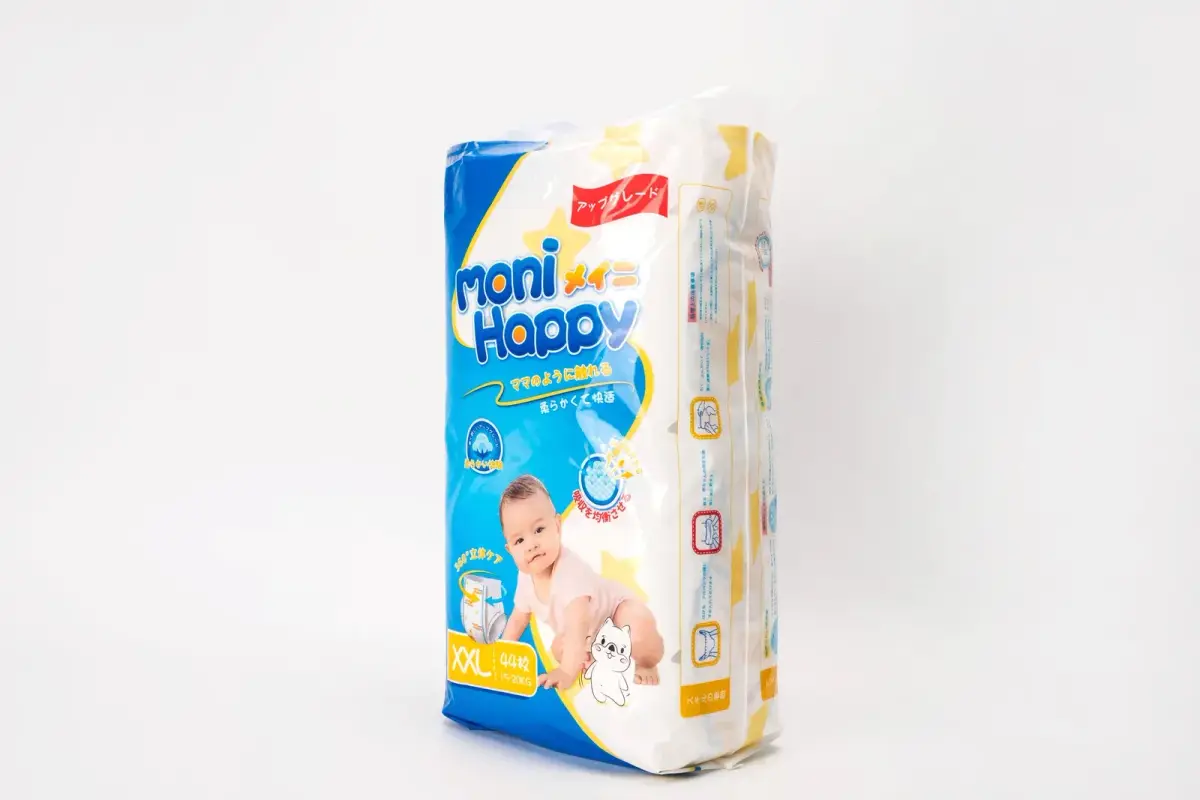
Nine documents, and the order they arrive in matters as much as the documents themselves: a diaper container held at a border is usually held for a mismatch, not for a missing paper. The commercial invoice, packing list, bill of lading, certificate of origin, free sale certificate, quality certificates, test reports, approved label artwork and the pre-shipment inspection report form the set that carries a shipment from a diaper supplier's loading bay to a buyer's warehouse. Every one of them is cheap to produce before loading and expensive to correct afterwards, because after loading the container is on the water and the correction has to travel by email to a customs officer who has no reason to hurry.
Which nine documents make up the set?
Four commercial, three technical, two regulatory, and each has a different owner inside the supplier's office. Treat the shipping documents as one package with one version number, not as nine files that happen to travel together.
- Commercial invoice. Unit price, quantity per size, Incoterm, currency, payment terms. The value here is the value customs assesses duty on, so it has to match the bank transfer.
- Packing list. Cartons per size, pieces per carton, net and gross weight per carton, total cube. This is the document a destination customs officer actually reads.
- Bill of lading, in draft first. Shipper, consignee, notify party, port of loading and discharge, description of goods, container and seal number, carton count.
- Certificate of origin. Form D for intra-ASEAN trade under ATIGA, or the general CO where the destination does not grant preference.
- Free sale certificate. Issued by the manufacturer's home authority, confirming the product is legally sold there.
- Quality system certificates. ISO 9001 and ISO 13485, current, with the certification body's accreditation visible.
- Test reports. Skin compatibility, absorbency, microbial limits, and for wipes the preservative and pH results.
- Approved label artwork. The destination-language version, signed off by the importer, because customs compares the label on the carton to the artwork on file.
- Pre-shipment inspection report. Carton count, seal number, loading photographs, and the container condition at stuffing.
Why do mismatches cause more delays than missing documents?
Because a missing document is a known problem with a known fix, and a mismatch looks like an attempt to misdeclare.
Three mismatches account for most holds. The first is carton count: the packing list says 1,150 cartons and the bill of lading says 1,146, usually because four cartons were re-packed after the draft was issued. The second is gross weight, where the packing list carries the net weight in the gross column, and the container's verified gross mass then disagrees with the paperwork. The third is description wording: the invoice says "baby diapers" while the label artwork says "baby tape diapers, size M", and the customs officer has to decide which one the entry refers to.
None of these are fraud. All of them trigger a query, and a query at a Southeast Asian port typically adds three to seven days to clearance, with demurrage running from day five or seven depending on the terminal.
When does a Form D become invalid?
When it is issued after the vessel has sailed, or when it does not match the invoice it references.
Form D is the ATIGA preference document, and it is what turns a duty line into a zero or reduced rate. It has to be issued in the exporting country, normally before departure, by an authority authorised for that purpose, and it has to carry the invoice number, the HS code at six digit level, the origin criterion and the consignment details. The three failures seen most often are late issuance, an invoice number that changed after a re-issue, and a description that is too generic to classify.
A rejected Form D does not stop the container. It stops the preference, and the buyer pays full duty on the spot and tries to recover it later through a refund application that takes months. That is why the origin certificate should be confirmed in hand before the container is stuffed, not before it is cleared.
What has to be true before the container is sealed?
Four checks, all of them doable in fifteen minutes at the loading bay.
- The carton count written on the packing list equals the carton count in the container, and the bill of lading draft has been corrected to that number.
- The seal number is recorded, photographed, and appears on the inspection report.
- The label artwork approved by the importer is the artwork on the cartons, verifiable by a photograph of one carton per size.
- Wooden pallets, if used, carry the ISPM 15 mark, because untreated wood is a standing fumigation order at most borders.
Which documents does the importer need that the supplier cannot issue?
Three, and they sit on the buyer's side of the transaction.
The import licence or business registration that allows the buyer to import the category, the destination product notification or registration where the market requires one, and the bank documents supporting the transfer. A diaper supplier can supply the technical file that supports a registration, but cannot register the product in another country on the buyer's behalf. Importers who discover this at the port are looking at a container they are not yet entitled to clear.
The sequencing is worth writing into the contract. Registration first, then the artwork approval, then the production run, then the inspection, then loading. Suppliers who accept a purchase order before registration is confirmed are booking capacity against a shipment that may not be importable.
How should the set be transmitted?
One folder, one version, and a named person on each side.
Shipping documents scattered across WhatsApp, email threads and a courier envelope is how a shipment ends up with two versions of the packing list in circulation. The practical arrangement is a shared folder per shipment, named by purchase order and container number, with the draft set uploaded five working days before cut-off and the final set, including the bill of lading, uploaded within 48 hours of sailing. The importer's broker gets read access, not a forwarded copy.
Document flow is also the first thing an experienced buyer audits when assessing a new diaper supplier, alongside the plant itself. The factory audit questions cover the physical side, and the onboarding guide sets out the full sequence from sample to first clearance. Buyers who want the technical file before committing can request it through the partner programme.
Frequently asked questions
Can the supplier issue the certificate of origin themselves?
No. It comes from a chamber of commerce or a designated authority in the exporting country, which is why the lead time has to be built into the production schedule.
Does a telex release replace the original bill of lading?
It replaces the physical original for cargo release, and most intra-Asia lanes now run on it. The customs entry still needs the bill of lading data, so the draft has to be correct either way.
What if the test reports are in another language?
Most destination authorities accept English. A few require a certified translation, and that adds two to three weeks, so it should be checked before the order is placed.
Is a packing list per container or per size?
Both. The container level list supports the bill of lading and the customs entry; the per size breakdown is what the buyer uses to reconcile receipt.
Sources and further reading
- ASEAN Secretariat, ATIGA rules of origin and Form D requirements.
- International Organization for Standardization, ISO 13485:2016, the quality system certificate most buyers ask for first.
- International Plant Protection Convention, ISPM 15 wood packaging standard, for pallet marking requirements at import.
Bottom line
The document set is not administration, it is the shipment's clearance licence. Get the origin certificate before stuffing, reconcile carton counts and gross weights across three documents, photograph one carton per size against the approved artwork, and agree who owns registration before the purchase order is signed. Nine papers cost a few hundred dollars; a two week hold costs the container, the demurrage and the season.
Frequently Asked Questions
How far before loading should the documents be ready?
The draft set should be approved five working days before the vessel cut-off, and the origin certificate before departure, because a Form D issued afterwards is generally refused.
What is the most common cause of a customs hold?
A carton count or gross weight that differs between the packing list and the bill of lading. Customs reconciles the two, and a 4 carton gap is enough to trigger an inspection.
Is a free sale certificate always required?
Not by every destination, but most Southeast Asian health authorities ask for it on first registration and many ask again at each renewal, so it should be obtained once a year.
Do lab reports expire?
They are point-in-time results, and buyers treat anything older than twelve months as stale. A report from 2023 will not support a 2026 registration.
Distributor resources
If you are evaluating suppliers for your market, these are the pages that answer the commercial questions — in the order buyers usually need them.
