
2026-11-15 · Moni Happy
Which listing terms come first when a Malaysian mini market opens a diaper wholesale account?
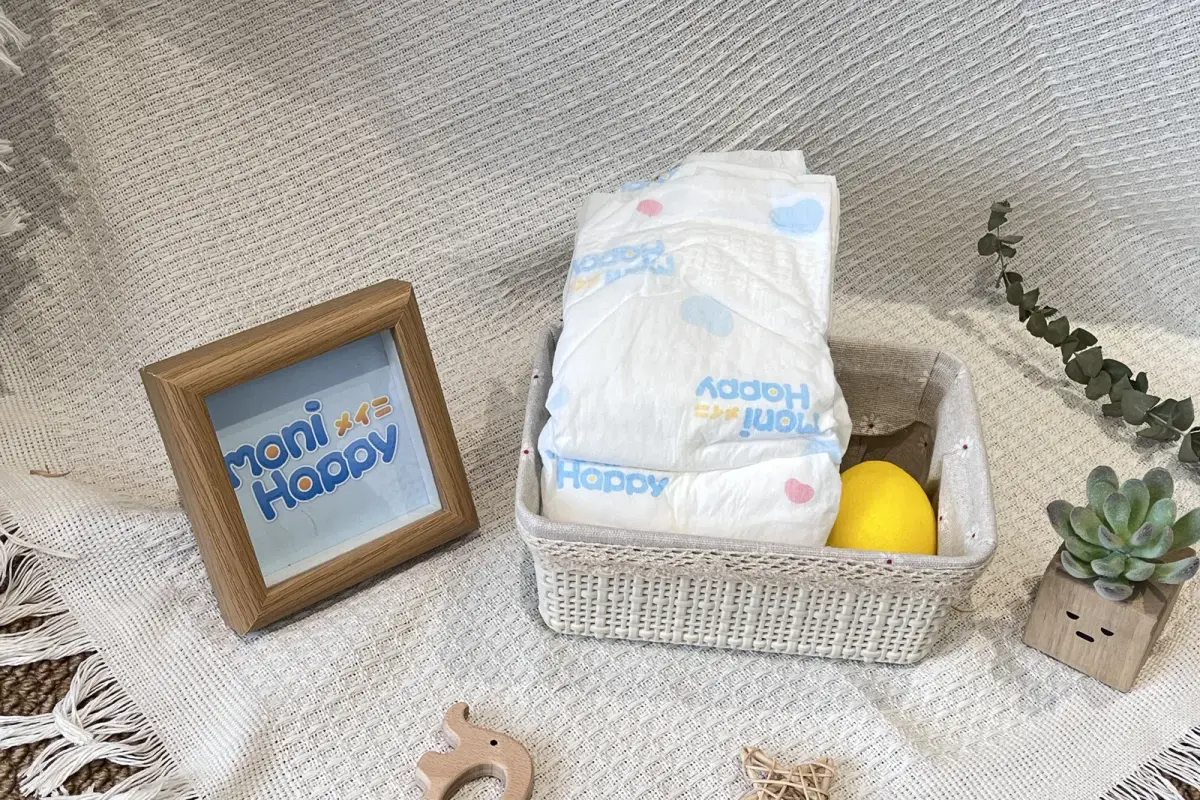
Agree five terms, in this order: barcode and listing fee, opening allowance, payment terms, SKU count, delivery window. A Malaysian mini market is run by an owner who decides in one meeting and then expects the stock to arrive next week. The listing fee per SKU is small, often RM50 to RM200, but the barcode must exist before the fee can be invoiced, and the opening allowance is what the owner actually remembers when a competing diaper wholesale offer arrives three months later.
Which terms does a mini market set before a new diaper SKU gets a slot?
Five, and they are settled in a single conversation if the seller arrives prepared. In order of importance to the owner: barcode, opening allowance, terms, SKU count, delivery day.
Price is not first, which surprises most first-time sellers. A mini market carrying 6 to 12 diaper SKUs across 3 or 4 brands cannot win on price alone, because the customer who walks in already knows the brand she wants. What the owner cannot fix later is a missing barcode, a delivery that lands on the wrong day, or a SKU that does not move.
What does the listing fee cover, and how is it quoted?
It covers the cost of opening the item in the store system and giving it a position on the shelf. Quote it per SKU, not per order, and state whether it is charged once or annually.
Every SKU needs a GTIN before the fee makes sense. A GS1 Malaysia prefix is the standard route, and a seller who arrives with an unregistered barcode will be sent away to fix it. Some owners will accept a store-internal code for a trial, but that stock cannot be scanned at the till and cannot be reordered automatically, so it dies quietly.
Anchor the fee against the first order value. A RM150 fee on a RM6,000 opening order is 2.5% and reads as reasonable. The same fee on a RM900 order is 17% and reads as a tax on trying.
How much opening allowance is normal?
Five to ten percent of the first order, taken as stock or as a credit against the second order. Stock is better for the shelf and credit is better for the relationship, so ask the owner which she prefers before you offer.
Do not call it a discount. A discount resets the reference price for every future order, and mini market owners have long memories on price. An opening allowance is a one-time cost of entry, and it should be documented as such on the invoice.
What payment terms should a first-year account expect?
Thirty days from statement for an owner-run store, with a credit limit set at roughly two weeks of expected sell-through. Chains and banner groups sit at 60 days, sometimes 90, and they will ask for the longer number because their own cash cycle demands it.
A diaper distributor who opens with 30 days and holds it for four cycles learns more about the account than any credit check will tell him. Late payment on cycle two is the clearest signal available, and it arrives before the account is large enough to hurt.
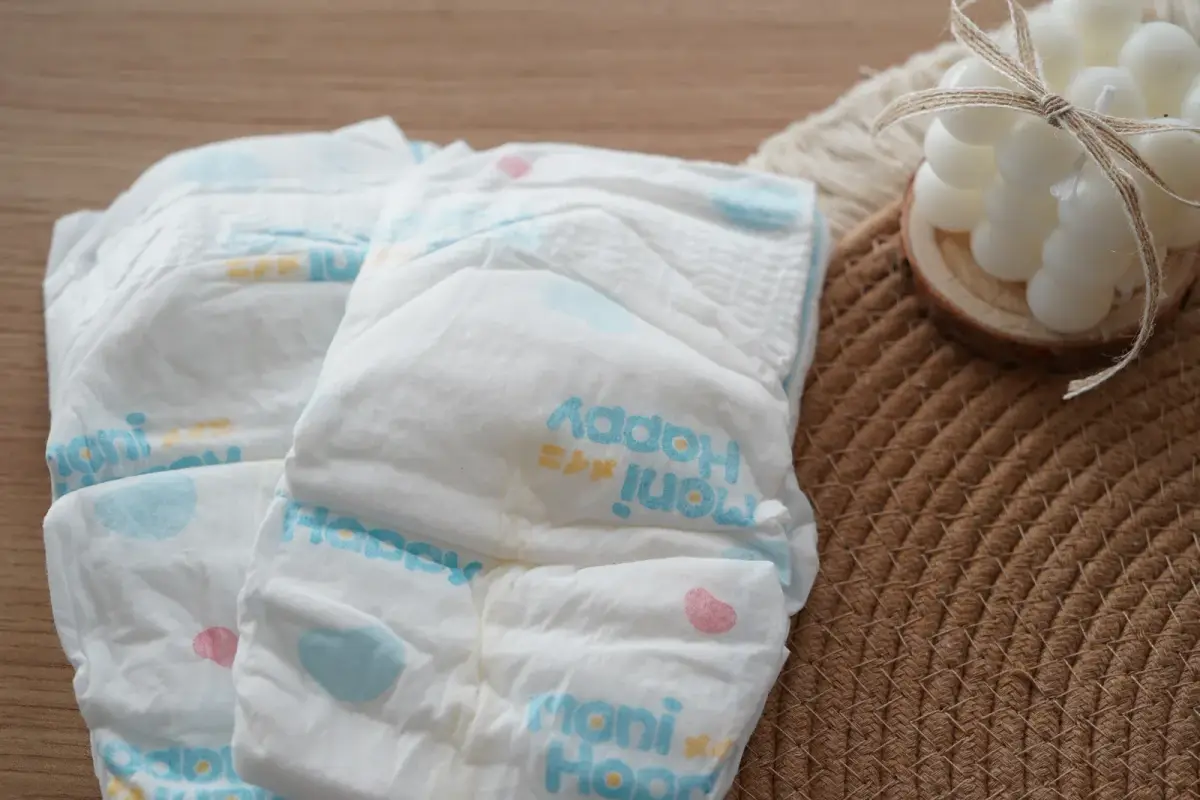
How many SKUs should a mini market take, and which ones?
Four to six, and no more than two sizes in any one line. A store with 4,000 to 8,000 square feet gives diapers one to two bays, and a bay holds roughly 20 to 30 facings across all brands.
- One opening price point, small pack, 20 to 30 pieces.
- One core pack, 40 to 50 pieces, the size that sells weekly.
- One value pack, 60 to 80 pieces, for the monthly shopper.
- One pants SKU if the store has a young-family catchment.
Resist the full range for a first order. Six SKUs that all move beat twelve that half move, and the owner will judge the brand on the slowest pack on the shelf. If a second bay becomes available, that is the moment to add a size, not before. Our channel guide compares this pattern with pharmacies and baby specialists.
What delivery rhythm do these stores need?
Weekly, on a fixed day, with a five-day order-to-delivery lead time. Mini markets have almost no back-room space, so a fortnightly drop means an empty shelf in week two and a full carton in week three.
Deliver to the store, not to a depot. Owner-run stores will not collect, and a distributor who insists on a minimum order for delivery quietly loses the small reorders that make the account work. Set the minimum at one carton and price the drop into the diaper wholesale price instead of charging for it separately.
What happens at the 90-day review?
Three numbers decide whether the SKU stays: units per store per week, sell-through on the value pack, and the return rate. A store averaging under four units a week on a core pack is not a slow store, it is the wrong pack, and swapping the size usually fixes it faster than a discount.
Bring the numbers to the review. An owner who sees her own sell-through will make a decision in the meeting; an owner who is asked to guess will postpone it. This is also the point to ask for a second facing, because a mini market rarely gives one without a reason.
Frequently asked questions
Do I need a barcode before approaching a Malaysian mini market?
Yes. A GTIN from GS1 Malaysia is what the store system scans and reorders against. A store-internal code works for a trial and blocks automatic reordering.
Is a listing fee negotiable?
Often, and it is the wrong thing to negotiate first. Trade the fee against SKU count or against the opening allowance instead of arguing it down, because the owner values the second and third order more than the first.
How long should the first credit limit be?
About two weeks of expected sell-through. That is large enough to stock the bay and small enough that a missed payment does not become a bad debt.
Should the first order include pants?
Only if the store has a young-family catchment. Otherwise the pants pack takes a facing that the core diaper size needs.
Sources and further reading
- GS1 Malaysia, GTIN allocation and barcode registration, gs1my.org.
- Department of Statistics Malaysia, retail trade and wholesale indices, the volume context behind store-level sell-through, dosm.gov.my.
- International Chamber of Commerce, Incoterms 2020, for the delivery and risk point that decides who owns stock in transit, iccwbo.org.
Bottom line: settle barcode, allowance, terms, SKU count and delivery day in that order, and put the numbers on one page. The owner will sign it in the first meeting, and the account will survive the first competitor who walks in with a cheaper pack.
Want the listing sheet and the pack range that fits a mini market bay? Request pricing and free samples, and read the onboarding guide for the paperwork that follows.
Frequently Asked Questions
Which terms come first when a Malaysian mini market opens a diaper account?
Barcode and listing fee, then the opening allowance, then payment terms, SKU count and the delivery day. Price is settled last because the owner already knows which brand she wants.
How much is a typical listing fee per SKU?
Often RM50 to RM200 per SKU, quoted once rather than annually. Judge it against the first order value, where 2% to 3% reads as reasonable.
How many diaper SKUs should a mini market carry?
Four to six, with no more than two sizes per line. Six SKUs that move weekly beat twelve that half move.
What delivery lead time do these stores need?
A fixed weekly drop with five days from order to delivery. Stores have little back-room space, so a fortnightly cycle empties the shelf before the next carton arrives.
Distributor resources
If you are evaluating suppliers for your market, these are the pages that answer the commercial questions — in the order buyers usually need them.
