
2026-09-14 · Moni Happy Editorial
Baby Constipation: Signs, Causes & Gentle Remedies — A Mom's Guide

When my baby went two days without a bowel movement, I panicked. I called my mom, I scrolled through parenting forums, and I may have over-analyzed every tiny facial expression. What I eventually learned is that baby constipation is common, often harmless, and there are gentle, evidence-based ways to help. But it is also important to know when to worry. In this guide, I share what I wish I had known — the real signs of constipation, what causes it, safe home remedies, and when to call the pediatrician.
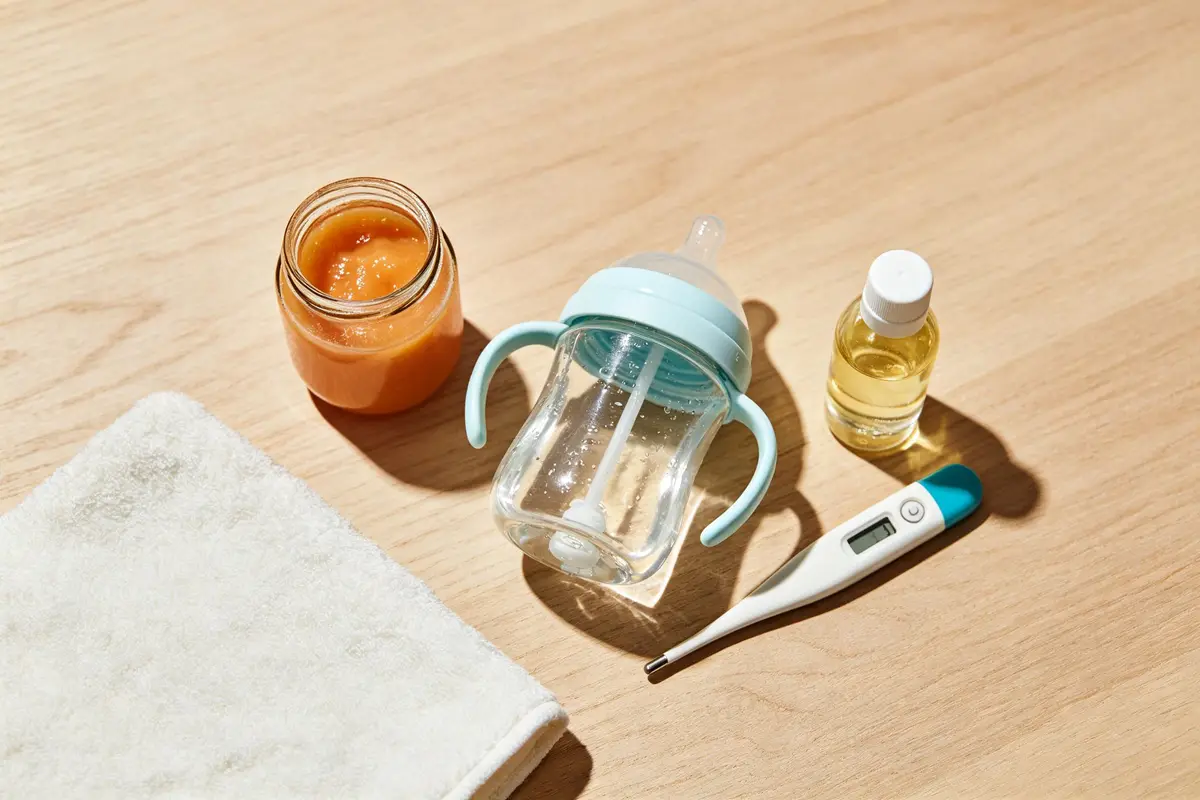
How do I know if my baby is constipated?
This is the question that kept me up at night. The truth is, frequency alone is not a reliable sign. Breastfed babies can go a week without pooping and be perfectly fine — their bodies absorb almost everything. Formula-fed babies usually go more often, but every baby is different. The real signs of constipation are: hard, pebble-like stools that are difficult to pass; your baby straining, grunting, or crying during bowel movements; a swollen or firm belly; decreased appetite; and traces of blood on the stool or diaper (from tiny tears in the skin). If your baby is passing soft stools, even infrequently, they are probably not constipated. I learned to look at the consistency, not the calendar.
What causes baby constipation?
The most common cause is a change in diet. When we started solids with my baby, constipation hit almost immediately. The transition from milk to solid food can slow down the digestive system as it learns to process new textures. Other common causes include: dehydration — especially in hot weather or when starting solids; formula changes — switching brands or types can affect digestion; low-fiber diet — too many binding foods like bananas, rice cereal, applesauce, and toast; and in rare cases, underlying medical conditions like Hirschsprung's disease or hypothyroidism. Cow's milk protein intolerance can also cause constipation in some babies. In my experience, keeping a simple food diary helped me spot patterns — every time I gave too much banana or rice cereal, constipation followed.
What safe home remedies can I try?
Before reaching for any medication, try these gentle remedies that worked for us. First, offer more fluids — water in a sippy cup (for babies over 6 months) or extra breastmilk/formula feeds. Dehydration is one of the most common and easily fixed causes. Second, adjust the diet — offer fiber-rich foods like pureed prunes, pears, plums, peaches, peas, and oats. The "P" fruits (prunes, pears, plums, peaches) are legendary for a reason. Avoid binding foods like bananas, white rice, applesauce, and toast until things improve. Third, try gentle tummy massage — using warm hands, massage your baby's belly in clockwise circles, and gently bend their knees toward their chest (bicycle legs). This helps move things along. Fourth, a warm bath can relax the abdominal muscles and sometimes trigger a bowel movement. I also used a small amount of pure prune juice mixed with water — about 1-2 ounces once a day — and it worked within 24 hours. Never give honey to a baby under 1 year, and never use adult laxatives or enemas without pediatrician approval. For diaper changes during this time, gentle baby wipes and a good diaper make a messy situation more manageable.
When should I call the pediatrician?
This is the most important question. Call your pediatrician if: your baby is under 2 months old and has not had a bowel movement in 2-3 days (newborns should poop frequently); constipation lasts more than 5-7 days despite home remedies; there is blood in the stool or on the diaper; your baby has a swollen, hard, or painful belly; your baby is vomiting, especially if the vomit is green or projectile; your baby seems lethargic, irritable, or is not feeding well; or your baby has a fever along with constipation. In my case, I called when the constipation lasted 6 days and my baby seemed uncomfortable. The pediatrician confirmed it was diet-related, suggested glycerin suppositories for immediate relief (used sparingly), and gave us a diet plan. Do not be afraid to call — that is what pediatricians are for, and it is always better to be safe.
FAQ
Q: How often should a baby poop?
A: It varies widely. Breastfed babies may poop after every feed or only once a week. Formula-fed babies typically poop 1-3 times a day. What matters is stool consistency — soft is normal, hard and pebble-like is constipation.
Q: Can I give my baby prune juice?
A: For babies over 6 months, 1-2 ounces of pure prune juice diluted with water once a day is generally safe and effective. For younger babies, consult your pediatrician first. Never give honey to babies under 1 year.
Q: Is baby constipation an emergency?
A: Usually not. Most cases resolve with diet changes and fluids. However, seek medical attention if there is blood in the stool, severe abdominal pain, vomiting, fever, lethargy, or if your baby is under 2 months old.
Q: How can I prevent constipation when starting solids?
A: Start with high-fiber foods like oats, prunes, pears, and peas. Offer water with meals. Avoid overdoing binding foods like bananas, rice cereal, and applesauce. Introduce one new food at a time and watch how your baby reacts.
Summary
Baby constipation is common and usually harmless. The key is to look at stool consistency (hard, pebble-like = constipation), not just frequency. Most cases are caused by diet changes or dehydration and respond to gentle remedies: more fluids, fiber-rich "P" fruits, tummy massage, and warm baths. Avoid binding foods and never use adult laxatives. Call your pediatrician if constipation persists, there is blood, your baby is in pain, or your baby is under 2 months old. With patience and a few diet tweaks, most babies get back to normal quickly. You have got this, mama.
Frequently Asked Questions
How often should a baby poop?
It varies widely. Breastfed babies may poop after every feed or only once a week. Formula-fed babies typically poop 1-3 times a day. What matters is stool consistency — soft is normal, hard and pebble-like is constipation.
Can I give my baby prune juice?
For babies over 6 months, 1-2 ounces of pure prune juice diluted with water once a day is generally safe and effective. For younger babies, consult your pediatrician first. Never give honey to babies under 1 year.
Is baby constipation an emergency?
Usually not. Most cases resolve with diet changes and fluids. However, seek medical attention if there is blood in the stool, severe abdominal pain, vomiting, fever, lethargy, or if your baby is under 2 months old.
How can I prevent constipation when starting solids?
Start with high-fiber foods like oats, prunes, pears, and peas. Offer water with meals. Avoid overdoing binding foods like bananas, rice cereal, and applesauce. Introduce one new food at a time and watch how your baby reacts.