
2026-09-17 · Moni Happy Editorial
Baby Fever: What It Means, How to Reduce It, When to Call the Doctor
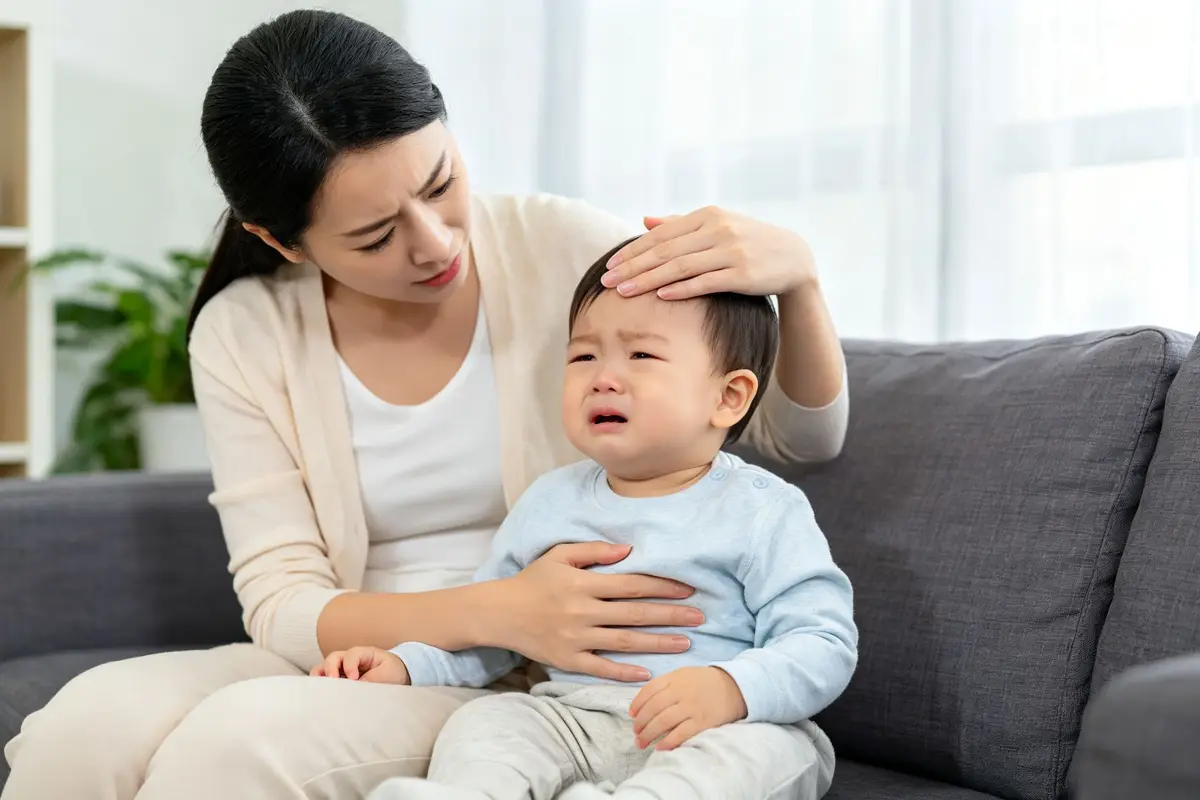
The first time my baby had a fever, I panicked. It was 3 a.m., his forehead was burning, and I had no idea whether this was an emergency or just a normal viral fever. After several more fevers (and many doctor visits), I've learned how to read my baby's temperature, when to worry, and what actually helps. Here's my practical guide to baby fever care.
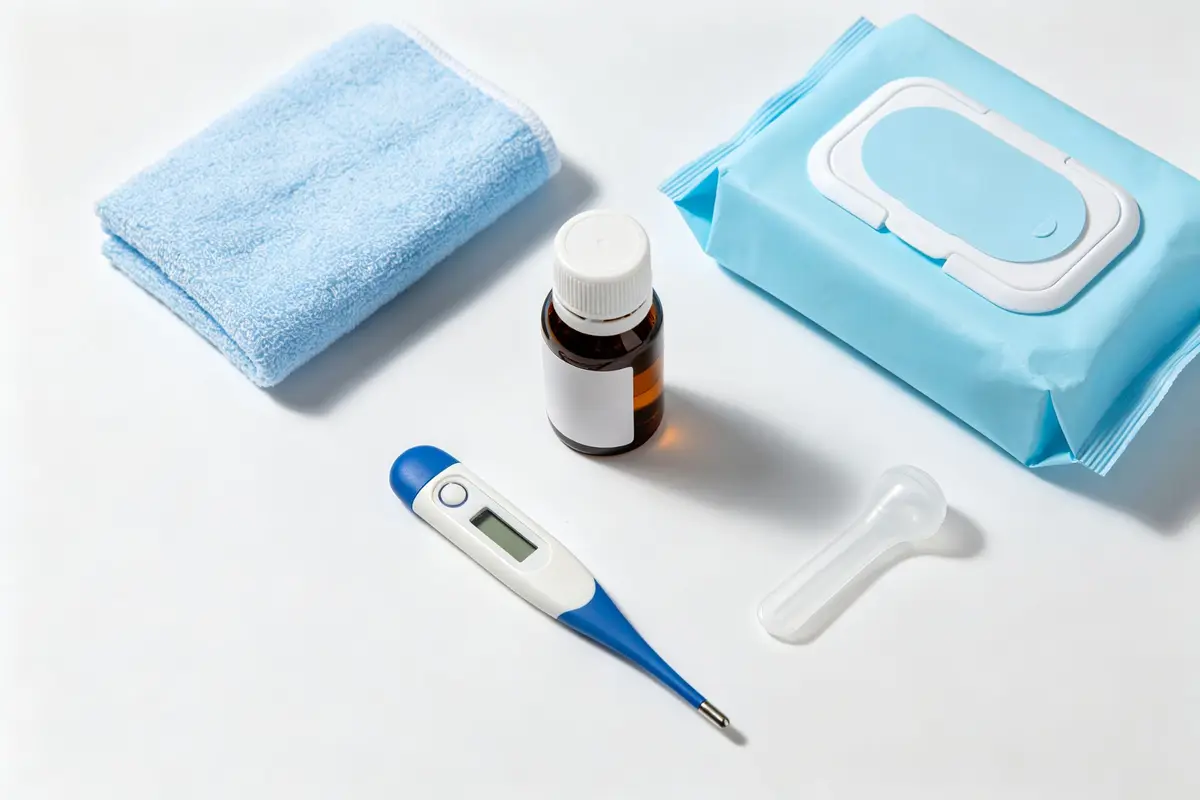
What Is a Fever in Babies?
A fever is a symptom, not an illness. It's the body's normal response to infection — the immune system raises the body's temperature to fight off viruses and bacteria. In babies, a rectal temperature of 100.4°F (38°C) or higher is considered a fever. How you take the temperature matters: Rectal (most accurate for babies under 3 months), Ear (good for babies 6 months+), Forehead/temporal artery (less accurate but convenient), Underarm (least accurate, only a screening). The number on the thermometer matters, but what matters more is how your baby looks and acts. A happy, alert baby with a 101°F fever is usually less concerning than a lethargic baby with a 99.5°F temperature. Always look at the whole picture.
How to Reduce Fever at Home
When your baby has a fever, the goal is comfort, not necessarily bringing the temperature down to normal. Here's what helps: Give fever reducer if they seem uncomfortable. Acetaminophen (Tylenol) is safe for babies 2 months and older; ibuprofen (Motrin, Advil) is safe for babies 6 months and older. Always use the correct dose based on your baby's weight, not age. Never give aspirin to a child. Offer breast milk or formula frequently. Fevers dehydrate babies quickly. Breastfed babies should nurse more often; formula-fed babies can take extra bottles. If your baby is younger than 6 months, extra water is not recommended — ask your doctor. Keep them lightly dressed. Heavy pajamas or blankets trap heat. Dress them in one light layer and use a lightweight blanket if needed. Give a lukewarm sponge bath. If fever reducer isn't enough, a lukewarm (not cold) sponge bath can help. Never use ice water, alcohol rubs, or cold baths. Let them rest. A feverish baby needs extra sleep and quiet time. Skip playdates and outings until they're better. Monitor hydration. Check for fewer wet diapers (less than 4-6 in 24 hours), a dry mouth, or sunken soft spot — these signs of dehydration need a doctor visit. For gentle care during illness, soft wipes like Moni Happy's baby wipes make diaper changes easier when baby is uncomfortable.
When to Call the Doctor or Go to ER
Most fevers in babies are caused by viruses and resolve on their own. But call your doctor or seek emergency care if: your baby is under 3 months old and has a rectal temperature of 100.4°F (38°C) or higher (any fever in a newborn needs immediate evaluation); your baby is 3-6 months old and has a fever of 102°F (38.9°C) or higher; your baby has a fever above 104°F (40°C) at any age; your baby is lethargic, unusually fussy, difficult to wake, or not making eye contact; your baby has trouble breathing, a stiff neck, a rash that doesn't fade when pressed, or persistent vomiting/diarrhea; the fever lasts more than 24-48 hours (for babies under 2) or more than 3 days (for older babies/toddlers); or you just feel something is seriously wrong. As a mom, I've learned to trust my gut. If my baby seems off in a way I can't explain, I call the pediatrician. It's always better to check. For a complete range of baby care products, explore Moni Happy's collection.
Frequently Asked Questions
What temperature is a fever in babies?
A fever in babies is defined as a rectal temperature of 100.4°F (38°C) or higher. For babies under 3 months, any fever of 100.4°F or higher requires immediate medical evaluation. For babies 3-6 months, call the doctor if fever reaches 102°F (38.9°C) or higher. The number matters, but how your baby looks and acts is just as important.
How can I reduce my baby's fever at home?
Give age-appropriate fever reducer (acetaminophen for 2 months+, ibuprofen for 6 months+) at the correct weight-based dose, offer extra breast milk or formula to prevent dehydration, dress baby lightly, give a lukewarm (not cold) sponge bath if needed, and let them rest. Never give aspirin, use alcohol rubs, or ice-water baths.
When should I call the doctor for a baby fever?
Call immediately if: baby is under 3 months with any fever; baby has fever above 104°F (40°C); baby is lethargic, hard to wake, has trouble breathing, stiff neck, or rash; baby has persistent vomiting/diarrhea; fever lasts more than 24-48 hours (under 2) or 3 days (older); or you feel something is seriously wrong.
Is a fever good or bad for a baby?
A fever is a normal immune response — it helps the body fight infection. It's not an enemy. The goal is to keep your baby comfortable, not to bring the temperature to normal. A fever is a symptom, not an illness. Most fevers are caused by viruses and resolve on their own within a few days.