
2026-09-02 · Moni Happy Editorial Team
Baby Massage: Benefits, Techniques & Safety Tips for New Parents
Baby Massage: Benefits, Techniques & Safety Tips for New Parents
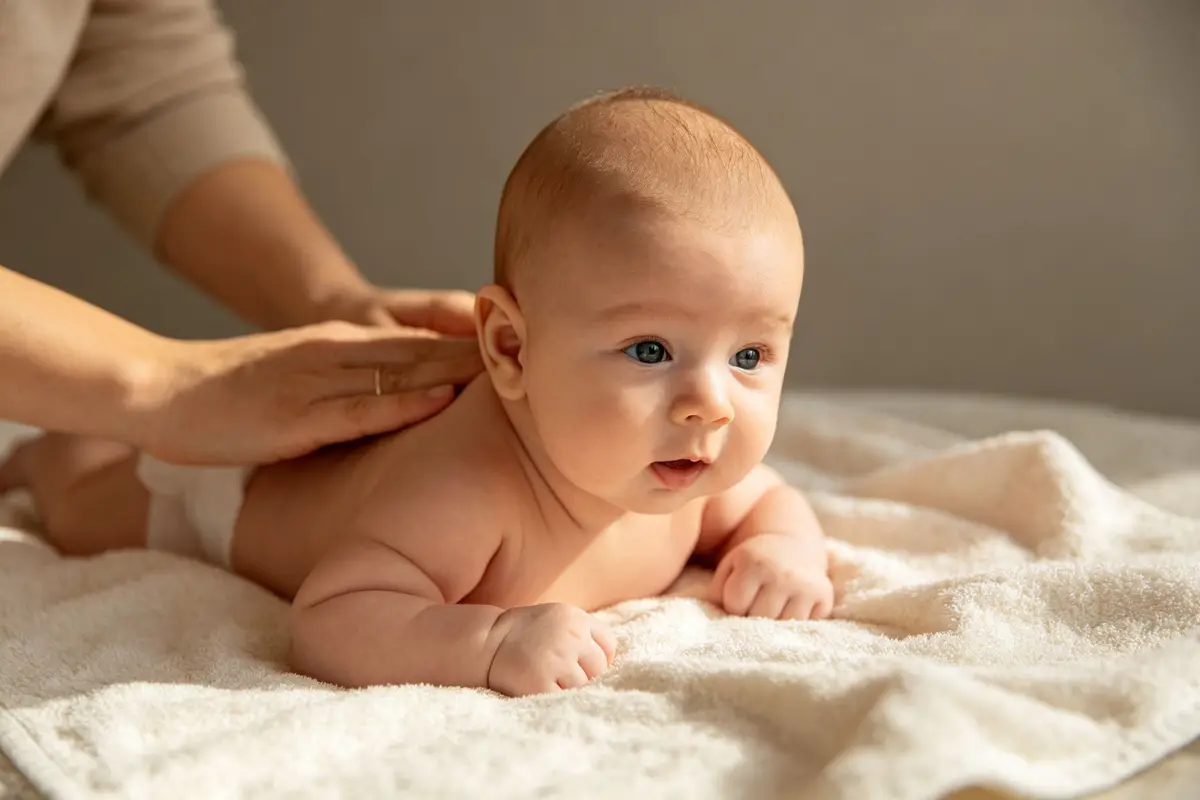
I'll never forget the first time I gave my newborn a massage. My mother-in-law, who had raised four kids, showed me how to gently rub my baby's tiny back and legs, and within minutes, my fussy, colicky baby was calm and relaxed. I was hooked. Baby massage became part of our daily routine—a quiet, intimate time where I could connect with my baby, help with his gas and sleep, and just enjoy being together. Over the years, with all three of my kids, baby massage has been one of the most rewarding things I've done as a parent. Here's everything you need to know about baby massage: the benefits, the techniques, and the safety tips to get started.
What Is Baby Massage?
Baby massage is the gentle, rhythmic stroking of your baby's body using your hands, often with a small amount of baby-safe oil or lotion. It's an ancient practice that has been used for centuries in many cultures around the world, particularly in India, Africa, and Southeast Asia, where baby massage is a traditional part of infant care. In recent decades, baby massage has gained popularity in Western countries as well, thanks to growing research supporting its many benefits for both babies and parents.
Baby massage is not just about rubbing your baby's skin—it's a holistic practice that involves touch, eye contact, voice, and bonding. It's a time for you and your baby to connect, communicate, and enjoy each other's company. You don't need any special training or equipment to give your baby a massage—just your hands, a quiet space, and a willing baby. Many hospitals, community centers, and parenting organizations offer baby massage classes where you can learn proper techniques from certified instructors, but you can also learn from books, videos, or simply by following your baby's cues.
Benefits of Baby Massage
The benefits of baby massage are well-documented by research and experienced by parents worldwide. Here are some of the key benefits for both babies and parents:
Benefits for Babies
- Improved digestion and relief from gas and colic: This was the biggest benefit for my colicky firstborn. Gentle abdominal massage helps move gas through the digestive tract, stimulates bowel movements, and can provide significant relief from colic and constipation. Many parents report that a gentle tummy massage before bed helps their baby sleep more comfortably.
- Better sleep: Baby massage helps babies relax, reduces stress hormones (cortisol), and increases feel-good hormones (oxytocin and serotonin). A regular massage before bedtime can help babies fall asleep faster and sleep more deeply. Studies have shown that babies who receive regular massage have more regular sleep-wake cycles and longer periods of deep sleep.
- Reduced stress and crying: Massage has a calming effect on babies, reducing fussiness and excessive crying. The gentle touch releases oxytocin (the "love hormone") in both baby and parent, creating a sense of calm and well-being. For colicky or high-needs babies, regular massage can significantly reduce crying time.
- Enhanced immune function: Some studies suggest that regular massage can boost the immune system by increasing the production of white blood cells and reducing stress hormones (which can suppress immune function). Premature babies who receive massage therapy have been shown to have better weight gain, shorter hospital stays, and improved overall health outcomes.
- Improved motor development: Massage helps babies become more aware of their bodies and can improve muscle tone, flexibility, and coordination. The gentle stimulation of muscles and joints can support healthy motor development, particularly in premature babies or babies with developmental delays.
- Relief from teething pain: Gentle massage of the gums, jaw, and cheeks can provide relief from teething discomfort. Always use clean hands and gentle pressure, and never massage directly on swollen or inflamed gums.
- Skin health: Massage with baby-safe oil can help keep baby's skin moisturized and healthy, particularly in dry climates or during dry seasons. The gentle stimulation increases blood flow to the skin, promoting healthy skin development. For babies with eczema or dry skin, massage with a gentle, fragrance-free oil can help soothe and moisturize (always check with your pediatrician first).
- Bonding and attachment: Perhaps the most important benefit of all, baby massage strengthens the bond between parent and baby. The close physical contact, eye contact, and gentle communication help build trust, security, and a deep emotional connection. This is particularly valuable for parents who may have had a difficult birth, postpartum depression, or difficulty bonding with their baby.
Benefits for Parents
- Reduced stress and anxiety: Just as massage calms babies, it also calms parents. The close contact with your baby and the release of oxytocin can reduce parental stress, anxiety, and symptoms of postpartum depression. Taking 10-15 minutes each day to quietly massage your baby can be a form of self-care for parents too.
- Increased confidence: Baby massage helps parents feel more confident in their ability to care for and soothe their baby. As you learn to read your baby's cues and respond appropriately, you'll feel more capable and confident as a parent.
- Better understanding of your baby: Through regular massage, you'll learn to recognize your baby's body language, cues, and preferences. You'll notice what areas they enjoy being massaged, what areas are sensitive, and how they communicate comfort or discomfort. This deeper understanding extends beyond massage time and helps you respond better to your baby's needs throughout the day.
- Quality bonding time: In our busy lives, it's easy to get caught up in the chores and routines of parenting. Baby massage provides a dedicated, distraction-free time for you to simply be with your baby, enjoying each other's company and building your relationship.
When to Start Baby Massage
You can start massaging your baby from birth, but it's important to wait until the umbilical cord stump has fallen off and the area is fully healed before massaging the abdomen. For premature babies or babies with medical conditions, always consult your pediatrician before starting massage.
In the first few weeks, keep massage sessions very short (2-5 minutes) and gentle. Newborns have very sensitive skin and may become overstimulated easily. As your baby grows and becomes more accustomed to massage, you can gradually increase the duration to 10-15 minutes per session.
The best time for baby massage is when your baby is calm, alert, and content—not too hungry, not too full, and not too tired. Many parents find that massage after a bath and before bedtime works well, as it helps baby relax and prepare for sleep. Others prefer massage in the morning after a feed, when baby is alert and happy. Experiment with different times and find what works best for you and your baby.
Avoid massaging your baby if they are:
- Very hungry or very full (wait at least 30-45 minutes after a full feed before massaging the abdomen)
- Very tired or overstimulated
- Upset, crying, or unwell
- Running a fever or have a contagious illness
- Have open wounds, rashes, or skin infections on the area being massaged
- Have just received vaccinations (wait 24-48 hours before massaging the injection site)
Baby Massage Techniques: Step-by-Step Guide
Here's a simple, step-by-step baby massage routine that you can adapt to your baby's preferences. Always start with clean, warm hands and a calm, quiet environment.
Preparation
- Choose a warm, quiet room with no drafts. Lay baby on a soft towel or blanket on a flat, safe surface (like a changing table or bed—never leave baby unattended on a high surface).
- Undress baby down to their diaper (or fully undress if the room is warm enough). Have a clean diaper and clothes nearby for after the massage.
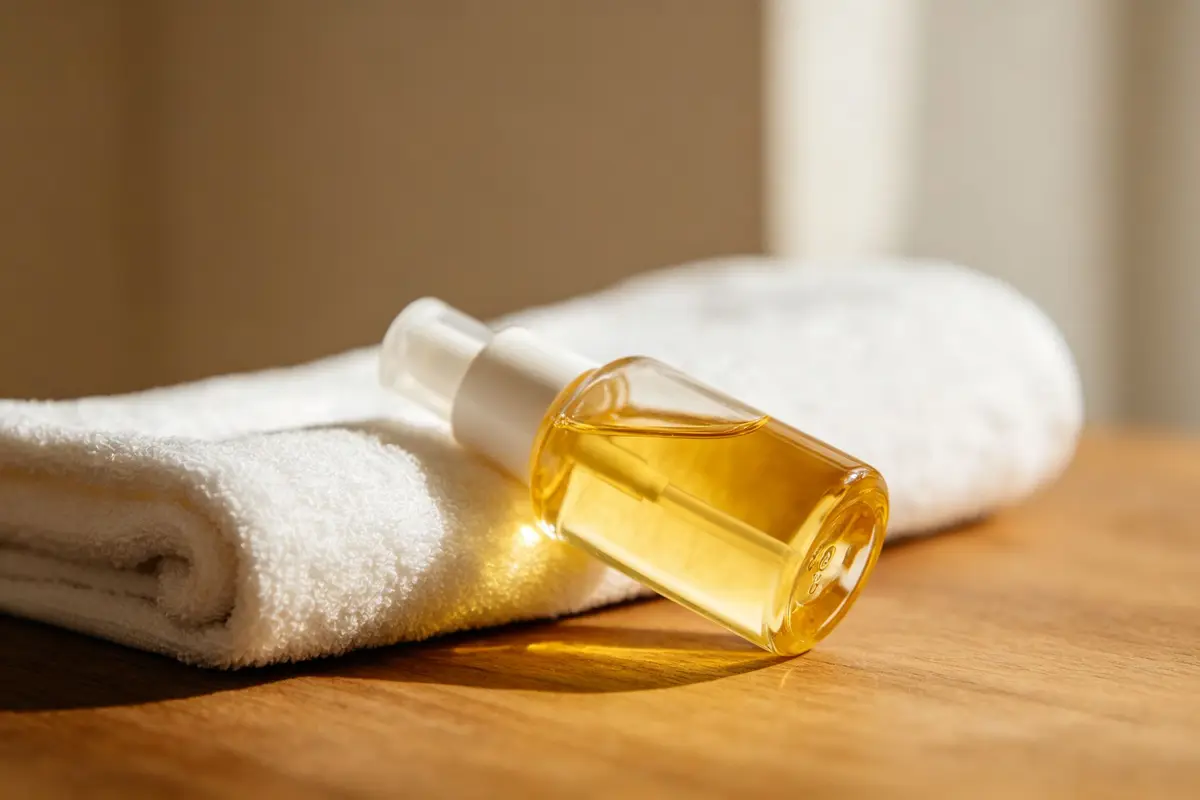
- Warm a small amount of baby-safe oil or lotion in your hands. Use only a small amount—you can always add more. For newborns, you may not need any oil at all, as their skin is naturally soft and slippery.
- Talk to your baby, make eye contact, and let them know you're about to start. Watch their cues—if they seem happy and relaxed, proceed. If they seem fussy or overstimulated, stop and try again later.
Step 1: Legs and Feet
Start with the legs, as many babies are comfortable having their legs touched. Gently hold one of baby's legs and use long, gentle strokes from the thigh down to the ankle. Use a gentle, milking motion—wrap your hand around the thigh and slowly glide down to the ankle, releasing at the foot. Repeat 3-5 times on each leg.
Then massage the feet: gently rotate each ankle in a circular motion, then use your thumb to make small circles on the sole of the foot. Gently press and release each toe. Many babies love having their feet massaged—watch for smiles and coos!
Step 2: Chest and Arms
Place both hands flat on baby's chest, with fingers pointing toward the shoulders. Gently stroke outward from the center of the chest toward the shoulders, like you're opening the pages of a book. Repeat 3-5 times. This motion can be very calming and helps open up the chest.
Then massage the arms: gently hold one arm and use long, gentle strokes from the shoulder down to the wrist, using the same milking motion as the legs. Repeat 3-5 times on each arm. Massage the hands: gently rotate each wrist, then use your thumb to make small circles on the palm. Gently press and release each finger.
Step 3: Abdomen (Tummy)
Abdominal massage is particularly helpful for gas, colic, and constipation, but it's important to be very gentle and only do this if baby is comfortable. Wait until the umbilical cord stump has fallen off and the area is fully healed.
Place your hands flat on baby's lower abdomen, just below the navel. Use gentle, clockwise circular motions with your fingertips, starting from the lower right side, moving up across the top, and down the left side (following the path of the large intestine). Keep the pressure very light—you should barely be pressing on the skin. Repeat 5-10 times.
You can also do the "I Love U" stroke: trace the letter "I" on the left side of baby's abdomen (from top to bottom), then an upside-down "L" across the top and down the left side, then a "U" from the lower right, up across the top, and down the left side. This follows the path of the colon and can help move gas and stool through the digestive tract.
If baby seems uncomfortable during abdominal massage, stop and try again later. Never massage the abdomen if baby has just eaten (wait at least 30-45 minutes), or if baby has any abdominal pain, swelling, or medical conditions affecting the abdomen.
Step 4: Back
Gently turn baby over onto their tummy (always supervise tummy time and never leave baby unattended on their tummy). Place both hands flat on baby's upper back, with fingers pointing toward the lower back. Use long, gentle strokes from the upper back down to the buttocks. Repeat 3-5 times.
Then use your fingertips to make small, gentle circles along both sides of the spine, from the neck down to the lower back. Avoid pressing directly on the spine. This can be very relaxing for babies and helps relieve tension in the back.
Step 5: Face and Head
Finish with the face and head, which many babies find very relaxing. Use your fingertips to make very gentle, small circles on baby's forehead, temples, cheeks, and jaw. Avoid the eye area and the soft spots (fontanelles) on the head.
Gently stroke from the center of the forehead outward toward the temples, then from the nose outward across the cheeks. Gently massage the jaw in small circles—this can be particularly helpful for teething babies.
For the head, use your fingertips to gently massage the scalp in small circles, like you're shampooing. Be very gentle around the fontanelles (soft spots). Many babies love having their scalp massaged—it can be very calming and may even help with cradle cap.
Finishing Up
After the massage, wrap baby in a soft towel or blanket and cuddle for a few minutes. This is a great time for skin-to-skin contact, which further enhances bonding and relaxation. If you used oil, you can gently wipe off any excess with a soft towel, or leave it on to moisturize the skin. Dress baby in clean, comfortable clothes and enjoy the calm, relaxed state that massage often brings.
Choosing the Right Baby Massage Oil
Choosing the right oil for baby massage is important, as baby's skin is very absorbent and sensitive. Here are some tips for choosing a safe, baby-friendly oil:
- Cold-pressed, food-grade oils: The best oils for baby massage are cold-pressed, food-grade plant oils, as they are natural, gentle, and safe if baby accidentally ingests a small amount (which is common, as babies put their hands in their mouths). Good options include sweet almond oil, jojoba oil, coconut oil, sunflower oil, and safflower oil.
- Sweet almond oil: This is one of the most popular oils for baby massage. It's light, easily absorbed, moisturizing, and has a mild, pleasant scent. It's rich in vitamin E and fatty acids, which are great for baby's skin. Note: if your baby has a nut allergy, avoid almond oil.
- Coconut oil: Coconut oil is antibacterial, antifungal, and moisturizing. It's solid at room temperature but melts quickly on contact with warm skin. It's particularly good for babies with dry skin or eczema. Choose virgin, cold-pressed coconut oil for the best quality.
- Jojoba oil: Jojoba oil is very similar to the natural oils produced by human skin, making it extremely gentle and well-tolerated. It's non-greasy, easily absorbed, and suitable for all skin types, including sensitive skin.
- Sunflower oil: Sunflower oil is light, gentle, and rich in linoleic acid, which is important for healthy skin development. It's a good choice for babies with sensitive skin or eczema. Choose cold-pressed, high oleic sunflower oil.
- Avoid mineral oil and petroleum-based products: Mineral oil (baby oil) is a byproduct of petroleum and is not as easily absorbed by the skin as plant oils. It can also clog pores and interfere with the skin's natural ability to breathe and regulate temperature. While it's generally considered safe, many parents prefer natural plant oils for baby massage.
- Avoid essential oils for babies under 3 months: Essential oils are highly concentrated and can be irritating or even toxic for babies, especially newborns. For babies under 3 months, use only plain, unscented plant oils. For older babies, if you want to use essential oils, always consult a qualified aromatherapist or pediatrician first, and use only very small amounts of baby-safe oils (like lavender or chamomile) properly diluted in a carrier oil. Never apply undiluted essential oils to baby's skin.
- Avoid fragranced oils and lotions: Artificial fragrances can be irritating to baby's sensitive skin and may cause allergic reactions. Choose unscented, fragrance-free oils and lotions for baby massage.
- Always do a patch test: Before using any new oil on your baby, do a patch test: apply a small amount to a small area of baby's skin (like the inner forearm) and wait 24 hours. If there's no redness, irritation, or rash, the oil is likely safe to use.
- Check with your pediatrician: If your baby has eczema, sensitive skin, allergies, or any skin condition, always check with your pediatrician before using any oil or lotion for massage.
Safety Tips for Baby Massage
Baby massage is generally very safe, but it's important to follow these safety guidelines to ensure a positive experience for both you and your baby:
- Always supervise: Never leave your baby unattended during a massage, especially on a high surface like a changing table. Keep one hand on baby at all times if they're on an elevated surface.
- Use gentle pressure: Baby's body is delicate, so always use very gentle pressure. You should barely be pressing on the skin—if you're pressing hard enough to move the underlying tissue, you're pressing too hard. Watch baby's cues—if they seem uncomfortable, stop or lighten the pressure.
- Avoid sensitive areas: Avoid the fontanelles (soft spots on the head), the eye area, the genital area, and any areas with rashes, cuts, or irritation. For abdominal massage, wait until the umbilical cord stump has fallen off and the area is fully healed.
- Don't massage after feeding: Wait at least 30-45 minutes after a full feed before massaging, especially the abdomen. Massaging too soon after feeding can cause discomfort or spitting up.
- Don't massage if baby is unwell: If baby has a fever, is vomiting, has diarrhea, or is generally unwell, skip the massage until they're better. If baby has a specific medical condition, always consult your pediatrician before starting massage.
- Keep the room warm: Baby can get cold quickly when undressed, so make sure the room is warm (around 24-26°C / 75-78°F) and free from drafts. Have a soft towel or blanket nearby to cover baby if they get cold.
- Use safe oils: Use only baby-safe, cold-pressed plant oils, and avoid mineral oil, essential oils (for babies under 3 months), and fragranced products. Always do a patch test before using a new oil.
- Watch baby's cues: The most important safety tip is to watch your baby's cues. If they seem happy, relaxed, and content, continue. If they become fussy, cry, turn away, or seem overstimulated, stop immediately. Baby massage should be a pleasant experience for both of you—never force it.
- Keep nails short and clean: Make sure your fingernails are short and smooth to avoid scratching baby's delicate skin. Remove any jewelry (rings, bracelets) that could scratch or catch on baby.
- Never use massage as a substitute for medical care: While baby massage has many benefits, it is not a substitute for medical treatment. If your baby has a medical condition or you're concerned about their health, always consult your pediatrician.
Article Summary
Baby massage is the gentle, rhythmic stroking of your baby's body using your hands, often with a small amount of baby-safe oil. It's an ancient practice with well-documented benefits for both babies and parents. For babies, massage improves digestion and relieves gas and colic, promotes better sleep, reduces stress and crying, enhances immune function, supports motor development, relieves teething pain, promotes healthy skin, and strengthens bonding and attachment. For parents, massage reduces stress and anxiety, increases confidence, deepens understanding of their baby, and provides dedicated quality bonding time. You can start massaging your baby from birth (waiting until the umbilical cord stump falls off before abdominal massage), keeping sessions short (2-5 minutes for newborns, gradually increasing to 10-15 minutes) and choosing a time when baby is calm, alert, and content. A simple massage routine includes massaging the legs and feet, chest and arms, abdomen (with gentle clockwise circles), back, and face and head. Choose cold-pressed, food-grade plant oils like sweet almond oil, coconut oil, jojoba oil, or sunflower oil, avoiding mineral oil, essential oils (for babies under 3 months), and fragranced products. Always do a patch test before using a new oil. Safety tips include always supervising baby, using gentle pressure, avoiding sensitive areas, not massaging after feeding or when baby is unwell, keeping the room warm, and watching baby's cues—stop if they seem uncomfortable or overstimulated. Baby massage is a beautiful, rewarding practice that can become a cherished part of your daily routine, deepening your bond with your baby and providing countless benefits for both of you.
Frequently Asked Questions
When can I start massaging my baby?
You can start gentle baby massage as early as the first few weeks, once you and your baby are comfortable. Wait until the umbilical cord stump has fallen off and healed before massaging the belly area. Start with short sessions (2-5 minutes) and gradually increase to 10-15 minutes as your baby grows and enjoys it. The best time is when your baby is calm and alert — not too hungry, not too full, and not too sleepy.
What are the benefits of baby massage?
Baby massage has many benefits for both baby and parent. For babies, it can improve digestion and relieve gas and constipation, promote better sleep, reduce stress and crying, enhance muscle development and body awareness, and strengthen the immune system. For parents, it promotes bonding, helps you learn your baby's cues and body language, reduces parental stress, and can be especially helpful for fathers or non-breastfeeding parents to build closeness. Massage also releases oxytocin — the bonding hormone — for both of you.
What oil should I use for baby massage?
Use a cold-pressed, edible oil that's safe if your baby ingests a small amount — good options include coconut oil, sunflower oil, grapeseed oil, or sweet almond oil. Avoid mineral oil, petroleum jelly, and oils with added fragrances or essential oils, as these can irritate sensitive skin or cause allergic reactions. Always do a patch test on a small area of skin 24 hours before using a new oil, and stop if you notice any redness or irritation. In hot, humid climates, coconut oil is a great choice as it's light and absorbs well.
Are there times when I shouldn't massage my baby?
Avoid massage if your baby is fussy, overly tired, hungry, or has a fever. Wait at least 30-45 minutes after a feeding to avoid discomfort or spitting up. Avoid massaging areas with skin irritation, rashes, cuts, or infections. If your baby has any medical conditions, check with your pediatrician before starting massage. Always watch your baby's cues — if they turn away, cry, or seem uncomfortable, stop and try again later. Massage should be a pleasant, relaxing experience for both of you.
Frequently Asked Questions
When can I start massaging my baby?
You can start massaging your baby from birth, but it's important to wait until the umbilical cord stump has fallen off and the area is fully healed before massaging the abdomen. For premature babies or babies with medical conditions, always consult your pediatrician before starting. In the first few weeks, keep sessions very short (2-5 minutes) and gentle, as newborns have sensitive skin and may become overstimulated easily. As your baby grows and becomes more accustomed to massage, you can gradually increase sessions to 10-15 minutes. The best time is when baby is calm, alert, and content - not too hungry, not too full, and not too tired. Many parents find massage after a bath and before bedtime works well. Avoid massaging if baby is very hungry/full (wait 30-45 minutes after feeding), very tired, upset, unwell, running a fever, or has just received vaccinations (wait 24-48 hours before massaging the injection site).
What are the main benefits of baby massage?
Baby massage has numerous benefits for both babies and parents. For babies: 1) Improved digestion and relief from gas, colic, and constipation - gentle abdominal massage helps move gas through the digestive tract. 2) Better sleep - massage reduces stress hormones (cortisol) and increases calming hormones (oxytocin, serotonin), helping babies fall asleep faster and sleep more deeply. 3) Reduced stress and crying - the calming touch releases oxytocin, reducing fussiness and excessive crying. 4) Enhanced immune function - some studies show massage increases white blood cell production and reduces immune-suppressing stress hormones. 5) Improved motor development - massage helps babies become more aware of their bodies and can improve muscle tone and coordination. 6) Relief from teething pain - gentle jaw and cheek massage can soothe teething discomfort. 7) Healthy skin - massage with baby-safe oil moisturizes and promotes healthy skin. 8) Stronger bonding and attachment - the close physical contact builds trust and emotional connection. For parents: reduced stress and anxiety, increased confidence, better understanding of baby's cues, and dedicated quality bonding time. Massage can be particularly valuable for parents struggling with postpartum depression or bonding difficulties.
What oil should I use for baby massage?
The best oils for baby massage are cold-pressed, food-grade plant oils, as they are natural, gentle, and safe if baby accidentally ingests a small amount. Top choices include: 1) Sweet almond oil - light, easily absorbed, moisturizing, rich in vitamin E, with a mild scent. Avoid if baby has a nut allergy. 2) Coconut oil - antibacterial, antifungal, moisturizing, solid at room temperature but melts on skin. Particularly good for dry skin or eczema. Choose virgin, cold-pressed. 3) Jojoba oil - very similar to human skin's natural oils, extremely gentle, non-greasy, suitable for all skin types including sensitive skin. 4) Sunflower oil - light, gentle, rich in linoleic acid for healthy skin, good for sensitive skin or eczema. Choose cold-pressed, high oleic. Avoid: mineral oil/petroleum-based products (not as easily absorbed, can clog pores), essential oils for babies under 3 months (highly concentrated, can be irritating or toxic), and fragranced oils/lotions (artificial fragrances can cause allergic reactions). Always do a patch test before using a new oil: apply a small amount to baby's inner forearm and wait 24 hours. If your baby has eczema, sensitive skin, or allergies, consult your pediatrician first.
Is baby massage safe and are there any risks?
Baby massage is generally very safe when done correctly, but there are important safety guidelines to follow: 1) Always supervise - never leave baby unattended during massage, especially on a high surface. Keep one hand on baby at all times if elevated. 2) Use very gentle pressure - you should barely press on the skin. If baby seems uncomfortable, stop or lighten pressure. 3) Avoid sensitive areas - fontanelles (soft spots), eye area, genital area, and any areas with rashes, cuts, or irritation. Wait for the umbilical cord stump to fall off before abdominal massage. 4) Don't massage after feeding - wait at least 30-45 minutes, especially for abdominal massage, to avoid discomfort or spitting up. 5) Don't massage if baby is unwell - fever, vomiting, diarrhea, or general illness means skip massage until better. 6) Keep the room warm (24-26C/75-78F) and draft-free, as baby gets cold quickly when undressed. 7) Use safe oils - cold-pressed plant oils only, avoid mineral oil, essential oils (under 3 months), and fragranced products. Do a patch test first. 8) Watch baby's cues - if they become fussy, cry, turn away, or seem overstimulated, stop immediately. Never force massage. 9) Keep nails short and remove jewelry to avoid scratching. 10) Never use massage as a substitute for medical care - consult your pediatrician for any health concerns. When done with care and attention to baby's cues, baby massage is a safe, rewarding practice with many benefits.