
2026-09-10 · Sarah Mitchell
Baby Oral Thrush: Recognition, Treatment & Prevention — A Mom's Guide

I'll never forget the day I noticed white patches inside my 3-month-old daughter's mouth. At first I thought it was just milk residue — she had just finished feeding, after all. But when I tried to gently wipe it away with a clean cloth, it didn't budge, and the skin underneath looked red and irritated. I panicked and called my pediatrician, who calmly told me it was likely oral thrush — a common fungal infection in babies. Here's what I learned about recognizing, treating, and preventing baby oral thrush.
What exactly is oral thrush in babies?
Oral thrush, also called oral candidiasis, is a fungal infection caused by an overgrowth of Candida albicans — a type of yeast that naturally lives in the mouth, digestive tract, and skin. In healthy people, the immune system and beneficial bacteria keep Candida under control, but in babies — especially newborns and infants under 6 months — the immune system is still developing, which makes them more susceptible to yeast overgrowth. Thrush appears as white or yellowish, slightly raised patches on the tongue, inner cheeks, gums, roof of the mouth, and sometimes the back of the throat. These patches can look like cottage cheese or curdled milk, and unlike milk residue, they cannot be easily wiped away.
Oral thrush is very common in babies — it's estimated that up to 1 in 3 babies develop thrush at some point in their first year. It's not a sign of poor hygiene or that you're doing something wrong as a parent. My daughter got thrush at 3 months, and I was initially embarrassed — like I had somehow caused it. But my pediatrician reassured me that it's extremely common and easily treatable. Babies can develop thrush after a course of antibiotics (which kill off beneficial bacteria, allowing yeast to overgrow), if they were born vaginally to a mother with a yeast infection, or simply because their immune systems are still maturing.
How do I tell thrush apart from milk residue?
This was my first question, and the answer is simpler than I thought. Milk residue is a thin, even white coating on the tongue that appears after feeding and can usually be gently wiped away with a clean, damp cloth or gauze. It typically only covers the tongue, not the inner cheeks, gums, or roof of the mouth. Thrush, on the other hand, appears as thicker, patchy white or yellowish lesions that may look like cottage cheese. These patches can appear on the tongue, inner cheeks, gums, roof of the mouth, and back of the throat — not just the tongue. The key difference is that thrush patches cannot be easily wiped away, and if you do try to wipe them, the skin underneath may appear red, raw, or slightly bleeding.
My pediatrician gave me a simple test: try to gently wipe the white area with a clean, damp gauze pad. If it wipes away easily and the skin underneath looks normal, it's likely just milk residue. If it doesn't wipe away, or if wiping causes redness or slight bleeding, it's likely thrush. She also told me that milk residue usually fades within an hour or two after feeding, while thrush patches persist regardless of when the baby last ate. If you're ever unsure, it's always best to check with your pediatrician — they can diagnose thrush with a simple visual exam and, if needed, take a small swab for testing.
Is oral thrush painful, and how does it affect feeding?
Some babies with thrush don't seem bothered at all — my daughter had a mild case and still fed normally, though she was a little fussier than usual. But for other babies, thrush can be quite painful. The patches can make the inside of the mouth sore and sensitive, and sucking from a breast or bottle can irritate the affected areas. Babies with painful thrush may: fuss or cry during feeds, pull away from the breast or bottle, clamp down on the nipple or bottle nipple, refuse to feed despite showing hunger cues, drool more than usual, or seem generally irritable. If your baby is refusing feeds or feeding poorly because of thrush, it's important to seek treatment promptly, as poor feeding can lead to dehydration and inadequate weight gain.
For breastfeeding mothers, thrush can also cause nipple pain and infection. If your baby has thrush and you're breastfeeding, you may experience: sharp, shooting pain during or after feeds, burning or itching nipples, red or shiny nipples, or flaky or peeling skin on the areola. If you have these symptoms, talk to your doctor — both you and your baby need to be treated simultaneously to prevent passing the infection back and forth. I was lucky that my daughter's thrush was mild and I didn't develop nipple thrush, but my pediatrician still checked me just to be safe. During treatment, I made sure to wash my hands frequently, sterilize all feeding equipment, and use gentle baby wipes to clean my daughter's face and hands after feeds.
How is oral thrush treated?
The most common treatment for oral thrush in babies is an antifungal medication called nystatin, which comes as an oral suspension (liquid) that you apply directly to the inside of your baby's mouth with a dropper or clean finger. Your pediatrician will prescribe the appropriate dose and frequency — typically applied 4 times a day for 7-14 days. It's important to continue the medication for the full course, even if the patches seem to disappear earlier, to prevent the infection from coming back. For more severe or persistent cases, your pediatrician may prescribe fluconazole, an oral antifungal medication that's taken by mouth. Both medications are generally safe for babies when prescribed and monitored by a doctor.
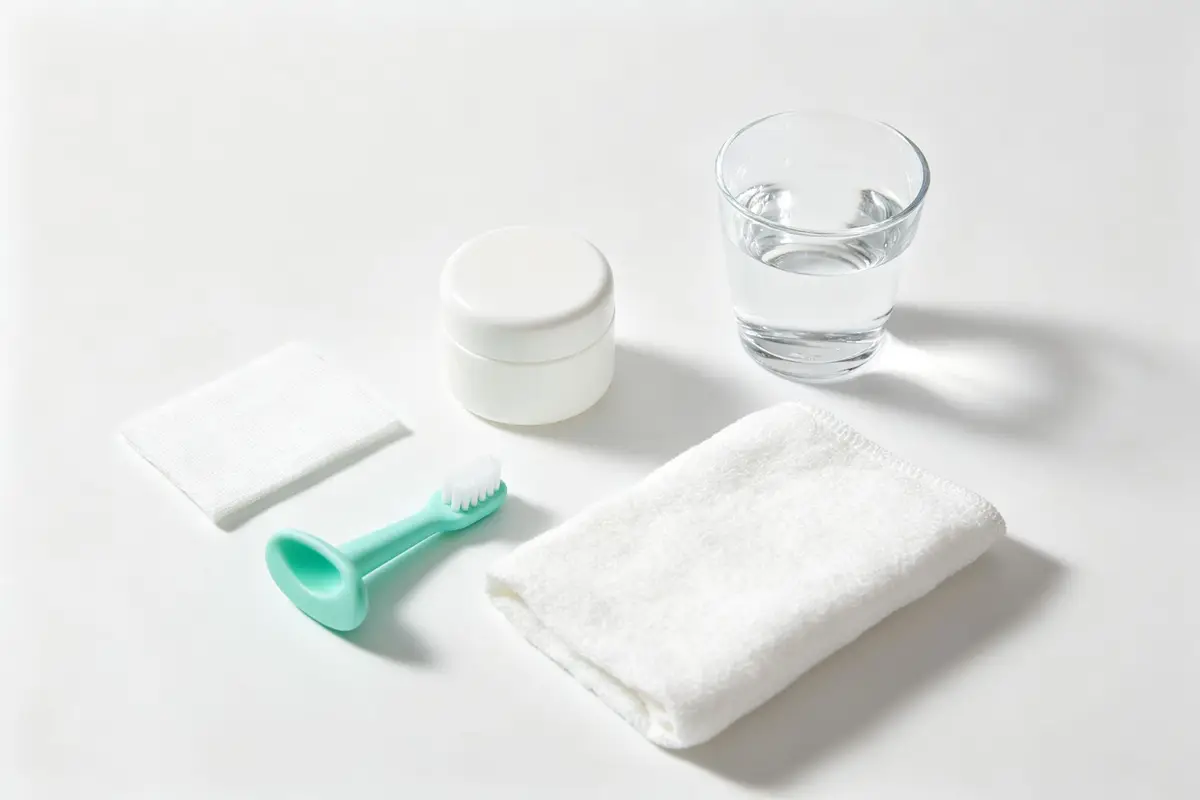
In addition to medication, there are several things you can do at home to help clear up thrush and prevent it from spreading. First, sterilize all pacifiers, bottle nipples, teething toys, and breast pump parts daily by boiling them for 5-10 minutes or using a steam sterilizer. I boiled everything every night until the thrush was completely gone. Second, if you're breastfeeding, treat both yourself and your baby simultaneously — your doctor may prescribe an antifungal cream for your nipples. Third, wash your hands thoroughly before and after applying medication, before feeds, and after diaper changes. Fourth, gently clean your baby's mouth with a clean, damp gauze pad or soft silicone finger brush after feeds — I used a soft cotton cloth wrapped around my finger with a little warm water. Finally, avoid giving your baby unnecessary antibiotics, as they can disrupt the natural balance of bacteria and allow yeast to overgrow.
When should I worry about oral thrush?
Most cases of oral thrush are mild and clear up within 1-2 weeks with proper treatment. However, there are some situations where you should seek prompt medical attention. Contact your pediatrician if: your baby is refusing feeds or feeding poorly (this can lead to dehydration and weight loss); your baby seems in significant pain or is very irritable; the thrush doesn't improve after 1 week of treatment or keeps coming back; your baby has a fever; the thrush spreads to the lips, face, or diaper area; or your baby has a weakened immune system due to another medical condition. In rare cases, thrush can spread to the esophagus (causing pain with swallowing) or to other parts of the body, especially in babies with weakened immune systems. But for most healthy babies, thrush is a temporary, treatable condition that doesn't cause long-term problems.
FAQ
How do I know if my baby has oral thrush vs milk residue?
Milk residue is a common white coating on a baby's tongue after feeding, and it can usually be wiped away gently with a clean cloth or gauze. Oral thrush, on the other hand, appears as white or yellowish patches on the tongue, inner cheeks, gums, roof of the mouth, or back of the throat that cannot be easily wiped away. If you try to gently wipe a thrush patch, it may leave behind a red, slightly bleeding surface. Thrush patches may also look like cottage cheese or curdled milk. If you're unsure, contact your pediatrician for a proper diagnosis.
Is oral thrush painful for babies?
Oral thrush can be uncomfortable or painful for some babies, while others may not seem bothered at all. When thrush is painful, babies may show signs of discomfort during feeding — they may fuss, pull away from the breast or bottle, or refuse to feed altogether despite seeming hungry. Some babies may also drool more than usual or seem irritable. If your baby is refusing feeds or seems in pain, contact your pediatrician for treatment, as untreated thrush can lead to poor feeding and dehydration. In most cases, thrush clears up within 1-2 weeks with proper treatment.
Can I treat baby oral thrush at home naturally?
While some home remedies are commonly suggested, it's important to consult your pediatrician before trying any natural treatment, especially for babies under 6 months. Some commonly mentioned remedies include: applying a small amount of plain yogurt (with live cultures) to the inside of the mouth for babies over 6 months who can tolerate dairy; using a clean finger with a small amount of baking soda mixed with water to gently wipe the mouth; and sterilizing all pacifiers, bottle nipples, and breast pump parts daily. However, these remedies are not a substitute for medical treatment. Your pediatrician may prescribe antifungal medication (such as nystatin oral suspension or fluconazole) which is the most effective treatment. Always follow your doctor's instructions.
How can I prevent oral thrush from coming back?
Preventing recurrent oral thrush involves breaking the cycle of fungal transmission. Key steps include: sterilizing all pacifiers, bottle nipples, teething toys, and breast pump parts daily by boiling for 5-10 minutes or using a steam sterilizer; if breastfeeding, treating both mother and baby simultaneously (the mother may need antifungal cream for her nipples); washing your hands thoroughly before touching your baby's mouth or feeding equipment; avoiding giving your baby unnecessary antibiotics, as they can disrupt the natural balance of bacteria and allow yeast to overgrow; and cleaning your baby's mouth gently with a clean, damp cloth or gauze after feeds, especially once the first teeth appear. If thrush keeps recurring despite these measures, your pediatrician may investigate underlying causes.
Wrapping up
Oral thrush is one of those common baby conditions that sounds scary but is usually easily treatable. The most important things I learned were: learn to tell thrush apart from milk residue (thrush can't be wiped away and may appear on more than just the tongue), seek treatment from your pediatrician rather than trying to self-diagnose, complete the full course of medication even if the patches disappear, sterilize all feeding equipment daily, treat both mother and baby simultaneously if breastfeeding, and watch for signs that the infection is spreading or affecting feeding. With proper treatment and hygiene, most cases clear up within 1-2 weeks and don't cause long-term problems. And if your baby gets thrush, don't blame yourself — it's incredibly common and not a sign of poor parenting. You're doing great.
Frequently Asked Questions
How do I know if my baby has oral thrush vs milk residue?
Milk residue is a common white coating on a baby's tongue after feeding, and it can usually be wiped away gently with a clean cloth or gauze. Oral thrush, on the other hand, appears as white or yellowish patches on the tongue, inner cheeks, gums, roof of the mouth, or back of the throat that cannot be easily wiped away. If you try to gently wipe a thrush patch, it may leave behind a red, slightly bleeding surface. Thrush patches may also look like cottage cheese or curdled milk. If you're unsure, contact your pediatrician for a proper diagnosis.
Is oral thrush painful for babies?
Oral thrush can be uncomfortable or painful for some babies, while others may not seem bothered at all. When thrush is painful, babies may show signs of discomfort during feeding — they may fuss, pull away from the breast or bottle, or refuse to feed altogether despite seeming hungry. Some babies may also drool more than usual or seem irritable. If your baby is refusing feeds or seems in pain, contact your pediatrician for treatment, as untreated thrush can lead to poor feeding and dehydration. In most cases, thrush clears up within 1-2 weeks with proper treatment.
Can I treat baby oral thrush at home naturally?
While some home remedies are commonly suggested, it's important to consult your pediatrician before trying any natural treatment, especially for babies under 6 months. Some commonly mentioned remedies include: applying a small amount of plain yogurt (with live cultures) to the inside of the mouth for babies over 6 months who can tolerate dairy; using a clean finger with a small amount of baking soda mixed with water to gently wipe the mouth; and sterilizing all pacifiers, bottle nipples, and breast pump parts daily. However, these remedies are not a substitute for medical treatment. Your pediatrician may prescribe antifungal medication (such as nystatin oral suspension or fluconazole) which is the most effective treatment. Always follow your doctor's instructions.
How can I prevent oral thrush from coming back?
Preventing recurrent oral thrush involves breaking the cycle of fungal transmission. Key steps include: sterilizing all pacifiers, bottle nipples, teething toys, and breast pump parts daily by boiling for 5-10 minutes or using a steam sterilizer; if breastfeeding, treating both mother and baby simultaneously (the mother may need antifungal cream for her nipples); washing your hands thoroughly before touching your baby's mouth or feeding equipment; avoiding giving your baby unnecessary antibiotics, as they can disrupt the natural balance of bacteria and allow yeast to overgrow; and cleaning your baby's mouth gently with a clean, damp cloth or gauze after feeds, especially once the first teeth appear. If thrush keeps recurring despite these measures, your pediatrician may investigate underlying causes.