
2026-09-01 · Moni Happy Editorial Team
Baby Proofing Guide: Home Safety for Every Room
Baby Proofing Guide: Home Safety for Every Room
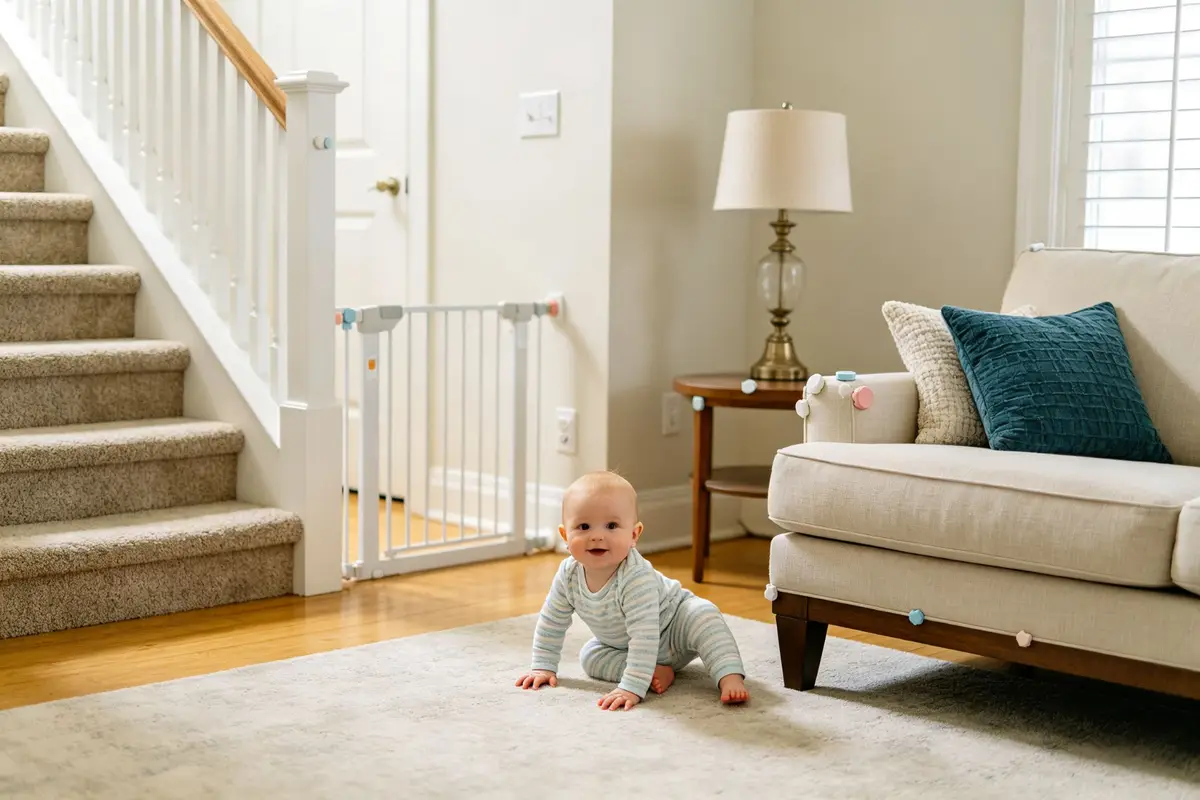
The day my first baby started crawling, I looked around my house and suddenly saw danger everywhere. The electrical outlets within easy reach, the cleaning supplies under the kitchen sink, the sharp corners on the coffee table, the stairs with no gate. I thought I had a safe home, but from a baby's eye level, it was a minefield. Baby proofing isn't about wrapping your house in bubble wrap—it's about creating a safe environment where your baby can explore and learn without constant fear of injury. Here's my room-by-room guide to baby proofing, based on what actually worked for my three kids.
When Should I Start Baby Proofing?
I recommend starting baby proofing before your baby becomes mobile—ideally by 4-5 months, before they start rolling, scooting, or crawling. By the time baby is on the move, you want the house to be ready. But it's never too late to start—even if your baby is already crawling or walking, go through this guide and address as many hazards as you can.
Remember: baby proofing is an ongoing process, not a one-time task. As your baby grows and develops new skills (crawling, climbing, opening doors, reaching higher), new hazards emerge. Re-evaluate your home every few months and adjust your baby proofing accordingly. Get down on your hands and knees and see the world from your baby's perspective—you'll be amazed at what you find.
Living Room / Family Room
The living room is where your baby will spend a lot of time playing, so it's important to make it as safe as possible.
- Anchor furniture to the wall: This is the single most important baby proofing step in the living room. TVs, bookcases, dressers, and other heavy furniture can tip over if a baby climbs on them or pulls themselves up. Use furniture anchors or wall straps to secure all heavy furniture to the wall. This is non-negotiable—tip-overs are a leading cause of serious injury and death in young children.
- Secure the TV: If you have a flat-screen TV, mount it on the wall rather than placing it on a stand. If it must be on a stand, push it as far back as possible and anchor it. Avoid placing remote controls, toys, or other attractive items on top of the TV stand that might tempt baby to climb.
- Cover sharp corners: Use corner guards or edge bumpers on coffee tables, TV stands, fireplace hearths, and any other furniture with sharp corners. Babies fall constantly, and a sharp corner to the head can cause serious injury.
- Secure electrical cords: Use cord covers or cord shorteners to keep electrical cords out of reach. Babies love to chew on cords, which poses both a choking and electrocution hazard. Never leave a lamp or other appliance plugged in within baby's reach.
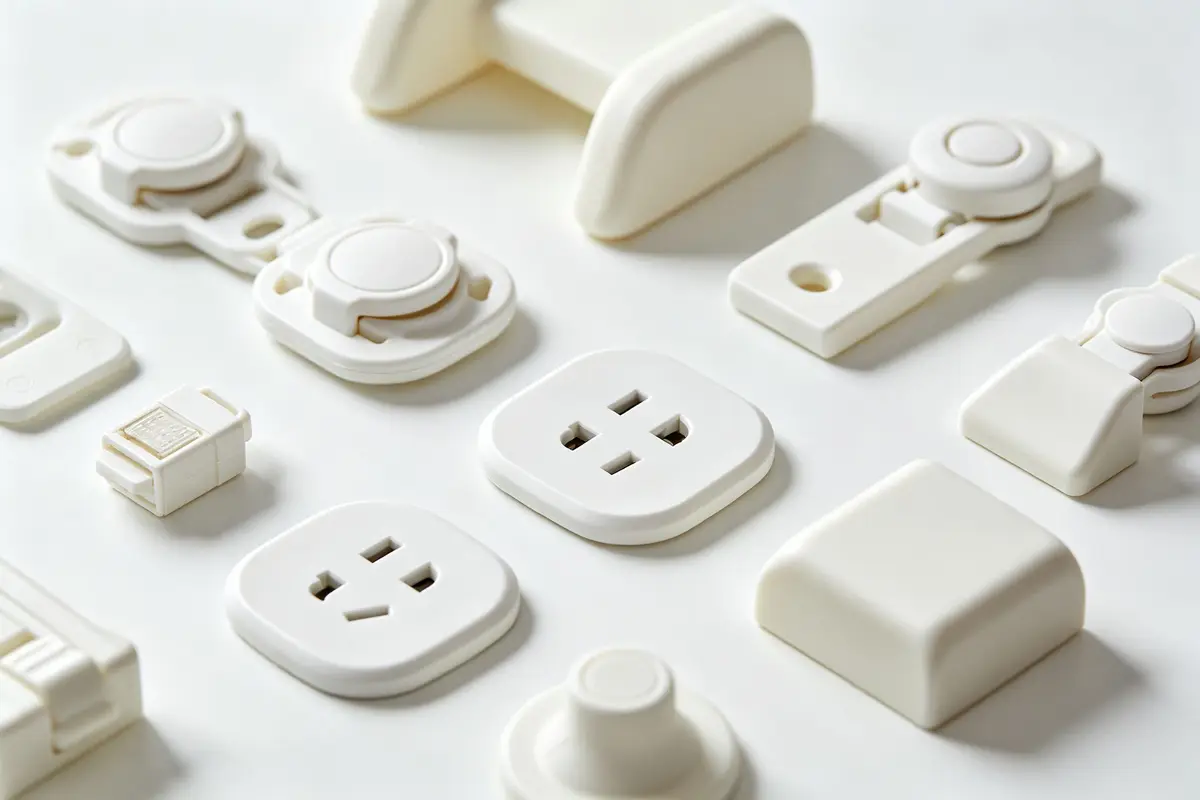
- Cover electrical outlets: Use outlet covers or sliding outlet covers on all unused outlets. Standard plastic plug covers can be a choking hazard if baby removes them, so consider sliding covers or outlet plates that are more secure.
- Remove small objects: Go through the room and remove anything small enough to fit through a toilet paper roll (a good choking hazard test). This includes coins, buttons, batteries, pen caps, small toy parts, jewelry, and decorative items. Be thorough—babies find the smallest things.
- Secure window blinds cords: Cords from window blinds and curtains are a strangulation hazard. Use cordless blinds or cord wraps/shorteners to keep cords out of reach. Never place a crib, playpen, or high chair near a window with cords.
- Use a play yard or gate: Consider using a play yard or baby gate to create a safe play area, especially if you can't constantly supervise. This gives baby a safe space to play while you cook, use the bathroom, or take a quick break.
- Secure area rugs: Use non-slip rug pads under area rugs to prevent them from sliding when baby crawls or walks on them.
- Remove toxic plants: Many common houseplants are toxic if ingested. Remove or place out of reach any toxic plants (philodendron, pothos, peace lily, oleander, etc.).
Kitchen
The kitchen is one of the most dangerous rooms in the house for babies, with sharp objects, hot surfaces, cleaning supplies, and heavy appliances. Ideally, keep baby out of the kitchen while you're cooking, but if that's not possible, here's how to make it safer.
- Use a stove guard: A stove guard is a clear plastic or metal barrier that attaches to the front of the stove, preventing baby from reaching up and touching hot burners or pulling pots off the stove. This is one of the most important kitchen safety items.
- Turn pot handles inward: When cooking, always turn pot and pan handles toward the back of the stove, so baby can't reach up and pull them down. Use back burners whenever possible.
- Lock cleaning supplies: All cleaning supplies, dish soap, laundry detergent, and other chemicals should be stored in a locked cabinet or placed out of reach (high up, not under the sink). Use cabinet locks or childproof latches on all lower cabinets that contain hazardous items. Consider moving cleaning supplies to a high cabinet entirely—don't rely on locks alone, as determined toddlers can figure them out.
- Secure knives and sharp objects: Store knives in a locked drawer or a knife block placed out of reach. Never leave knives on the counter or in the dishwasher where baby can reach them.
- Use appliance locks: Use appliance locks on the refrigerator, oven, microwave, and dishwasher. Babies love to open doors and pull things out, and an open oven or refrigerator can be dangerous.
- Keep trash secured: Use a trash can with a secure lid or store it in a locked cabinet. Trash can contain food scraps, sharp objects, plastic bags, and other hazards.
- Never leave hot items unattended: Never leave a hot cup of coffee or tea, a hot pan, or a hot appliance within baby's reach. Babies are fast—they can reach up and pull something down in a split second. Use placemats instead of tablecloths (baby can pull a tablecloth and everything on it).
- Use a high chair safely: Always use the safety harness when baby is in the high chair, and never leave baby unattended. Make sure the high chair is stable and won't tip over. Keep the high chair away from counters, tables, and walls that baby can push off from.
Bathroom
The bathroom presents unique hazards: water, slippery surfaces, medications, and electrical appliances. Never leave baby alone in the bathroom, even for a second.
- Never leave baby alone in the bath: This is the most important bathroom safety rule. Drowning can happen in as little as 2.5 cm (1 inch) of water, and it happens silently. Never leave baby alone in the bathtub, even for a second to answer the phone or grab a towel. If you must leave, take baby with you.
- Check water temperature: Set your water heater to 49°C (120°F) or lower to prevent scalding. Always test the water temperature with your elbow or a bath thermometer before putting baby in—the water should feel warm, not hot. Aim for 37-38°C (98-100°F). For a complete guide to bath safety, see our baby bath safety guide.
- Use a non-slip bath mat: Place a non-slip mat in the bathtub to prevent baby from slipping. Also use a non-slip rug outside the tub to prevent slips on wet floors.
- Lock medications: All medications (prescription and over-the-counter), vitamins, and supplements should be stored in a locked cabinet or placed high out of reach. Child-resistant packaging is not childproof—determined toddlers can open it. Never leave medications on the counter or bedside table. Keep medications in their original containers with labels intact.
- Secure personal care products: Hair products, skincare products, mouthwash, toothpaste, and other personal care items should be stored out of reach. Many of these products are toxic if ingested in large quantities.
- Use a toilet lock: A toilet lock prevents baby from lifting the lid and potentially falling in or playing in the water. Toilets are a drowning hazard for small babies.
- Unplug electrical appliances: Hair dryers, curling irons, electric razors, and other electrical appliances should be unplugged and stored out of reach when not in use. Never use electrical appliances near water, and consider installing GFCI outlets in the bathroom.
- Keep the bathroom door closed: Use a door knob cover or hook-and-eye lock high on the door to keep baby out of the bathroom when it's not in use. This is one of the simplest and most effective bathroom safety measures.
Bedroom / Nursery
The nursery should be a safe haven for sleep, but there are still hazards to address.
- Follow safe sleep guidelines: Put baby to sleep on their back, on a firm, flat sleep surface (crib or bassinet) with a fitted sheet only. No pillows, blankets, stuffed animals, bumpers, or other soft items in the crib. Use a wearable blanket (sleep sack) instead of a loose blanket. Share a room with baby for at least the first 6 months (but not the same bed). Avoid overheating—keep the room at a comfortable temperature and dress baby in light clothing. These guidelines reduce the risk of SIDS (sudden infant death syndrome) and sleep-related deaths.
- Anchor furniture: Just like in the living room, anchor all dressers, bookcases, and changing tables to the wall. Babies can pull themselves up on furniture and cause it to tip over.
- Secure the changing table: Always use the safety strap on the changing table, and never leave baby unattended—even for a second. Keep all diapering supplies (wipes, diapers, cream) within arm's reach but not within baby's grasp. Consider changing baby on the floor for maximum safety once they start rolling or wiggling. I always kept gentle baby wipes and premium diapers within easy reach at the changing station.
- Cover outlets and secure cords: Same as the living room—cover all outlets and keep electrical cords (lamp cords, monitor cords, phone chargers) out of reach.
- Use cordless window coverings: If the nursery has blinds or curtains with cords, replace them with cordless options or use cord shorteners. Cords are a strangulation hazard, and the crib should never be placed near a window with cords.
- Keep small objects out of the crib: Once baby can sit up or pull themselves up, remove mobiles, crib gyms, and other hanging toys. Never put plastic bags, balloons, or small objects in or near the crib.
- Secure the dresser drawers: Use drawer locks or stops to prevent baby from pulling drawers all the way out (which can cause injury or be used as steps to climb).
- Use a baby monitor safely: Place the baby monitor at least 1 meter (3 feet) away from the crib, and secure the cord so baby can't reach it. Never place a monitor inside the crib or on the crib rail.
Stairs and Hallways
- Install safety gates: Use hardware-mounted safety gates at the top and bottom of stairs. Pressure-mounted gates are not safe at the top of stairs—they can be pushed over. Use gates with a straight bottom bar (no trip bar) at the top of stairs. Make sure the gate is properly installed and can't be dislodged by a determined toddler.
- Install handrails: Make sure stairs have sturdy handrails on both sides. If baby is learning to walk, they'll use the handrail for support.
- Use non-slip stair treads: If stairs are hardwood or tile, add non-slip treads to prevent slips and falls.
- Keep stairs clear: Never leave toys, shoes, or other objects on the stairs—they're a tripping hazard for both you and baby.
- Install a door at the top of stairs: If possible, install a door with a lock at the top of the stairs as an extra barrier.
General Home Safety
- Install smoke detectors and carbon monoxide detectors: Install smoke detectors on every level of the home and outside each sleeping area. Install carbon monoxide detectors near sleeping areas. Test them monthly and replace batteries annually. Consider having a fire extinguisher on each level, especially near the kitchen.
- Create an emergency plan: Have a fire escape plan with two ways out of each room, and practice it with your family. Keep emergency phone numbers posted near the phone. Know the location of the nearest hospital emergency room.
- Set the water heater temperature: As mentioned in the bathroom section, set the water heater to 49°C (120°F) or lower to prevent scalding throughout the house.
- Use door knob covers: Use door knob covers on doors leading to dangerous areas (bathroom, garage, basement, outside). This prevents baby from wandering into these areas unsupervised.
- Secure doors and windows: Use window guards or window stops on windows above the first floor to prevent falls. Never rely on window screens—they're not strong enough to prevent a fall. Keep furniture away from windows so baby can't climb up. Use door stoppers or door pinch guards to prevent fingers from getting slammed in doors.
- Keep garage and workshop areas off-limits: Tools, chemicals, paint, gasoline, and other hazardous items should be stored in a locked garage or workshop that baby cannot access. Never leave power tools or sharp tools unattended.
- Be careful with plastic bags: Plastic bags (including grocery bags, dry cleaning bags, and product packaging) are a suffocation hazard. Keep them out of reach and dispose of them properly. Never use plastic bags as mattress covers or in the crib.
- Supervise, supervise, supervise: No amount of baby proofing replaces active supervision. Baby proofing reduces risk, but it doesn't eliminate it. Always keep an eye on your baby, especially in new environments or when they're developing new skills.
Article Summary
Baby proofing is about creating a safe environment where your baby can explore and learn without constant fear of injury. Start before baby becomes mobile (by 4-5 months), get down on your hands and knees to see the world from baby's perspective, and re-evaluate regularly as baby develops new skills. The most critical steps are: anchoring all heavy furniture and TVs to the wall (tip-overs are a leading cause of serious injury), installing hardware-mounted safety gates at the top and bottom of stairs, locking up all medications, cleaning supplies, and chemicals, never leaving baby alone in the bath or on a changing table, following safe sleep guidelines (back to sleep, firm flat surface, no soft items), covering electrical outlets and securing cords, removing small choking hazards, and using cordless window coverings or securing cords. Remember that baby proofing is an ongoing process, not a one-time task, and no amount of baby proofing replaces active supervision. With a little effort and attention to detail, you can create a home where your baby can safely explore, learn, and grow.
Frequently Asked Questions
What are the most important baby safety tips for the home?
Key home safety tips include: put your baby to sleep on their back in a crib with a firm mattress and no loose bedding, pillows, or stuffed animals; install smoke and carbon monoxide detectors; cover electrical outlets; secure heavy furniture and TVs to the wall; use safety gates at the top and bottom of stairs; keep small objects, choking hazards, and toxic substances out of reach; and never leave your baby unattended on a high surface like a changing table or bed.
How do I baby-proof each room?
In the nursery: secure the dresser, use cordless window coverings, and keep the crib bare. In the bathroom: set the water heater to 120°F (49°C), use toilet locks, and store medications and cleaning products out of reach. In the kitchen: use stove knob covers, keep sharp objects and hot items away from edges, and use cabinet locks. In the living room: anchor furniture, cover sharp corners, and secure window blind cords. Do a room-by-room crawl at your baby's eye level to spot hazards.
Is it safe to use secondhand baby gear?
Some secondhand gear is safe, but always check for recalls and expiration dates. Car seats should never be used if they're expired, were in a crash, or are missing parts — when in doubt, buy new. Cribs should meet current safety standards (no drop-side rails, slats no more than 2 3/8 inches apart). High chairs, strollers, and play yards are generally safe secondhand if they're clean, intact, and not recalled. Always clean secondhand items thoroughly before use.
What should be in my baby first aid kit?
A basic baby first aid kit should include: infant acetaminophen (and ibuprofen for 6 months+), digital thermometer, nasal aspirator, saline drops, tweezers, bandages in various sizes, antiseptic wipes, gauze pads, medical tape, scissors with rounded tips, a bulb syringe, oral medicine syringe, instant cold pack, and a first aid guide. Keep the kit in a designated place that's out of children's reach but easily accessible to adults. Check expiration dates regularly and replace items as needed.
Frequently Asked Questions
When should I start baby proofing my home?
Start baby proofing before your baby becomes mobile, ideally by 4-5 months, before they start rolling, scooting, or crawling. By the time baby is on the move, the house should be ready. But it's never too late—even if your baby is already crawling or walking, go through a baby proofing checklist and address hazards. Remember that baby proofing is an ongoing process, not a one-time task. Re-evaluate your home every few months as baby develops new skills (crawling, climbing, opening doors, reaching higher), and get down on your hands and knees to see the world from baby's perspective.
What are the most important baby proofing items?
The most critical baby proofing items are: furniture anchors/wall straps (to prevent tip-overs of dressers, bookcases, and TVs—this is the #1 safety priority), hardware-mounted safety gates (at the top and bottom of stairs; pressure-mounted gates are not safe at the top of stairs), stove guard (to prevent burns from hot pots and pans), cabinet and drawer locks (for cleaning supplies, medications, and sharp objects), outlet covers or sliding outlet plates, corner and edge guards (for sharp furniture corners), cordless window coverings or cord shorteners (to prevent strangulation), toilet locks, door knob covers (for doors leading to dangerous areas), and a non-slip bath mat. Smoke detectors and carbon monoxide detectors are also essential.
How do I baby proof my kitchen safely?
Key kitchen safety steps: install a stove guard to prevent baby from reaching hot burners and pots; always turn pot handles inward and use back burners; store all cleaning supplies, dish soap, and chemicals in a locked cabinet or high out of reach (don't rely solely on under-sink locks); store knives in a locked drawer or out-of-reach knife block; use appliance locks on the refrigerator, oven, microwave, and dishwasher; use a trash can with a secure lid or store it in a locked cabinet; never leave hot drinks, pans, or appliances within baby's reach; use placemats instead of tablecloths (baby can pull them); always use the high chair safety harness and never leave baby unattended; and ideally keep baby out of the kitchen while cooking using a play yard or gate.
Is baby proofing enough, or do I still need to supervise?
Baby proofing reduces risk but does not eliminate it—active supervision is always essential. No baby proofing system is foolproof: determined toddlers can figure out locks, climb over gates, and find hazards you missed. Baby proofing is meant to give you a safety buffer, not replace watching your baby. Always supervise baby, especially in new environments, near water, in the kitchen, and when they're developing new skills. Use baby proofing as a tool to make supervision easier and the environment safer, but never rely on it alone. The combination of a well-baby-proofed home and attentive supervision gives your baby the safest possible environment to explore and grow.