
2026-09-14 · Moni Happy Editorial
Baby Separation Anxiety: What It Is & How to Cope Gently
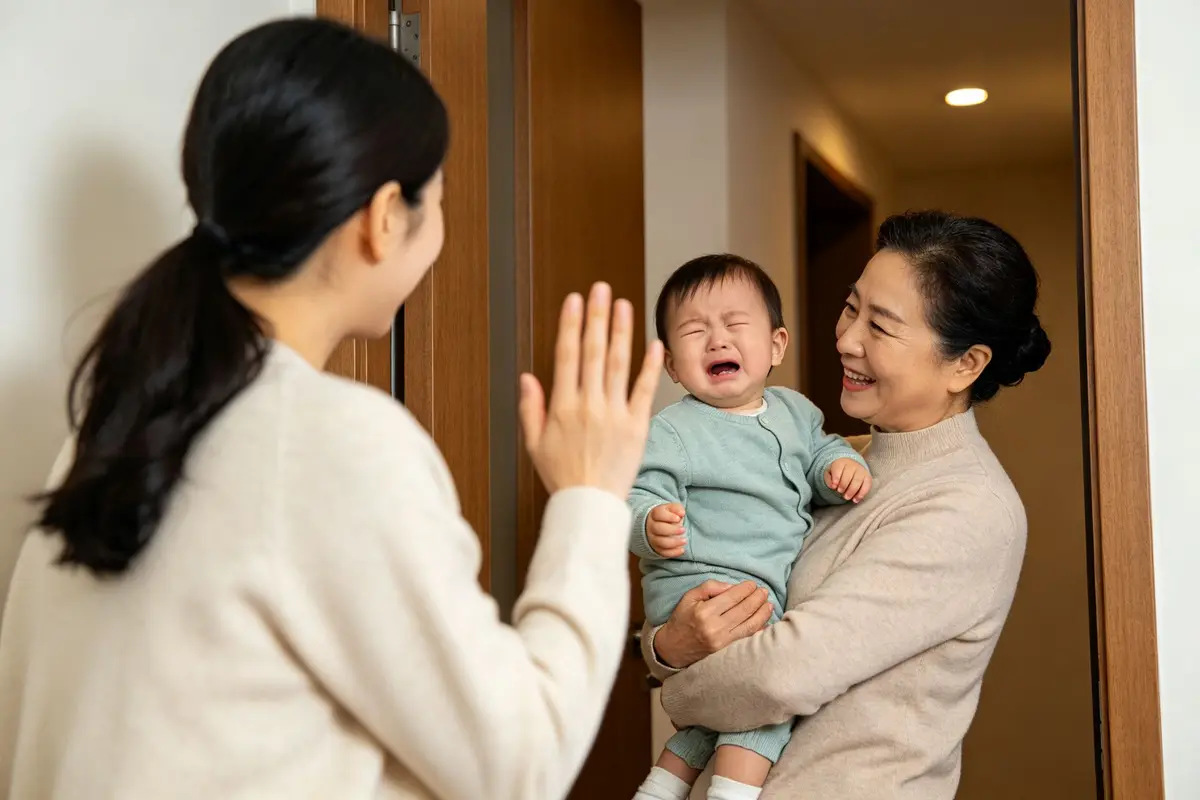
The first time I left my baby with a caregiver, I expected to feel relieved. Instead, I stood outside the door listening to her scream, my heart breaking, wondering if I was scarring her for life. What I did not know then is that separation anxiety is a normal, healthy developmental milestone — it means your baby has formed a secure attachment and understands that you exist even when you are not in the room. In this guide, I share what separation anxiety looks like, when it peaks, and gentle strategies that helped both of us cope.
What is separation anxiety and when does it happen?
Separation anxiety is a baby's distress when separated from their primary caregiver. It is a sign that your baby has developed object permanence — the understanding that people and things continue to exist even when they cannot be seen. This is a major cognitive leap and a sign of healthy emotional development. Separation anxiety typically begins around 6-8 months, peaks between 10-18 months, and gradually improves by age 2-3, though it can resurface during stressful times or developmental changes. You may notice: your baby crying or clinging when you leave, refusing to be held by others, waking at night crying for you, following you from room to room, and becoming upset even when you step into another room briefly. Our separation anxiety peaked around 12 months — every time I walked to the kitchen, my baby would crawl after me, crying. It was exhausting, but I learned to see it as a sign of love rather than a problem to fix.
What causes separation anxiety to worsen?
Separation anxiety can worsen during times of change or stress. Common triggers include: new caregivers or daycare starts, moving to a new home, a new sibling, parental stress or absence, illness or hospitalization, travel or changes in routine, and developmental leaps. In our case, starting daycare at 12 months triggered a major spike. The first two weeks were brutal — tears at drop-off, calls from the daycare saying she would not stop crying, and a very clingy baby at home. What helped was consistency, a gradual transition, and lots of reassurance. It is also important to note that some babies are naturally more sensitive to separation than others, and that is okay. Temperament plays a role, and there is a wide range of normal.
What strategies help with separation anxiety?
These are the strategies that worked for us, backed by what pediatricians recommend. First, practice short separations early and often. Start with brief moments — step out of the room for 30 seconds, then come back. Gradually increase the time. This helps your baby learn that you always come back. Second, develop a consistent goodbye ritual. A predictable routine — a hug, a kiss, a special phrase like "I love you, see you soon" — helps your baby feel secure and know what to expect. Keep it short and sweet; prolonged goodbyes can make it harder. Third, never sneak away. This is tempting, but it erodes trust. If your baby discovers you are gone without a goodbye, it can increase anxiety. Always say goodbye, even if it means tears. Fourth, offer a comfort object. A lovey — a soft blanket, stuffed animal, or even a shirt that smells like you — can provide comfort when you are not there. Make sure it is safe for sleep (no loose parts, appropriate size). We used a small soft baby towel that smelled like my lotion as a transitional object. Fifth, be consistent with caregivers. If possible, use the same caregiver or daycare consistently rather than frequent changes. Familiarity builds security. Sixth, validate your baby's feelings. Say things like "I know you feel sad when mommy leaves. I will come back. I love you." Even if your baby cannot understand all the words, your calm, empathetic tone is reassuring. Seventh, take care of yourself. Separation anxiety is hard on parents too. It is okay to feel guilty or sad. Find support, talk to other parents, and remember that this is a phase. Your baby's secure attachment is a gift that will serve them well throughout life.
When is separation anxiety a concern?
Separation anxiety is normal, but there are some signs that may warrant professional attention. Consult your pediatrician or a child psychologist if: your baby's anxiety is so severe that it prevents them from participating in normal activities (play, eating, sleeping); the anxiety persists beyond age 3-4 with no improvement; your baby shows extreme fear or panic that seems out of proportion; there are other concerning behaviors like regression (loss of previously acquired skills), excessive clinginess to the point of not wanting to be put down at all, or signs of trauma; or you as a parent are struggling to cope and need support. In most cases, separation anxiety is a normal phase that improves with time, consistency, and gentle support. But if you are concerned, there is no harm in seeking professional guidance. Early intervention can make a big difference.
FAQ
Q: At what age does separation anxiety peak?
A: Separation anxiety typically begins around 6-8 months, peaks between 10-18 months, and gradually improves by age 2-3. It can resurface during times of stress, change, or developmental leaps.
Q: Should I feel guilty about leaving my baby?
A: It is normal to feel guilty, but separation is a healthy part of development. Your baby needs to learn that you will return, and brief, consistent separations help build this trust. Taking time for yourself makes you a better parent. Your baby's secure attachment is a strength, not a problem.
Q: How can I make daycare drop-off easier?
A: Develop a short, consistent goodbye ritual. Arrive a few minutes early to settle in. Stay calm and positive — your baby picks up on your emotions. Give a hug and kiss, say your special phrase, and leave confidently. Do not linger or come back once you have said goodbye. Trust the caregivers and check in later if needed.
Q: Is it okay to let my baby cry when I leave?
A: Some crying is normal and expected during separation anxiety. What matters is that your baby is safe, comforted by a familiar caregiver, and learns that you will return. Brief distress at goodbye that resolves quickly after you leave is normal. If your baby is inconsolable for long periods or the anxiety seems extreme, consult your pediatrician.
Summary
Separation anxiety is a normal, healthy developmental milestone that typically begins around 6-8 months, peaks at 10-18 months, and improves by age 2-3. It means your baby has formed a secure attachment and understands object permanence. Helpful strategies include practicing short separations, developing a consistent goodbye ritual, never sneaking away, offering a comfort object, being consistent with caregivers, validating your baby's feelings, and taking care of yourself. Most cases resolve with time and patience. Consult a professional if anxiety is severe, persistent beyond age 3-4, or accompanied by other concerning behaviors. You are doing a great job, mama — those tears are a sign of love.
Frequently Asked Questions
At what age does separation anxiety peak?
Separation anxiety typically begins around 6-8 months, peaks between 10-18 months, and gradually improves by age 2-3. It can resurface during times of stress, change, or developmental leaps.
Should I feel guilty about leaving my baby?
It is normal to feel guilty, but separation is a healthy part of development. Your baby needs to learn that you will return, and brief, consistent separations help build this trust. Taking time for yourself makes you a better parent. Your baby's secure attachment is a strength, not a problem.
How can I make daycare drop-off easier?
Develop a short, consistent goodbye ritual. Arrive a few minutes early to settle in. Stay calm and positive — your baby picks up on your emotions. Give a hug and kiss, say your special phrase, and leave confidently. Do not linger or come back once you have said goodbye. Trust the caregivers and check in later if needed.
Is it okay to let my baby cry when I leave?
Some crying is normal and expected during separation anxiety. What matters is that your baby is safe, comforted by a familiar caregiver, and learns that you will return. Brief distress at goodbye that resolves quickly after you leave is normal. If your baby is inconsolable for long periods or the anxiety seems extreme, consult your pediatrician.