
2026-09-01 · Moni Happy Editorial Team
Baby Skin Conditions: Eczema, Heat Rash & Diaper Rash Guide for Parents
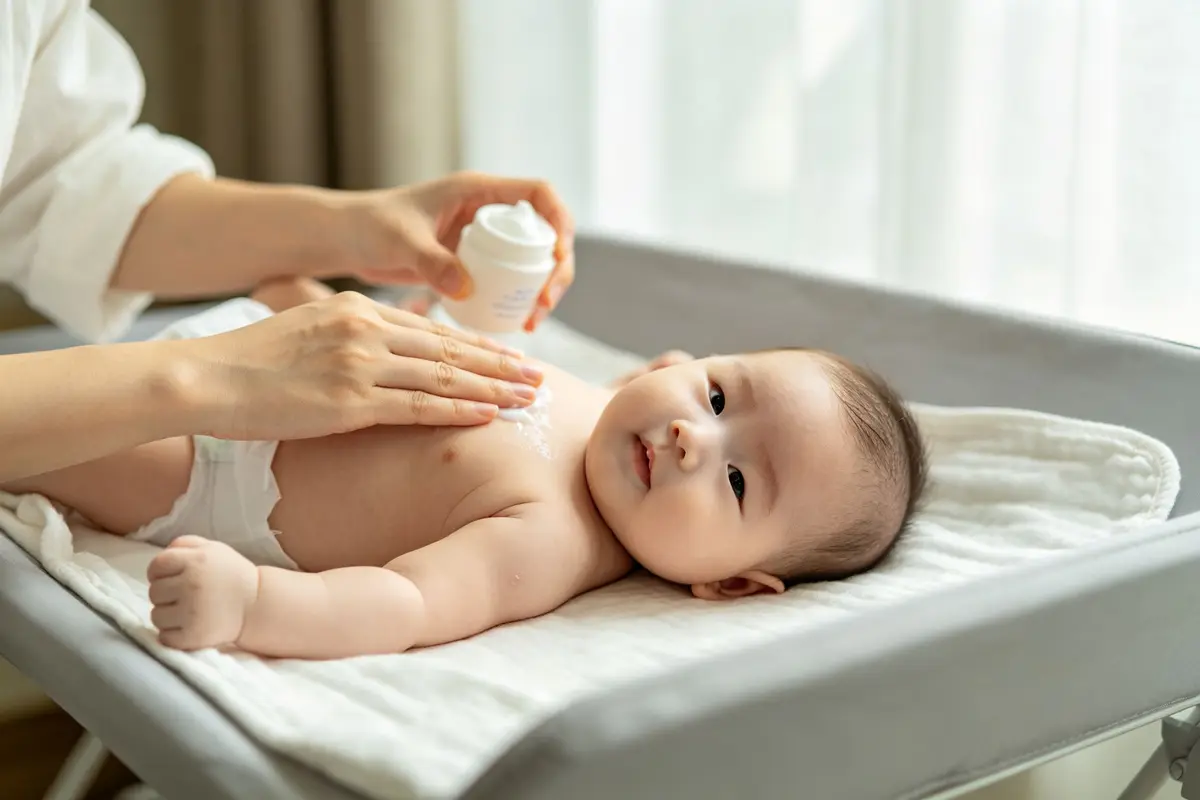
Baby Skin Conditions: Eczema, Heat Rash & Diaper Rash Guide for Parents
When my first baby was about 2 months old, I noticed red, scaly patches on her cheeks and behind her knees. I panicked—was it an allergic reaction? Was I using the wrong lotion? Did I do something wrong? A trip to the pediatrician revealed it was just baby eczema, extremely common and very treatable. Over the next few years, I dealt with eczema, heat rash, diaper rash, cradle cap, and more. Here's what I learned about identifying, treating, and preventing the most common baby skin conditions.
Why Is Baby Skin So Sensitive?
Baby skin is fundamentally different from adult skin. It's thinner, more permeable, and has a weaker skin barrier. This means it loses moisture more easily, is more susceptible to irritants and allergens, and is more prone to rashes and infections. A baby's skin is also more sensitive to temperature changes, which is why heat rash is so common in warm climates.
On top of that, a baby's immune system is still developing, so it may overreact to things that wouldn't bother an adult—certain fabrics, soaps, detergents, even saliva. The good news is that most baby skin conditions are harmless, temporary, and easy to manage with the right approach.
Baby Eczema (Atopic Dermatitis)
Eczema is the most common chronic skin condition in babies, affecting about 15-20% of children. It usually appears between 2 and 6 months of age and is characterized by dry, red, itchy, scaly patches. In babies, eczema most commonly appears on the cheeks, scalp, forehead, and behind the ears, but it can appear anywhere on the body.
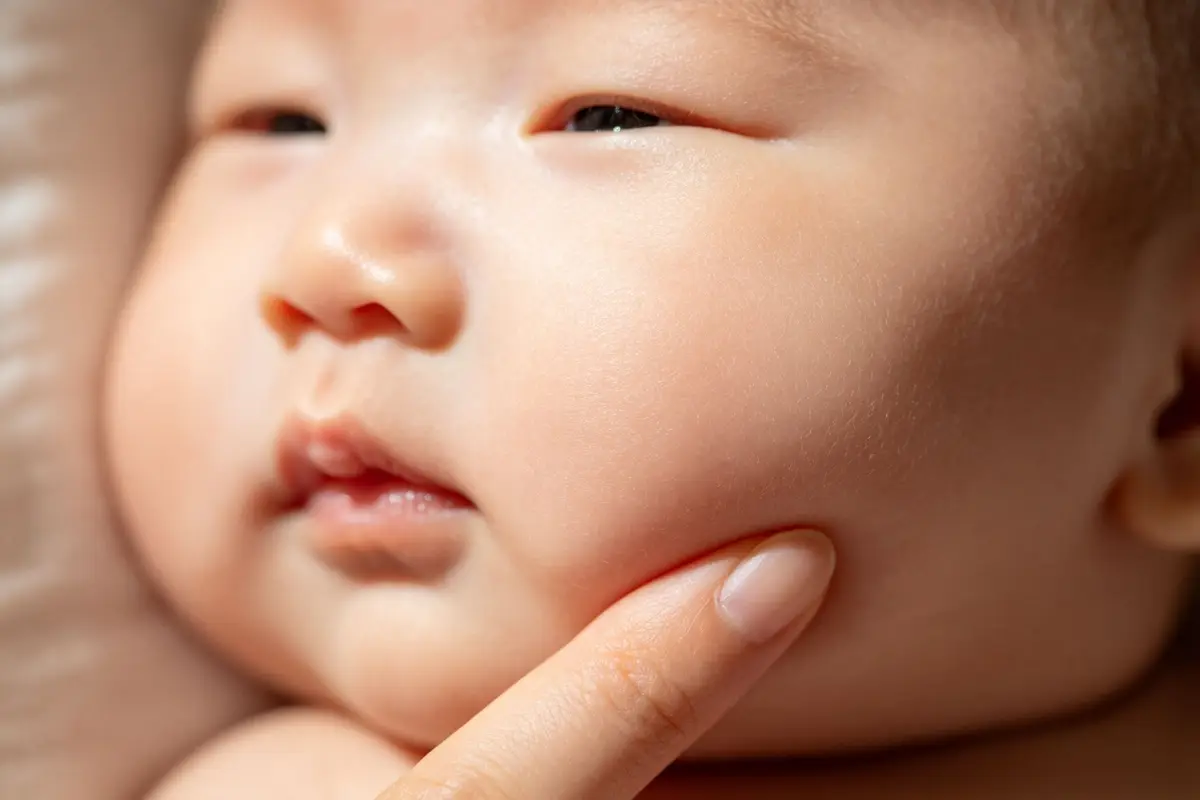
What Causes Baby Eczema?
Eczema is caused by a combination of genetic and environmental factors. Babies with a family history of eczema, asthma, or allergies are more likely to develop it. The condition is linked to a genetic mutation that affects the skin's barrier function, allowing moisture to escape and irritants to enter. Common triggers include dry air, harsh soaps, certain fabrics (wool, polyester), heat, sweat, and food allergies (though food allergy is the cause in only a minority of cases).
How to Treat Baby Eczema
The cornerstone of eczema treatment is moisturizing—lots of it, and frequently. Here's what worked for my kids:
- Bathe correctly: Use lukewarm (not hot) water, keep baths short (5-10 minutes), and use a gentle, fragrance-free cleanser only on dirty areas (diaper area, hands, neck). Don't use soap all over the body—it dries the skin.
- Moisturize immediately: Pat baby dry gently (don't rub) and apply a thick, fragrance-free moisturizer within 3 minutes of bathing to lock in moisture. I used ointments and creams rather than lotions, which are thinner and less effective. Apply moisturizer at least twice a day, more often if the skin is very dry.
- Use the right products: Look for products labeled "fragrance-free" (not "unscented," which may contain masking fragrances), hypoallergenic, and pediatrician-tested. Avoid products with alcohol, parabens, phthalates, and synthetic dyes.
- Dress in soft fabrics: Use 100% cotton clothing and bedding. Avoid wool, polyester, and other synthetic fabrics that can irritate the skin. Wash new clothes before wearing to remove manufacturing chemicals.
- Use a humidifier: Dry air can worsen eczema. A cool-mist humidifier in baby's room can help, especially during dry seasons or in air-conditioned rooms.
- Topical steroids: For flare-ups, your pediatrician may prescribe a mild topical steroid cream. Use it exactly as directed—don't be afraid of it. When used correctly, topical steroids are safe and effective for treating eczema flare-ups. Apply the steroid first, then moisturizer on top.
- Prevent scratching: Keep baby's nails short and consider using mittens at night to prevent scratching, which can worsen eczema and lead to infection.
When to See a Doctor
Most eczema can be managed at home, but see your pediatrician if: the rash is widespread or severe, it doesn't improve with moisturizing after 1-2 weeks, it appears infected (oozing, crusting, pus, increased redness, warmth), or baby seems very uncomfortable or isn't sleeping. In severe cases, your pediatrician may refer you to a pediatric dermatologist.
Heat Rash (Prickly Heat / Miliaria)
Heat rash is extremely common in babies, especially in warm, humid climates. It happens when sweat glands become blocked, trapping sweat under the skin. Heat rash appears as tiny red bumps or clear blisters, usually on areas covered by clothing: the neck, chest, back, armpits, and diaper area. It can be itchy or prickly (hence the name "prickly heat"), but it's usually not serious.
What Causes Heat Rash?
Heat rash is caused by overheating and sweating. Babies are more prone to heat rash because their sweat glands are smaller and less efficient than adults', and they can't regulate their body temperature as well. Common triggers include: dressing baby too warmly, being in a hot, humid environment, fever, and using thick ointments or creams that block sweat glands.
How to Treat and Prevent Heat Rash
- Cool down: Move baby to a cooler environment, remove excess clothing, and use a cool (not cold) washcloth on the affected area.
- Keep skin dry: Pat the area dry gently. Avoid using thick creams or ointments on heat rash, as they can trap moisture and worsen it.
- Dress lightly: Use loose-fitting, breathable cotton clothing. In hot weather, a diaper and a thin cotton onesie may be all baby needs.
- Avoid overheating: Check baby's temperature by feeling the back of their neck or chest—if it's warm or sweaty, they're too hot. A good rule of thumb: dress baby in one more layer than you're comfortable wearing.
- Use air conditioning or fans: Keep the room at a comfortable temperature (around 24-26°C / 75-78°F). A fan can help circulate air, but don't point it directly at baby.
- Give cool baths: A lukewarm bath can help cool baby down and soothe heat rash. Keep it short and don't use soap on the affected area.
Heat rash usually clears up on its own within 2-3 days once the skin is cooled and kept dry. If it doesn't improve after a few days, appears infected, or baby develops a fever, see your pediatrician.
Diaper Rash
Diaper rash is the most common skin condition in babies—nearly every baby will get it at some point. It appears as red, irritated skin in the diaper area: the buttocks, thighs, and genital area. It can range from mild redness to severe, raw, bleeding skin.
What Causes Diaper Rash?
Diaper rash is primarily caused by prolonged exposure to moisture, urine, and stool. Other common causes and triggers include:
- Infrequent diaper changes: The longer baby sits in a wet or soiled diaper, the higher the risk of irritation.
- Diarrhea or frequent stools: Stool contains enzymes that can irritate the skin, and frequent stools mean more exposure.
- New foods: Starting solid foods or introducing new foods can change the composition of baby's stool, potentially causing irritation.
- Antibiotics: Antibiotics can disrupt the natural balance of bacteria, leading to yeast infections (which can cause diaper rash).
- Tight-fitting diapers: Diapers that are too tight can rub and chafe the skin, and they may not allow adequate air circulation.
- Irritating products: Scented wipes, harsh soaps, and certain diaper brands can irritate sensitive skin.
How to Treat and Prevent Diaper Rash
- Change diapers frequently: This is the most important step. Change baby's diaper as soon as it's wet or soiled—at least every 2-3 hours during the day, and once during the night if it's very wet.
- Clean gently: Use warm water and a soft cloth, or gentle, fragrance-free wipes. Avoid wipes with alcohol, fragrance, or harsh chemicals. I always used Moni Happy sensitive skin wipes—they're gentle enough for daily use and don't contain irritating ingredients. Pat dry gently, don't rub.
- Air dry: Let baby go diaper-free for a few minutes each day to let the skin breathe. Lay baby on a towel or waterproof mat—expect some accidents!
- Use a barrier cream: Apply a thick layer of zinc oxide ointment or petroleum jelly at every diaper change to create a protective barrier between the skin and moisture. For mild rash, a thin layer is enough; for more severe rash, use a thicker layer.
- Choose the right diaper: Look for diapers that are breathable, super absorbent, and free from harsh chemicals. A diaper with a mildly acidic pH that matches healthy skin can help prevent irritation. I recommend Moni Happy premium diapers—they're ultra-breathable, absorb quickly, and are gentle on sensitive skin.
- Avoid irritants: Skip scented wipes, scented diaper creams, and harsh soaps. Use a gentle, fragrance-free cleanser only when necessary.
- Don't use powder: Baby powder (talcum or cornstarch) is not recommended—it can be inhaled and cause respiratory issues, and it doesn't effectively prevent or treat diaper rash.
Yeast Diaper Rash
If diaper rash doesn't improve after 2-3 days of standard treatment, or if it appears as bright red, well-defined patches with satellite spots (small red dots around the edges), it may be a yeast infection (candidiasis). Yeast rash thrives in warm, moist environments and is common after antibiotic use. Treatment requires an antifungal cream (such as nystatin or clotrimazole), which your pediatrician can prescribe. Continue using barrier cream on top of the antifungal.
Cradle Cap (Seborrheic Dermatitis)
Cradle cap is another common baby skin condition, appearing as greasy, yellowish scales or crusts on the scalp. It usually appears in the first few months of life and is harmless, though it can look alarming. Cradle cap is caused by overactive sebaceous glands (stimulated by maternal hormones still in baby's system) and a naturally occurring yeast called Malassezia.
Treatment is simple: gently massage baby's scalp with baby oil or coconut oil to soften the scales, wait 10-15 minutes, then gently brush with a soft baby brush or comb to remove the loosened scales. Wash with a gentle baby shampoo afterward. Don't pick at the scales—this can cause bleeding and infection. Cradle cap usually clears up on its own by 6-12 months. If it's severe, spreads to the face or body, or appears infected, see your pediatrician.
Baby Acne
Baby acne appears as small red or white bumps on baby's face (cheeks, nose, forehead), usually appearing at 2-4 weeks of age. It's caused by maternal hormones still circulating in baby's system, which stimulate the oil glands. Baby acne is harmless and doesn't require treatment—just wash baby's face with warm water and gentle cleanser, and don't pick or squeeze the bumps. It usually clears up on its own by 3-4 months. If it persists beyond 6 months or appears severe, see your pediatrician.
Article Summary
Baby skin is thinner, more sensitive, and more prone to rashes than adult skin, but most baby skin conditions are harmless and easy to manage. Eczema requires frequent moisturizing with thick, fragrance-free creams, lukewarm baths, and soft cotton clothing. Heat rash is caused by overheating—cool baby down, keep skin dry, and dress in lightweight cotton. Diaper rash is prevented by frequent changes, gentle cleaning, air drying, and barrier creams; if it doesn't improve, it may be a yeast infection requiring antifungal treatment. Cradle cap and baby acne are harmless and usually clear up on their own. When in doubt, always consult your pediatrician—especially if a rash is severe, persistent, appears infected, or is accompanied by fever. And remember: a good skincare routine with gentle, fragrance-free products goes a long way in keeping baby's skin healthy and happy.
Frequently Asked Questions
How often should I change my baby's diaper?
Change wet diapers every 2-3 hours during the day, and change dirty diapers as soon as possible. At night, you don't need to wake a sleeping baby for a wet diaper unless it's leaking or causing irritation. Newborns may need 10-12 changes a day, while older babies need 6-8.
What causes diaper rash and how do I treat it?
Diaper rash is usually caused by prolonged moisture, friction, or irritation from urine and stool. To treat it, change diapers frequently, clean the area gently with warm water (avoid scented wipes), let the skin air dry, and apply a thick layer of zinc oxide ointment. If the rash doesn't improve in 2-3 days, looks severe, or is accompanied by fever, see your pediatrician.
How do I know when to size up diapers?
Signs it's time to size up include: the diaper is too snug around the waist or thighs, you can't fit two fingers under the waistband, the diaper doesn't cover the baby's bottom fully, or you're experiencing frequent leaks. Most diaper brands have weight guidelines on the package, but every baby is shaped differently — go by fit, not just weight.
Should I use diaper rash cream at every change?
You don't need to use cream at every change if your baby doesn't have rash. A thin layer of petroleum jelly or zinc oxide ointment can be used as a barrier during times when rash is more likely — like during teething, diarrhea, or hot weather. If your baby has active rash, apply a thick layer at every change until it clears.
Frequently Asked Questions
How do I know if my baby has eczema vs. heat rash vs. diaper rash?
Eczema appears as dry, red, itchy, scaly patches, usually on the cheeks, behind the knees, and in skin folds. Heat rash appears as tiny red bumps or clear blisters in areas covered by clothing (neck, chest, back, armpits), caused by overheating. Diaper rash appears as red, irritated skin specifically in the diaper area (buttocks, thighs, genital area), caused by prolonged exposure to moisture and stool. If you're unsure, your pediatrician can diagnose it with a quick visual exam.
What is the best treatment for baby eczema?
The cornerstone of eczema treatment is frequent moisturizing with thick, fragrance-free ointments or creams (not lotions), applied within 3 minutes of bathing and at least twice daily. Other key measures: lukewarm (not hot) baths of 5-10 minutes, gentle fragrance-free cleansers only on dirty areas, 100% cotton clothing, a cool-mist humidifier in dry environments, and keeping nails short to prevent scratching. For flare-ups, your pediatrician may prescribe a mild topical steroid cream, which is safe and effective when used as directed.
How can I prevent diaper rash?
The most important prevention step is frequent diaper changes—at least every 2-3 hours and immediately after bowel movements. Other key measures: clean gently with warm water or fragrance-free wipes (avoid scented or alcohol-based wipes), pat dry gently (don't rub), let baby go diaper-free for a few minutes each day to air dry, apply a thin layer of zinc oxide barrier cream at each change, use breathable super-absorbent diapers, and avoid tight-fitting diapers. If rash persists beyond 2-3 days or appears as bright red patches with satellite spots, it may be a yeast infection requiring antifungal treatment.
When should I take my baby to the doctor for a rash?
See your pediatrician if: the rash is severe, widespread, or doesn't improve with home treatment after 1-2 weeks; it appears infected (oozing, crusting, pus, increased redness, warmth, or streaks); baby has a fever along with the rash; the rash is accompanied by other symptoms like lethargy, poor feeding, or difficulty breathing; the rash appears suddenly and spreads rapidly (could be an allergic reaction); or baby seems very uncomfortable or in pain. When in doubt, it's always better to have it checked out.