
2026-08-31 · Moni Happy Editorial Team
Baby Teething Guide: Signs, Pain Relief & Care Tips for Parents
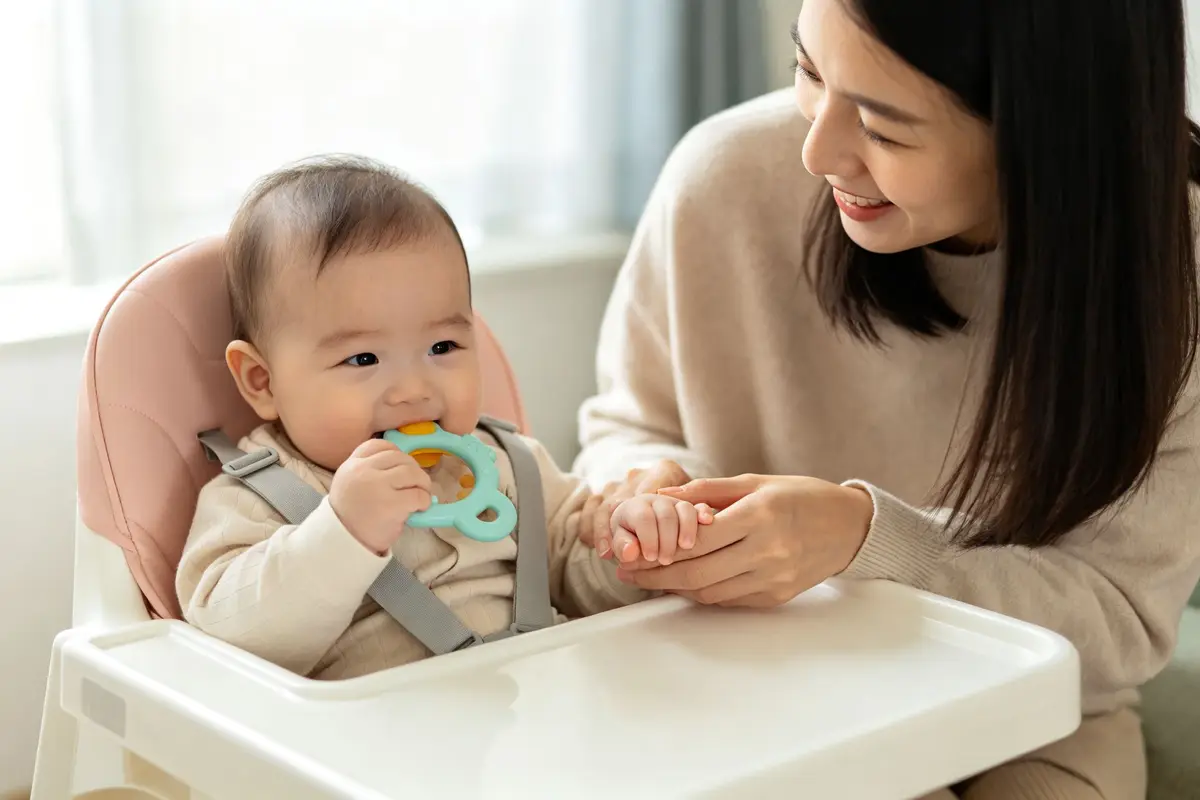
Teething turned my happy baby into a drooling, fussy mess—here's what actually helped
I'll never forget the week my daughter's first tooth came in. She went from the easiest baby on the block to a red-cheeked, drool-soaked creature who screamed every time I tried to nurse. I called my mom at 2 a.m. convinced something was seriously wrong. She laughed and said, "Welcome to teething."
Every baby goes through it, but that doesn't make it easier. After two kids and roughly eight teeth between them, I've learned what works, what doesn't, and when you actually need to worry. This guide covers everything from the first signs to pain relief that actually works.
When do babies start teething?
Most babies get their first tooth between 4 and 7 months old, but the range is wide—some babies are born with a tooth (called natal teeth), and others don't see a single pearly white until after their first birthday. Both are normal.
The lower front teeth (lower central incisors) usually come first, followed by the upper front teeth. By the time your baby turns three, they should have all 20 primary teeth. The full timeline looks roughly like this:
- 6-10 months: Lower front teeth
- 8-12 months: Upper front teeth
- 9-13 months: Upper lateral incisors (next to the front teeth)
- 10-16 months: Lower lateral incisors
- 13-19 months: First molars (back teeth for grinding)
- 16-23 months: Canine teeth (pointed teeth between incisors and molars)
- 23-33 months: Second molars
My first baby got her first tooth at 4 months and had a full mouth by 18 months. My second was 9 months before I saw a single tooth and didn't finish her molars until after age two. Same parents, totally different timelines. Don't compare your baby to the baby in your mom group.
What are the real teething signs?
Here's where it gets tricky. A lot of things get blamed on teething that aren't actually teething. The real, evidence-backed signs include:
- Excessive drooling: So much drool. My daughter went through four bibs a day. The extra saliva is nature's way of protecting the emerging tooth and soothing the gums.
- Chewing on everything: Fingers, toys, your shoulder, the remote control. Pressure on the gums actually counteracts the pressure of the tooth coming up, so it feels good.
- Irritability and fussiness: Especially in the day or two before a tooth breaks through the gum. The gum is swollen and tender.
- Gum swelling or redness: If you look inside your baby's mouth, you might see a raised, bluish area on the gum where the tooth is about to emerge. This is called an eruption cyst and is totally normal.
- Sleep disruption: Naps get shorter, nights get longer. The pain is often worse at night because there are fewer distractions.
- Rubbing the cheek or ear: The pain from teething can radiate to the ear and cheek, so babies often rub that area.
What's not a teething sign? A high fever (over 38°C/100.4°F), diarrhea, vomiting, or a rash all over the body. These are often blamed on teething but are actually signs of something else—an ear infection, a stomach bug, or a viral illness. If your baby has any of these, don't write it off as teething. Call your pediatrician.
What actually works for teething pain?
I tried everything. Here's what worked, what didn't, and what's actually dangerous:
What works:
- Cold teething toys: Put a silicone teething toy or a wet washcloth in the fridge (not the freezer) for 30 minutes, then let baby chew. The cold numbs the gums. My daughter loved the mesh feeders with frozen breast milk or formula inside—essentially a baby popsicle.
- Counter-pressure: Wash your hands and gently rub your baby's gums with a clean finger for 1-2 minutes. The pressure feels good. I did this before every feeding when my baby was refusing to nurse because of the pain.
- Infant acetaminophen (Tylenol): When the pain is bad—especially at night—infant acetaminophen is safe and effective when dosed correctly by weight. Always check the label and use the syringe that comes with the bottle, not a kitchen spoon. Ibuprofen (Motrin) is another option for babies over 6 months.
- Silicone teething necklaces for babies: The kind the baby wears, not the kind mom wears. They can chew on them safely. Just make sure it's BPA-free and has a breakaway clasp.
What doesn't work (or is dangerous):
- Teething gels with benzocaine: The FDA warns against using benzocaine-based teething gels in children under 2 because of a rare but serious condition called methemoglobinemia. Skip them.
- Frozen teething toys: Too cold can damage the delicate gum tissue. Fridge temperature is perfect; freezer is too much.
- Amber teething necklaces: No evidence they work, and they're a strangulation and choking hazard. The American Academy of Pediatrics strongly advises against them. I know they're popular on Instagram. Don't risk it.
- Whiskey or brandy on the gums: I know your grandma suggested it. Don't do it. Alcohol is dangerous for babies, even in small amounts.
Does teething cause fever and diarrhea?
This is the most persistent myth out there. Study after study has shown that teething may cause a slight rise in body temperature (less than 38°C/100.4°F), but it does not cause a true fever. And it definitely doesn't cause diarrhea.
Why does everyone think it does? Because the teething age (6-12 months) coincides with the age when babies start putting everything in their mouths, which means they're exposed to more germs. It also coincides with the loss of maternal antibodies and the start of daycare for many babies. So babies get sick around the same time they're teething, and parents naturally connect the two.
My rule: if your baby has a fever over 38°C, persistent diarrhea, vomiting, or seems genuinely unwell, it's not teething. Call the doctor. Better to be told it's nothing than to miss something real.
How do you care for baby's first teeth?
Oral care starts before the first tooth even appears. Here's what I learned:
- Before teeth erupt: Wipe your baby's gums with a clean, damp washcloth after feedings. This removes bacteria and gets them used to the routine.
- Once the first tooth appears: Start brushing with a soft-bristled infant toothbrush and a tiny amount of fluoride toothpaste—about the size of a grain of rice for babies under 3. Yes, fluoride is recommended by the AAP and WHO. No, it won't hurt them in that amount.
- Avoid baby bottle tooth decay: Never put your baby to bed with a bottle of milk, formula, or juice. The sugar pools around the teeth overnight and causes rapid decay. If your baby needs a bottle to sleep, use water only.
- First dental visit: The AAP recommends a first dental visit by the first birthday. It's usually a quick, friendly visit where the dentist checks for any issues and gives you tips on care.
- No juice before age 1: Juice offers no nutritional benefit for babies and contributes to tooth decay. Stick with breast milk, formula, and water.
Quick summary: teething essentials
- Timing: First tooth usually 4-7 months, but anywhere from birth to 12+ months is normal.
- Real signs: Drooling, chewing, fussiness, swollen gums, sleep disruption, cheek/ear rubbing.
- Not teething: Fever over 38°C, diarrhea, vomiting, body rash—call the doctor.
- Pain relief: Cold (fridge, not freezer) teething toys, gum massage, infant acetaminophen or ibuprofen (dosed by weight).
- Avoid: Benzocaine gels, amber necklaces, frozen toys, alcohol on gums.
- Oral care: Wipe gums before teeth; brush with rice-grain amount of fluoride toothpaste once teeth appear; first dentist visit by age 1.
- Remember: It's temporary. The worst phase passes once the tooth breaks through the gum, usually within a few days.
Teething is hard on everyone—baby because it hurts, parents because watching your baby hurt is the worst. But it does pass. And that first little toothy grin? Worth every sleepless night.
For more on keeping your baby comfortable during fussy phases, check out these baby gas relief exercises and this guide to bathing your newborn.
Frequently Asked Questions
When do babies start teething?
Most babies get their first tooth between 4 and 15 months, with the average around 6-8 months. The lower front teeth (lower central incisors) usually come in first, followed by the upper front teeth. Some babies are born with teeth (natal teeth), and others don't get their first tooth until after their first birthday — both can be normal.
What are the signs of teething?
Common teething signs include drooling (more than usual), chewing on everything, irritability and fussiness, swollen or tender gums, rubbing the ears or cheeks, slight temperature rise (under 101°F / 38.3°C), disrupted sleep, and decreased appetite for solids. Note that high fever, diarrhea, and vomiting are NOT typical teething symptoms — if these occur, contact your pediatrician.
What's the best way to soothe teething pain?
Safe teething remedies include: a cold (not frozen) teething ring or wet washcloth for baby to chew on, gentle gum massage with a clean finger, offering cold pureed foods or chilled applesauce, and extra cuddles and comfort. For pain that's clearly bothering your baby, you can ask your pediatrician about infant acetaminophen or ibuprofen (ibuprofen only for babies 6 months and older). Avoid teething necklaces, amber beads, and numbing gels containing benzocaine.
How do I care for my baby's new teeth?
Start cleaning your baby's gums even before teeth appear — wipe them gently with a clean, damp washcloth after feedings. Once the first tooth appears, brush it gently with a soft infant toothbrush and a tiny amount of fluoride toothpaste (about the size of a grain of rice for babies under 3). Avoid putting your baby to bed with a bottle of milk or juice, and schedule the first dental visit by age 1.
Frequently Asked Questions
When do babies usually get their first tooth?
Most babies get their first tooth between 4 and 7 months old, but the normal range is wide—some babies are born with teeth, others don't get their first tooth until after 12 months. The lower front teeth typically come first. If your baby has no teeth by 18 months, mention it to your pediatrician, but it's usually not a cause for concern.
Does teething cause fever and diarrhea?
No. Teething may cause a slight temperature rise (under 38°C/100.4°F), but it does not cause a true fever, diarrhea, or vomiting. These symptoms are often blamed on teething because the teething age coincides with increased exposure to germs and declining maternal antibodies. If your baby has a fever over 38°C, persistent diarrhea, or vomiting, contact your pediatrician—it's likely an infection, not teething.
What is the safest pain relief for teething?
The safest and most effective options are: cold (refrigerator, not freezer) teething toys or wet washcloths, gentle gum massage with a clean finger, and infant acetaminophen (Tylenol) dosed by weight for severe pain. Ibuprofen is another option for babies over 6 months. Avoid benzocaine teething gels (FDA warning for children under 2), amber necklaces (strangulation/choking hazard), and frozen toys (too cold for delicate gums).
When should I start brushing my baby's teeth?
Start oral care before the first tooth appears by wiping your baby's gums with a clean, damp washcloth after feedings. Once the first tooth erupts, begin brushing twice a day with a soft-bristled infant toothbrush and a tiny amount of fluoride toothpaste—about the size of a grain of rice for children under 3. Schedule the first dental visit by your baby's first birthday.