
2026-10-28 · Moni Happy
How do I get baby diapers into 99 Speedmart and KK Mart in Malaysia?
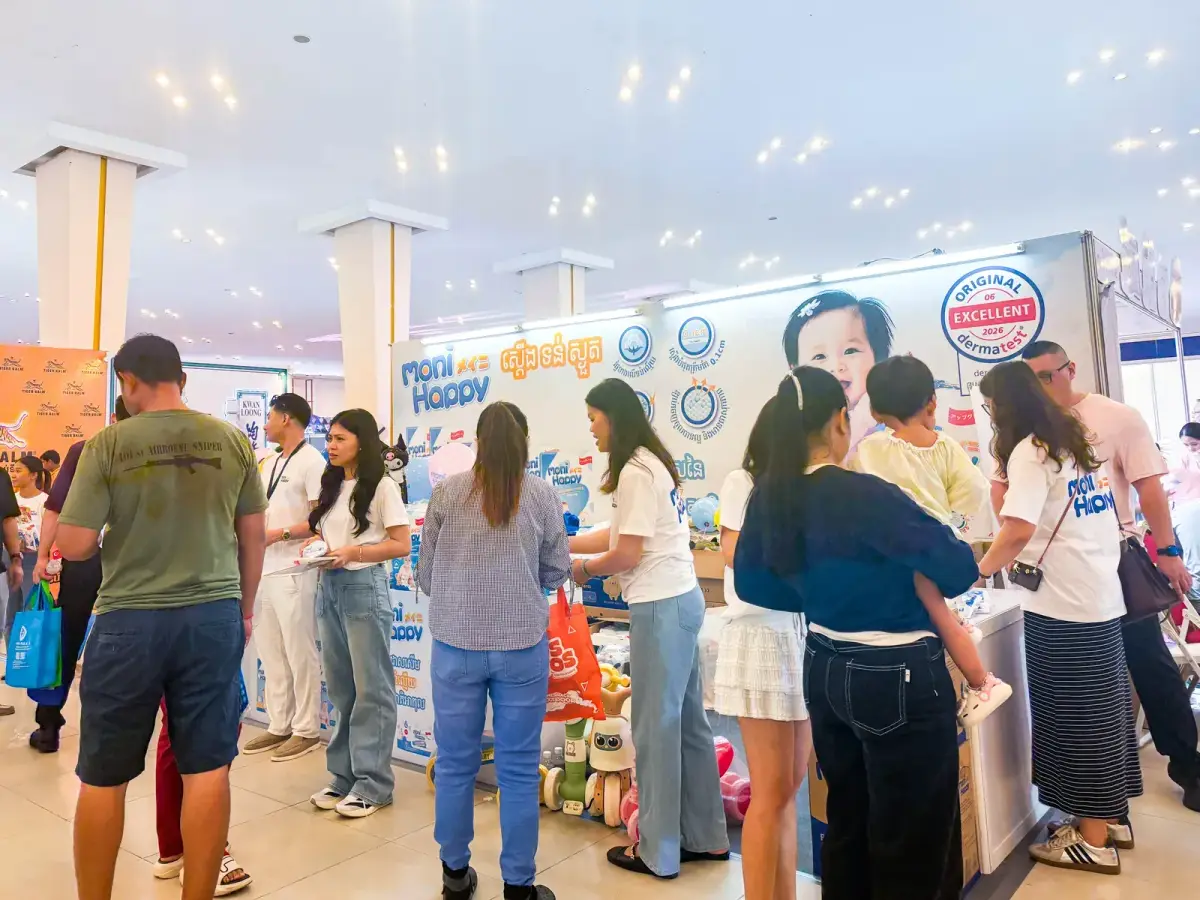
Who actually decides whether a diaper SKU enters a Malaysian convenience chain?
A 99 Speedmart supplier listing and a KK Mart baby products listing are approved by the same kind of gatekeeper: a central buying and merchandising team, not a store. Store managers have no authority to list. That single fact reshapes the approach: a distributor who spends three months visiting outlets has done nothing but build a folder of shopkeeper opinions.
The central team is judged on category sales per square metre and on cash terms, so the conversation is about rate of sale, not about product quality. Come with a number: expected packs per store per week, the price point it sells at, and the margin the chain keeps. If you cannot produce that estimate, the buyer will build it from a competitor's scan data and your SKU will look like a duplicate.
Entry is usually easier through the convenience format's own private label or an exclusive pack size than through a straight national listing of your standard range. A pack size the chain does not already carry gives the buyer a reason to open a new line rather than delist someone else's.
What should a listing pack contain?
A 99 Speedmart supplier listing pack is eight to twelve pages and answers the buyer's questions in the order they ask them.
- Company and brand summary, one page, with the trademark registration and the manufacturing site.
- Category argument: where the volume is, which price band is under-served, and what the SKU replaces or adds.
- The SKU or two you are proposing, with pack dimensions, pack count, barcode and carton configuration.
- Price ladder from ex-works to recommended retail, showing the chain's margin at each step.
- Rate of sale evidence from comparable outlets, even if it is from another market, clearly labelled as such.
- Certification and compliance documents: product registration where applicable, test reports, and labelling artwork in Bahasa Malaysia and English.
- Supply plan: lead time from order to delivery centre, minimum order quantity per delivery, and stock cover offered in the first quarter.
- Promotional support proposal: opening offer, gondola end or counter unit, and who funds it.
Bahasa Malaysia labelling is not optional for consumer products sold at retail, and a pack that arrives with English-only artwork will be rejected at the distribution centre regardless of how good the price is.
What does entry cost beyond the invoice price?
Budget for four cost lines, and treat each as a range that must be confirmed in the trading terms rather than assumed.
- Listing fee per SKU per store or per chain, charged once, which for a national convenience network is a real number rather than a rounding error.
- Annual rebate on purchases, typically a percentage of annual purchase value settled by credit note.
- Promotional contribution: opening deal funding, leaflet space, and end-cap or counter placement.
- Logistics charges: delivery windows, pallet configuration, and penalties for late or short deliveries.
None of these figures should be invented in a business plan. As a baby diaper distributor in Malaysia, the fee schedule comes from the chain rather than from the supplier, so ask the buyer for current trading terms and model year one at the top of the range; the opening promotion is where first-year profitability is usually lost. Moni Happy quotes wholesale terms subject to formal quotation.
Which pack size and price point work in convenience?
Convenience shoppers buy a small basket at a higher unit price, so the pack must sit inside an impulse price band rather than compete with the supermarket multipack. The KK Mart baby products range sits in the same band, so a pack that works for one chain usually works for both. In practice that means 16 to 20 pants or 20 to 24 tape diapers per pack, and a shelf price positioned below the supermarket's per-unit price but above the discount store's.
The trap is copying the supermarket pack. A 40-count pack in a convenience store occupies shelf space that returns a fraction of what a small pack returns per facing, and the buyer will notice within one review cycle.
Where the chain operates its own value format, expect pressure toward an entry pack at the lowest viable price. Accept it only if the pack still carries a full margin after the rebate and the logistics cost, and model it before agreeing, because a loss-making entry pack cannot be repriced once it is on shelf.
How does replenishment work, DC or direct store delivery?
Convenience store distribution in Malaysia runs on a distribution centre model: you deliver to a DC in cartons configured to their pallet spec, and their fleet does the store drops. Some regional chains and franchise groups still take direct store delivery for chilled or high-value lines, but diapers almost always flow through the DC.
That means your carton becomes a DC handling unit. Confirm pallet height, maximum carton weight, labelling format, and whether the DC accepts mixed pallets. A carton that is 2 cm too tall for the racking level, or a pallet that exceeds the height limit, is rejected at the gate and the penalty lands on the supplier.
Delivery windows matter as much as the carton. A DC that books receiving slots two weeks ahead will fine a supplier who arrives outside the slot, and those fines are deducted from the next payment without discussion. Build the slot booking into your own warehouse schedule rather than treating it as the chain's problem.
What payment terms and returns policy are normal?
Thirty to sixty days from invoice or from delivery to the DC is the normal band, with larger networks pushing toward the longer end and expecting a rebate on top. Plan working capital for 75 days, not 45, because the delivery date, the invoice date and the payment run rarely line up.
Returns policy needs to be read carefully. Most chains accept returns for damaged or short-dated stock and for delisted lines, and short-dated is where distributors lose money: a pack returned with four months of life left cannot be resold at full price anywhere. Agree in writing the minimum remaining shelf life at delivery, and make it a term of the supply agreement rather than an understanding.
For a first listing, ask for a short initial term with a review at six months. A one-year listing on an unproven SKU locks you into rebates and promotional spend without an exit if the rate of sale misses.
What usually goes wrong in the first three months?
Three failure patterns account for most first-listing losses for any baby diaper distributor in Malaysia, and all three are visible before the first delivery.
- The opening promotion sells more than the replenishment plan can supply, the SKU goes out of stock in week five, and the buyer marks it as unreliable.
- The pack price was set from the ex-works cost without loading the listing fee, rebate and DC penalties, so the SKU is profitable on paper and loss-making in the ledger.
- The carton or labelling does not meet the DC specification, the first delivery is rejected, and the relaunch costs more than the original listing.
The fix is unglamorous: hold two weeks of buffer stock in-country before the opening deal, model the first year at the top of the fee range, and get the DC specification in writing before production starts. If you are still selecting a supplier, the Southeast Asia distribution channel guide maps how modern trade, pharmacy and convenience differ in entry requirements, and it is worth reading before you approach a buyer.
How do I protect margin once I am listed?
In convenience store distribution in Malaysia, margin protection comes from rotation and pack architecture rather than from holding the wholesale price. Two levers do most of the work.
- Keep the SKU count minimal. One or two fast SKUs at good rotation beat four SKUs splitting the same facings, because every extra SKU carries a listing fee and a rebate burden.
- Review the price ladder every quarter against the chain's promotional calendar, and fund promotions from pack-size changes rather than from the base cost.
Also watch the cannibalisation between your convenience pack and your supermarket pack. If the small pack is priced so that the per-unit cost beats the supermarket multipack, the supermarket buyer will ask for a matching price and both channels erode together. The per-unit price should rise as the pack gets smaller, and the gap should be wide enough to survive a promotion on either side.
When the listing is confirmed, the operational work starts: the distributor onboarding guide covers the sample, first-order and documentation sequence, and Moni Happy's partner team will prepare a Malaysia-specific listing pack including certification and Bahasa Malaysia artwork support.
Frequently asked questions
- How do I become a supplier to 99 Speedmart or KK Mart?
Approach the central buying and merchandising team with a listing pack covering price ladder, pack specifications, barcode compliance, rate of sale and delivery capability. Store-level visits do not lead to listings. - Do Malaysian convenience chains charge listing fees?
Yes. Expect a listing fee per SKU, an annual rebate on purchases and promotional contributions. Get the current trading terms schedule from the buyer and model year one at the top of the range. - What payment terms do Malaysian convenience chains offer?
Typically 30-60 days from invoice or DC delivery, with larger networks at the longer end. Plan working capital for around 75 days to cover delivery, invoicing and payment run timing. - What shelf life must diapers have on delivery to a Malaysian retailer?
Assume at least two-thirds of declared shelf life at delivery, and put the figure in the supply agreement. Short-dated returns are usually accepted but cannot be resold at full price.
Sources and further reading
- 99 Speedmart - corporate and supplier information
- Bursa Malaysia - listed company announcements and results
- ASEAN Tariff Finder - import duties and preferential rates
Preparing a listing pack for a Malaysian buyer and need the certification, artwork and carton specification in one file? Ask the Moni Happy partner desk for the Malaysia listing kit and read the onboarding sequence before you book a meeting.
Get pricing & free samples, or start your distributor application with Moni Happy.
Frequently Asked Questions
How do I become a supplier to 99 Speedmart or KK Mart?
Approach the central buying and merchandising team with a listing pack covering price ladder, pack specifications, barcode compliance, rate of sale and delivery capability. Store-level visits do not lead to listings.
Do Malaysian convenience chains charge listing fees?
Yes. Expect a listing fee per SKU, an annual rebate on purchases and promotional contributions. Get the current trading terms schedule from the buyer and model year one at the top of the range.
What payment terms do Malaysian convenience chains offer?
Typically 30-60 days from invoice or DC delivery, with larger networks at the longer end. Plan working capital for around 75 days to cover delivery, invoicing and payment run timing.
What shelf life must diapers have on delivery to a Malaysian retailer?
Assume at least two-thirds of declared shelf life at delivery, and put the figure in the supply agreement. Short-dated returns are usually accepted but cannot be resold at full price.