
2026-09-03 · Moni Happy Editorial Team
Introducing Allergenic Foods to Babies: A Mom's Guide to Peanut, Egg, Dairy & More

Introducing Allergenic Foods to Babies: A Mom's Guide to Peanut, Egg, Dairy & More
When my first baby was ready for solids, I was terrified of allergenic foods. My mother-in-law told me to wait until 1 year for eggs, peanuts, and seafood—"it's safer that way," she said. I followed that advice with my firstborn, and by the time she was 2, she had developed eczema and a mild egg allergy. When my second baby came along, my pediatrician told me something that blew my mind: the old advice to delay allergenic foods was wrong. In fact, delaying them might actually increase the risk of food allergies. The current guidelines recommend introducing common allergenic foods early—around 6 months—and continuing them regularly. I followed this advice with my second and third babies, and neither developed any food allergies. Here's everything I've learned about introducing allergenic foods to babies, based on the latest research and my own experience as a mom of three.
The Old Advice vs. the New Guidelines
For decades, parents were told to delay introducing common allergenic foods—peanuts, eggs, dairy, wheat, soy, tree nuts, fish, and shellfish—until a baby was 1, 2, or even 3 years old. The thinking was that a baby's immature digestive system and immune system couldn't handle these foods, and that delaying them would prevent food allergies from developing.
But research over the past 15 years has completely overturned this advice. The landmark LEAP study (Learning Early About Peanut Allergy), published in 2015, found that babies at high risk for peanut allergy who were introduced to peanut protein between 4-11 months had an 81% lower rate of peanut allergy by age 5 compared to babies who avoided peanuts until 3 years. This was a game-changer. Subsequent studies have shown similar results for eggs, dairy, and other common allergens.
Based on this research, the American Academy of Pediatrics (AAP), the World Health Organization (WHO), and most pediatric organizations worldwide now recommend:
- Introduce common allergenic foods around 6 months of age (but not before 4 months), along with other complementary foods
- There's no need to delay any specific food—including peanut, egg, dairy, wheat, soy, tree nuts, fish, and shellfish
- Continue offering allergenic foods regularly (at least 2-3 times per week) after introduction, because regular exposure is key to building tolerance
- Babies at high risk for food allergies (those with severe eczema or an existing egg allergy) may benefit from especially early introduction of peanut (around 4-6 months), and should consult a pediatrician or allergist before introduction
The old "wait until 1 or 2 or 3 years" advice has been thoroughly debunked. In fact, the AAP explicitly states that "there is no evidence that delaying the introduction of allergenic foods, including peanut, eggs, and fish, beyond 4-6 months prevents atopic disease [allergies]." The opposite may be true—delaying may increase risk.
That said, there are still a few foods that should be delayed:
- Honey: Never give honey to a baby under 1 year old, because it can contain Clostridium botulinum spores that cause infant botulism, a rare but serious illness. This includes raw honey, cooked honey, and honey in processed foods.
- Cow's milk as a drink: Don't give cow's milk as a main drink before 1 year (breast milk or formula should be the primary milk source). But dairy products like yogurt, cheese, and small amounts of milk in cooking are fine to introduce around 6 months.
- Added salt and sugar: Avoid adding salt and sugar to your baby's food. Babies' kidneys are still developing, and added sugar can contribute to tooth decay and a preference for sweet foods.
- Choking hazards: Whole grapes, cherry tomatoes, hot dogs, nuts, popcorn, hard candy, and chunks of raw vegetables or fruit should be avoided until your baby can chew them safely (usually around 3-4 years). These can be offered in age-appropriate forms (grapes cut into quarters, nut butters thinned with water, etc.).
The Big 9 Allergens: How to Introduce Each One
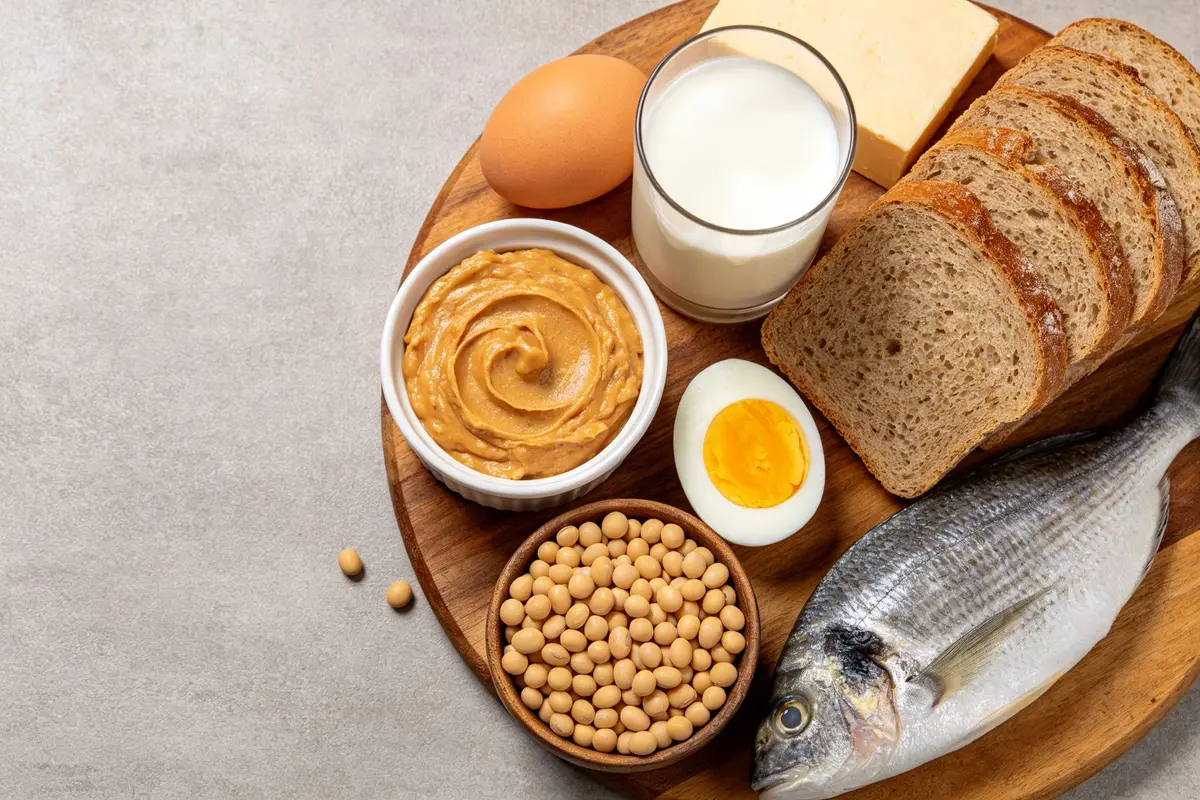
There are 9 foods that account for about 90% of all food allergies. Here's how to introduce each one safely:
1. Peanut:
- When: Around 6 months (or 4-6 months for high-risk babies, under doctor supervision)
- How: Mix a small amount of smooth peanut butter (no added sugar/salt) with breast milk, formula, or water to make a thin, runny paste. Or mix peanut flour or puffed peanut cereal (like Bamba) into pureed food. Never give whole peanuts or thick globs of peanut butter (choking hazards).
- First amount: Start with a tiny amount (about 1/4 teaspoon of the thinned paste) and wait 3-5 days to watch for reactions. If no reaction, gradually increase the amount.
- Continue: Offer peanut at least 2-3 times per week to maintain tolerance. The LEAP study used about 2 grams of peanut protein (about 2 teaspoons of peanut butter) at least 3 times per week.
2. Egg:
- When: Around 6 months
- How: Start with well-cooked egg yolk (hard-boiled, mashed, and mixed with breast milk/formula or pureed food). Some experts recommend starting with yolk first, then introducing egg white (the more allergenic part) a few weeks later. But current guidelines say you can introduce the whole egg (well-cooked and finely mashed) from the start. Scrambled egg (very soft, cut into small pieces) is also a good option for babies who can handle textures.
- First amount: Start with a small amount (1/4 teaspoon of mashed egg) and wait 3-5 days.
- Continue: Offer egg at least 2-3 times per week.
3. Dairy (cow's milk):
- When: Around 6 months (as food, not as a drink)
- How: Offer full-fat plain yogurt, cottage cheese, ricotta cheese, or hard cheese (like cheddar, grated finely). You can also use small amounts of cow's milk in cooking (e.g., mixed into oatmeal or purees). Don't give cow's milk as a main drink until 1 year.
- First amount: Start with 1-2 teaspoons of plain yogurt and wait 3-5 days.
- Continue: Offer dairy regularly (daily is fine, as it's a good source of calcium and fat).
4. Wheat:
- When: Around 6 months
- How: Offer iron-fortified wheat cereal (mixed with breast milk/formula), small pieces of soft whole wheat bread or toast (crusts removed, cut into strips for baby-led weaning), wheat pasta (soft, cut small), or crackers made with wheat.
- First amount: Start with a small amount and wait 3-5 days.
- Continue: Wheat is a common staple, so it will likely be in your baby's diet regularly.
5. Soy:
- When: Around 6 months
- How: Offer soft tofu (silken tofu, mashed or cut into small cubes), edamame (mashed, for older babies), soy yogurt, or small amounts of soy milk in cooking. Don't give soy milk as a main drink before 1 year.
- First amount: Start with a small amount and wait 3-5 days.
- Continue: Offer soy products regularly if your baby enjoys them.
6. Tree nuts (almond, cashew, walnut, etc.):
- When: Around 6 months
- How: Never give whole tree nuts to a baby under 3-4 years (choking hazard). Instead, offer smooth nut butters (almond butter, cashew butter) thinned with water/breast milk/formula and spread thinly on toast or mixed into purees. Or use nut flours (almond flour) mixed into baked goods or purees. You can introduce one tree nut at a time, or a mixed nut butter (but if there's a reaction, you won't know which nut caused it).
- First amount: Start with a tiny amount and wait 3-5 days for each new nut.
- Continue: Offer tree nuts regularly (at least 1-2 times per week).
7. Fish:
- When: Around 6 months
- How: Offer well-cooked, deboned, flaked fish. Choose low-mercury fish like salmon, cod, haddock, tilapia, sardines, or light tuna. Avoid high-mercury fish like shark, swordfish, king mackerel, and tilefish. Fish is an excellent source of omega-3 fatty acids (DHA/EPA), which are important for brain development.
- First amount: Start with 1-2 teaspoons of flaked fish and wait 3-5 days.
- Continue: Offer fish at least 1-2 times per week (the AAP recommends 1-2 servings of fish per week for babies and toddlers).
8. Shellfish (shrimp, crab, lobster, clams, mussels):
- When: Around 6-8 months (some parents wait a bit longer, but there's no medical reason to delay)
- How: Offer well-cooked, finely chopped or pureed shellfish. Shrimp is the easiest to start with—cook thoroughly, remove the shell and tail, and chop finely or puree. Make sure all shellfish is fully cooked (raw or undercooked shellfish can cause foodborne illness).
- First amount: Start with a tiny amount and wait 3-5 days.
- Continue: Offer shellfish occasionally if your baby enjoys it.
9. Sesame:
- When: Around 6 months
- How: Offer tahini (sesame seed paste) thinned with water/breast milk/formula and mixed into purees or spread on toast, or finely ground sesame seeds mixed into food. Whole sesame seeds are a choking hazard for young babies.
- First amount: Start with a tiny amount and wait 3-5 days.
- Continue: Offer sesame regularly if your baby enjoys it (hummus is a great way to include both sesame and chickpeas).
How to Introduce Allergenic Foods Safely
Here's the step-by-step method I used with my second and third babies, based on my pediatrician's advice:
- Wait until your baby is ready for solids: Most babies are ready around 6 months. Signs of readiness include: sitting up with minimal support, good head and neck control, showing interest in food (watching you eat, reaching for food), opening their mouth when food comes near, and losing the tongue-thrust reflex (no longer pushing food out with their tongue). Don't start solids before 4 months.
- Introduce one new food at a time: When introducing a new allergenic food (or any new food), offer only that one new food for 3-5 days before introducing another new food. This way, if your baby has a reaction, you'll know which food caused it. You can continue offering already-introduced foods during this time.
- Start with a small amount: Begin with a tiny amount (1/4 to 1/2 teaspoon) of the new food, mixed with a familiar food (like breast milk, formula, or a puree your baby already likes). This helps your baby get used to the taste and texture, and minimizes the severity of a potential reaction.
- Offer the food in the morning or early afternoon: Try to introduce new foods earlier in the day, so that if a reaction occurs, it happens during waking hours when you can monitor your baby and seek medical help if needed. Avoid introducing new foods right before bedtime or when you're going out.
- Watch for reactions for 3-5 days: After introducing a new food, watch your baby closely for the next 3-5 days. Reactions can occur within minutes to hours (immediate reactions) or may take 1-3 days to appear (delayed reactions, which are more common with eczema flare-ups or gastrointestinal symptoms).
- Gradually increase the amount: If no reaction occurs after 3-5 days, gradually increase the amount of the food over the next few days until your baby is eating a normal portion.
- Continue offering the food regularly: This is the most important step! Once you've introduced an allergenic food, continue offering it at least 2-3 times per week. Regular, repeated exposure is what builds and maintains immune tolerance. If you introduce peanut once and then don't offer it again for months, the protective effect may be lost.
- Keep a food diary: Write down when you introduced each new food, how much you offered, and any reactions or changes you noticed. This can be helpful if you need to discuss your baby's diet with a pediatrician or allergist.
For babies at high risk for food allergies (those with severe eczema, an existing food allergy, or a strong family history of allergies), talk to your pediatrician or a pediatric allergist before introducing allergenic foods. They may recommend supervised introduction in the clinic, especially for peanut, or may refer you to an allergist for testing before introduction. But for most babies, you can safely introduce allergenic foods at home.
Recognizing and Responding to Food Allergic Reactions
While early introduction reduces the risk of food allergies, some babies will still develop allergies. It's important to know the signs of an allergic reaction and what to do if one occurs.
Mild to moderate reactions:
- Skin: hives (raised, itchy red welts), rash, eczema flare-up, redness around the mouth or face, swelling of the lips or face (mild)
- Gastrointestinal: vomiting (one or two episodes), diarrhea, abdominal pain, blood in stool (rare)
- Respiratory: runny nose, sneezing, watery eyes, mild cough
- General: fussiness, irritability, discomfort
Severe reactions (anaphylaxis) - call emergency services immediately:
- Breathing: difficulty breathing, wheezing, stridor (high-pitched breathing sound), persistent cough, throat tightness, hoarse voice
- Circulation: pale or blue-tinged skin, lips, or tongue; weak pulse; dizziness; fainting; lethargy; floppiness (in babies)
- Skin: widespread hives, severe swelling of the face/lips/tongue/throat
- Gastrointestinal: severe or persistent vomiting, severe abdominal pain
- General: confusion, feeling of impending doom, loss of consciousness
What to do if your baby has a reaction:
- For mild reactions: Stop giving the food, wipe your baby's face and hands, and monitor closely. You can give an age-appropriate dose of an antihistamine (like cetirizine) if recommended by your pediatrician. Call your pediatrician to report the reaction and get advice. Even mild reactions should be discussed with your doctor, as they may indicate a developing allergy.
- For severe reactions (anaphylaxis): Call your local emergency number immediately. If your baby has been prescribed an epinephrine auto-injector (EpiPen), use it immediately—don't wait to see if symptoms worsen. Epinephrine is the only effective treatment for anaphylaxis, and delaying it can be fatal. After using epinephrine, still call emergency services, as symptoms can return (biphasic reaction). Keep your baby lying flat (or sitting up if having breathing difficulty) and monitor closely until help arrives.
- After any reaction: Avoid giving the suspected food again until your baby has been evaluated by a pediatrician or allergist. They may recommend allergy testing (skin prick test or blood test) to confirm the allergy. If an allergy is confirmed, your doctor will advise you on avoiding the food, reading labels, carrying emergency medication (if needed), and when to re-evaluate (many children outgrow food allergies, especially egg, milk, wheat, and soy allergies).
Remember: the risk of a severe allergic reaction during first introduction is low, especially when starting with a small amount. But it's always good to be prepared. I always kept my pediatrician's number handy and made sure I knew the signs of anaphylaxis before introducing each new allergen. And I never introduced a new food when I was alone with the baby and far from a phone or medical help—better safe than sorry.
Common Myths and Misconceptions
There's a lot of misinformation out there about introducing allergenic foods. Here are the most common myths I've encountered, debunked:
Myth 1: "You should wait until 1 year (or 2 or 3) to introduce allergenic foods."
Fact: This old advice has been thoroughly debunked. Current guidelines recommend introducing common allergenic foods around 6 months, and there's no evidence that delaying prevents allergies. In fact, delaying may increase risk. The only foods that should be delayed are honey (until 1 year, due to botulism risk) and cow's milk as a main drink (until 1 year).
Myth 2: "If there's a family history of allergies, you should delay allergenic foods even longer."
Fact: Babies with a family history of allergies (or eczema) are at higher risk for developing food allergies, but delaying introduction doesn't help. In fact, these babies may benefit the most from early, regular introduction. The LEAP study specifically focused on high-risk babies and found that early peanut introduction dramatically reduced allergy risk. If your baby is high-risk, talk to your pediatrician about the best introduction plan—they may recommend supervised introduction or earlier introduction (4-6 months).
Myth 3: "You should introduce allergenic foods one at a time and wait a full week between each one."
Fact: While it's true that you should introduce new foods one at a time to identify reactions, waiting 3-5 days is sufficient for most foods. Waiting a full week is unnecessary and means it will take months to introduce all the common allergens. For most babies, 3-5 days between new foods is enough. If your baby has eczema or a history of reactions, you may want to wait 5-7 days.
Myth 4: "Once you introduce an allergenic food and there's no reaction, your baby is not allergic."
Fact: While most food allergies appear on first or early exposure, some allergies can develop after multiple exposures. That's why it's important to continue offering allergenic foods regularly and to watch for reactions each time. Also, some babies may have delayed reactions that don't appear until after several exposures. If your baby develops a reaction to a food they've eaten before, take it seriously and talk to your pediatrician.
Myth 5: "Baby-led weaning (BLW) is unsafe for introducing allergenic foods."
Fact: Baby-led weaning (offering finger foods instead of purees) is safe for introducing allergenic foods, as long as the foods are prepared in age-appropriate textures that aren't choking hazards. For example, offer thin strips of toast with a thin layer of peanut butter, scrambled egg cut into small pieces, or flakes of cooked fish. Avoid whole nuts, globs of nut butter, and chunks of undercooked food. If you're doing BLW, the same rules apply: introduce one new food at a time, start with small amounts, and watch for reactions.
Myth 6: "If your baby has eczema, they shouldn't eat allergenic foods."
Fact: Babies with eczema are at higher risk for food allergies, but that doesn't mean they should avoid allergenic foods. In fact, early introduction may be especially important for these babies. However, if your baby has severe eczema, talk to your pediatrician or allergist before introducing allergenic foods—they may recommend a specific plan or supervised introduction. Also, be aware that a food allergy can sometimes manifest as an eczema flare-up (delayed reaction), so monitor your baby's skin closely when introducing new foods.
Article Summary
Introducing allergenic foods to your baby doesn't have to be scary. The old advice to delay peanuts, eggs, dairy, wheat, soy, tree nuts, fish, shellfish, and sesame until 1, 2, or 3 years has been thoroughly debunked by research—including the landmark LEAP study, which found that early peanut introduction reduced allergy risk by 81%. Current guidelines from the AAP and WHO recommend introducing common allergenic foods around 6 months (not before 4 months), along with other complementary foods, and continuing them regularly (at least 2-3 times per week) to build and maintain immune tolerance. The 9 major allergens are peanut, egg, dairy, wheat, soy, tree nuts, fish, shellfish, and sesame—each can be introduced in age-appropriate, non-choking forms (thinned nut butters, well-cooked mashed egg, yogurt, wheat cereal, tofu, flaked fish, finely chopped shellfish, thinned tahini). To introduce safely: wait until your baby shows signs of readiness for solids (around 6 months), introduce one new food at a time for 3-5 days, start with a small amount mixed with a familiar food, offer new foods in the morning/early afternoon, watch for reactions, gradually increase the amount, and continue offering regularly. Foods that should still be delayed include honey (until 1 year, botulism risk), cow's milk as a main drink (until 1 year), added salt and sugar, and choking hazards (whole grapes, nuts, popcorn, hot dogs). Recognize the signs of allergic reactions—mild reactions include hives, rash, vomiting, diarrhea, and runny nose, while severe reactions (anaphylaxis) include difficulty breathing, swelling of the face/lips/tongue, pale/blue skin, persistent vomiting, and lethargy. For mild reactions, stop the food and call your pediatrician; for severe reactions, call emergency services immediately and use epinephrine if prescribed. Common myths to ignore: you don't need to wait until 1 year, high-risk babies benefit from early introduction (under doctor supervision), 3-5 days between new foods is sufficient, allergies can develop after multiple exposures, baby-led weaning is safe with appropriate textures, and babies with eczema should still be introduced to allergenic foods. With the right knowledge and a careful approach, introducing allergenic foods can be a positive and important step in your baby's feeding journey. For more on baby feeding and care, see our baby solid food guide and explore Moni Happy baby care products.
Frequently Asked Questions
When should I start solid foods?
Most babies are ready for solids around 6 months, when they can sit up with support, show interest in food, and have lost the tongue-thrust reflex. Some babies show readiness as early as 4 months, but always check with your pediatrician before starting.
What are the best first foods for my baby?
Single-ingredient, iron-rich foods are ideal first foods — rice cereal, oatmeal, pureed sweet potato, avocado, banana, or pureed chicken. Introduce one new food at a time and wait 3-5 days to watch for allergic reactions. You can offer purees or try baby-led weaning with soft finger foods.
How do I introduce allergenic foods safely?
Current guidelines recommend introducing common allergens (peanut, egg, dairy, wheat, soy, fish, shellfish, tree nuts, sesame) early — around 6 months — and offering them regularly (2-3 times a week) to build tolerance. Start with a small amount in the morning so you can watch for reactions during the day.
How much solid food should my baby eat?
At 6 months, solids are mostly for practice — 1-2 tablespoons once a day is fine. By 8-9 months, aim for 2-3 meals a day with a variety of foods. By 12 months, your baby should be eating 3 meals plus snacks, with breast milk or formula still providing important nutrition. Let your baby's hunger and fullness cues guide you.
Frequently Asked Questions
When should I introduce allergenic foods to my baby?
Current guidelines from the American Academy of Pediatrics (AAP), the World Health Organization (WHO), and most pediatric organizations worldwide recommend introducing common allergenic foods around 6 months of age, along with other complementary (solid) foods. There is no need to delay any specific food—including peanut, egg, dairy, wheat, soy, tree nuts, fish, shellfish, and sesame. Don't start any solids before 4 months. For babies at high risk for food allergies (those with severe eczema or an existing egg allergy), the AAP recommends introducing peanut protein especially early—around 4-6 months—and these babies should consult a pediatrician or allergist before introduction, as supervised introduction may be recommended. The old advice to delay allergenic foods until 1, 2, or even 3 years has been thoroughly debunked by research, including the landmark LEAP study (2015), which found that high-risk babies introduced to peanut between 4-11 months had an 81% lower rate of peanut allergy by age 5 compared to babies who avoided peanuts until 3 years. The key is not just early introduction but also regular continuation—offer allergenic foods at least 2-3 times per week after introduction, because repeated exposure is what builds and maintains immune tolerance. Signs that your baby is ready for solids (around 6 months) include: sitting up with minimal support, good head and neck control, showing interest in food, opening their mouth when food approaches, and losing the tongue-thrust reflex.
How do I introduce allergenic foods safely?
Follow this step-by-step method for safe introduction: 1) Wait until your baby is ready for solids (around 6 months, showing signs of readiness). 2) Introduce one new food at a time—offer only that one new food for 3-5 days before introducing another new food, so if a reaction occurs, you'll know which food caused it. You can continue offering already-introduced foods during this time. 3) Start with a small amount—begin with 1/4 to 1/2 teaspoon of the new food, mixed with a familiar food (breast milk, formula, or a puree your baby already likes). This minimizes the severity of a potential reaction. 4) Offer new foods in the morning or early afternoon, so if a reaction occurs, it happens during waking hours when you can monitor and seek help. Avoid introducing new foods right before bedtime or when going out. 5) Watch for reactions for 3-5 days—reactions can occur within minutes to hours (immediate) or take 1-3 days (delayed, like eczema flare-ups). 6) Gradually increase the amount if no reaction occurs. 7) Continue offering the food regularly—at least 2-3 times per week—is the most important step for building tolerance. 8) Keep a food diary noting when each food was introduced, amount, and any reactions. For each allergen, use age-appropriate non-choking forms: peanut as thinned smooth peanut butter or peanut flour; egg as well-cooked mashed yolk/whole egg or soft scrambled; dairy as plain yogurt, cottage cheese, or grated cheese (not cow's milk as a drink before 1 year); wheat as iron-fortified cereal or soft bread strips; soy as silken tofu or soy yogurt; tree nuts as thinned nut butter or nut flour (never whole nuts); fish as well-cooked deboned flakes (low-mercury like salmon); shellfish as fully cooked finely chopped/pureed; sesame as thinned tahini or ground seeds. For high-risk babies (severe eczema or existing allergy), consult your pediatrician or allergist before introduction—supervised clinic introduction may be recommended.
What are the signs of a food allergic reaction in babies?
Food allergic reactions can range from mild to severe (anaphylaxis). Mild to moderate reactions include: Skin reactions - hives (raised itchy red welts), rash, eczema flare-up, redness around the mouth/face, mild swelling of lips or face. Gastrointestinal - vomiting (one or two episodes), diarrhea, abdominal pain, rarely blood in stool. Respiratory - runny nose, sneezing, watery eyes, mild cough. General - fussiness, irritability, discomfort. Severe reactions (anaphylaxis) require calling emergency services immediately: Breathing - difficulty breathing, wheezing, stridor (high-pitched breathing), persistent cough, throat tightness, hoarse voice. Circulation - pale or blue-tinged skin/lips/tongue, weak pulse, dizziness, fainting, lethargy, floppiness (in babies). Skin - widespread hives, severe swelling of face/lips/tongue/throat. Gastrointestinal - severe or persistent vomiting, severe abdominal pain. General - confusion, loss of consciousness. If your baby has a mild reaction: stop giving the food, wipe face and hands, monitor closely, give age-appropriate antihistamine if recommended by your pediatrician, and call your pediatrician to report the reaction. If your baby has a severe reaction (anaphylaxis): call your local emergency number immediately. If your baby has a prescribed epinephrine auto-injector (EpiPen), use it immediately—don't wait to see if symptoms worsen. Epinephrine is the only effective treatment for anaphylaxis. After using epinephrine, still call emergency services as symptoms can return (biphasic reaction). Keep baby lying flat (or sitting up if breathing is difficult) and monitor until help arrives. After any reaction, avoid the suspected food until evaluated by a pediatrician or allergist, who may recommend allergy testing (skin prick or blood test). If an allergy is confirmed, your doctor will advise on avoidance, label reading, emergency medication, and re-evaluation timing (many children outgrow egg, milk, wheat, and soy allergies). Remember: the risk of severe reaction during first introduction is low, especially when starting with a small amount, but always be prepared and know the signs.
Is it true that delaying allergenic foods prevents allergies?
No—this is one of the most persistent and harmful myths about infant feeding. The old advice to delay common allergenic foods (peanut, egg, dairy, wheat, soy, tree nuts, fish, shellfish) until 1, 2, or even 3 years of age has been thoroughly debunked by modern research. In fact, delaying allergenic foods may actually increase the risk of developing food allergies. The landmark LEAP study (Learning Early About Peanut Allergy), published in 2015 in the New England Journal of Medicine, studied 640 high-risk infants (those with severe eczema or egg allergy) and found that babies who were introduced to peanut protein between 4-11 months of age had an 81% lower rate of peanut allergy by age 5 compared to babies who avoided peanuts until 3 years. Subsequent studies (like the EAT study - Enquiring About Tolerance) found similar results for egg, dairy, and other common allergens when introduced early and continued regularly. Based on this research, the American Academy of Pediatrics (AAP), the World Health Organization (WHO), and most pediatric organizations worldwide now explicitly state that there is no evidence that delaying the introduction of allergenic foods beyond 4-6 months prevents food allergies or eczema. The opposite may be true. The key principles are: 1) Introduce common allergenic foods around 6 months (not before 4 months), along with other solid foods. 2) There is no need to delay any specific food. 3) Continue offering allergenic foods regularly (at least 2-3 times per week) after introduction—regular repeated exposure is what builds and maintains immune tolerance. Introducing a food once and then not offering it again for months may not provide the same protective benefit. 4) For high-risk babies (severe eczema or existing egg allergy), consult a pediatrician or allergist before introduction—early introduction (4-6 months) may be especially beneficial, and supervised introduction may be recommended. The only foods that should genuinely be delayed are: honey (until 1 year, due to risk of infant botulism from Clostridium botulinum spores), cow's milk as a main drink (until 1 year—breast milk or formula should be the primary milk source, but dairy foods like yogurt and cheese are fine from 6 months), added salt and sugar, and choking hazards (whole grapes, nuts, popcorn, hot dogs, hard candy) until 3-4 years. So the answer is clear: don't delay—introduce allergenic foods early and often, following safe introduction practices, and consult your pediatrician if your baby is high-risk.