
2026-08-10 · Moni Happy Editorial Team
Malaysia Baby Diaper Market: Halal Certification & Consumer Trust Factors
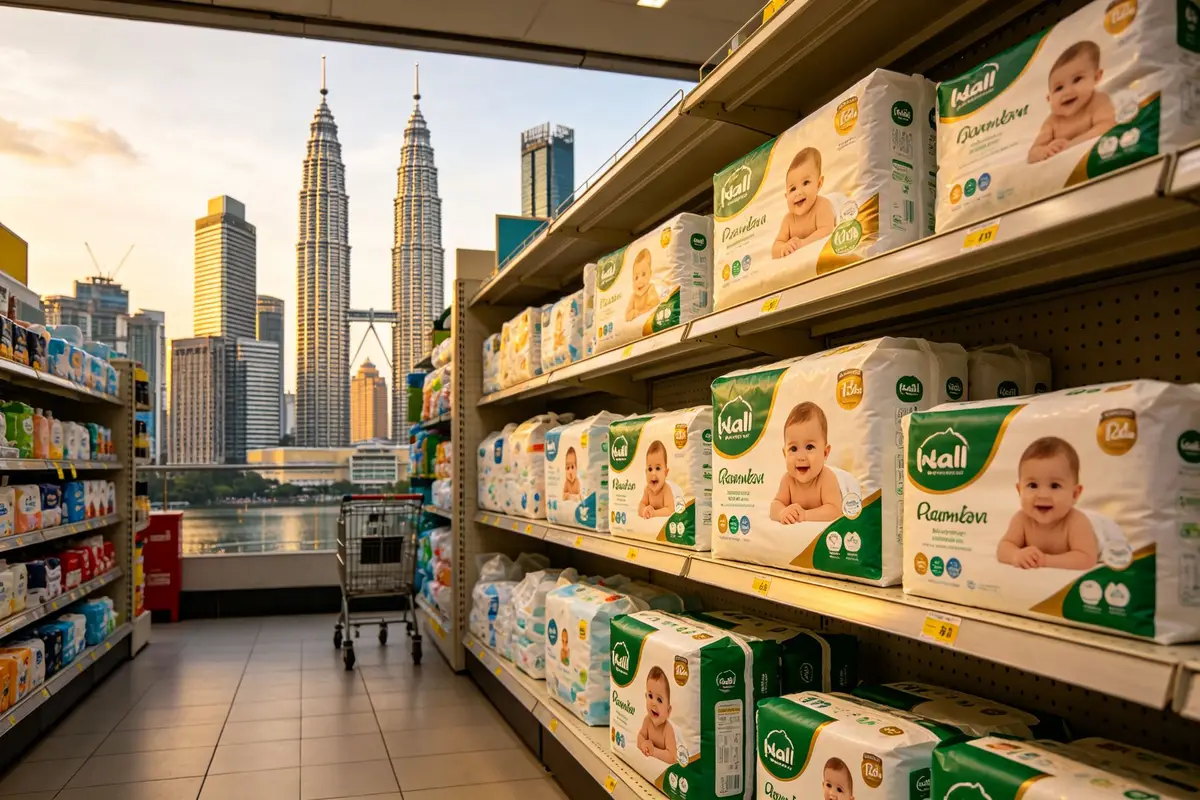
Halal Certification: Malaysia's Unique Market Differentiator
Malaysia's baby diaper market is unique in Southeast Asia due to the significant role of Halal certification in consumer purchasing decisions. With a predominantly Muslim population, Malaysian parents are increasingly seeking Halal-certified baby products, including diapers, wipes, and skincare items. For brands and distributors looking to succeed in the Malaysian market, understanding the role of Halal certification and consumer trust factors is essential.
The demand for Halal-certified baby products is driven by several factors: growing religious awareness among Malaysian consumers, the influence of social media and religious influencers, and the increasing availability of Halal-certified options from both local and international brands. For Muslim parents, Halal certification provides assurance that products are pure, clean, and manufactured in accordance with Islamic principles, which is particularly important for products that come into contact with babies' sensitive skin.
Understanding Halal Certification for Baby Diapers
Halal certification for baby diapers is a comprehensive process that goes beyond simply verifying that products do not contain prohibited ingredients. The certification process typically involves auditing the entire supply chain, from raw material sourcing to manufacturing, packaging, and distribution. Key areas of scrutiny include:
Raw Materials: All raw materials used in the production of baby diapers must be verified as Halal. This includes adhesives, lotions, fragrances, absorbent polymers, and other materials that may come into contact with the baby's skin. Materials derived from prohibited sources, such as certain animal by-products, must be avoided. The certification body will verify the source and composition of all raw materials through supplier audits and documentation review.
Manufacturing Facilities: Manufacturing facilities must meet strict hygiene and cleanliness standards as required by Islamic principles. This includes ensuring that facilities are clean, that there is no cross-contamination with non-Halal products, and that equipment is properly cleaned and maintained. Facilities that produce both Halal and non-Halal products may be required to implement dedicated production lines or rigorous cleaning procedures between production runs.
Supply Chain Integrity: The entire supply chain, from raw material suppliers to distributors and retailers, must be audited to ensure that Halal integrity is maintained throughout. This includes verifying that storage and transportation conditions meet Halal requirements and that there is no mixing or contamination with non-Halal products during distribution.
In Malaysia, Halal certification is typically administered by JAKIM (Department of Islamic Development Malaysia), which is the recognized authority for Halal certification in the country. International brands may also obtain certification from recognized international Halal certification bodies, though JAKIM certification is generally preferred for the Malaysian market due to its strong recognition and credibility among local consumers.
Consumer Trust Factors Beyond Halal
While Halal certification is a key differentiator in the Malaysian market, it is not the only factor that influences consumer trust and purchasing decisions. Malaysian parents, like parents everywhere, are concerned about the safety, quality, and performance of baby products. Additional trust factors that are particularly important in the Malaysian market include:
Dermatological Testing and Hypoallergenic Claims: Malaysia's hot and humid climate makes baby skin particularly susceptible to irritation and diaper rash. Products that are dermatologically tested, hypoallergenic, and formulated for sensitive skin are highly valued by Malaysian parents. Claims that are backed by clinical studies and endorsed by dermatologists or pediatricians carry significant weight in the market.
Pediatrician and Pharmacist Recommendations: Malaysian parents trust the recommendations of healthcare professionals, particularly pediatricians and pharmacists. Products that are recommended or endorsed by healthcare professionals, or that are available in hospital pharmacies and clinic settings, tend to command premium prices and build strong brand loyalty. Distributors should prioritize building relationships with healthcare professionals and providing them with product education and training.
Transparent Ingredient Labeling: Malaysian parents are increasingly informed and concerned about the ingredients in baby products. Products that provide clear, transparent ingredient labeling, including information about the source and purpose of each ingredient, build trust and credibility. Products that avoid potentially harmful chemicals, such as parabens, phthalates, and artificial fragrances, are particularly attractive to health-conscious parents.
Brand Reputation and Word-of-Mouth: Brand reputation and word-of-mouth recommendations play a significant role in the Malaysian market, where community and family networks are strong. Products that are recommended by friends, family members, and online parenting communities tend to gain traction quickly. Online reviews and social media influence are also increasingly important, as Malaysian parents are active on social media platforms and rely on peer recommendations for product decisions.
Distribution Channel Strategy
Halal-certified baby products have distinct distribution advantages in the Malaysian market. The major distribution channels for baby diapers in Malaysia include:
Supermarkets and Hypermarkets: Major chains like Tesco, Aeon, and Mydin are the primary channels for baby diapers, offering high volume and broad reach. Halal-certified products are often featured prominently in these retailers, particularly in Muslim-majority areas. Some retailers may require or prioritize Halal certification for certain product categories.
Pharmacies and Drugstores: Pharmacy chains like Guardian, Watsons, and Caring Pharmacy are important channels for premium and sensitive-skin baby products. Pharmacists play a key role in product recommendations, and products that are pharmacist-recommended or that have strong clinical backing perform well in this channel.
E-commerce: Online platforms like Shopee and Lazada are rapidly growing channels for baby products in Malaysia, offering convenience, competitive pricing, and access to a wide range of products. Halal certification is often highlighted in product listings and can be a key differentiator in the online marketplace. Live streaming commerce is also gaining traction, particularly for products that benefit from demonstration and expert explanation.
Traditional Trade: In rural areas and smaller towns, traditional retail channels such as provision shops, mini-markets, and neighborhood stores remain important for baby products. Halal certification is particularly important in these channels, as consumers in these areas may be more conservative and place greater emphasis on religious compliance.
Market Entry and Brand Building
For new brands and distributors entering the Malaysian baby diaper market, a strategic approach that leverages Halal certification and consumer trust factors is essential. Key steps for successful market entry include:
Obtain Halal Certification: The first and most important step is to obtain Halal certification from a recognized body, preferably JAKIM. This not only opens doors to broader distribution but also signals to consumers that the product meets the highest standards of purity and quality. The certification process can be time-consuming, so it should be initiated well in advance of market entry.
Build Clinical and Scientific Backing: Investing in dermatological testing, clinical studies, and pediatrician endorsements can significantly enhance product credibility and justify premium pricing. Products that can demonstrate superior performance in terms of absorbency, leak protection, and skin health are more likely to succeed in the competitive Malaysian market.
Develop Healthcare Professional Relationships: Building relationships with pediatricians, dermatologists, and pharmacists is essential for building trust and credibility. Providing healthcare professionals with product education, clinical data, and samples can help generate recommendations and drive adoption. Partnering with hospitals and clinics for product placement and newborn gift packs can also be an effective way to reach new parents at the critical moment of their baby's birth.
Leverage Digital and Social Media: Malaysian parents are highly active on social media, and digital marketing is essential for building brand awareness and engagement. Partnering with parenting influencers, mommy bloggers, and religious scholars who can endorse the Halal and quality aspects of the product can be highly effective. Creating educational content about baby skin health, diaper rash prevention, and Halal baby care can also help build brand authority and trust.
Future Outlook
The Malaysian baby diaper market is expected to continue growing, driven by stable birth rates, increasing disposable incomes, and the ongoing premiumization trend. Halal certification is likely to become even more important as consumer awareness and religious consciousness continue to grow. Brands that can combine Halal certification with superior product performance, strong clinical backing, and effective brand building will be well-positioned to capture significant market share.
For distributors, the key to success lies in understanding the unique dynamics of the Malaysian market, prioritizing Halal certification and consumer trust factors, and building strong relationships with both retail partners and healthcare professionals. By leveraging these factors, distributors can navigate the competitive Malaysian market and build sustainable, profitable businesses in one of Southeast Asia's most promising baby care markets.
Frequently Asked Questions
Why is Halal certification important for baby products in Malaysia?
Malaysia has a predominantly Muslim population, and Halal certification is a key factor in consumer purchasing decisions, even for non-food products like baby diapers. Halal certification assures consumers that products are manufactured in accordance with Islamic principles, including the absence of prohibited ingredients and compliance with hygiene and ethical manufacturing standards. For baby products, where parents are particularly concerned about safety and purity, Halal certification can significantly enhance brand trust and market acceptance.
What does Halal certification for baby diapers involve?
Halal certification for baby diapers involves auditing the entire supply chain and manufacturing process to ensure compliance with Islamic principles. This includes verifying that raw materials (especially adhesives, lotions, and absorbent materials) do not contain prohibited substances, that manufacturing facilities meet hygiene and cleanliness standards, and that there is no cross-contamination with non-Halal products. The certification process is typically administered by recognized Islamic bodies such as JAKIM (Department of Islamic Development Malaysia) or international Halal certification bodies.
How does Halal certification affect distribution in Malaysia?
Halal-certified baby products have broader distribution access in Malaysia, particularly in Muslim-majority areas and through retailers that prioritize Halal products. Major supermarket chains, pharmacies, and e-commerce platforms often feature Halal-certified products prominently, and some retailers require Halal certification for certain product categories. Halal certification also opens doors to export opportunities to other Muslim-majority markets in Southeast Asia and the Middle East.
What other consumer trust factors are important in Malaysia's baby diaper market?
In addition to Halal certification, Malaysian consumers value dermatological testing, hypoallergenic claims, pediatrician recommendations, and transparent ingredient labeling. Brand reputation, word-of-mouth recommendations, and online reviews also play significant roles in purchasing decisions. For premium products, consumers also value eco-friendly materials, advanced absorbency technology, and comfortable designs for active babies.