
2026-08-13 · Moni Happy Editorial Team
Malaysia Baby Wipes Sensitive Skin Segment: Growth & Consumer Preferences
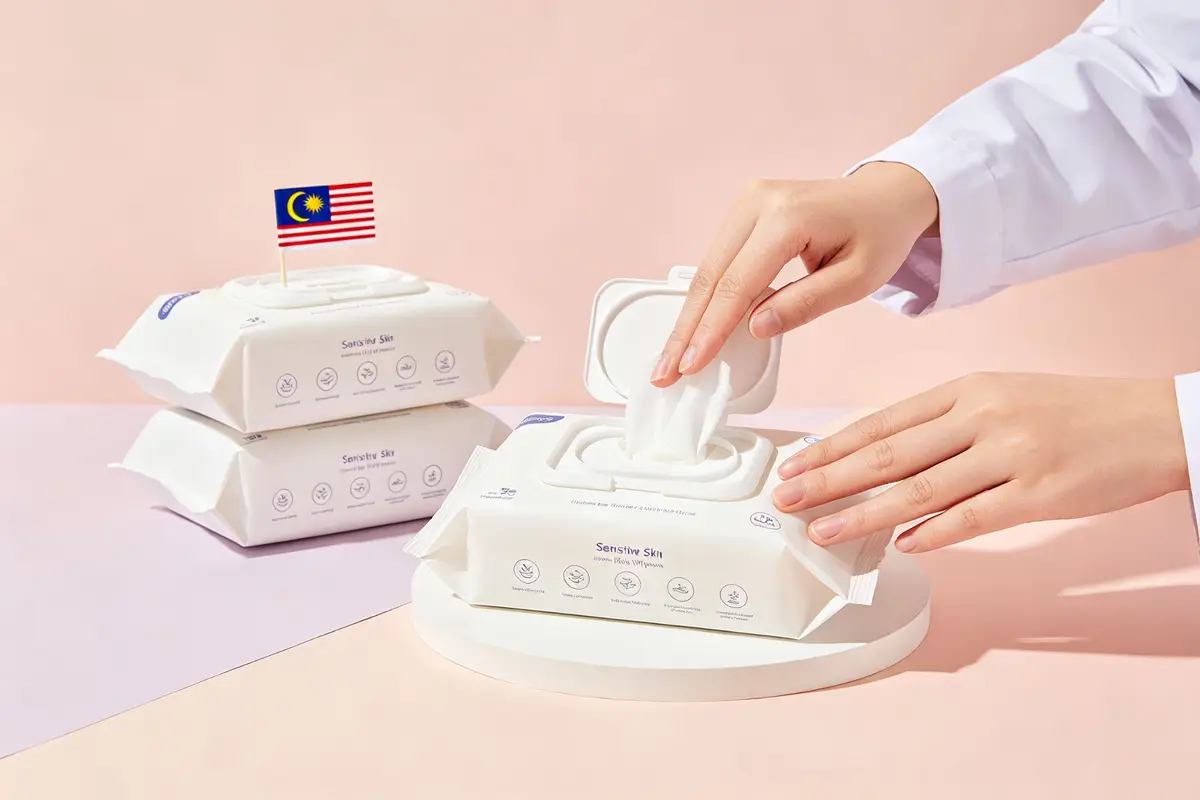
Sensitive Skin: Malaysia's Fastest-Growing Wipes Segment
Malaysia's baby wipes market is undergoing a significant transformation as consumers increasingly prioritize products formulated for sensitive skin. Driven by rising awareness of baby skin health, increasing incidence of skin conditions like eczema, and Malaysia's hot and humid climate, the sensitive skin wipes segment is emerging as one of the fastest-growing categories in the baby care market. For brands and distributors, understanding the unique dynamics of this segment is essential for capturing growth opportunities.
Malaysia's climate presents unique challenges for baby skin. High temperatures and humidity can lead to increased sweating, skin irritation, and diaper rash, making gentle, skin-friendly products particularly important. Malaysian parents are increasingly recognizing that not all baby wipes are created equal, and they are willing to pay premium prices for products that are specifically formulated for sensitive skin and backed by clinical evidence.
Understanding Sensitive Baby Skin
Baby skin is fundamentally different from adult skin. It is thinner, more delicate, and has a weaker skin barrier, making it more susceptible to irritation, dryness, and allergic reactions. Newborns and infants are particularly vulnerable, as their skin is still developing and adapting to the external environment. In Malaysia's tropical climate, these challenges are amplified by factors such as heat, humidity, sweat, and frequent diaper changes.
Sensitive skin can manifest in various ways, including redness, dryness, itching, rashes, and eczema. Many babies experience some form of skin sensitivity during infancy, particularly in the diaper area, where skin is exposed to moisture, friction, and irritants. For parents, choosing the right products—including wipes—is an important part of managing their baby's skin health and preventing irritation.
The market for sensitive skin baby products is being further driven by increasing awareness among parents about the ingredients in baby care products. Malaysian parents are becoming more educated about potentially harmful chemicals like parabens, phthalates, artificial fragrances, and alcohol, and they are actively seeking products that avoid these ingredients. This "clean label" trend is particularly strong in the baby wipes category, where products come into direct contact with baby's skin multiple times a day.
Key Product Features and Consumer Preferences
Malaysian parents looking for sensitive skin baby wipes prioritize several key features when making purchasing decisions. Understanding these preferences is essential for brands looking to succeed in this segment:
Hypoallergenic Formulation: Hypoallergenic claims are one of the most important factors for parents of babies with sensitive skin. Products that are clinically proven to be hypoallergenic and less likely to cause allergic reactions are highly valued. Third-party testing and certification can enhance the credibility of hypoallergenic claims.
Dermatological Testing and Pediatrician Recommendation: Products that are dermatologically tested and recommended by pediatricians carry significant weight in the sensitive skin segment. Malaysian parents trust healthcare professional recommendations, and products that can demonstrate clinical backing and professional endorsement are more likely to be accepted and recommended by pharmacists and healthcare providers.
Natural and Organic Ingredients: Natural ingredients like aloe vera, chamomile extract, green tea, and vitamin E are popular in sensitive skin wipes, as they are perceived as gentler and more nourishing for baby skin. Organic certifications, such as USDA Organic or Ecocert, can further enhance a product's appeal to health-conscious parents. Water-based wipes with minimal ingredients are particularly popular for newborns and babies with extremely sensitive skin.
Absence of Harsh Chemicals: Parents of babies with sensitive skin actively avoid products containing parabens, alcohol, artificial fragrances, phthalates, SLS/SLES, and other potentially irritating chemicals. Products that are free from these ingredients and clearly communicate their "free from" claims on packaging are more attractive to sensitive skin consumers. Transparent ingredient labeling is also important, as parents want to know exactly what is in the products they use on their baby's skin.
pH-Balanced Formulation: pH-balanced wipes that match the natural pH of baby skin are preferred, as they help maintain the skin's natural barrier and prevent irritation. Products that are too alkaline or too acidic can disrupt the skin's natural pH balance and contribute to sensitivity and irritation.
Eco-Friendly and Biodegradable Materials: While not the primary concern for all sensitive skin consumers, eco-friendly and biodegradable wipe materials are increasingly popular, particularly among environmentally conscious parents. Bamboo-based wipes, organic cotton wipes, and biodegradable materials are perceived as gentler on both baby skin and the environment.
Distribution Channel Strategy
Sensitive skin baby wipes require a targeted distribution approach that aligns with the preferences of their target consumers. The most effective channels include:
Pharmacies: Pharmacies are the most important channel for sensitive skin baby wipes, as consumers seek expert advice and trust pharmacist recommendations. Pharmacy chains like Guardian, Watsons, Caring Pharmacy, and Big Pharmacy attract health-conscious consumers and offer the opportunity for pharmacist-led product recommendations. Products that are dermatologically tested, hypoallergenic, and recommended by healthcare professionals perform particularly well in this channel. Providing pharmacist education materials and in-store training can help drive adoption and recommendation rates.
Premium Supermarkets: Premium supermarkets like Cold Storage, Marketplace by Cold Storage, and Jaya Grocer cater to upscale consumers who are willing to pay premium prices for quality products. These retailers often carry a curated selection of premium and natural baby products, including sensitive skin wipes. Premium supermarkets offer the advantage of reaching affluent consumers who are already predisposed to premium and natural products.
Specialized Baby Boutiques: Baby boutiques like Mothercare, Baby Kiko, and smaller independent stores specialize in baby and maternity products and attract parents who are looking for specialized and premium products. These boutiques often carry niche and innovative products that may not be available in larger retail formats, making them ideal for new and innovative sensitive skin wipe brands.
E-commerce: Online platforms like Shopee and Lazada are essential for reaching sensitive skin consumers, who often research products extensively before making purchasing decisions. E-commerce allows for detailed product descriptions, ingredient information, customer reviews, and educational content that can help consumers make informed choices. E-commerce also offers the opportunity to reach consumers in areas where sensitive skin products may not be readily available in physical retail stores. Live streaming commerce, where experts can explain product benefits and answer questions, is also a powerful tool for sensitive skin products.
Pediatric Clinics and Dermatology Centers: While not a traditional retail channel, pediatric clinics and dermatology centers can be effective points of distribution for sensitive skin products, particularly for products that are recommended by healthcare professionals. Products that are clinically proven and recommended by dermatologists can be sold directly through clinics or recommended to patients, creating a trusted channel for sensitive skin consumers.
Marketing and Brand Building
Success in the sensitive skin baby wipes market requires more than just a good product—it requires effective marketing and brand building that educates consumers and builds trust. Key marketing strategies include:
Educational Content Marketing: Educating parents about baby skin sensitivity, the importance of gentle products, and how to choose the right wipes is essential for building brand authority. This can include blog articles, social media content, videos, and infographics that provide valuable information about baby skin health. Brands that position themselves as trusted sources of information are more likely to be chosen by parents seeking solutions for their baby's sensitive skin.
Influencer and Expert Partnerships: Partnering with pediatricians, dermatologists, and parenting influencers can help build credibility and reach target consumers. Healthcare professional endorsements carry significant weight in the sensitive skin segment, and influencers who specialize in natural parenting and baby skincare can help introduce products to their engaged audiences. Live streaming sessions with experts can be particularly effective for educating consumers and driving sales.
Clinical Backing and Certifications: Investing in dermatological testing, clinical studies, and third-party certifications can significantly enhance a product's credibility and justify premium pricing. Products that can demonstrate clinical evidence of gentleness and efficacy are more likely to be accepted by healthcare professionals and trusted by consumers. Certifications such as hypoallergenic, dermatologically tested, and organic can serve as important points of differentiation in a crowded market.
Sampling and Trial Programs: Offering free samples and trial sizes can be an effective way to encourage trial and build confidence in sensitive skin products. Parents of babies with sensitive skin are often hesitant to try new products due to concerns about irritation, and providing samples allows them to test products without committing to a full-size purchase. Sampling programs can be implemented through e-commerce, pediatric clinics, and in-store promotions.
Future Outlook
The future of sensitive skin baby wipes in Malaysia looks promising, with continued growth expected as consumer awareness and demand for gentle, natural products continue to rise. Several trends are likely to shape the market in the coming years:
Personalization and Targeted Solutions: As consumers become more sophisticated, there is growing demand for personalized and targeted solutions for specific skin concerns, such as eczema, diaper rash, and newborn skin. Products that are specifically formulated for these conditions, rather than generic "sensitive skin" products, are likely to gain traction.
Clean Label and Transparency: The clean label trend is expected to continue, with consumers demanding greater transparency about ingredients and manufacturing processes. Brands that can provide clear, detailed ingredient information and demonstrate a commitment to clean, safe formulations will have a competitive advantage.
Sustainability and Eco-Friendliness: Environmental concerns are increasingly influencing purchasing decisions, and eco-friendly wipes made from biodegradable and sustainable materials are likely to grow in popularity. Brands that can combine sensitive skin benefits with eco-friendly credentials will be well-positioned to capture the growing segment of environmentally conscious parents.
Digital and Omnichannel Retail: E-commerce will continue to grow in importance, and brands that can provide a seamless omnichannel experience—combining online convenience with offline expertise and service—will be most successful. Digital tools such as skin assessment quizzes, personalized product recommendations, and virtual consultations with experts can help enhance the online shopping experience for sensitive skin consumers.
For brands and distributors, the key to success in Malaysia's sensitive skin baby wipes market lies in understanding the unique needs of sensitive skin consumers, building clinical and scientific credibility, choosing the right distribution channels, and investing in marketing that educates and builds trust. Those who can effectively navigate this dynamic and growing segment will be well-positioned to capture significant share in one of Malaysia's most promising baby care categories.
Frequently Asked Questions
How fast is the sensitive skin baby wipes segment growing in Malaysia?
The sensitive skin baby wipes segment is growing at an estimated 12-15% annually in Malaysia, significantly faster than the overall wipes market. This growth is driven by increasing awareness of baby skin sensitivity, rising incidence of eczema and skin conditions, and growing demand for gentler, more natural products. Malaysia's hot and humid climate also contributes to skin sensitivity, making sensitive skin products particularly relevant for Malaysian parents.
What features do Malaysian parents look for in sensitive skin baby wipes?
Malaysian parents prioritize several key features in sensitive skin baby wipes: hypoallergenic formulation, dermatological testing and pediatrician recommendation, natural and organic ingredients (aloe vera, chamomile, green tea), absence of harsh chemicals (parabens, alcohol, artificial fragrances, phthalates), pH-balanced formulation, and biodegradable or eco-friendly materials. Water-based wipes with minimal ingredients are particularly popular for newborns and babies with extremely sensitive skin.
Which distribution channels work best for sensitive skin baby wipes in Malaysia?
Sensitive skin baby wipes perform best in pharmacies (where consumers seek expert advice and trust pharmacist recommendations), premium supermarkets (like Cold Storage and Marketplace), specialized baby boutiques, and e-commerce platforms (where consumers can research and compare products). Pharmacy chains like Guardian, Watsons, and Caring Pharmacy are particularly important, as they attract health-conscious consumers and offer the opportunity for pharmacist recommendations. Traditional supermarkets are also beginning to stock sensitive skin options as demand grows.
How can new brands succeed in Malaysia's sensitive skin wipes market?
New brands should focus on building clinical and scientific credibility through dermatological testing, clinical studies, and pediatrician endorsements. Investing in education marketing that helps parents understand baby skin sensitivity and the importance of gentle products can help build brand authority. Starting with pharmacy and e-commerce channels can help build traction before expanding to mass retail. Partnering with pediatric clinics and dermatologists for product placement and recommendations can also be an effective way to build credibility and reach target consumers.