
2026-08-23 · Moni Happy Editorial Team
Philippines Live Commerce Baby Products: TikTok Shop & Facebook Live Strategy
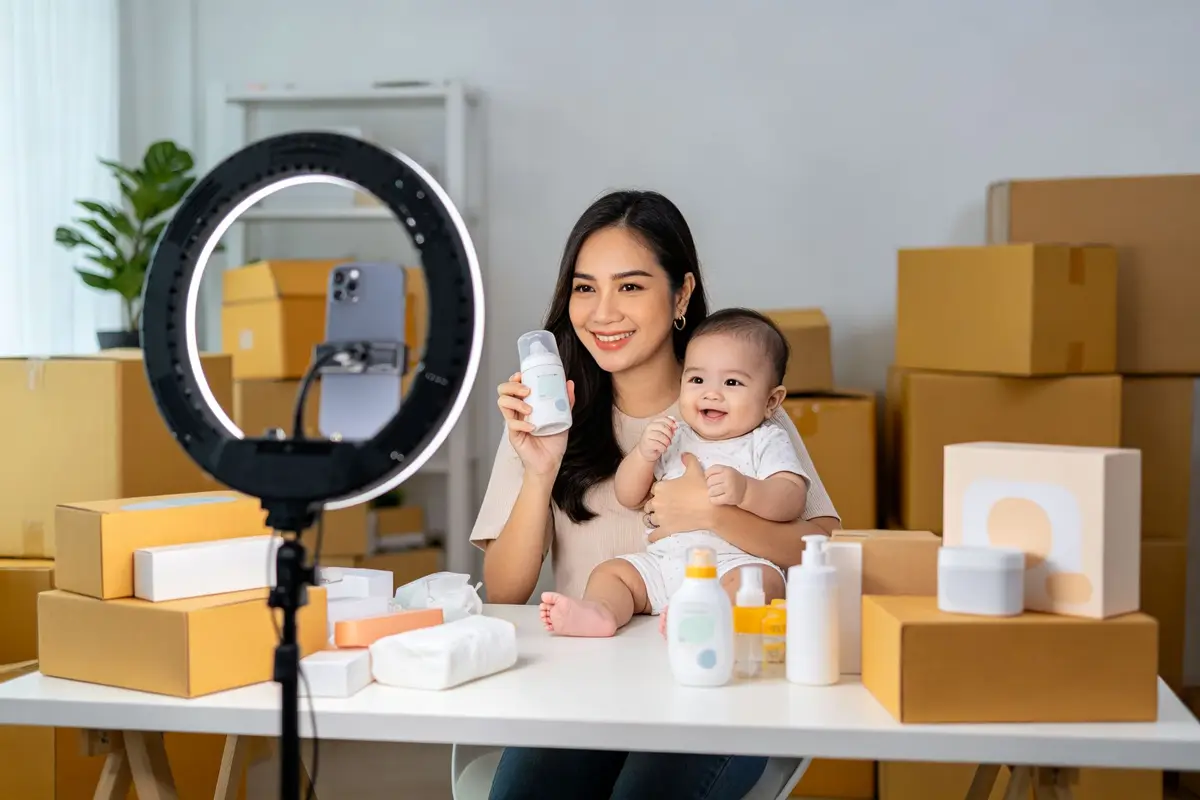
Live Commerce: The Philippines' Baby Care Revolution
The Philippines is experiencing a live commerce revolution, and baby products are at the forefront of this transformation. With one of the highest social media penetration rates in the world, a young and digitally savvy population, and a growing e-commerce ecosystem, the Philippines has become one of the most dynamic live commerce markets in Southeast Asia. For baby product brands, live commerce—particularly through TikTok Shop and Facebook Live—offers a powerful new channel to reach Filipino consumers, build brand awareness, and drive sales in a highly engaging and interactive format.
The rise of live commerce in the Philippines has been accelerated by several factors: the COVID-19 pandemic, which accelerated the shift to online shopping; the growing popularity of short-form video and social media; the expansion of e-commerce infrastructure and digital payment systems; and the entrepreneurial spirit of Filipino sellers who have embraced live streaming as a way to reach customers directly. For baby products, live commerce is particularly effective because it allows sellers to demonstrate product features, answer questions in real time, and build personal connections with parents who are looking for trusted advice and recommendations.
The Live Commerce Landscape in the Philippines
The live commerce landscape in the Philippines is dominated by two major platforms—TikTok Shop and Facebook Live—with several other platforms also playing important roles. Understanding the characteristics, strengths, and user demographics of each platform is essential for brands looking to develop an effective live commerce strategy.
TikTok Shop: TikTok Shop, launched in the Philippines in 2022, has grown explosively to become one of the most important live commerce platforms in the country. TikTok's user base skews younger, with a high concentration of users aged 18-34, which includes many first-time parents and young families. TikTok Shop offers integrated e-commerce features, including in-app checkout, creator partnerships, affiliate marketing, and advertising tools, making it easy for brands to sell products directly through live streams and short-form videos. The platform's algorithm is highly effective at promoting engaging content to relevant audiences, and its "For You" page can help brands reach new customers organically. For baby products, TikTok Shop is particularly effective for reaching younger, trend-conscious parents who are active on the platform and open to discovering new products through content.
Facebook Live: Facebook Live has been a popular live selling channel in the Philippines for several years, predating the launch of TikTok Shop. Facebook's user base is broader and older than TikTok's, with a high concentration of users aged 25-45, which includes many established parents and families. Facebook Live benefits from Facebook's massive user base (over 70 million users in the Philippines), its integrated shopping features (Facebook Marketplace, Facebook Shops), and its strong community and group features. Many Filipino sellers use Facebook Live to sell products directly to their existing followers and community members, building on personal relationships and trust. For baby products, Facebook Live is particularly effective for reaching established parents who are active in parenting groups and communities, and who value personal recommendations and trusted advice.
Shopee Live and Lazada Live: Shopee and Lazada, the two largest e-commerce platforms in the Philippines, have also launched live streaming features—Shopee Live and Lazada Live—to enable sellers to demonstrate and sell products through live video. These platforms benefit from their existing e-commerce infrastructure, large user bases, and integrated payment and logistics systems. Shopee Live, in particular, has grown rapidly, with many sellers using it to promote products during major shopping festivals and promotional events. For baby products, Shopee Live and Lazada Live are effective for reaching consumers who are already in a shopping mindset and who value the convenience and security of purchasing through established e-commerce platforms.
Instagram Live: Instagram Live is used by some premium and lifestyle-oriented baby brands, particularly those targeting affluent, urban consumers. Instagram's user base tends to be more affluent and design-conscious, and the platform is popular for beauty, fashion, and lifestyle products. While Instagram Live has less developed e-commerce integration compared to TikTok Shop or Shopee Live, it can be effective for building brand awareness, engaging with followers, and driving traffic to a brand's website or other e-commerce channels. For premium baby products, Instagram Live can be a valuable tool for storytelling, brand building, and connecting with influential consumers.
Why Live Commerce Works for Baby Products
Live commerce is particularly well-suited to baby products, and several factors contribute to its effectiveness in this category. Understanding these factors can help brands develop live commerce strategies that resonate with parents and drive sales.
Product Demonstration: Baby products often benefit from demonstration, as parents want to see how products work before purchasing them. Live streams allow sellers to demonstrate product features in real time—for example, showing how absorbent a diaper is by pouring water on it, demonstrating how soft a wipe is by rubbing it on skin, or showing how easy it is to put on a pull-up diaper. These demonstrations can be more persuasive than static product images or descriptions, as they allow viewers to see the product's performance firsthand. For baby products, where performance and quality are critical purchasing factors, live demonstration can be a powerful sales tool.
Trust and Authenticity: Parents are cautious about baby products, and they want to purchase from brands and sellers they trust. Live streams create a personal, authentic connection between sellers and viewers, building trust and credibility. When viewers can see the seller's face, hear their voice, and observe their interactions, they feel more connected and more likely to trust their recommendations. This is particularly important for baby products, where safety and quality are paramount concerns. Live streams also allow sellers to share their own experiences and expertise, positioning themselves as trusted advisors rather than just salespeople.
Real-Time Interaction and Q&A: One of the most powerful features of live commerce is the ability for viewers to ask questions and receive immediate answers. For baby products, parents often have specific questions about ingredients, suitability for sensitive skin, size recommendations, usage instructions, and safety certifications. Live streams allow sellers to address these questions in real time, providing personalized advice and reassurance that can help overcome purchase objections. This real-time interaction also creates a sense of community and engagement, making viewers feel more involved and invested in the stream.
Urgency and Exclusivity: Live commerce creates a sense of urgency and exclusivity that can drive impulse purchases. Sellers often offer live-only discounts, limited-time promotions, free gifts, and exclusive bundle deals that are only available during the stream. This creates a fear of missing out (FOMO) that encourages viewers to purchase immediately rather than waiting. For baby products, which are often purchased on a regular basis, these exclusive deals can encourage viewers to stock up or try new products. The limited availability of live-only deals also makes viewers feel special and valued, increasing their loyalty to the brand or seller.
Social Proof: Live streams provide social proof, as viewers can see other people buying and endorsing products in real time. When a seller announces that a product is selling out or that many viewers have purchased it, it creates a bandwagon effect that encourages others to buy. Viewers can also see comments and reactions from other viewers, providing additional social proof and validation. For baby products, where parents often rely on the experiences and recommendations of other parents, this social proof can be particularly influential in driving purchase decisions.
Entertainment Value: Live streams are entertaining, making shopping a fun and engaging experience rather than a chore. Sellers often incorporate games, contests, giveaways, and other interactive elements into their streams to keep viewers engaged and entertained. This entertainment value increases viewer retention and encourages viewers to share the stream with their friends and followers, expanding the reach of the stream. For baby products, where shopping can sometimes be stressful or overwhelming, the entertaining and engaging nature of live commerce can make the experience more enjoyable for parents.
Best Practices for Live Commerce Success
Achieving success in live commerce requires careful planning, preparation, and execution. Based on the experiences of successful live commerce sellers in the Philippines and across Southeast Asia, the following best practices can help baby product brands maximize the effectiveness of their live commerce efforts:
Choose the Right Platform and Timing: Selecting the right platform for your target audience is essential. TikTok Shop is ideal for reaching younger, trend-conscious parents, while Facebook Live is better for reaching broader, more established parent communities. Shopee Live and Lazada Live are effective for reaching consumers who are already in a shopping mindset. Timing is also important—schedule streams during peak viewing times, such as weekday evenings (7-10 PM) and weekend afternoons, when parents are most likely to be available to watch. Consider the schedule of your target audience—for example, parents of young children may be more available after their children's bedtime.
Prepare Thoroughly: Thorough preparation is the foundation of a successful live stream. Plan the content and flow of the stream in advance, including which products to feature, in what order, and with what demonstrations. Prepare product demonstrations and have all necessary props and materials ready. Anticipate common questions and prepare answers in advance. Test your equipment—camera, microphone, lighting, and internet connection—before going live. Have backup plans for technical issues, such as a secondary device or a co-host who can manage technical problems while the main host continues the stream.
Engage with Viewers: Engagement is key to a successful live stream. Greet viewers by name as they join, and acknowledge their comments and questions. Encourage interaction by asking questions, running polls, and inviting viewers to share their own experiences. Respond to comments in real time, and make viewers feel heard and valued. A high level of engagement not only improves the viewer experience but also signals to the platform's algorithm that your stream is engaging, which can help increase its reach and visibility.
Offer Compelling Deals and Promotions: Exclusive deals and promotions are one of the biggest drivers of live commerce sales. Offer live-only discounts, bundle deals, free gifts, and limited-time promotions that create urgency and encourage immediate purchase. Make the deals clearly visible and communicate them repeatedly throughout the stream. Consider offering tiered promotions—for example, a basic discount for all viewers, an additional discount for the first 50 buyers, and a free gift for purchases above a certain amount—to encourage higher order values and faster purchasing.
Use Multiple Hosts: Using multiple hosts can significantly improve the quality and effectiveness of a live stream. Have a main host who leads the stream, demonstrates products, and interacts with viewers. Have a co-host who manages comments and questions, monitors the chat, highlights important comments, and handles technical issues. This division of labor allows the main host to focus on delivering engaging content while the co-host ensures that viewer questions are addressed and the stream runs smoothly. For baby products, having a host who is a parent themselves can add authenticity and credibility, as they can share their own experiences and relate to the concerns of other parents.
Invest in Production Quality: While live commerce is inherently more casual and authentic than pre-produced video, investing in basic production quality is essential. Good lighting is critical—viewers need to be able to see the products clearly. Clear audio is equally important—viewers will quickly tune out if they can't hear what the host is saying. A stable internet connection is necessary to avoid buffering and interruptions. Consider using a tripod or stabilizer to keep the camera steady, and use a clean, uncluttered background that doesn't distract from the products. For baby products, a warm, clean, and baby-friendly background can help create the right atmosphere.
Follow Up After the Stream: The relationship with viewers doesn't end when the stream goes offline. Follow up with viewers after the stream by sending thank-you messages, sharing product links and information, and encouraging them to make a purchase if they haven't already. Share highlights and clips from the stream on your social media channels to extend its reach and attract new viewers. Send personalized messages to viewers who asked questions or showed interest in specific products, providing additional information and assistance. Encourage buyers to leave reviews and share their experiences, which can provide social proof for future streams.
Analyze and Continuously Improve: Track and analyze key metrics from each stream to understand what's working and what can be improved. Important metrics include the number of viewers, peak concurrent viewers, average watch time, engagement rate (comments, likes, shares), conversion rate (viewers who make a purchase), average order value, and total sales. Compare metrics across streams to identify patterns and best practices. Experiment with different formats, products, deals, and timing to see what resonates best with your audience. Use the insights from your analysis to continuously refine and improve your live commerce strategy.
Future Outlook: The Evolving Live Commerce Landscape
Live commerce in the Philippines is still in its early stages, and the landscape is evolving rapidly. Several trends are likely to shape the future of live commerce for baby products in the coming years:
Platform Innovation: Live commerce platforms are continuously innovating and adding new features to improve the shopping experience. TikTok Shop, Facebook Live, Shopee Live, and other platforms are likely to introduce new tools for product demonstration, personalization, interactive shopping, and creator partnerships. Augmented reality (AR) and virtual reality (VR) features may allow viewers to see products in their own homes or try them virtually. Artificial intelligence (AI) may enable personalized product recommendations and automated customer service. Brands that stay abreast of these innovations and adopt new features early will have a competitive advantage.
Professionalization of Live Commerce: As live commerce matures, it is becoming more professionalized. Brands are investing in dedicated live commerce teams, professional studios, and specialized talent. Professional live streamers and influencers are emerging as key players, with dedicated followings and proven sales track records. The quality of production is improving, with better lighting, audio, and set design. As the industry professionalizes, the bar for success is rising, and brands that invest in quality and professionalism will be better positioned to succeed.
Integration with Omnichannel Retail: Live commerce is increasingly being integrated into broader omnichannel retail strategies. Brands are using live streams to drive traffic to their physical stores, websites, and other e-commerce channels. They are combining live commerce with other marketing channels, such as email marketing, social media advertising, and influencer partnerships, to create cohesive customer journeys. Offline events and pop-up stores are being live-streamed to reach online audiences, while online live streams are driving offline purchases. As omnichannel integration deepens, live commerce will become an even more integral part of the overall retail ecosystem.
Regulation and Consumer Protection: As live commerce grows, regulators are paying increasing attention to consumer protection, product safety, and advertising standards. In the Philippines, the Department of Trade and Industry (DTI) and other government agencies are developing guidelines and regulations for e-commerce and live commerce. Brands need to ensure that their live commerce activities comply with applicable regulations, including product safety standards, advertising guidelines, consumer protection laws, and data privacy regulations. As regulation increases, brands that prioritize compliance and consumer protection will build trust and credibility with both regulators and consumers.
For baby product brands, live commerce represents a significant opportunity to reach Filipino consumers in a highly engaging and interactive format. By understanding the live commerce landscape, leveraging the unique advantages of live streaming for baby products, and following best practices for planning, execution, and follow-up, brands can build successful live commerce strategies that drive sales, build brand awareness, and create lasting relationships with Filipino parents. As the live commerce ecosystem continues to evolve and mature, brands that embrace this channel and invest in building their live commerce capabilities will be well-positioned to capture the growing opportunity in the Philippines' dynamic baby products market.
Frequently Asked Questions
How big is live commerce for baby products in the Philippines?
Live commerce is one of the fastest-growing channels for baby products in the Philippines, driven by the country's high social media penetration and the popularity of platforms like TikTok and Facebook. While exact figures vary, live commerce is estimated to account for 15-25% of e-commerce sales in the Philippines, with baby products being one of the top-selling categories. TikTok Shop, launched in the Philippines in 2022, has seen explosive growth, while Facebook Live has been a popular selling channel for several years. Many Filipino parents now discover and purchase baby products through live streams, particularly for items like diapers, wipes, and baby skincare.
Which platforms are most popular for live commerce in the Philippines?
The two dominant platforms for live commerce in the Philippines are TikTok Shop and Facebook Live. TikTok Shop has grown rapidly since its launch, particularly among younger consumers, and it offers integrated e-commerce features including in-app checkout, creator partnerships, and advertising tools. Facebook Live remains popular, particularly among older consumers and small sellers, and it benefits from Facebook's large user base and integrated shopping features. Other platforms like Shopee Live and Lazada Live are also growing, particularly for products that benefit from demonstration and expert explanation. Instagram Live is used by some premium brands, though it has less developed e-commerce integration.
What makes live commerce effective for baby products?
Live commerce is particularly effective for baby products for several reasons: (1) Product demonstration—live streams allow sellers to demonstrate product features like absorbency, softness, and ease of use in real time; (2) Trust and authenticity—live streams create a personal connection between sellers and buyers, building trust and authenticity; (3) Real-time interaction—viewers can ask questions and get immediate answers, which is particularly important for baby products where parents have concerns about safety and suitability; (4) Urgency and exclusivity—limited-time offers and exclusive deals create urgency and encourage impulse purchases; (5) Social proof—viewers can see other people buying and endorsing products, creating social proof; (6) Entertainment value—live streams are entertaining, making shopping a fun and engaging experience.
What are the best practices for live commerce selling of baby products?
Key best practices include: (1) Choose the right platform and time—TikTok for younger audiences, Facebook for broader reach; schedule streams during peak viewing times (evenings and weekends); (2) Prepare thoroughly—plan the stream content, prepare product demonstrations, and have answers to common questions; (3) Engage with viewers—greet viewers by name, answer questions in real time, and encourage interaction; (4) Offer exclusive deals—provide live-only discounts, free gifts, and bundle deals to create urgency; (5) Use multiple hosts—have a main host and a co-host who can manage comments, questions, and technical issues; (6) Invest in production quality—good lighting, clear audio, and stable internet are essential; (7) Follow up after the stream—send thank-you messages, share product links, and encourage repeat purchases; (8) Analyze performance—track metrics like viewers, engagement, conversion rate, and sales to continuously improve.