
2026-09-01 · Moni Happy Editorial Team
Separation Anxiety in Babies: Signs, Coping Strategies & Tips for Parents
Separation Anxiety in Babies: Signs, Coping Strategies & Tips for Parents
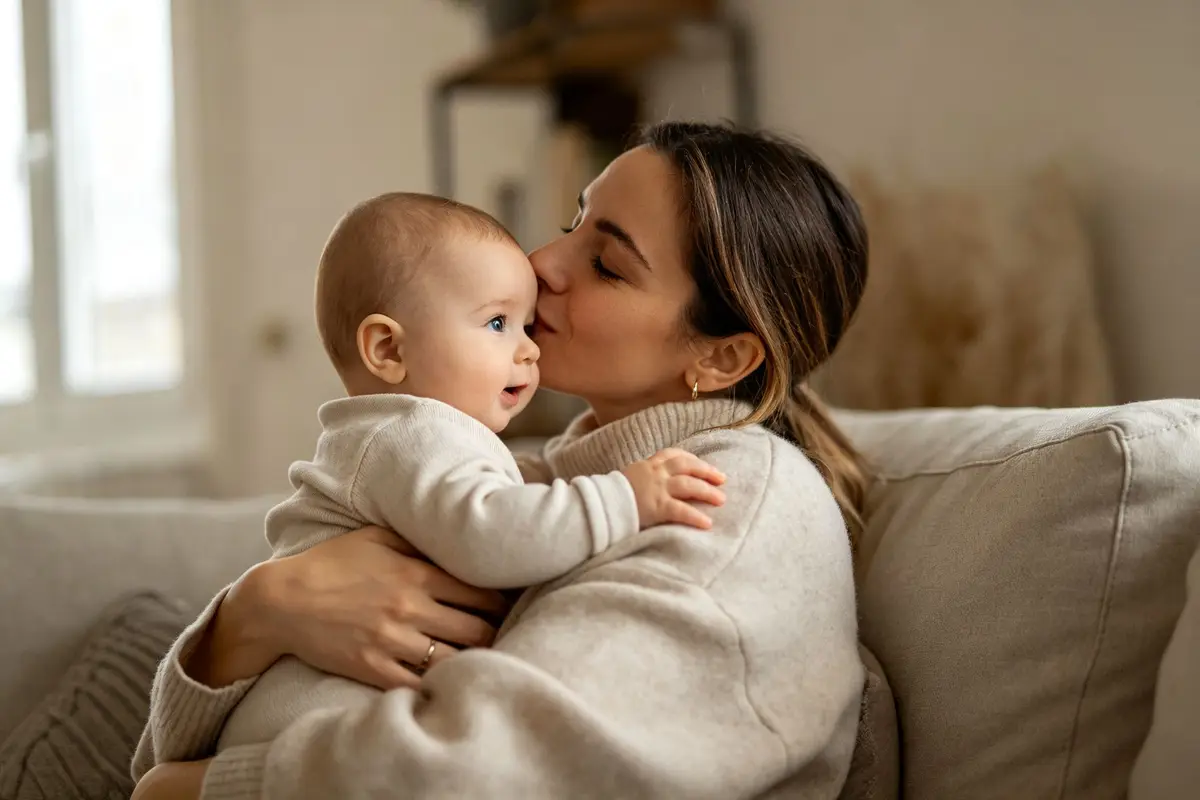
When my first baby was about 8 months old, something changed. Previously, she would happily go to anyone who smiled at her—grandma, the babysitter, the grocery store cashier. Suddenly, she became clingy. If I left the room, she screamed. If someone else held her, she cried and reached for me. Drop-offs at daycare became a tearful ordeal for both of us. I thought I was doing something wrong, but my pediatrician assured me this was completely normal: it was separation anxiety. Here's what I learned about separation anxiety in babies, including why it happens, how long it lasts, and what actually helps both you and your baby get through it.
What Is Separation Anxiety?
Separation anxiety is a normal developmental stage in which a baby becomes anxious or distressed when separated from their primary caregiver (usually mom or dad). It's a sign that baby has formed a secure attachment to you and understands that you continue to exist even when they can't see you—a cognitive milestone called "object permanence." Before baby develops object permanence (usually around 6-9 months), out of sight truly is out of mind. Once they realize you still exist when you're gone, they may worry that you won't come back, leading to anxiety when you leave.
Separation anxiety is not a sign of bad parenting, spoiling, or an insecure child. It's actually a sign of healthy emotional and cognitive development. It means baby has formed a strong, loving bond with you and is developing the cognitive ability to understand permanence. Almost all babies go through some degree of separation anxiety—it's a universal part of infant development.
When Does Separation Anxiety Start and How Long Does It Last?
Separation anxiety typically begins around 8-10 months of age, peaks between 10-18 months, and gradually improves by age 2-3. However, every baby is different. Some babies start as early as 6 months, others not until 12 months or later. Some babies have mild separation anxiety that lasts a few weeks; others have more intense anxiety that comes and goes throughout the toddler years.
Separation anxiety often comes in waves. It may seem like your baby has outgrown it, only for it to return during times of stress or change: a new sibling, a move, a change in caregivers, illness, or even a developmental leap. These flare-ups are normal and usually temporary. With my three kids, I noticed that separation anxiety tended to worsen right before a big developmental milestone (like walking or talking) and then improve once the milestone was achieved. It's as if their brains are working overtime and they need extra comfort and security during those periods.
Common Signs of Separation Anxiety
Every baby expresses separation anxiety differently, but common signs include:
- Crying when you leave the room: Even if you're just going to the bathroom or the kitchen, baby may cry or fuss.
- Clinginess: Baby wants to be held by you constantly and may resist being put down or held by others.
- Resistance to other caregivers: Baby may cry, arch their back, or reach for you when someone else tries to hold them—even people they previously liked, like grandma or a familiar babysitter.
- Difficulty with daycare or babysitter drop-offs: Drop-offs may become tearful, dramatic, and prolonged. Baby may cling to you, cry, or have a full meltdown when you try to leave.
- Waking at night: Some babies with separation anxiety start waking more frequently at night, crying and needing you to soothe them back to sleep. They may be anxious about being alone in their crib.
- Stranger anxiety: Often accompanies separation anxiety. Baby may become wary or fearful of strangers, even friendly ones. This is also a normal developmental stage.
- Following you everywhere: Baby may crawl or walk after you from room to room, not wanting to let you out of their sight.
- Relief when you return: When you come back, baby may be extra clingy and needy, or they may seem momentarily angry before settling into your arms. Both reactions are normal.
What Doesn't Help (and Why)
Before we talk about what does help, let's address some common approaches that actually make separation anxiety worse:
- Sneaking out without saying goodbye: This is the most common mistake parents make, and it's the most damaging. When you sneak out, baby doesn't know if you're coming back, which increases their anxiety and makes them more clingy in the future. They learn that you can disappear at any moment without warning, which erodes trust. Always say a clear, calm goodbye, even if it means baby cries.
- Long, drawn-out goodbyes: On the other end of the spectrum, lingering and making a big emotional production out of goodbye can also increase anxiety. If you're tearful, hesitant, or keep coming back for "one more hug," baby picks up on your anxiety and becomes more anxious themselves. Keep goodbyes short, sweet, and confident.
- Giving in and staying: If baby cries and you decide not to leave after all, you teach baby that crying is an effective way to prevent you from leaving. This reinforces the anxiety and makes it harder next time. It's okay to comfort baby briefly, but then follow through with your departure.
- Making baby feel bad for crying: Saying things like "don't be a baby," "you're fine," or "stop crying" dismisses baby's feelings and doesn't help. Baby can't control their anxiety, and shaming them only makes it worse. Acknowledge their feelings: "I know you're sad that I'm leaving. I'll come back after snack time."
- Comparing to other babies: Every baby is different. Some babies handle separation easily, others struggle. Comparing your baby to others (or comparing yourself to other parents) only adds guilt and stress. Your baby's timeline is their own.
What Actually Helps: Coping Strategies
Here are the strategies that worked for me and that child development experts recommend:
1. Practice short separations
Start with very short separations and gradually increase the time. Leave baby with a trusted caregiver for 5-10 minutes while you go to another room or step outside. Gradually increase to 30 minutes, then an hour, then longer. This helps baby build confidence that you always come back. Practice makes perfect—each successful reunion reinforces the message that separation is temporary and safe.
2. Establish a goodbye ritual
Create a consistent, predictable goodbye routine that you follow every time you leave. This could be: a special hug, a kiss on the palm, a secret wave, a phrase like "I love you, I'll be back after lunch," and then you leave. The ritual gives baby a sense of predictability and control. Keep it short (1-2 minutes max) and consistent every time. My goodbye ritual with my kids was: one hug, one kiss, "I love you to the moon and back, see you after snack time," and then I'd walk out confidently. It became so routine that eventually they'd say it back to me.
3. Always say goodbye (never sneak out)
I can't emphasize this enough. Always tell baby you're leaving, even if they're happily playing and might not notice. Saying goodbye builds trust and helps baby understand that separation is normal and temporary. Sneaking out erodes trust and increases anxiety. A quick, calm "Mommy's going to work now, I'll see you after dinner" is all it takes.
4. Keep goodbyes short and confident
Your baby takes their emotional cue from you. If you're calm, confident, and matter-of-fact about leaving, baby is more likely to feel that it's okay. If you're tearful, hesitant, or anxious, baby will sense that and become more anxious. Take a deep breath, give a warm but brief goodbye, and leave with a smile. It's okay to cry in the car or once you're out of sight—just don't let baby see your anxiety.
5. Introduce new caregivers gradually
If baby is starting daycare or getting a new babysitter, make the transition gradual. Have the caregiver visit your home a few times before the first solo care session, so baby can get to know them in a familiar environment. Stay for the first part of the first daycare session, then gradually leave for longer periods. Bring a familiar comfort item (loveys, blanket, stuffed animal) from home. Familiarity reduces anxiety.
6. Read books about separation
There are many wonderful children's books about separation anxiety that can help baby understand that mommy and daddy always come back. Some of our favorites were "The Kissing Hand" by Audrey Penn, "Goodnight Moon" by Margaret Wise Brown, "Llama Llama Red Pajama" by Anna Dewdney, and "Where's My Mommy?" by Caroline Pedler. Reading these books together normalizes the experience of separation and gives baby language for their feelings.
7. Play peek-a-boo and hide-and-seek
Games like peek-a-boo and hide-and-seek help reinforce object permanence and the idea that things (and people) that disappear come back. Play these games regularly—they're fun for baby and subtly reinforce the concept that separation is temporary. As baby gets older, play hide-and-seek around the house, letting baby find you. Each time you "reappear," it reinforces the message that you always come back.
8. Maintain consistent routines
Babies thrive on predictability. Consistent daily routines (wake-up, meals, naps, playtime, bedtime) give baby a sense of security and control. When baby knows what to expect, they feel more secure. Try to keep routines consistent even when you're away—give the caregiver a detailed schedule and stick to it as much as possible. A predictable routine at daycare or with a babysitter helps baby feel safe and secure even when you're not there.
9. Give baby time to adjust
Don't expect separation anxiety to disappear overnight. It takes time, patience, and consistency. Some days will be better than others. Celebrate small victories—a shorter crying spell at drop-off, a happy wave goodbye, a good report from the caregiver. Be patient with both baby and yourself. This is a phase, and it will pass.
10. Take care of yourself
Separation anxiety is hard on parents too. It's normal to feel guilty, sad, or anxious about leaving your crying baby. Find a support system—other parents who are going through the same thing, your partner, friends, or a support group. Talk about your feelings. Remind yourself that separation anxiety is a normal, healthy developmental stage, and that you're doing the right thing by helping baby learn to cope with separation. Take time for self-care—you can't be a calm, confident parent if you're exhausted and stressed.
Daycare Drop-Off Tips
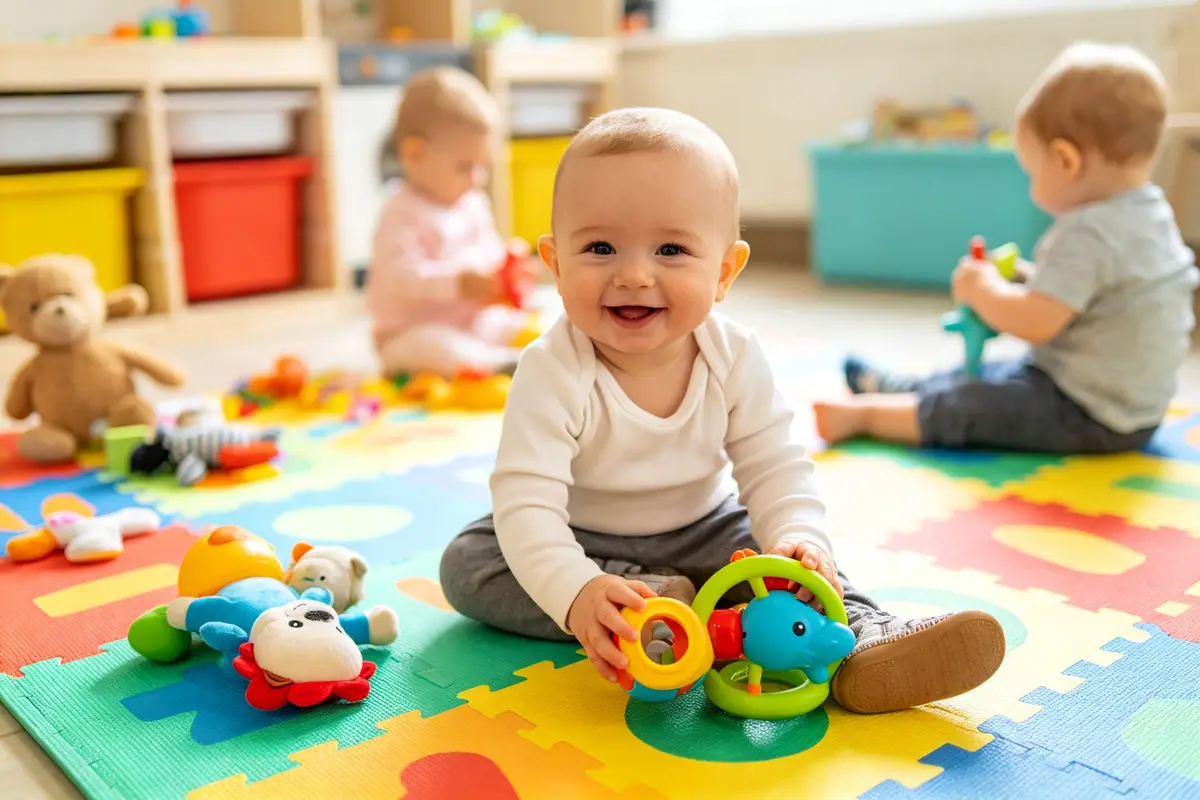
Daycare drop-off can be the hardest part of separation anxiety. Here are some tips that made our drop-offs easier:
- Arrive a few minutes early: Give baby time to settle in, play with a toy, or say hello to the caregiver before you leave. Rushing increases anxiety for both of you.
- Follow the goodbye ritual: Use your consistent goodbye ritual every single time. Consistency builds trust and predictability.
- Hand baby to the caregiver: Physically hand baby to the caregiver rather than trying to extract yourself from their grip. The caregiver can then distract baby with a toy or activity while you make your exit.
- Leave confidently: Don't look back (as hard as it is). Looking back can prolong the crying and make it harder for baby to settle. Trust that the caregiver will comfort baby and that baby will calm down quickly once you're gone. Most babies stop crying within 5-10 minutes of parents leaving.
- Ask for updates: If you're worried, ask the caregiver to send you a photo or text update after drop-off. Seeing that baby is happy and playing will ease your anxiety. Many daycares now use apps that send photos and updates throughout the day.
- Don't return if baby cries: As tempting as it is to go back and comfort baby, returning reinforces the idea that crying brings you back. If you're concerned, call the caregiver 10-15 minutes later to check in, but don't come back in person.
- Make reunions warm and happy: When you pick baby up, greet them with warmth and enthusiasm. A positive reunion reinforces the message that coming back is a good thing, which helps baby feel more secure about future separations.
When to Be Concerned
Separation anxiety is normal, but in some cases, it can be a sign of something more serious. Talk to your pediatrician if:
- Separation anxiety is so severe that it prevents baby from participating in normal activities (playdates, daycare, being with other family members).
- The anxiety persists or worsens beyond age 3, or is significantly more intense than what seems typical.
- Baby has frequent nightmares about separation, or refuses to sleep alone.
- Baby has physical symptoms like headaches, stomachaches, or nausea when separated from you (in older toddlers).
- You notice a sudden, dramatic change in behavior or mood that doesn't seem related to a normal developmental stage.
- Baby seems generally anxious, fearful, or withdrawn across multiple settings, not just during separations.
In most cases, separation anxiety is a normal phase that resolves with time, patience, and consistent coping strategies. But if you're concerned, always trust your instincts and talk to your pediatrician. They can help determine whether what you're seeing is normal or whether further evaluation is needed.
Article Summary
Separation anxiety is a normal, healthy developmental stage that affects almost all babies, typically starting around 8-10 months, peaking between 10-18 months, and gradually improving by age 2-3. It's a sign that baby has formed a secure attachment to you and has developed object permanence—the understanding that you continue to exist even when out of sight. Common signs include crying when you leave, clinginess, resistance to other caregivers, difficult daycare drop-offs, and increased night waking. The most important things to remember are: never sneak out without saying goodbye (it erodes trust and increases anxiety), keep goodbyes short, calm, and confident (baby takes their emotional cue from you), establish a consistent goodbye ritual, practice short separations to build confidence, introduce new caregivers gradually, read books about separation, play peek-a-boo and hide-and-seek to reinforce object permanence, maintain consistent routines, and be patient—this phase will pass. Daycare drop-offs get easier with time and consistency; most babies calm down within 5-10 minutes of parents leaving. Take care of yourself too—separation anxiety is hard on parents, and it's normal to feel guilty or sad. Remember that helping baby learn to cope with separation is an important life skill, and you're doing a wonderful job by supporting them through this challenging but temporary stage.
Frequently Asked Questions
Why does my baby get separation anxiety?
Separation anxiety is a normal developmental stage that typically begins around 8-10 months, when babies develop object permanence — the understanding that people and things continue to exist even when they can't see them. Before this, babies don't fully understand that you still exist when you leave the room. Separation anxiety peaks around 10-18 months and usually fades by age 2-3, though it can resurface during times of stress or change. It's a sign that your baby has formed a healthy attachment to you.
How can I help my baby through separation anxiety?
Practical strategies include: establish a consistent, short goodbye routine (a kiss, a wave, a special phrase) and then leave without lingering or coming back — coming back can make it harder; practice short separations at home first, gradually increasing the time; always say goodbye rather than sneaking out (sneaking out can increase anxiety because your baby doesn't know if you'll come back); leave your baby with familiar caregivers; and acknowledge your baby's feelings with empathy — 'I know it's hard when I leave, but I'll come back.' Reassure yourself that your baby will usually calm down within minutes of you leaving.
How do I handle toddler tantrums?
Tantrums are a normal part of toddler development, happening because toddlers have strong emotions but limited language skills to express them. During a tantrum: stay calm (your calm helps them regulate), ensure your child is safe (move them away from danger if needed), don't reason or negotiate during the peak (they can't process it), and don't give in to the demand that triggered the tantrum (this teaches them tantrums work). After the tantrum, offer comfort and connection, then briefly talk about what happened and better ways to express feelings. Prevent tantrums by ensuring your child is well-rested and fed, offering choices within limits, and giving advance warnings before transitions.
How can I support my baby's emotional development?
Support emotional development by: responding consistently and warmly to your baby's needs — this builds secure attachment and emotional security; naming emotions from an early age ('I see you're feeling frustrated,' 'You seem happy') helps babies learn to identify and understand feelings; validating all emotions (it's okay to be sad, angry, or scared) while setting limits on behavior; modeling healthy emotional expression yourself — babies learn by watching how you handle stress and strong emotions; reading books about feelings; and giving your baby plenty of love, attention, and secure physical contact. A strong emotional foundation in infancy supports mental health and social skills for life.
Frequently Asked Questions
When does separation anxiety start and how long does it last?
Separation anxiety typically begins around 8-10 months of age, peaks between 10-18 months, and gradually improves by age 2-3. However, every baby is different—some start as early as 6 months, others not until 12 months or later. Some have mild anxiety lasting a few weeks; others have more intense anxiety that comes and goes throughout the toddler years. Separation anxiety often comes in waves, flaring up during times of stress or change (new sibling, move, change in caregivers, illness) or right before big developmental milestones. It is a normal, healthy developmental stage that almost all babies go through.
What are the most effective coping strategies for separation anxiety?
The most effective strategies include: always saying a clear, calm goodbye (never sneak out, as it erodes trust); keeping goodbyes short and confident (baby takes emotional cues from you); establishing a consistent goodbye ritual (special hug, phrase, then leave); practicing short separations and gradually increasing time to build confidence; introducing new caregivers gradually in familiar settings; reading books about separation (The Kissing Hand, Llama Llama Red Pajama); playing peek-a-boo and hide-and-seek to reinforce object permanence; maintaining consistent daily routines; giving baby time to adjust (it's a phase that passes); and taking care of yourself. For daycare drop-offs: arrive early, follow your ritual, hand baby to the caregiver, leave confidently without looking back, and ask for photo updates if needed.
Is it bad to sneak out when my baby isn't looking?
Yes, sneaking out is one of the most damaging things you can do. When you sneak out without saying goodbye, baby doesn't know if you're coming back, which increases anxiety and makes them more clingy in the future. They learn that you can disappear at any moment without warning, eroding their trust. Even if baby is happily playing and might not notice, always tell them you're leaving. A quick, calm 'Mommy's going to work, I'll see you after dinner' is all it takes. Saying goodbye builds trust and helps baby understand that separation is normal and temporary. It may cause more crying in the short term, but it's essential for long-term anxiety reduction.
When should I be concerned about my baby's separation anxiety?
Separation anxiety is normal, but talk to your pediatrician if: the anxiety is so severe that it prevents baby from participating in normal activities (playdates, daycare, being with family); it persists or worsens beyond age 3 or is significantly more intense than typical; baby has frequent nightmares about separation or refuses to sleep alone; older toddlers have physical symptoms like headaches, stomachaches, or nausea when separated; there's a sudden dramatic change in behavior or mood unrelated to a normal developmental stage; or baby seems generally anxious, fearful, or withdrawn across multiple settings, not just during separations. In most cases, separation anxiety resolves with time and consistent coping strategies, but always trust your instincts and consult your pediatrician if concerned.