
2026-08-07 · Moni Happy Editorial Team
Singapore Pharmacy Distribution for Baby Products: Compliance & Market Entry
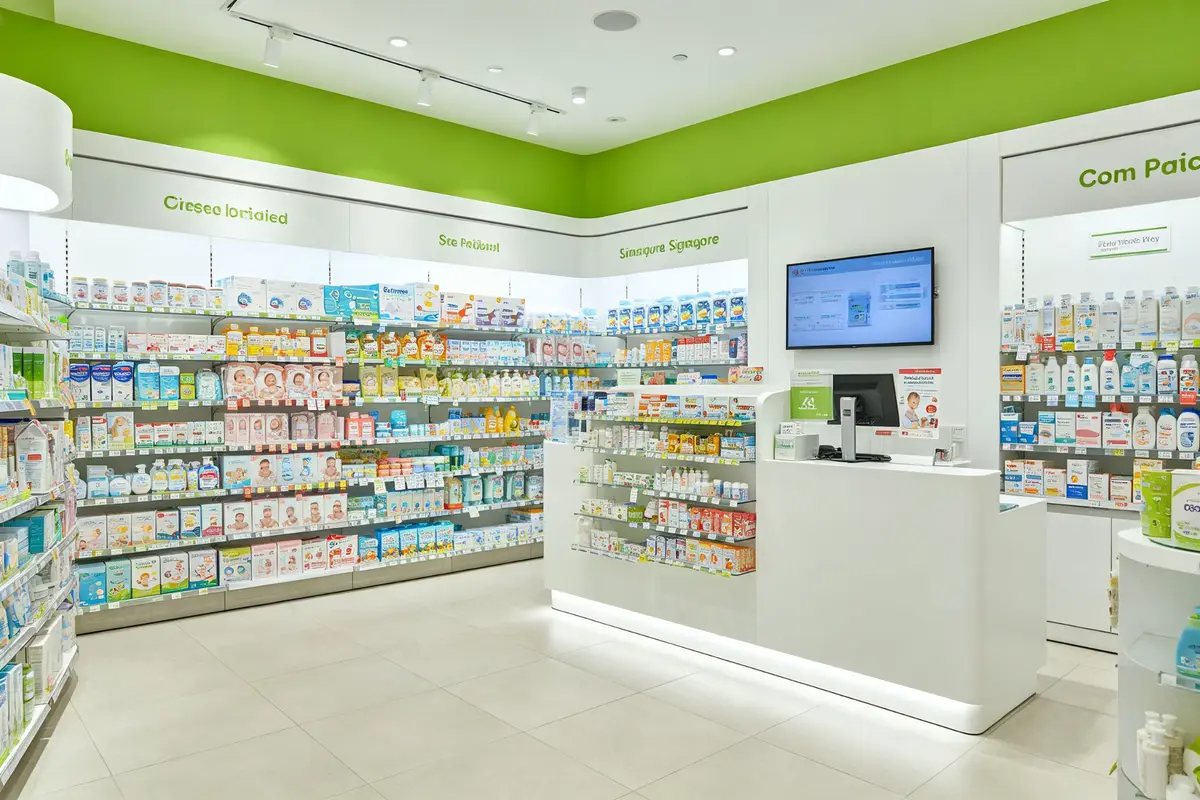
Pharmacies: Singapore's Premier Baby Care Channel
Pharmacies are arguably the most important retail channel for baby products in Singapore. With their extensive store networks, trusted pharmacist recommendations, and curated product selections, pharmacies dominate the market for baby skincare, health products, and premium diapers. For brands and distributors looking to establish a presence in Singapore's baby care market, understanding the pharmacy channel is essential.
Singapore's pharmacy landscape is dominated by three major chains: Guardian, Watsons, and Unity. Together, they operate over 300 stores across the island, with locations in shopping malls, residential areas, business districts, and transport hubs. These chains cater to a broad range of consumers, from value-conscious shoppers to premium buyers, and offer a wide selection of baby products from both international and local brands.
Independent pharmacies and hospital pharmacies also play important roles in specific market segments. Independent pharmacies, often located in residential areas, offer personalized service and may carry niche or specialized products. Hospital pharmacies, meanwhile, are important channels for products recommended by pediatricians and for newborn care essentials.
Why Pharmacies Matter for Baby Products
Pharmacies occupy a unique position in Singapore's baby care retail landscape, offering several advantages over other channels. The most important is trust. Singaporean parents have a high level of trust in pharmacists, who are seen as knowledgeable and impartial advisors. Pharmacist recommendations can significantly influence purchasing decisions, especially for products related to baby skincare, health, and sensitive skin conditions.
Pharmacies also offer a curated shopping experience that appeals to quality-conscious consumers. Unlike supermarkets, which carry a wide range of products across many categories, pharmacies focus on health and wellness, and their baby product selections are carefully chosen to meet quality and safety standards. This curation gives consumers confidence that the products on pharmacy shelves have been vetted and are suitable for their babies.
Convenience is another factor. With over 300 pharmacy stores across the island, Singaporean parents are never far from a pharmacy. Many pharmacies are located in MRT stations and shopping malls, making them easily accessible during daily commutes and shopping trips. Pharmacies also offer extended opening hours, with many stores open late into the evening and on weekends, providing flexibility for busy working parents.
Regulatory and Compliance Landscape
Singapore has one of the most stringent regulatory environments for consumer products in Southeast Asia, and baby products are no exception. The Consumer Protection (Safety Requirements) Regulations, administered by Enterprise Singapore, mandate the Singapore Safety Mark for certain product categories, including some baby products. The Safety Mark indicates that a product has been tested and meets relevant safety standards, and it is a prerequisite for sale in many retail channels, including pharmacies.
For baby skincare products, compliance with the ASEAN Cosmetic Directive is required, and products must be notified with the Health Sciences Authority (HSA) before they can be sold in Singapore. The notification process requires submission of product information, ingredient lists, and safety assessments. Products making therapeutic claims, such as treatment for eczema or diaper rash, may be classified as medicated products and subject to additional regulation and registration requirements.
Pharmacies also have their own internal quality and safety standards that products must meet before they are accepted for sale. These may include requirements for product testing, insurance coverage, supply chain transparency, and compliance with ethical sourcing practices. Products with additional certifications, such as dermatological testing, hypoallergenic claims, organic certifications, and cruelty-free status, are particularly attractive to pharmacy buyers.
Product Selection and Buyer Expectations
Pharmacy buyers in Singapore have rigorous product selection processes, and competition for shelf space is intense. When evaluating new baby products, buyers consider a range of factors, including product quality and safety certifications, brand reputation and track record, market demand and consumer trends, competitive landscape, margin structure, and marketing support. Products that can demonstrate a unique value proposition and fill a gap in the existing product assortment are most likely to be accepted.
For baby skincare products, scientific backing is particularly important. Products with clinical studies, dermatological testing, and pediatrician recommendations are highly attractive to pharmacy buyers, as they can be confidently recommended by pharmacists to consumers. Products addressing specific skin concerns, such as eczema, sensitive skin, and diaper rash, are also in demand, as these are common concerns for Singaporean parents.
For diapers and wipes, performance and innovation are key differentiators. Products with advanced absorbency technology, leak protection, breathable materials, and eco-friendly features are attractive to buyers. Premium and super-premium products are particularly well-suited to the pharmacy channel, as pharmacy customers are often willing to pay premium prices for quality and performance.
Marketing support is another important consideration. Pharmacy buyers expect brands to provide in-store promotional support, including product displays, sampling programs, promotional discounts, and pharmacist education materials. Brands that can offer comprehensive marketing support, including training for pharmacy staff on product features and benefits, are more likely to succeed in the pharmacy channel.
Market Entry Strategy
For new brands and distributors looking to enter the Singapore pharmacy channel, a strategic approach is essential. The first step is to ensure that all regulatory and compliance requirements are met, including obtaining the Singapore Safety Mark where required, completing HSA notification for cosmetic products, and obtaining any additional certifications that can enhance product credibility. Approaching pharmacy buyers without proper compliance documentation is likely to result in immediate rejection.
The second step is to build market traction through alternative channels before approaching major pharmacy chains. E-commerce platforms, independent pharmacies, and specialized baby boutiques can be effective channels for building brand awareness, gathering consumer feedback, and demonstrating market demand. Products that can show strong sales performance and positive consumer reviews in these channels are much more attractive to pharmacy buyers.
The third step is to develop a compelling value proposition and marketing package for pharmacy buyers. This should include detailed product information, scientific backing and certifications, competitive analysis, margin structure, marketing support plan, and sales projections. Professional presentation materials, including product samples, display mockups, and pharmacist education materials, can significantly enhance the chances of success.
Partnering with an experienced local distributor is often the most effective way to enter the Singapore pharmacy market. Local distributors have existing relationships with pharmacy buyers, understand the regulatory and compliance landscape, and have the infrastructure and expertise to manage distribution, merchandising, and promotions. For international brands, working with a reputable local distributor can significantly accelerate market entry and reduce the risk of costly mistakes.
Future Outlook
The pharmacy channel in Singapore is expected to continue growing in importance for baby products, as parents increasingly value the trust, convenience, and curation that pharmacies offer. The trend toward premiumization and health-conscious consumerism is likely to further strengthen the pharmacy channel, as these are precisely the values that pharmacies embody.
For brands and distributors, the key to success in the Singapore pharmacy channel lies in understanding the unique needs and expectations of pharmacy buyers and consumers, ensuring full regulatory compliance, building market traction through alternative channels, and investing in marketing and education that builds trust and credibility. Those who can effectively navigate this dynamic and demanding channel will be well-positioned to capture significant share in one of Asia's most sophisticated baby care markets.
Frequently Asked Questions
What are the major pharmacy chains in Singapore?
The three major pharmacy chains in Singapore are Guardian (over 100 stores), Watsons (over 100 stores), and Unity (over 80 stores, part of NTUC FairPrice). These chains dominate the pharmacy retail landscape and are the primary channels for baby skincare, health products, and premium diapers. Independent pharmacies and hospital pharmacies also play important roles in specific segments.
What regulatory requirements apply to baby products sold in Singapore pharmacies?
Baby products sold in Singapore must comply with the Consumer Protection (Safety Requirements) Regulations, with the Singapore Safety Mark required for certain product categories. For skincare products, compliance with the ASEAN Cosmetic Directive and notification with the Health Sciences Authority (HSA) is required. Products making therapeutic claims may be classified as medicated products and subject to additional regulation. Pharmacies also have their own internal quality and safety standards.
How do pharmacy chains select baby products for their shelves?
Pharmacy chains in Singapore have rigorous product selection processes that consider factors such as product quality and safety certifications, brand reputation and track record, market demand and consumer trends, competitive landscape, margin structure, and marketing support. Products with dermatological testing, pediatrician recommendations, and strong scientific backing are particularly attractive to pharmacy buyers. New brands often need to demonstrate market traction through e-commerce or smaller retailers before approaching major chains.
What is the best market entry strategy for baby products targeting Singapore pharmacies?
The best approach is to start with e-commerce and independent pharmacies to build brand awareness and gather consumer feedback, then approach major pharmacy chains once the brand has some traction. Investing in professional marketing materials, pharmacist education programs, and in-store promotions is essential. Obtaining all necessary certifications and compliance documentation before approaching buyers is also critical. Partnering with an experienced local distributor who has existing relationships with pharmacy buyers can significantly accelerate market entry.