
2026-08-02 · Moni Happy Editorial Team
Thai Consumer Shift Toward Eco-Friendly Baby Wipes: Market Insights 2026
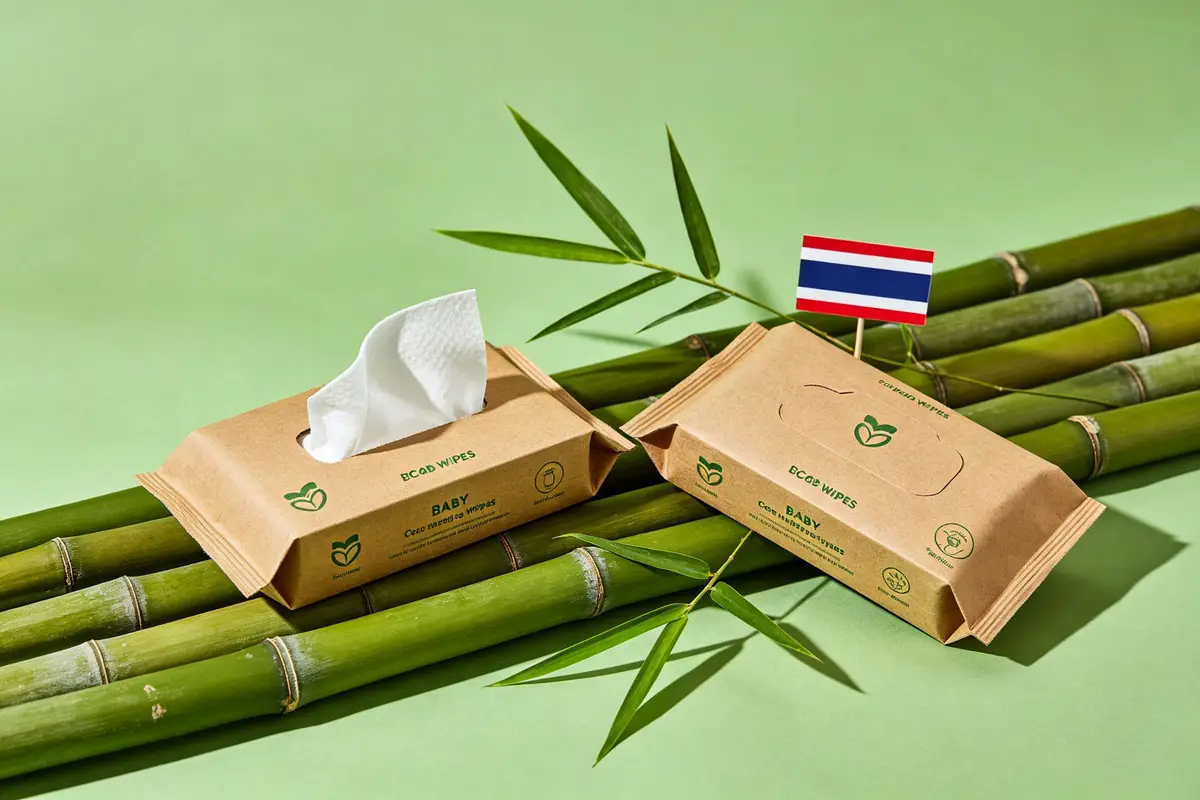
The Green Shift in Thai Baby Care
Thailand's baby wipes market is undergoing a significant transformation as consumers increasingly prioritize eco-friendly and sustainable products. Driven by growing environmental awareness, concerns about plastic pollution, and a desire for gentler products for sensitive baby skin, the eco-friendly wipes segment is emerging as one of the fastest-growing categories in the Thai baby care market.
This shift is particularly pronounced among urban millennial parents in Bangkok, Chiang Mai, and Phuket, where environmental consciousness is highest and disposable income supports premium purchasing decisions. For distributors and brands, understanding this trend and positioning products accordingly can unlock significant growth opportunities.
What Makes Wipes "Eco-Friendly"?
The term "eco-friendly" encompasses several attributes that resonate with Thai consumers. The most important is the material used for the wipe itself. Bamboo-based wipes, cotton wipes, and other plant-based fibers are gaining popularity as alternatives to traditional polyester/viscose blends. These materials are often marketed as biodegradable, compostable, or more sustainable than conventional options.
Packaging is another key consideration. Plastic-free packaging, recyclable materials, and reduced plastic usage are strong selling points for eco-conscious consumers. Some brands are also introducing refillable packaging systems to reduce waste, though this concept is still in its early stages in the Thai market.
Ingredients matter too. Eco-friendly wipes typically feature natural, plant-derived ingredients like aloe vera, chamomile extract, and green tea, while avoiding parabens, alcohol, artificial fragrances, and other potentially irritating chemicals. This aligns with the broader trend toward clean label and natural baby care products.
Consumer Demographics and Preferences
The primary consumers of eco-friendly baby wipes in Thailand are urban, educated, middle-to-upper-income parents, typically between 25 and 40 years old. These parents are environmentally conscious, health-focused, and willing to pay a premium for products that align with their values. They are also digitally savvy, researching products online and reading reviews before making purchasing decisions.
While price remains a consideration, many eco-conscious parents view the premium as an investment in both their baby's health and the environment. The premium for eco-friendly wipes typically ranges from 20-40% over conventional products, though this varies by brand and product features.
Interestingly, the demand for eco-friendly wipes is not limited to parents with babies who have sensitive skin. Many parents choose eco-friendly wipes proactively, believing that natural and sustainable products are inherently better for their baby's skin, even if their baby doesn't have diagnosed sensitivities.
Distribution Channel Strategy
Eco-friendly baby wipes require a targeted distribution approach that aligns with the preferences of their target consumers. The most effective channels include:
Pharmacies: Pharmacies are a critical channel for eco-friendly wipes, as consumers seek expert advice and trust pharmacist recommendations. Products that are dermatologically tested, hypoallergenic, and recommended by healthcare professionals perform particularly well in this channel.
Natural and Organic Boutiques: Specialized baby boutiques that focus on natural and organic products are ideal for eco-friendly wipes. These stores attract consumers who are already predisposed to sustainable products and are willing to pay premium prices.
E-commerce: Online platforms like Shopee and Lazada are essential for reaching eco-conscious consumers, who often research and compare products online. E-commerce also allows brands to tell their sustainability story through detailed product listings, customer reviews, and educational content.
Supermarkets: While eco-friendly wipes are still niche in mass retail, some forward-thinking supermarket chains are beginning to stock sustainable options. Distributors should monitor this channel and consider expansion as consumer demand grows.
Marketing and Brand Building
Success in the eco-friendly wipes market requires more than just a good product—it requires effective marketing and brand building. Consumers need to understand why eco-friendly wipes are better, both for their baby and for the environment. This means investing in educational content, influencer partnerships, and transparent communication about product ingredients and sustainability practices.
Influencer marketing is particularly effective in Thailand, where mommy bloggers and parenting influencers have significant followings and high engagement rates. Partnering with influencers who are passionate about sustainability and natural parenting can help build credibility and reach target consumers authentically.
Certifications and third-party validations also play an important role in building trust. FSC certification for wood-based materials, dermatological testing, hypoallergenic claims, and cruelty-free certifications all help differentiate eco-friendly products from conventional alternatives.
Future Outlook
The future of eco-friendly baby wipes in Thailand looks promising. As environmental awareness continues to grow, especially among younger generations of parents, demand for sustainable baby care products is expected to increase. Innovations in materials science, packaging, and manufacturing processes are also likely to drive down costs and make eco-friendly products more accessible to a broader range of consumers.
For distributors and brands, the key to success lies in understanding consumer needs, building trust through transparency and education, and choosing the right distribution channels. Those who can effectively navigate this evolving market will be well-positioned to capture significant share in one of Thailand's fastest-growing baby care segments.
Related Products
Explore our complete range of premium baby care products, designed for sensitive skin and everyday comfort:
- Baby Wet Wipes — Ultra-soft, dermatologist-tested, and crafted for your baby's delicate skin.
- Baby Diapers & Tape Diapers — Ultra-soft, dermatologist-tested, and crafted for your baby's delicate skin.
- Cotton Soft Towels & Face Towels — Ultra-soft, dermatologist-tested, and crafted for your baby's delicate skin.
Frequently Asked Questions
How fast is the eco-friendly baby wipes market growing in Thailand?
The eco-friendly baby wipes segment is growing at an estimated 15-20% annually in Thailand, significantly faster than the overall wipes market. This growth is driven by increasing environmental awareness, especially among urban millennial parents in Bangkok and major cities.
What eco-friendly features do Thai consumers look for in baby wipes?
Thai consumers prioritize biodegradable materials (bamboo, cotton), plastic-free packaging, natural ingredients (aloe vera, chamomile), and certifications (FSC, dermatologically tested, hypoallergenic). Compostable and flushable options are also gaining interest, though flushable wipes remain controversial.
Are eco-friendly wipes more expensive than regular wipes?
Yes, eco-friendly baby wipes typically cost 20-40% more than conventional wipes. However, a growing segment of Thai parents is willing to pay this premium for products that align with their environmental values and are gentler on their baby's sensitive skin.
Which distribution channels work best for eco-friendly wipes in Thailand?
Eco-friendly wipes perform best in pharmacies (where consumers seek expert advice), natural/organic baby product boutiques, and e-commerce (where consumers can research and compare products). Supermarkets are beginning to stock eco-friendly options, but the category is still niche in mass retail.