
2026-09-15 · Moni Happy Editorial
Toddler Biting: Why It Happens & How to Respond Calmly — A Mom's Guide

If you have ever been on the receiving end of a toddler bite, you know how shocking it can be. One minute your little one is cuddling you, the next they are clamping down on your shoulder like a tiny piranha. I still remember the first time my son bit me — I yelped so loud he started crying, and then I felt terrible for reacting that way. Toddler biting is incredibly common, especially between 12 and 36 months, but that does not make it any less stressful. After going through this phase twice, I have learned what works, what does not, and how to keep your cool when those little teeth come out.
Why Do Toddlers Bite, Anyway?
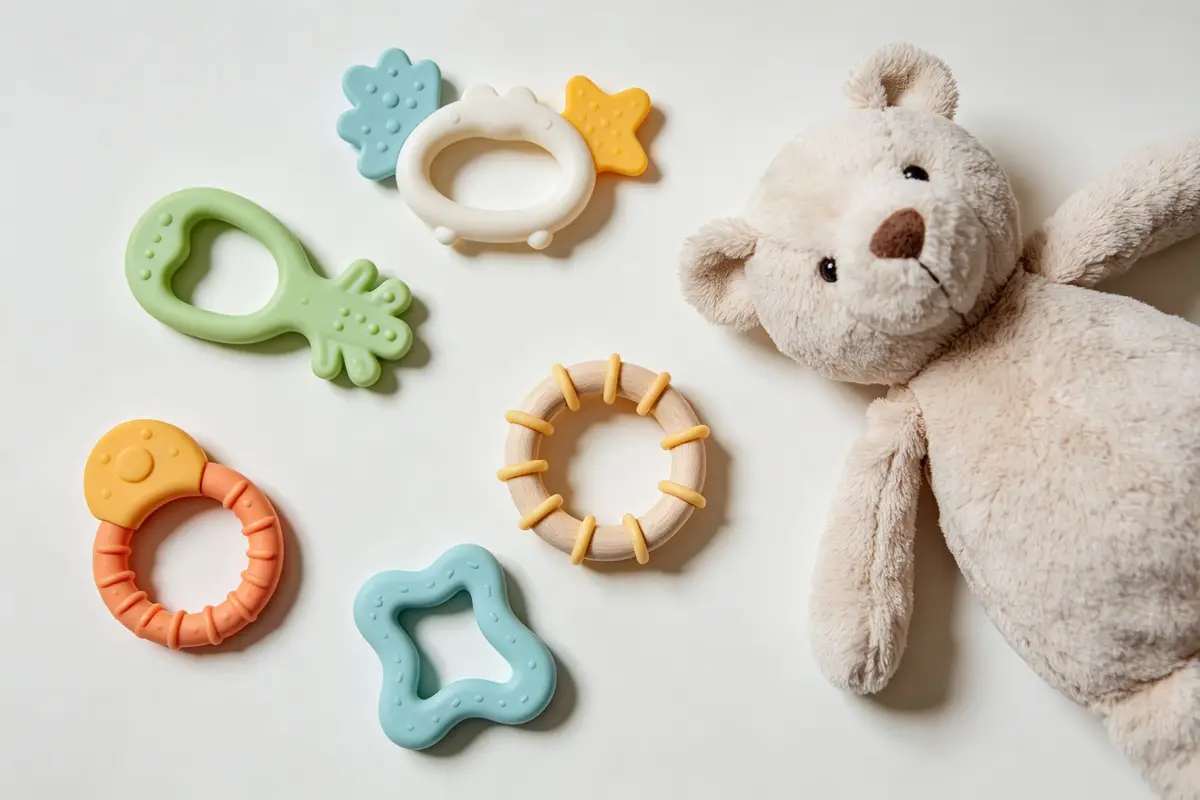
Before we talk about how to respond, it helps to understand why toddlers bite in the first place. In most cases, biting is not a sign of aggression or a "bad kid" — it is usually a communication tool or a sensory impulse. Here are the most common reasons I have seen with my own kids and heard from other parents: They are teething — those molars coming in can hurt, and biting down on something (or someone) provides pressure relief. This is especially common around 12-18 months when the first molars erupt. They cannot express big feelings yet — toddlers feel frustration, anger, excitement, and overwhelm intensely, but they do not have the words to express these emotions. Biting is a quick, effective way to communicate "I am mad" or "I need space." They are exploring cause and effect — toddlers are little scientists. They bite to see what happens: "If I bite Mommy, does she make a funny noise? Does the other kid cry?" It is not malicious; it is experimentation. They are overstimulated or tired — a tired, hungry, or overstimulated toddler has zero impulse control. Biting often happens at the end of a long playdate, during transitions, or when they have missed a nap. They want attention — even negative attention is attention. If a toddler learns that biting gets a big reaction, they may do it again to get that response. They are copying another child — if they see another child bite at daycare or on a playdate, they may try it themselves. Understanding the cause is half the battle. If your toddler is biting because they are teething, offering a teething toy is the solution. If they are biting out of frustration, teaching emotional language and coping skills is the answer. If they are overstimulated, prevention through better scheduling is key.
How to Respond in the Moment (and What Not to Do)
When a bite happens, your immediate response matters a lot. Here is what has worked for me, along with what I learned to avoid. What to do: Stay calm and use a firm, low voice. Say "No biting. Biting hurts." Keep it short and simple — toddlers do not process long lectures in the heat of the moment. Immediately remove your child from the situation if they bit another child. Give attention to the victim first (if it is another child), which sends the message that biting does not get you the spotlight. Offer a teething toy or a cold washcloth if the biting seems related to teething. Once everyone is calm, briefly name the feeling: "I know you were mad because she took your truck. But we do not bite. We use our words." Then redirect to a new activity. What not to do: Do not bite back. I know some people swear by this, but it teaches children that biting is an acceptable way to solve problems, and it can escalate the situation. Do not yell or overreact — a big dramatic reaction can actually reinforce the behavior because it gets attention. Do not label your child as "a biter" — labels stick, and children often live up to (or down to) the labels we give them. Do not punish with timeouts that are too long — for toddlers, a brief 1-2 minute calm-down is more effective than a long timeout. Do not force an apology before your child is ready — a forced "sorry" does not teach empathy. Wait until they are calm, then model the apology yourself and invite them to join in. The key is consistency. Toddlers need to hear the same message ("No biting. Biting hurts.") every single time, delivered calmly and firmly. It may take weeks or even months, but eventually, the message sinks in.
Prevention Strategies That Actually Work
After the initial shock of the first few bites, I realized that prevention is far more effective than reacting after the fact. Here are the strategies that made the biggest difference for us: Teach emotional language early — Start naming feelings for your toddler from a young age: "You look frustrated," "I see you are excited," "That makes you sad, doesn't it?" When children have words for their feelings, they are less likely to use their teeth. We practiced "I am mad" and "I need help" so much that it became a habit. Offer appropriate biting alternatives — If teething is the trigger, always have a teething toy, a cold washcloth, or a silicone chew necklace available. We kept a basket of chew toys within reach and would say "You can bite the toy, not people" whenever the urge struck. For a complete range of baby care products that make parenting easier, explore Moni Happy's product collection. Watch for triggers and intervene early — I learned to recognize my son's "biting face" — the clenched jaw, the furrowed brow, the lean-in. When I saw it, I would step in before the bite happened: "I see you are getting frustrated. Let's take a break" or "Use your words: 'Mine, please.'" Manage tiredness and hunger — So many biting incidents happened when my kids were overtired or hungry. We made sure to stick to nap schedules, bring snacks to playdates, and leave social events before the meltdown threshold. A well-rested, well-fed toddler is a toddler with impulse control. Praise gentle behavior — When your toddler uses gentle hands, shares, or expresses feelings with words, praise it specifically: "I love how you used your words to tell her you were mad!" or "Thank you for being gentle with the baby." Positive reinforcement goes much further than punishment. Role-play with stuffed animals — We used teddy bears to act out scenarios: "Teddy is mad because Bear took his block. What should Teddy do? Should he bite? No! He should say 'My turn, please!'" Toddlers learn through play, and role-playing helps them practice the right response before the real situation arises. Keep playdates short and supervised — In the early days, we kept playdates to 45-60 minutes and stayed within arm's reach. Longer playdates meant more fatigue and more biting opportunities. As the biting phase passed, we gradually extended playdate time.
When to Worry and When to Seek Help
Most toddler biting is a phase that passes with consistent guidance. However, there are some situations where it is worth talking to your pediatrician or a child behavior specialist: if the biting is frequent and intense despite weeks of consistent intervention; if the bites cause injury (breaking skin, leaving deep marks); if your child seems to enjoy biting or shows no remorse; if biting is accompanied by other concerning behaviors like frequent hitting, head-banging, or extreme tantrums; if your child is older than 3-4 and still biting regularly; or if you feel overwhelmed, anxious, or like you are losing your patience. There is no shame in asking for help. A pediatrician or child psychologist can assess whether there is an underlying issue (like sensory processing differences, speech delays, or anxiety) and give you personalized strategies. I also want to say this: it is not your fault. Toddler biting does not mean you are a bad parent or that your child is "bad." It is a developmental phase that many, many children go through. I have seen gentle, attentive parents deal with biting, and I have seen parents who do everything "right" still go through it. What matters is how you respond — with patience, consistency, and love. And one day, seemingly out of nowhere, the biting just stops. My son went through a solid three months of biting at daycare, and then one day he just... stopped. His teachers said he started using his words instead, and we never had another incident. It does get better, I promise.
Frequently Asked Questions
Is toddler biting a sign of aggression?
No. Most toddler biting is not aggression. It is usually a communication tool, teething relief, cause-and-effect exploration, or a response to overstimulation. Toddlers lack the words and impulse control to express big feelings, so biting becomes a quick way to communicate.
Should I bite my toddler back to teach them a lesson?
No. Biting back teaches children that biting is an acceptable way to solve problems and can escalate the situation. It also models aggressive behavior. Instead, respond calmly with a firm 'No biting, biting hurts' and redirect to appropriate behavior.
How long does the toddler biting phase last?
Most biting phases last a few weeks to a few months. With consistent, calm responses and prevention strategies, many children outgrow biting by age 2-3. If biting persists beyond age 3-4 or is frequent and intense, consult your pediatrician.
What should I do if my toddler bites at daycare?
Work with your daycare provider to create a consistent response plan. Ask them to track when biting happens (time of day, triggers, what happened before) so you can identify patterns. Make sure both home and daycare use the same calm, firm response. Share prevention strategies like teething toys, emotional language teaching, and ensuring adequate naps and snacks.