
2026-09-17 · Moni Happy Editorial
Toddler Dressing Themselves: How to Survive Morning Battles

The morning my 2-year-old insisted on dressing herself, we were 20 minutes late to playgroup. She wore a sparkly princess dress, rain boots, and her brother's winter hat — in 28°C weather. I had a choice: fight her on it, or let her be. I learned quickly that choosing battles is half the job of parenting a toddler. Here's how we got from morning meltdowns to a (mostly) smooth dressing routine.
Why Toddlers Want to Dress Themselves
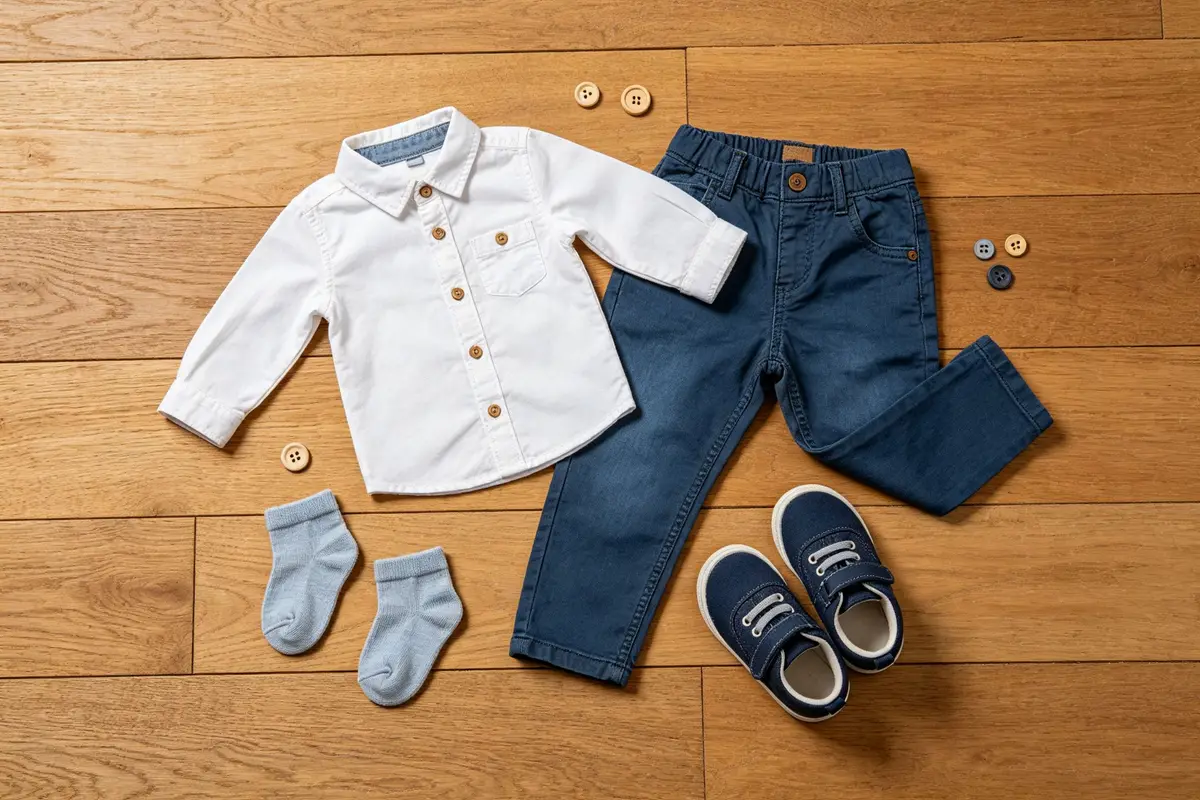
Your toddler's insistence on dressing themselves is not about fashion sense — it's about autonomy. Around age 2, toddlers develop a strong desire to do things independently. "Me do it!" is the phrase of the year. Dressing is one of the most visible ways they can assert control. The more you fight it, the more they dig in. The trick is to give them limited choices within safe boundaries. Instead of "Put on your shirt," say "Do you want the red shirt or the blue shirt?" Both choices are acceptable, but they feel like they're in control. Start with easy items: socks, shoes (Velcro, not laces), pullover shirts (no buttons), elastic-waist pants. Leave buttons, zippers, and complex layers for when they're older. Give extra time — a dressing self-sufficient toddler will take 10-15 minutes. Rushing the process is a setup for a power struggle. For getting dressed on the go, soft, comfortable essentials like Moni Happy's pants are easy for little hands to pull up and down.
What Actually Works for Morning Dressing Battles
After many mornings of tears, here's our system: Pick out clothes the night before. Lay out the next day's outfit (with two choices for your toddler to pick from) before bed. This removes the morning decision-making stress. Use the two-choice method. "Do you want the bear shirt or the car shirt?" Both are weather-appropriate. They feel independent, you stay in control. Make it a game. "Let's race the socks!" or "Can your arm find the tunnel?" Making dressing fun turns a chore into a game. Let them wear the outfit. Even if it doesn't match, even if it's "wrong," let them wear it. The social lesson of matching can wait. What matters now is their confidence and independence. Start with easy fasteners. Velcro shoes, pull-on pants, and large, simple buttons. Avoid zippers, small buttons, and ties. Model and narrate. Show them how to put on a sock while narrating: "First you put your foot in, then you pull it up." Repetition helps. Keep a backup. If you really are running late, have a simple outfit ready and offer "Mama helps today, you do it tomorrow." Celebrate small wins. Even a half-on sock deserves a cheer. Positive reinforcement builds skills and confidence. For changing on the go, soft, gentle care with Moni Happy's wipes makes transitions easier. Explore Moni Happy's collection for comfortable toddler essentials.
When to Worry About Dressing Skills
Most toddlers can: put on loose clothing (around 2-3 years), take off their own clothes (around 2 years), put on shoes (around 2.5-3 years, but may put on the wrong foot), and manage large buttons (around 3 years). Full independence with zippers, small buttons, and laces usually comes around 4-5 years. If your 4-year-old has great difficulty with dressing — cannot put on any clothing items, gets extremely frustrated with all self-care tasks, or seems significantly behind other kids their age — mention it to your pediatrician. Motor skill delays are common and often help with simple exercises, but early intervention helps. For most toddlers, the best approach is patience, choices, and letting them wear the sparkly dress with the rain boots. It's a phase. It passes. (Usually.)
Frequently Asked Questions
When can toddlers start dressing themselves?
Most toddlers start showing interest around age 2. By 2-3 years they can put on loose clothing, take off clothes, and put on Velcro shoes. Large buttons come around 3 years, while zippers, small buttons, and laces develop around 4-5 years. Start with easy items and give them time.
How do I stop toddler dressing battles?
Give limited choices ("red shirt or blue shirt?"), lay out clothes the night before, make it a game, start with easy fasteners (Velcro, pull-on pants), give extra time, and let them wear the outfit even if it doesn't match. Rushing leads to power struggles. Celebrate small wins.
Is it normal for a toddler to want to dress themselves?
Yes. Wanting to dress themselves is a sign of developing autonomy and independence — a normal and healthy part of toddler development. "Me do it!" is the hallmark of the 2-year-old years. Fighting this desire increases resistance; offering choices within safe boundaries reduces it.
What if my toddler dresses the wrong way?
Let them wear it. Wearing the wrong outfit inside out, mismatched, or in the wrong weather is usually harmless. The social lesson of matching can wait until age 4-5. What matters now is their confidence, fine motor practice, and sense of independence. Offer a compromise (a jacket) rather than forcing a change.