
2026-09-17 · Moni Happy Editorial
Toddler Hair Washing: How to Stop the Tears and Make It Easy
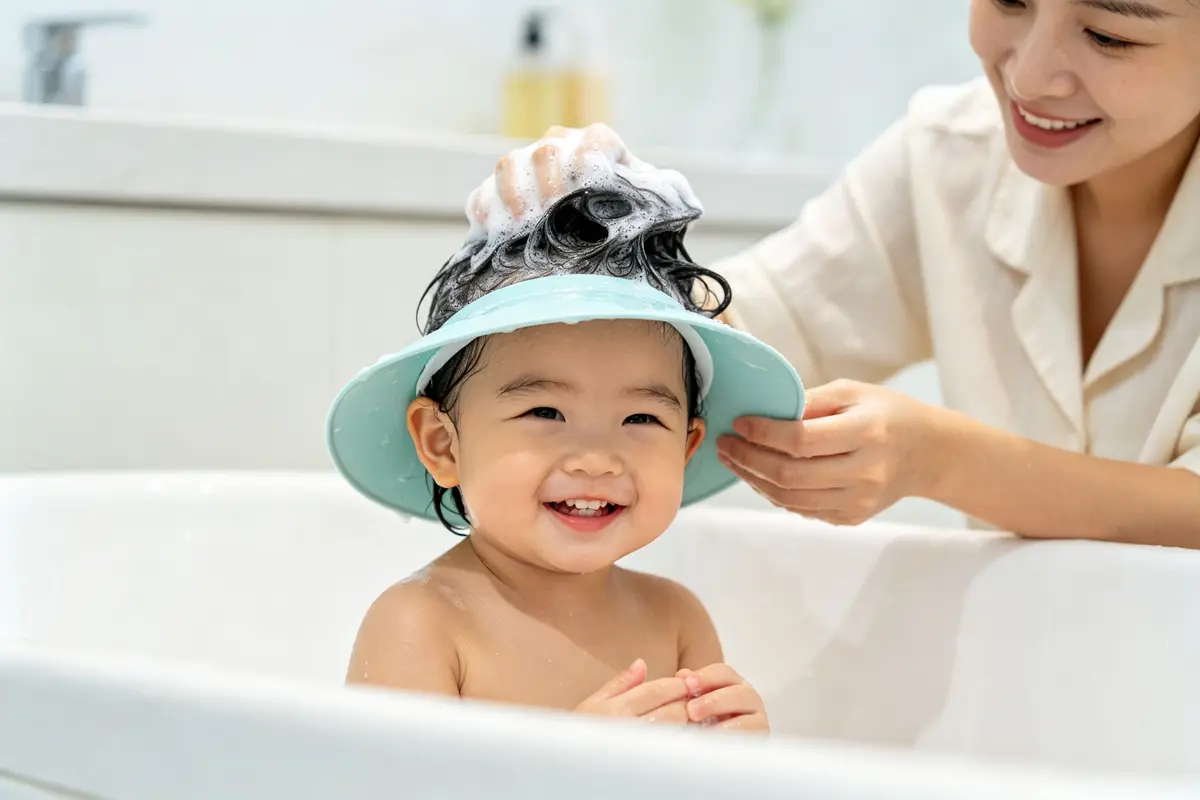
Bath time at our house used to be one of the easiest parts of the routine. Then my daughter turned 2, and washing her hair became a production. The second the water touched her scalp, the screaming started. Tears, flailing, the whole bathroom wet. I dreaded hair wash night. After months of struggle, we finally found a system that works. Here's what I learned about why toddlers hate having their hair washed and how to make it easier.
Why Do Toddlers Hate Having Their Hair Washed?
If your toddler screams through every hair wash, you're not alone. Hair washing is one of the most common bath time struggles. Here's why it happens: Water in the eyes and face. The #1 reason. Even a small trickle of soapy water in a toddler's eyes can be terrifying. They associate the sensation with pain and panic. The feeling of water on the head. For some kids, the sensation of water pouring over their head and face feels like an invasion. It's overstimulating. Shampoo in the eyes burns. Even "tear-free" shampoo can sting if it gets directly in the eye. Lack of control. Toddlers want to be in charge. Having water poured over their head while they sit in a tub is the opposite of control. Past bad experiences. If they once got shampoo in their eyes or were made to feel rushed, they may associate the whole experience with fear. The good news is that most toddlers grow out of this phase. In the meantime, there are practical things you can do to make hair washing less traumatic for everyone.
What Actually Works: Our Hair Wash Survival Kit
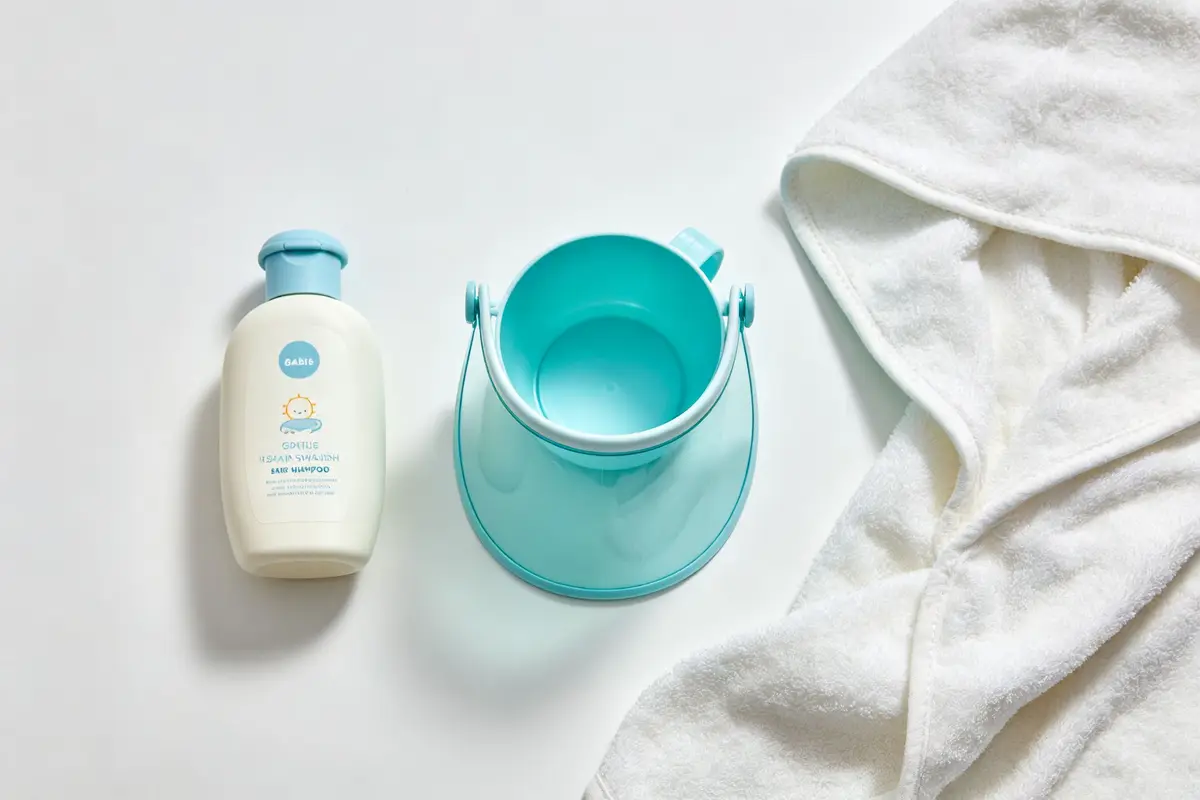
After trying everything, here's what made hair washing tolerable (and sometimes even fun): Use a shampoo visor or rinse cup. This is the single biggest game-changer. A soft plastic visor fits around your toddler's forehead and keeps water and soap out of their face and eyes. There are also special rinse cups with a curved spout that direct water away from the face. We used both — a visor for washing, a rinse cup for rinsing. Tilt their head back. Gently tilt your toddler's head back and support their neck with your hand. Pour water slowly from the forehead backward, not from the top down. This keeps water away from the face. Use a cup, not the showerhead. Pour water from a cup or small jug rather than using the shower or faucet spray. It gives you more control over where the water goes. Use tear-free shampoo, but still be careful. Tear-free shampoo is less likely to sting, but it's not magic. Apply shampoo gently to the scalp with your fingertips, avoiding the hairline and forehead where it can run into eyes. Make it a game. "Let's give the bubbles a ride!" or "Watch the water go over the mountain!" Sound silly? It works. Make hair washing part of the play rather than a chore. Let them help. Let your toddler hold the washcloth, squeeze the shampoo (with your hand over theirs), or pour the rinse water themselves. Giving them a sense of control reduces resistance. Use a favorite washcloth or toy. A special duck or cup that only comes out during hair wash time can make it feel like a treat. Keep it quick. Minimize the time their head is wet. Wash, rinse, done — then wrap them in a warm, soft towel immediately. Praise the brave parts. Even if there were tears, acknowledge what went well: "You kept your head back so well! You were so brave." Positive reinforcement builds confidence for next time. Warm towel reward. A warm, soft towel right after hair washing is a comforting reward. For gentle care during bath time, keep a soft, quick-drying towel within reach. Explore Moni Happy’s baby care range for more.
What If They Still Hate It?
Some toddlers just don't like having their hair washed, and that's okay. You can wash hair less frequently (every 3-4 days is enough for most toddlers), use a washcloth to spot-clean the scalp between washes, or use a no-rinse shampoo cap for resistant nights. Some parents use the "dry shampoo" approach (gently massaging the scalp with a warm, damp cloth) on off-nights. Keep trying — most toddlers grow out of hair-wash resistance by age 4-5 as they gain more control and understanding. Until then, keep your visor handy, your patience nearby, and remember: the screaming is temporary. (So is the wet bathroom.)
Frequently Asked Questions
Why does my toddler hate having their hair washed?
Most toddlers hate hair washing because water or soap gets in their eyes (it stings and is scary), the sensation of water on the face feels overstimulating, and they lack control. Past bad experiences (shampoo in eyes) can reinforce the fear. This is very common and most toddlers grow out of it by age 4-5.
How do I keep water out of my toddler's eyes when washing hair?
Use a shampoo visor (a soft plastic shield that fits around the forehead), tilt your toddler's head back, pour water from a cup from the forehead backward (not from the top down), use a special rinse cup with a curved spout, and apply shampoo away from the hairline. Tear-free shampoo helps but isn't foolproof.
How often should I wash my toddler's hair?
Most toddlers need their hair washed 2-3 times per week. If your toddler resists, you can wash hair less frequently and use a warm damp washcloth to clean the scalp between washes. Focus on the scalp (where oil and sweat build up) rather than lathering the entire length of hair.
My toddler screams every time I wash their hair. Should I just stop?
Do not stop entirely — hair still needs cleaning. But you can make it easier: use a visor or rinse cup, keep it quick, make it a game, let them help, and use a warm, soft towel as a reward. If it's a major battle, wash hair every 3-4 days rather than daily, and spot-clean the rest. Most toddlers outgrow this phase.