
2026-09-14 · Moni Happy Editorial
Toddler Potty Training: When to Start, Methods & Handling Setbacks
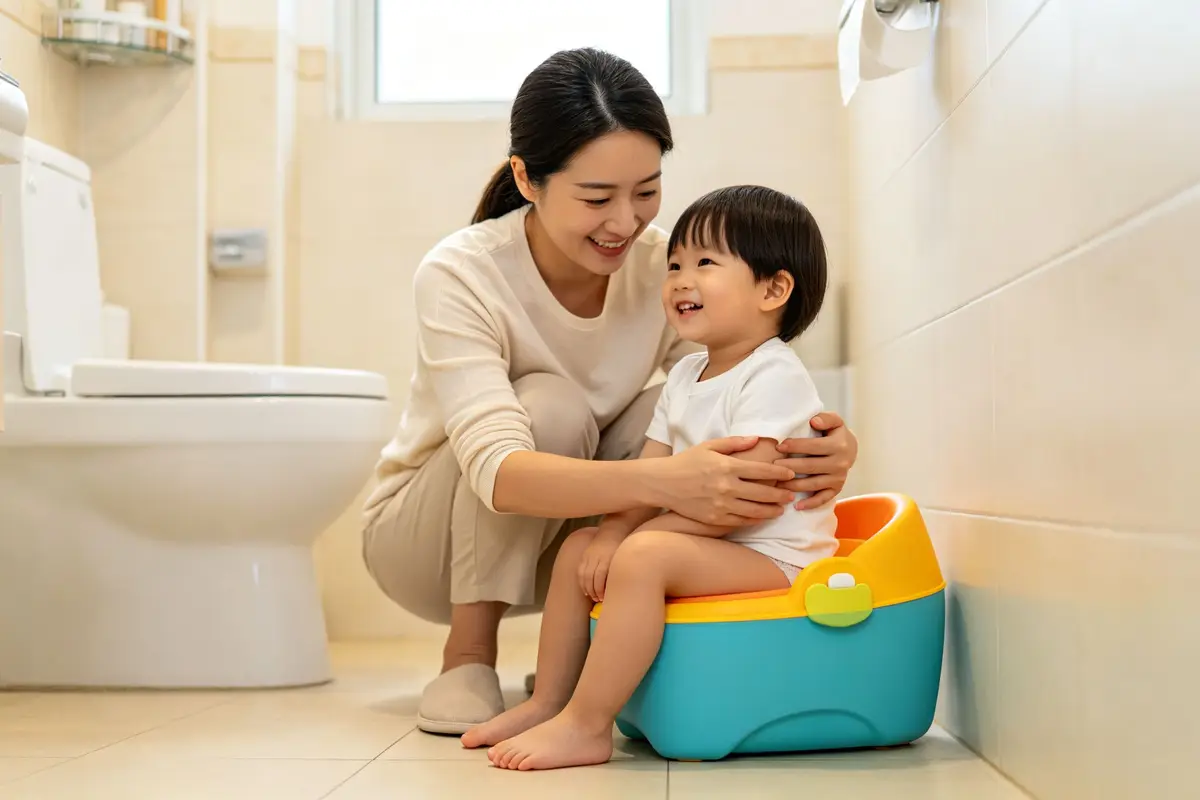
I was convinced my toddler would be potty trained by 18 months. I bought the fancy potty, the character underwear, the sticker chart — everything. What actually happened was six months of power struggles, accidents, and one very stubborn toddler who had zero interest in using the potty. When I finally stopped pushing and waited for her to show readiness signs, everything changed. In this guide, I share the honest truth about potty training — when to start, how to know your toddler is ready, methods that work, and how to handle the inevitable setbacks.
How do I know if my toddler is ready for potty training?
This is the question I wish I had taken more seriously. The American Academy of Pediatrics says most children show signs of readiness between 18 and 24 months, but some are not ready until 2.5 or even 3 years. Starting before your toddler is ready leads to power struggles and can actually delay the process. Readiness signs include: staying dry for at least 2 hours during the day or after naps; showing interest in the potty or in others using the bathroom; being able to follow simple instructions; being able to pull pants up and down (or at least cooperate); communicating that they need to go, are going, or have just gone (verbally or through facial expressions); disliking wet or dirty diapers and asking to be changed; and having predictable bowel movements. My toddler showed zero interest until she was 26 months, and then suddenly she was curious. When I waited for that curiosity, training took about 2 weeks instead of the months of struggle I had before. If your toddler is not showing these signs, wait. There is no prize for training early.
What potty training method should I use?
There are many methods, and the best one is the one that fits your toddler's personality and your lifestyle. The most common approaches are: the child-led or gradual approach — let your toddler set the pace, introduce the potty casually, let them sit on it fully clothed at first, and gradually increase expectations. This is low-pressure but can take weeks or months. The three-day method (also called the "fast" or "intensive" method) — dedicate three consecutive days to potty training, stay home, let your toddler go diaper-free or in underwear, offer frequent potty sits, and use lots of praise. This is intense but can work quickly for ready toddlers. The timer method — set a timer for every 30-60 minutes and have your toddler sit on the potty when it goes off. This can be helpful for toddlers who forget to go but may not build body awareness. We ended up using a combination: child-led introduction, then a three-day intensive weekend once she was clearly interested, followed by a gradual transition to underwear. The key is to be flexible — if a method is causing stress or power struggles, switch approaches or take a break. Also, do not underestimate the power of a good baby wipes during this messy transition — we went through them faster than ever.
What essential gear do I need?
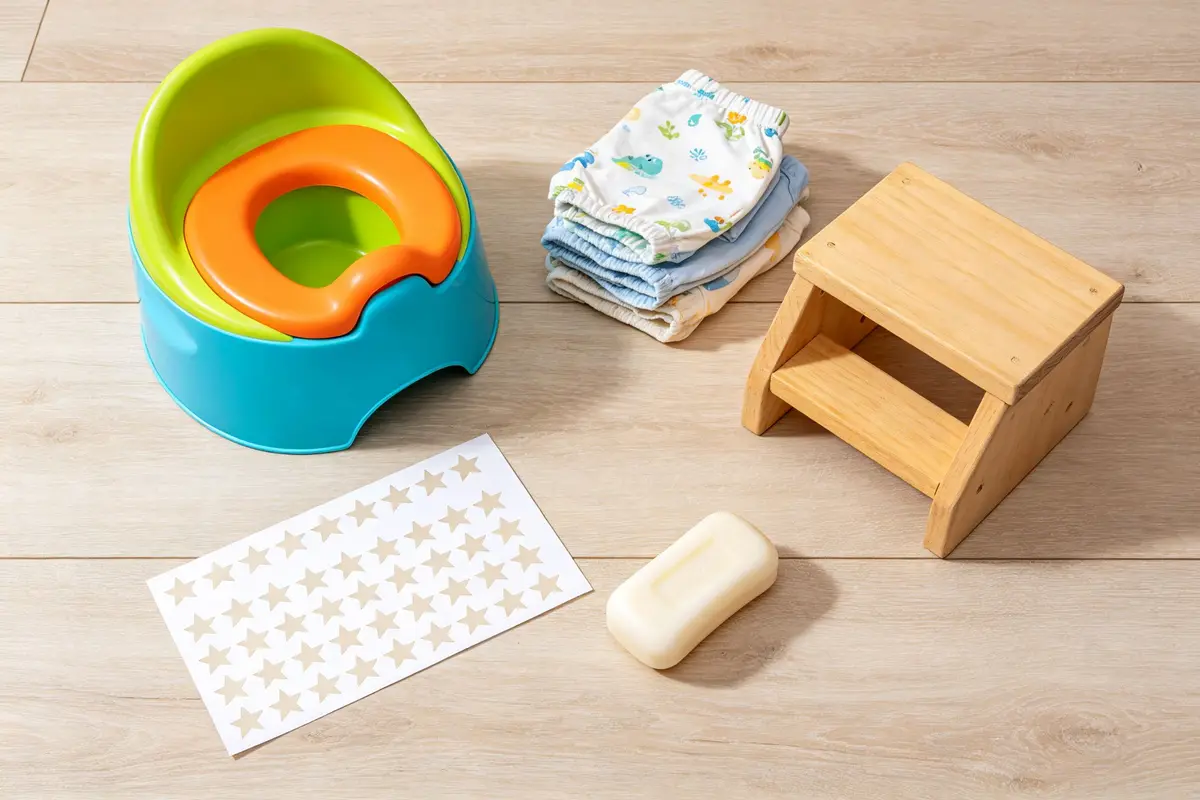
You do not need a lot of fancy gear, but a few essentials make the process smoother. First, a child-sized potty chair. This is less intimidating than a regular toilet and gives your toddler a sense of ownership. Look for one that is stable, easy to clean, and has a removable basin. Some toddlers prefer a toilet seat reducer (a small seat that fits on the regular toilet) with a step stool — this saves the transition from potty to toilet later. Second, a step stool. Even if you use a potty chair, a step stool helps your toddler reach the sink for handwashing. If using a toilet seat reducer, a step stool is essential for getting on and off. Third, training pants or underwear. Once your toddler is ready, regular underwear (not pull-ups) helps them feel the wetness and learn. Have at least 10-15 pairs — accidents happen frequently at first. Pull-ups can be useful for naps, nighttime, and outings, but using them during the day can confuse some toddlers. Fourth, easy clothing. Dresses, elastic-waist pants, and skirts with no buttons or zippers make independent toileting easier. Avoid overalls, onesies, and tight clothing during the early stages. Fifth, hand soap and a handwashing routine. Teaching handwashing after every potty use is an important habit. Sixth, optional extras: a reward chart with stickers (if your toddler is motivated by them), books about potty training, and a travel potty for outings. We did not use a reward chart — praise and high-fives were enough for our toddler. Every child is different.
How do I handle accidents and setbacks?
Accidents are not failures — they are a normal part of learning. Expect lots of them, especially in the first week or two. When an accident happens, stay calm and neutral. Do not scold, shame, or punish your toddler — this creates anxiety and can make potty training harder. Say something like "Oops, you had an accident. Next time, let's try to make it to the potty. Let's clean up together." Have your toddler help clean up (within reason) — this builds awareness. Then move on. Do not dwell on it. Setbacks are also common. Your toddler may be doing great for a week and then suddenly have multiple accidents a day. Common causes of setbacks include: illness, changes in routine (travel, new sibling, starting daycare), stress, constipation (which can cause accidents), and simply having an off day. When setbacks happen, go back to basics — offer more frequent potty sits, be patient, and do not regress to diapers during the day unless your toddler is sick or very stressed. Nighttime dryness often takes much longer than daytime — months or even years. It is normal for children to wear pull-ups or diapers at night until age 4-5. Do not push nighttime training until your toddler is consistently dry at night or shows interest. During this transition, a good diaper or training pant for nighttime is essential.
FAQ
Q: What is the best age to start potty training?
A: Most children show readiness between 18-24 months, but some are not ready until 2.5-3 years. The best age is when your child shows readiness signs — staying dry for 2+ hours, showing interest in the potty, communicating about bowel movements, and being able to follow simple instructions. Starting too early can cause power struggles and delay progress.
Q: Should I use a reward chart or stickers?
A: Reward charts work well for some children but not all. If your toddler is motivated by stickers or small rewards, a chart can be helpful. If they seem stressed by it or it causes power struggles, skip it. Praise, high-fives, and positive attention are often more effective and create less pressure. Avoid using food as a reward.
Q: How long does potty training take?
A: It varies widely. Some children train in a few days, others take weeks or months. The average is about 3-6 months from start to consistent daytime dryness. Nighttime dryness can take much longer — months to years. Focus on progress, not perfection, and celebrate small wins.
Q: My toddler refuses to sit on the potty. What should I do?
A: If your toddler refuses, they may not be ready. Take a break for 1-2 weeks and try again. When you reintroduce it, make it fun — let them pick out the potty, read potty books, let them sit fully clothed, and use a timer for short sits (1-2 minutes). Never force your toddler to sit on the potty — this creates negative associations. Follow their lead.
Summary
Potty training is a milestone, not a race. The key is to wait for readiness signs — most children are ready between 18 months and 3 years. Choose a method that fits your toddler's personality (child-led, three-day intensive, or timer-based), gather essential gear (potty chair, step stool, training pants, easy clothing), and be patient. Accidents are normal and should be handled calmly without shame. Setbacks happen due to illness, routine changes, or stress — go back to basics and be consistent. Nighttime dryness often takes much longer than daytime. There is no prize for training early, and every child learns at their own pace. With patience, consistency, and a sense of humor, your toddler will get there. You have got this.
Frequently Asked Questions
What is the best age to start potty training?
Most children show readiness between 18-24 months, but some are not ready until 2.5-3 years. The best age is when your child shows readiness signs — staying dry for 2+ hours, showing interest in the potty, communicating about bowel movements, and being able to follow simple instructions. Starting too early can cause power struggles and delay progress.
Should I use a reward chart or stickers?
Reward charts work well for some children but not all. If your toddler is motivated by stickers or small rewards, a chart can be helpful. If they seem stressed by it or it causes power struggles, skip it. Praise, high-fives, and positive attention are often more effective and create less pressure. Avoid using food as a reward.
How long does potty training take?
It varies widely. Some children train in a few days, others take weeks or months. The average is about 3-6 months from start to consistent daytime dryness. Nighttime dryness can take much longer — months to years. Focus on progress, not perfection, and celebrate small wins.
My toddler refuses to sit on the potty. What should I do?
If your toddler refuses, they may not be ready. Take a break for 1-2 weeks and try again. When you reintroduce it, make it fun — let them pick out the potty, read potty books, let them sit fully clothed, and use a timer for short sits (1-2 minutes). Never force your toddler to sit on the potty — this creates negative associations. Follow their lead.