
2026-09-17 · Moni Happy Editorial
Toddler Screen Time: How Much Is Too Much and How We Handle It
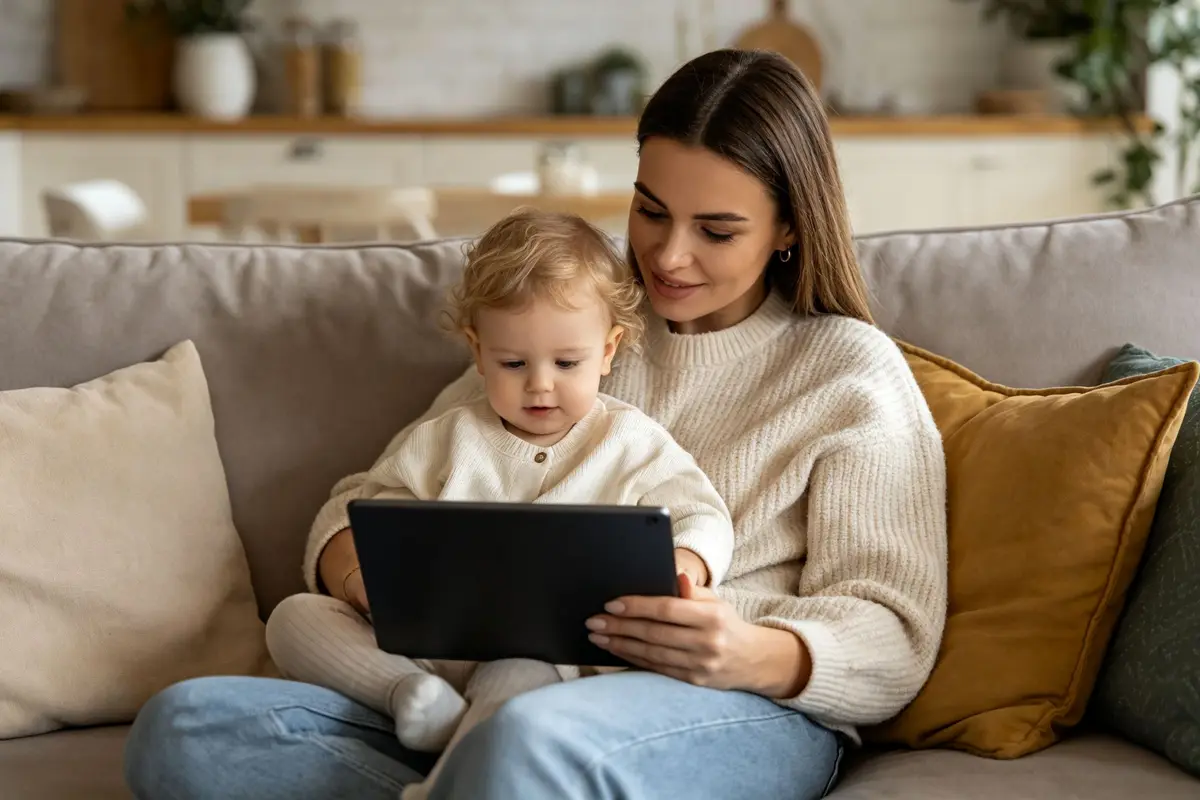
Like many parents, I used screen time as a survival tool during the early years. A tired toddler, a fussy dinner, a long car ride — the tablet came out. But as my kid got older, I started to notice: more screen time meant harder transitions, worse sleep, and less imaginative play. I didn't go cold turkey, but I did rethink our screen time rules. Here's what I learned about toddler screen time in our house.
What the Guidelines Actually Say
The World Health Organization (WHO) and the American Academy of Pediatrics (AAP) offer guidance on screen time for young children. Here's the short version: Under 18 months: Avoid screen time other than video chatting. Videos are not the same as interaction — passive screen viewing doesn't support learning at this age. 18-24 months: If you introduce screens, choose high-quality, educational content and watch with your child. Co-viewing turns screen time into learning time. 2-5 years: Limit screen time to 1 hour per day of high-quality programming. More than that is associated with delayed language development, poor sleep, and attention issues. These are guidelines, not rules set in stone. Every family is different. But they give you a benchmark: less is better, co-watching is essential, and content matters more than the device itself. The biggest red flag is not how much screen time, but whether it replaces active play, reading, outdoor time, and human interaction.
How We Manage Screen Time at Home
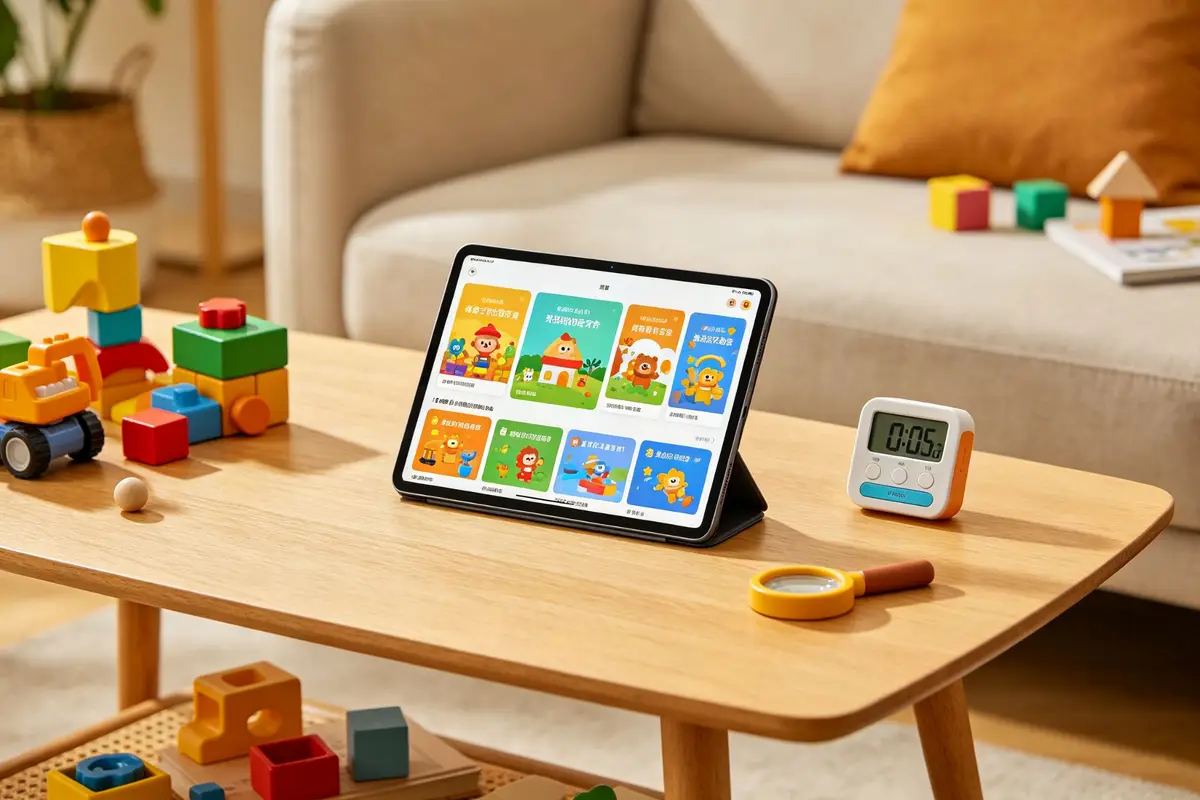
After observing how screen time affected my toddler, we set up a few rules that work for us: No screens before 9 a.m. Starting the day with a tablet sets a screen-first tone. We start with breakfast, play, and outdoor time instead. One episode, not back-to-back. Instead of unlimited scrolling, screen time is one 20-30 minute episode or video block. A timer helps. When the timer goes off, it's screen off. Watch together when possible. Co-viewing means we talk about what's on screen, answer questions, and connect it to real life. It also lets me monitor content. No screens during meals. This is a hard rule in our house. Meals are for talking and eating, not for watching. It also prevents the "only eats while watching" problem. Keep screens out of the bedroom. Screens don't go in bedrooms, especially at night. The blue light affects sleep, and unmonitored screen time before bed is a recipe for sleep issues. Model it yourself. Your toddler watches you. If you're scrolling your phone at the dinner table, they'll expect the same. Put your phone away during family time. Offer alternatives. Have blocks, books, art supplies, and outdoor play available. When screen time ends, offer a fun alternative. For quiet time after a busy day, soft, calm activities like looking at books or Moni Happy's tissues for a gentle craft project work well. Explore Moni Happy's collection for everyday essentials.
When to Worry About Screen Time
Screen time becomes a concern if: your toddler throws extreme tantrums when screens turn off; screen time replaces all play, outdoor time, or social interaction; your child has trouble sleeping (especially if screens are near bedtime); language development seems delayed; or your child can't engage in quiet activities without a screen. If you're concerned, talk to your pediatrician. Most families find that gradual limits, consistent routines, and offering alternatives make a big difference. You don't have to ban screens entirely — many high-quality shows and apps can be educational when co-watched. The goal is balance, not perfection.
Frequently Asked Questions
How much screen time is OK for a toddler?
WHO and AAP recommend: under 18 months, avoid screens except video chatting; 18-24 months, choose high-quality content and watch together; 2-5 years, limit to 1 hour per day of high-quality programming. The key is co-viewing, not passive scrolling, and ensuring screens don't replace play, reading, or outdoor time.
How do I stop my toddler from screaming when screen time ends?
Use a timer and warn before it ends ("two more minutes"), offer a fun alternative activity right after, keep screen time to a predictable schedule, and stay calm during the tantrum. Avoid back-and-forth negotiation. Consistency is key — over time, the tantrums shorten as they learn the routine.
Is it OK to use screen time as a babysitter?
Occasional use (a long flight, a work emergency) is normal and not harmful. The concern is when it becomes the default. If screen time is replacing human interaction, active play, or outdoor time every day, it's worth setting limits. Co-viewing and high-quality content reduce potential harms.
Does screen time affect toddler sleep?
Yes. Screen use near bedtime can delay sleep onset and reduce sleep quality due to blue light and stimulating content. Keep screens out of the bedroom, avoid screens 1 hour before bed, and use a calming bedtime routine (books, bath, dim lights) instead.