
2026-11-05 · Moni Happy
What do Malaysian retailers expect from a diaper wholesale partner on returns and near-expiry stock?
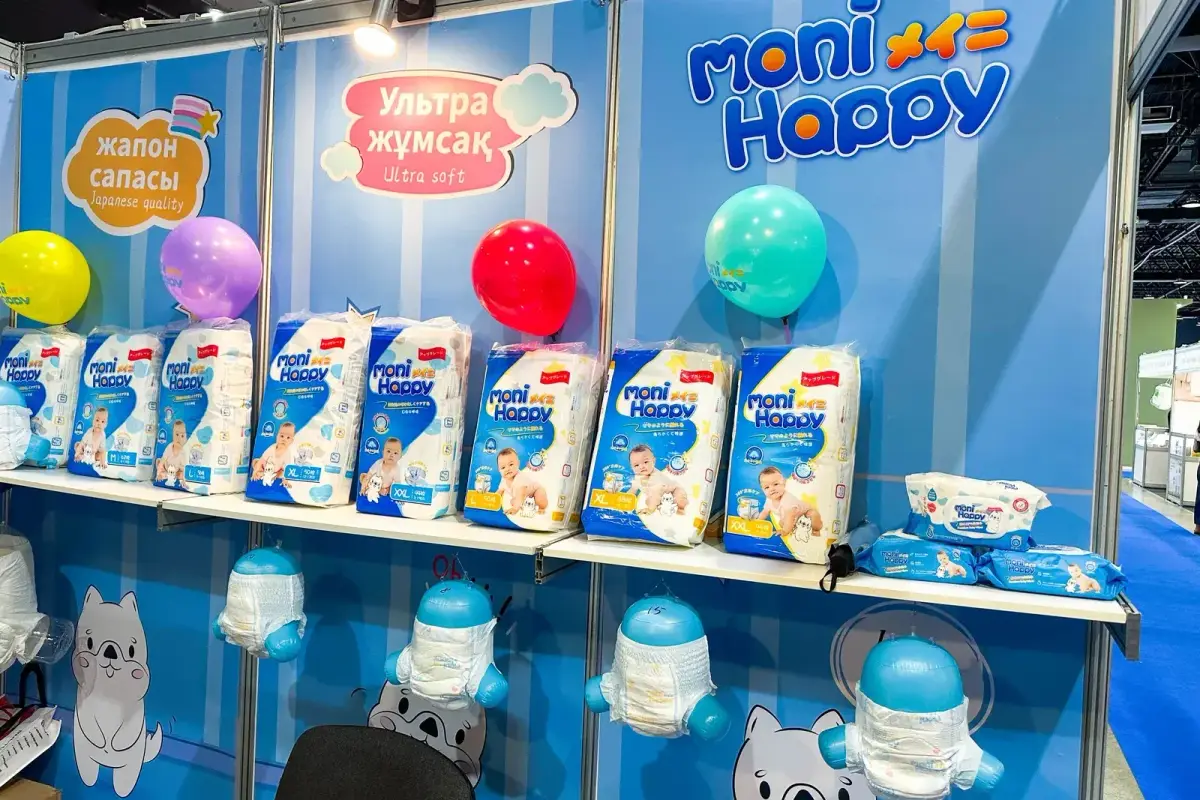
Malaysian retailers generally expect three things on returns: exchange or credit on stock approaching the last third of its shelf life, damage claims raised within days rather than weeks, and settlement by credit note rather than cash. The transport cost follows the cause of the return.
None of that is unusual in Southeast Asian modern trade, but it is rarely written down before the first delivery. That gap is where a diaper wholesale partner loses a slice of margin on a first container, usually in a dispute about who ordered the slow size rather than about the product itself.
What do Malaysian retailers expect on returns and near-expiry stock?
Exchange at the two-thirds mark, damage claims within the first week, and settlement by credit note. Those three expectations cover most of the conversation, and all three can be fixed in the trading terms before the first pallet moves.
The logic behind them is straightforward. A shelf is a rented asset for the retailer, so near-expiry stock is a space problem before it is a cost problem. A carton with four months left looks the same as a fresh one until the shopper reads the date, at which point it stops selling and starts blocking the facing. Retailers therefore want it gone while it can still be sold at full price, not cleared at a markdown after it has already damaged the shelf's price image.
What varies is the mechanism. Some chains want a straight exchange into a faster size, some want a credit, and some want the stock collected and returned to the distributor's warehouse for redirection to a channel where it will still sell. All three are workable if they are agreed in advance and unworkable if they are negotiated in the middle of a dispute.
Which returns are the retailer's right and which are a favour?
Fault and mis-specification are the retailer's right. Slow movement of stock the retailer chose to order is not, and treating it as though it were is the fastest way to fund a competitor's shelf.
A diaper wholesale agreement that does not state the cause test will be argued case by case, and the distributor usually loses because the stock is already in the retailer's back room. Draw the line on cause, not on age. A carton that fails because the seal did not hold, the print is wrong, or the size mix does not match the specification on the purchase order is a supplier-side failure and belongs to the returns policy. A carton that is simply not selling because the outlet's catchment is smaller than the order assumed is a buying decision, and the retailer carries it.
The grey zone is promotional residue: stock bought for a campaign that underperformed. That is normally shared, because both sides committed to the volume. Agree the split before the promotion, in writing, or the conversation afterwards will be about the whole container rather than about the residue.
What is the near-expiry threshold retailers actually enforce?
Two-thirds remaining at delivery is the common expectation, with the last third treated as a collection window. Treat any figure a buyer quotes as a starting position and confirm it in the trading terms.
Two practical implications follow. First, the shelf life clock starts at production, not at delivery, so a slow ocean leg and a slow customs clearance both consume the window before the goods reach the store. A container that takes three weeks longer than planned has already spent part of the retailer's tolerance. Second, the threshold interacts with the size curve: the slow sizes reach the last third first, which is why the exchange conversation is almost always about newborn and small sizes rather than about the line as a whole.
Working out what the receiving store will accept before the shipment leaves is cheaper than negotiating after arrival. Our guide to how long diapers can sit in a warehouse covers the aging curve from the distributor's side.
How should a credit note be structured so both sides can reconcile it?
One credit note per return, referenced to the original invoice and the delivery order, with the reason code stated. Anything less becomes an open item that grows every month.
- Reference the source documents. Original invoice number, delivery order number and the batch code from the carton. Without the batch code the supplier cannot trace the fault.
- State the reason code: fault, mis-specification, near-expiry exchange or promotional residue. The code decides who carries the transport.
- Value it at the invoiced price, not the current price. A credit note issued at today's lower price silently transfers a price reduction to old stock.
- Offset against the next invoice rather than paying cash, and agree the offset date so both ledgers close on the same month.
The discipline matters more than the paperwork. A return that is collected without a reason code will be argued about twice: once when it is credited and again when the next order is priced.
Who pays for transport on a return?
The party whose action caused it. That is the only rule that survives contact with a live dispute, because it is objective and can be checked against the reason code.
In practice, a faulty carton is collected at the distributor's cost, a mis-specified order at the cost of whoever wrote the purchase order, and promotional residue at a pre-agreed split. What matters commercially is that the collection is scheduled, not ad hoc: a return collected on the next delivery run costs a fraction of a dedicated truck, and most Malaysian retailers will hold stock for a scheduled collection if the date is agreed at the time the return is raised.
Budget for it. Returns on a first container in modern trade commonly run at a low single-digit percentage of value, and that number belongs in the landed cost model rather than in the surprises column.
How do I keep returns from eating the first container's margin?
Prevent the two causes you control: the size mix and the seal. Most first-container returns are not product failures, they are mix failures and packaging failures, and both are fixable before shipment.
On mix, order against the outlet's catchment rather than against a national average, and keep the first order shallow on the slow sizes. On packaging, inspect seal integrity on a sample before the container is loaded, because a wet-wipes carton that fails in transit becomes a damage claim and a shelf gap at the same time. The distributor onboarding guide sets out where those checks sit in the first order sequence.
Then price the residual risk. A distributor who knows returns will run at a few per cent can put that into the sell-in price once, at the start, instead of absorbing it as a series of one-off concessions. Partners who want the terms drafted against a real store list can apply here; the distribution channel guide covers how the terms differ between chain, pharmacy and independent retail.
Frequently asked questions
Can I refuse a near-expiry return?
Legally you often can, commercially you rarely should. A refused collection usually costs more in shelf goodwill than the carton is worth, and it invites the retailer to reduce the next order instead.
Does the two-thirds rule apply to wipes and tissue as well?
It is applied more strictly to wipes and tissue than to diapers, because both are more sensitive to humidity and both carry a shorter usable window once opened. Expect the collection request earlier.
Should returns be excluded from the sales incentive?
Yes. Paying incentive on gross invoicing rather than net of returns rewards volume that comes back, which is exactly the behaviour a near-expiry stock problem is made of.
Sources and further reading
- Ministry of Domestic Trade and Cost of Living Malaysia (KPDN), consumer protection and trade practice guidance — the statutory baseline on product information and expiry marking.
- ISO, ISO 12625 series — definitions for tissue and non-woven wipe products that underpin shelf-life and marking conventions.
- ASEAN, ASEAN Tariff Finder — duty treatment to confirm the landed cost that a credit note is valued against.
Bottom line
Malaysian retailers want near-expiry stock exchanged before it stops selling, damage claims raised quickly, and settlement by credit note. Write the threshold, the reason codes and the transport split into the trading terms before the first delivery, and price the residual into the sell-in. That is cheaper than negotiating each carton after it has already cost a facing.
Frequently Asked Questions
What shelf life do Malaysian retailers require on delivery?
Most expect the majority of shelf life remaining at the point of delivery, commonly two-thirds, and will ask for exchange once stock passes the last third. Confirm the exact rule in the trading terms rather than assuming the category default.
Do retailers take returns on slow-moving stock?
Usually only where the terms allow it, and often as an exchange into a faster size rather than a credit. Unsold stock that the retailer ordered is normally the retailer's risk; stock that fails in store is not.
Should a return be settled by credit note or cash?
Credit note, offset against the next invoice. Cash refunds are rare in Malaysian modern trade and create a reconciliation problem on both sides.
Who pays transport on a return?
Whoever caused it. Supplier faults such as seal failure or a wrong specification are collected at the supplier or distributor cost; retailer ordering errors and promotion residue are collected at the retailer cost.
Distributor resources
If you are evaluating suppliers for your market, these are the pages that answer the commercial questions — in the order buyers usually need them.
