
2026-09-03 · Moni Happy Editorial Team
Baby Dental Care: A Mom's Guide to First Teeth, Teething & Oral Hygiene
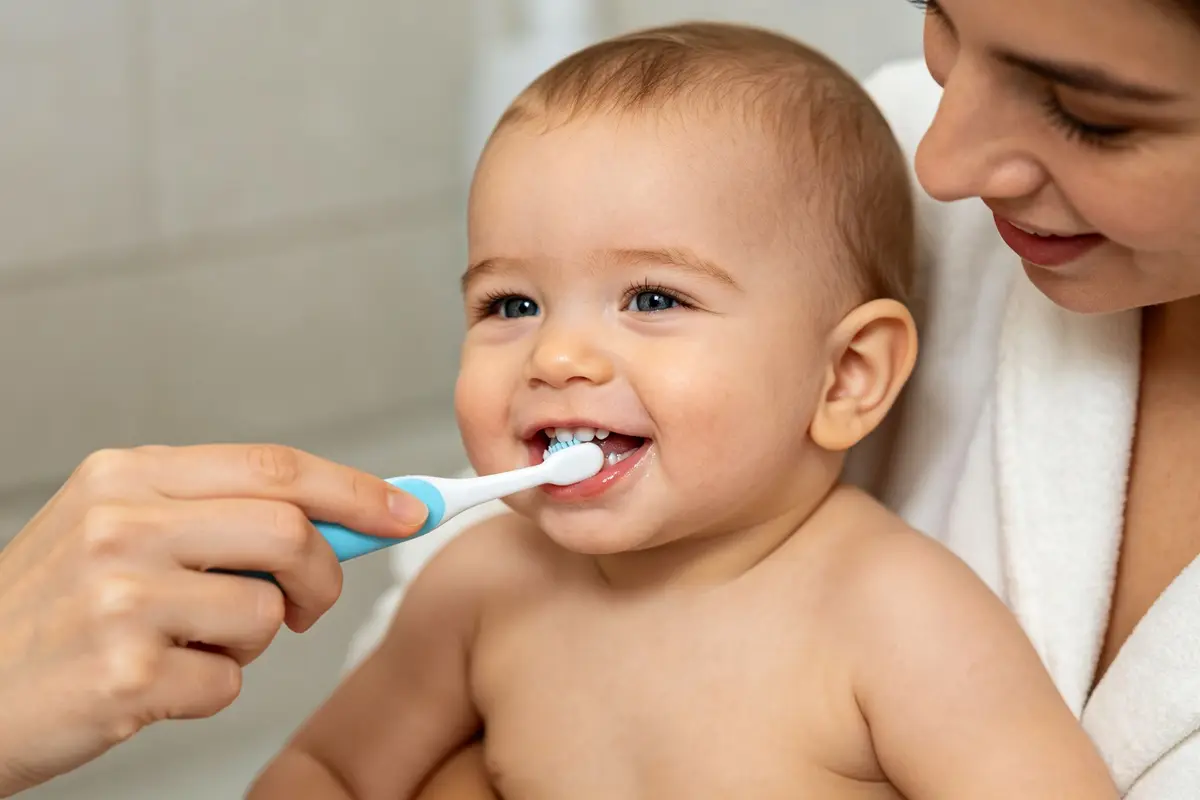
Baby Dental Care: A Mom's Guide to First Teeth, Teething & Oral Hygiene
I'll never forget the day my first baby got her first tooth. She was 7 months old, and I felt that tiny little ridge on her lower gum and screamed with excitement. But then the panic set in: when do I start brushing? Do I need toothpaste? How much? Is she too young for the dentist? My mom said "just wipe her gums with a cloth," but my pediatrician said something different. After three kids and many trips to the pediatric dentist, I've learned that baby dental care starts before the first tooth even appears, and the habits you build in the first year can set your child up for a lifetime of healthy teeth. Here's everything I've learned about baby dental care, from gum care to first teeth to the first dental visit.
Oral Care Starts Before the First Tooth
Many parents think dental care starts when the first tooth comes in, but that's too late. Oral hygiene should begin from day one, even before any teeth are visible. Here's why: a baby's mouth is full of bacteria, and keeping the gums clean helps prevent the buildup of harmful bacteria that can cause tooth decay once teeth erupt. Plus, starting early gets your baby used to the sensation of having their mouth cleaned, which makes brushing much easier later on.
For newborns to 6 months (before teeth):
- After each feeding, gently wipe your baby's gums with a clean, damp washcloth or gauze pad wrapped around your finger. This removes milk residue and bacteria.
- You can also use a silicone finger brush (soft, bristled or nubby) to gently massage the gums. This not only cleans but also provides comfort during teething.
- Don't use toothpaste at this stage—just water is fine.
- Never put your baby to bed with a bottle of milk, formula, juice, or any sweet liquid. This is the leading cause of baby bottle tooth decay (also called early childhood caries or nursing caries). If your baby needs a bottle to sleep, use only water.
- Avoid putting pacifiers in your mouth to "clean" them, and don't share utensils—this transfers cavity-causing bacteria from your mouth to your baby's.
I started wiping my babies' gums after every feed from the first week, and by the time their first teeth came in, they were totally used to having something in their mouth. It made the transition to a toothbrush so much easier.
When Do Babies Get Their First Tooth?
Every baby is different, but most get their first tooth between 4 and 15 months of age, with the average being around 6-8 months. The first teeth to come in are usually the lower central incisors (the two bottom front teeth), followed by the upper central incisors. The rest of the teeth follow in a fairly predictable pattern, though timing varies widely.
Here's the typical baby tooth eruption timeline:
- 6-10 months: Lower central incisors (bottom front two)
- 8-12 months: Upper central incisors (top front two)
- 9-13 months: Upper lateral incisors (next to the top front teeth)
- 10-16 months: Lower lateral incisors (next to the bottom front teeth)
- 13-19 months: First molars (back teeth for chewing)
- 16-23 months: Canines (pointed teeth between incisors and molars)
- 23-33 months: Second molars (back chewing teeth)
By age 3, most children have all 20 of their baby (primary) teeth. Some babies are born with teeth (natal teeth), and some don't get their first tooth until 15-18 months—both can be normal. If your baby has no teeth by 18 months, talk to your pediatrician or a pediatric dentist. And remember: teething timeline is largely genetic—if you or your partner teethed early or late, your baby probably will too.
Teething: Signs, Symptoms & How to Help
Teething can be a tough time for both babies and parents. While some babies seem to teeth without any fuss at all, others are miserable for weeks. Here's what I've learned about recognizing teething and helping your baby through it.
Common teething signs and symptoms:
- Increased drooling (sometimes a rash on the chin or chest from the drool)
- Chewing or biting on everything (fingers, toys, your shoulder)
- Irritability and fussiness, especially in the evening and at night
- Gum swelling, redness, or tenderness (you may be able to feel the tooth under the gum)
- Slight rise in temperature (but a true fever over 38°C / 100.4°F is NOT caused by teething—if your baby has a high fever, look for another cause like an infection)
- Rubbing the cheeks or ears (referred pain from the gums)
- Changes in eating or sleeping patterns (some babies want to nurse or feed more for comfort, others refuse because sucking hurts)
- Mild diaper rash or loose stools (some parents report this, though the evidence is mixed—if diarrhea is severe or persistent, talk to your doctor)
What helps with teething pain:
- Gum massage: Wash your hands and gently rub your baby's gums with a clean finger for 1-2 minutes. The pressure can relieve pain. My babies always found this soothing, especially right before a tooth popped through.
- Cold teether: Offer a chilled (not frozen) teething ring, wet washcloth, or silicone teething toy. The cold numbs the gums and provides relief. Never use frozen teethers—they're too hard and can damage the gums. Also avoid teething necklaces and bracelets (amber or otherwise)—they're a strangulation and choking hazard, and the American Academy of Pediatrics warns against them.
- Hard, cold foods: For babies over 6 months who are eating solids, you can offer a cold, peeled cucumber stick, a chilled banana, or a frozen (then slightly thawed) washcloth to chew on. Always supervise to prevent choking.
- Extra cuddles and comfort: Teething is uncomfortable, and your baby may just need extra love. Hold them, rock them, sing to them, or offer extra comfort feeds.
- Pain relievers (if needed): If your baby is really uncomfortable, you can give an age-appropriate dose of acetaminophen (paracetamol) for babies 2+ months, or ibuprofen for babies 6+ months. Always check the dose based on your baby's weight, and ask your pediatrician if you're unsure. Don't give aspirin.
- Avoid: Teething gels containing benzocaine or lidocaine (these can be dangerous for babies, especially under 2 years), teething powders (some contain unsafe ingredients), amber necklaces (strangulation/choking risk), and frozen teethers (too hard for delicate gums).
One thing I learned the hard way: teething pain is often worse at night. The increased blood flow to the head when lying down can make gum pain more intense. I found that giving a dose of pain reliever 30 minutes before bedtime, plus a good gum massage, helped my babies sleep better during teething flare-ups. But always check with your pediatrician before giving medicine regularly.
Brushing Baby Teeth: How, When & How Much Toothpaste
As soon as your baby's first tooth erupts, it's time to start brushing with a toothbrush and fluoride toothpaste. Yes, fluoride toothpaste—even for babies. This is one of the biggest changes from when I was a kid (when we were told to use non-fluoride or "training" toothpaste until age 2 or 3). Current guidelines from the American Academy of Pediatrics (AAP), the American Dental Association (ADA), and most dental organizations worldwide recommend fluoride toothpaste from the very first tooth.
How much toothpaste to use:
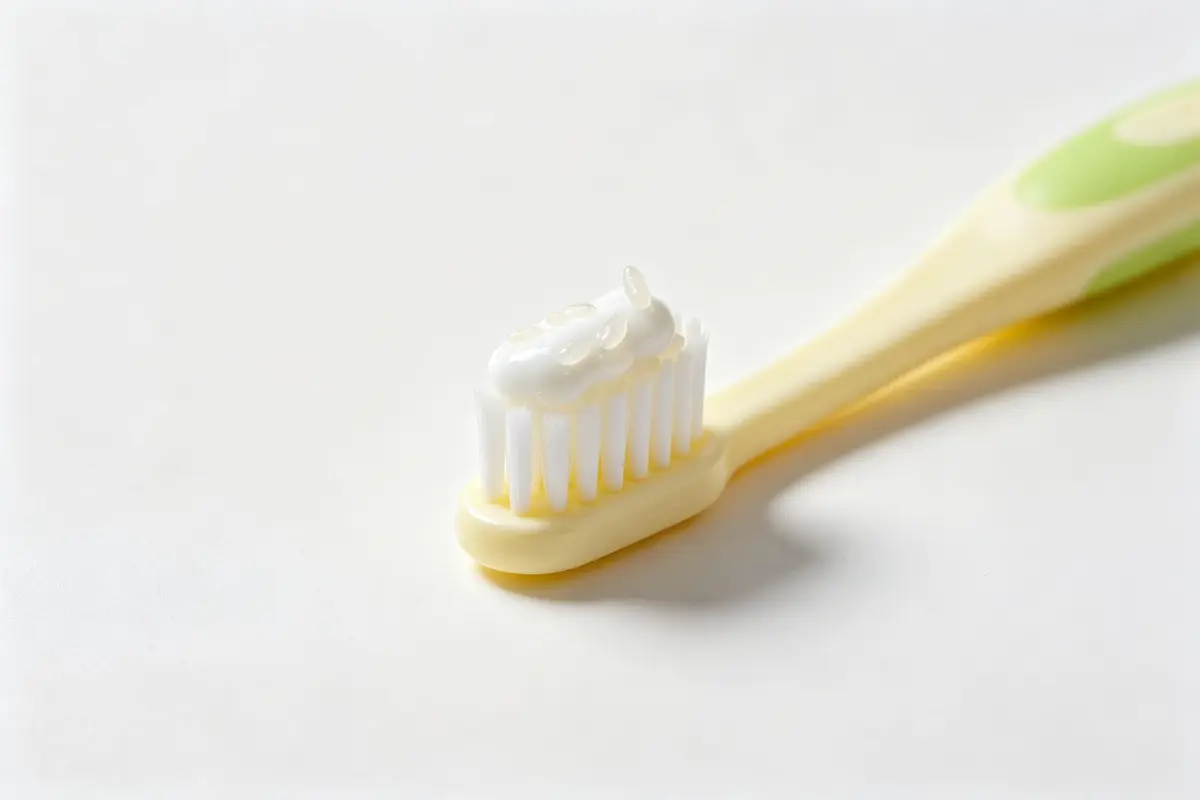
- Babies under 3 years (first tooth to age 3): Use a rice-sized amount (a tiny smear) of fluoride toothpaste. This is about the size of a grain of rice—very small. The toothpaste should contain at least 1000 ppm fluoride (check the label). For babies at high risk for cavities, your dentist may recommend up to 500 ppm or a specific children's toothpaste.
- Children 3 to 6 years: Use a pea-sized amount of fluoride toothpaste (still 1000-1450 ppm).
- Children over 6 years: Use a pea-sized amount of regular fluoride toothpaste (1350-1500 ppm).
The reason for the small amount is that babies and young children tend to swallow toothpaste instead of spitting it out. Too much fluoride swallowed over time can cause fluorosis (white spots or streaks on the permanent teeth), but the small recommended amounts are safe and effective at preventing cavities. The key is to use the right amount and to supervise brushing so your child doesn't eat extra toothpaste from the tube.
What kind of toothbrush to use:
- Use a soft-bristled toothbrush designed for babies or young children. The brush head should be small enough to fit in your baby's mouth and reach all surfaces of the teeth.
- For the first few teeth, you can use a finger brush (a soft silicone brush that fits over your finger) or a small infant toothbrush with a handle. As more teeth come in, transition to a small-handled children's toothbrush.
- Replace the toothbrush every 3-4 months, or sooner if the bristles become frayed or worn.
- Electric toothbrushes are fine for young children, but they're not necessary—a manual toothbrush works just as well when used correctly. If you use an electric one, make sure it's designed for children and has a small head and soft bristles.
How to brush:
- Brush your baby's teeth twice a day: once in the morning (after breakfast) and once at night (before bed, after the last feed). The nighttime brush is the most important, because saliva production decreases at night and teeth are more vulnerable to decay.
- Position your baby so you can see into their mouth easily. You can sit them on your lap facing away from you (tilting their head back), or lie them down on a changing table or your lap. For toddlers, standing behind them and tilting their head back works well.
- Place a rice-sized amount of fluoride toothpaste on the brush.
- Gently brush all surfaces of the teeth: the outer surfaces (cheek side), inner surfaces (tongue side), and chewing surfaces. Use small circular motions or gentle back-and-forth strokes. Don't forget to brush the gum line—where the tooth meets the gum.
- Brush for about 2 minutes total (though for a baby with only a few teeth, 30-60 seconds is fine). You can sing a song or use a timer to make it fun.
- You don't need to rinse after brushing—just let your baby spit out the excess toothpaste (if they can). Leaving a thin film of fluoride on the teeth is actually beneficial. For babies who can't spit yet, the rice-sized amount is small enough that swallowing it is safe.
- Don't forget to brush the tongue gently, too—bacteria can accumulate there and cause bad breath.
Getting your baby to cooperate:
- Make it fun! Sing a toothbrushing song, let your baby hold a second toothbrush while you brush, or brush your teeth at the same time so they can copy you.
- Start early and be consistent—even if your baby resists at first, keep trying. It gets easier as they get used to the routine.
- Let your toddler "brush" their own teeth first (they'll probably just chew on the brush), then you do a thorough brush afterward. This gives them a sense of independence while ensuring the teeth get clean.
- Never force brushing or use it as a punishment—this can create a negative association that lasts for years. Stay calm and positive, even if it's a struggle.
- Use a sticker chart or reward system for older toddlers (a sticker for each successful brush, with a small reward after a week of stickers).
Preventing Baby Bottle Tooth Decay
Baby bottle tooth decay (also called early childhood caries, nursing caries, or bottle rot) is one of the most common preventable dental problems in babies and toddlers. It occurs when a baby's teeth are frequently exposed to sugary liquids for long periods—especially at night.
How it happens: When a baby falls asleep with a bottle of milk, formula, juice, or any sweet liquid, the liquid pools around the teeth. Bacteria in the mouth feed on the sugar and produce acid that attacks the tooth enamel. Because saliva production decreases during sleep, there's less saliva to wash away the sugar and neutralize the acid. Over time, this leads to cavities—often starting with the upper front teeth (which are most exposed to the liquid).
How to prevent it:
- Never put your baby to bed with a bottle of milk, formula, juice, soda, or any sweet drink. If your baby needs a bottle to fall asleep, fill it with only water.
- Don't let your baby carry a bottle or sippy cup around all day to sip on constantly. Limit bottle/cup use to meal times and specific snack times.
- Avoid putting sweet things on pacifiers (like honey, sugar, or syrup)—this is a major cause of early cavities.
- If you're breastfeeding, try not to let your baby nurse continuously while falling asleep, especially after teeth have erupted. If your baby falls asleep while nursing, gently wipe their teeth/gums with a damp cloth before putting them down.
- Wean your baby from the bottle to a sippy cup by around 12 months, and from the sippy cup to an open cup by 18-24 months. Prolonged bottle use increases the risk of tooth decay.
- Limit sugary foods and drinks, including juice (the AAP recommends no juice for babies under 1 year, and no more than 4 oz per day for toddlers 1-3 years). Offer water instead.
- Brush your baby's teeth twice a day with fluoride toothpaste, especially before bed.
- Take your baby to the dentist by their first birthday for a checkup and preventive care.
I made this mistake with my first baby—I let her fall asleep with a bottle of milk because it was the only way she'd sleep. By the time she was 2, she had cavities in her front teeth. I felt terrible. With my second and third, I switched to water at bedtime and brushed their teeth before the last feed, and they had no cavities. It's a simple habit that makes a huge difference.
The First Dental Visit: When & What to Expect
The American Academy of Pediatric Dentistry (AAPD), the AAP, and the ADA all recommend that a child's first dental visit should occur by their first birthday—within 6 months of the first tooth erupting. This was surprising to me with my first baby (I thought we'd wait until 2 or 3), but early dental visits are crucial for preventing cavities and establishing good oral health habits.
What happens at the first visit:
- The dentist or hygienist will do a gentle examination of your baby's mouth, teeth, and gums to check for any signs of decay, teething issues, or other problems.
- They may do a gentle cleaning (polishing) to remove any plaque or stains.
- They may apply a fluoride varnish—a thin, protective coating of fluoride painted onto the teeth to help prevent and reverse early cavities. This is quick and painless, and it's recommended for all children starting at the first visit.
- The dentist will discuss oral hygiene techniques, proper toothpaste amount, diet and nutrition, teething, pacifier/thumb-sucking habits, and injury prevention.
- They'll answer any questions you have and provide guidance for your baby's specific needs.
- The visit is usually short (15-30 minutes) and is designed to be a positive, non-threatening experience. Many dentists will let your baby sit on your lap during the exam.
How to prepare for the first visit:
- Choose a pediatric dentist (a dentist who specializes in children's dental care)—they have extra training and experience with babies and young children, and their offices are usually designed to be kid-friendly.
- Schedule the appointment at a time when your baby is usually well-rested and happy (morning is often best, after a good night's sleep and breakfast).
- Talk positively about the dentist in advance, even with a baby—your attitude matters. Avoid saying things like "don't be scared" or "it won't hurt" (this can plant the idea that it might hurt). Instead, say "we're going to visit the dentist who will count your teeth and make them shiny!"
- Bring a list of any questions or concerns you have.
- Bring your baby's health insurance information and any relevant medical history.
- If your baby is teething or unwell, you may want to reschedule—they'll be more cooperative when they're feeling good.
After the first visit, your dentist will recommend a schedule for regular checkups—usually every 6 months for most children, though some may need more frequent visits if they're at higher risk for cavities.
Article Summary
Baby dental care starts before the first tooth appears—wipe your baby's gums with a clean damp cloth after every feed from day one, and never put them to bed with a bottle of milk, formula, or juice (only water at bedtime). Most babies get their first tooth between 4 and 15 months (average 6-8 months), starting with the lower central incisors, and have all 20 baby teeth by age 3. Teething can cause drooling, chewing, irritability, gum swelling, and mild fussiness, but a true fever over 38°C is NOT caused by teething—look for another cause. Help teething pain with gum massage, chilled (not frozen) teethers, cold foods for babies over 6 months, extra cuddles, and age-appropriate pain relievers (acetaminophen for 2+ months, ibuprofen for 6+ months)—avoid teething gels with benzocaine/lidocaine and amber necklaces (strangulation risk). As soon as the first tooth erupts, start brushing twice a day with a soft-bristled infant toothbrush and a rice-sized amount of fluoride toothpaste (at least 1000 ppm) for babies under 3; use a pea-sized amount for ages 3-6. Brush all surfaces of the teeth (outer, inner, chewing) and the gum line, for about 2 minutes, and don't rinse afterward—just let them spit. Make brushing fun and consistent, and let toddlers "brush" their own first before you do a thorough brush. Prevent baby bottle tooth decay by never putting baby to bed with a sugary bottle, limiting bottle/sippy cup use to mealtimes, avoiding sweet things on pacifiers, weaning from the bottle by 12 months, limiting juice (none under 1 year), and brushing before bed. Take your baby to a pediatric dentist by their first birthday (within 6 months of the first tooth) for a gentle exam, cleaning, fluoride varnish, and oral health guidance—then continue with regular checkups every 6 months. The habits you build in the first year set the foundation for a lifetime of healthy teeth. For more baby care guides, see our baby skin care guide and explore Moni Happy baby care products.
Frequently Asked Questions
When do babies start teething?
Most babies get their first tooth between 4 and 15 months, with the average around 6-8 months. The lower front teeth (lower central incisors) usually come in first, followed by the upper front teeth. Some babies are born with teeth (natal teeth), and others don't get their first tooth until after their first birthday — both can be normal.
What are the signs of teething?
Common teething signs include drooling (more than usual), chewing on everything, irritability and fussiness, swollen or tender gums, rubbing the ears or cheeks, slight temperature rise (under 101°F / 38.3°C), disrupted sleep, and decreased appetite for solids. Note that high fever, diarrhea, and vomiting are NOT typical teething symptoms — if these occur, contact your pediatrician.
What's the best way to soothe teething pain?
Safe teething remedies include: a cold (not frozen) teething ring or wet washcloth for baby to chew on, gentle gum massage with a clean finger, offering cold pureed foods or chilled applesauce, and extra cuddles and comfort. For pain that's clearly bothering your baby, you can ask your pediatrician about infant acetaminophen or ibuprofen (ibuprofen only for babies 6 months and older). Avoid teething necklaces, amber beads, and numbing gels containing benzocaine.
How do I care for my baby's new teeth?
Start cleaning your baby's gums even before teeth appear — wipe them gently with a clean, damp washcloth after feedings. Once the first tooth appears, brush it gently with a soft infant toothbrush and a tiny amount of fluoride toothpaste (about the size of a grain of rice for babies under 3). Avoid putting your baby to bed with a bottle of milk or juice, and schedule the first dental visit by age 1.
Frequently Asked Questions
When should I start brushing my baby's teeth and how much toothpaste should I use?
Start brushing as soon as your baby's first tooth erupts (usually around 6-8 months, but can be anywhere from 4-15 months). Use a soft-bristled infant toothbrush and fluoride toothpaste from the very first tooth—this is the current recommendation from the American Academy of Pediatrics (AAP), American Dental Association (ADA), and most dental organizations worldwide. The amount of toothpaste depends on your child's age: For babies under 3 years (from first tooth to age 3), use a rice-sized amount—a tiny smear about the size of a grain of rice. The toothpaste should contain at least 1000 ppm fluoride (check the label). For children 3 to 6 years, use a pea-sized amount of fluoride toothpaste (1000-1450 ppm). For children over 6 years, use a pea-sized amount of regular fluoride toothpaste (1350-1500 ppm). The small amount for babies is important because young children tend to swallow toothpaste instead of spitting it out. Too much fluoride swallowed over time can cause fluorosis (white spots on permanent teeth), but the recommended rice-sized amount is safe and effective at preventing cavities. Brush twice a day: once in the morning after breakfast and once at night before bed (the nighttime brush is most important because saliva decreases at night). Gently brush all surfaces of the teeth (outer, inner, chewing surfaces) and the gum line using small circular motions. You don't need to rinse afterward—just let your baby spit out excess (if they can); leaving a thin fluoride film is beneficial. For babies who can't spit yet, the rice-sized amount is small enough that swallowing is safe. Replace the toothbrush every 3-4 months or when bristles become frayed.
What are the signs of teething and how can I help my baby feel better?
Common teething signs and symptoms include: increased drooling (sometimes causing a rash on the chin/chest), chewing or biting on everything (fingers, toys, your shoulder), irritability and fussiness (especially in the evening and at night), gum swelling/redness/tenderness (you may feel the tooth under the gum), rubbing the cheeks or ears (referred pain), slight rise in temperature (but a true fever over 38°C / 100.4°F is NOT caused by teething—look for another cause like infection), changes in eating or sleeping patterns, and sometimes mild diaper rash or loose stools (evidence is mixed—if severe, talk to your doctor). To help your baby feel better: 1) Gum massage—wash your hands and gently rub the gums with a clean finger for 1-2 minutes; pressure relieves pain. 2) Cold teether—offer a chilled (not frozen) teething ring, wet washcloth, or silicone teething toy; cold numbs the gums. Never use frozen teethers (too hard, can damage gums) and avoid teething necklaces/bracelets including amber ones—they're a strangulation and choking hazard, and the AAP warns against them. 3) Hard cold foods—for babies over 6 months eating solids, offer a cold peeled cucumber stick, chilled banana, or a frozen then slightly thawed washcloth; always supervise to prevent choking. 4) Extra cuddles and comfort—hold, rock, sing, or offer extra comfort feeds. 5) Pain relievers if needed—acetaminophen (paracetamol) for babies 2+ months, ibuprofen for 6+ months; always dose by weight and check with your pediatrician. Never give aspirin. Avoid: teething gels containing benzocaine or lidocaine (dangerous for babies under 2), teething powders (some contain unsafe ingredients), amber necklaces (strangulation/choking risk), and frozen teethers. Teething pain is often worse at night due to increased blood flow to the head when lying down—a gum massage and pain reliever 30 minutes before bed can help. If your baby has a high fever, severe diarrhea, vomiting, or seems very unwell, don't attribute it to teething—call your pediatrician.
How do I prevent baby bottle tooth decay?
Baby bottle tooth decay (also called early childhood caries, nursing caries, or bottle rot) is one of the most common preventable dental problems in babies and toddlers. It occurs when teeth are frequently exposed to sugary liquids for long periods, especially at night. When a baby falls asleep with a bottle of milk, formula, juice, or any sweet liquid, the liquid pools around the teeth. Bacteria feed on the sugar and produce acid that attacks tooth enamel. Since saliva production decreases during sleep, there's less saliva to wash away sugar and neutralize acid. Over time, this causes cavities—often starting with the upper front teeth. To prevent baby bottle tooth decay: 1) Never put your baby to bed with a bottle of milk, formula, juice, soda, or any sweet drink. If your baby needs a bottle to fall asleep, fill it with only water. 2) Don't let your baby carry a bottle or sippy cup around all day to sip constantly—limit use to mealtimes and specific snack times. 3) Avoid putting sweet things on pacifiers (honey, sugar, syrup)—a major cause of early cavities. 4) If breastfeeding, try not to let baby nurse continuously while falling asleep after teeth have erupted; if they fall asleep nursing, gently wipe their teeth/gums with a damp cloth before putting them down. 5) Wean from bottle to sippy cup by around 12 months, and from sippy cup to open cup by 18-24 months—prolonged bottle use increases cavity risk. 6) Limit sugary foods and drinks, including juice—the AAP recommends no juice for babies under 1 year, and no more than 4 oz per day for toddlers 1-3 years. Offer water instead. 7) Brush your baby's teeth twice a day with fluoride toothpaste (rice-sized amount under 3), especially before bed. 8) Take your baby to a pediatric dentist by their first birthday for a checkup, cleaning, and fluoride varnish. I made the mistake of letting my first baby fall asleep with a milk bottle, and she had cavities by age 2. With my second and third, I used water at bedtime and brushed teeth before the last feed, and they had no cavities. It's a simple habit that makes a huge difference.
When should my baby have their first dental visit and what happens there?
The American Academy of Pediatric Dentistry (AAPD), American Academy of Pediatrics (AAP), and American Dental Association (ADA) all recommend that a child's first dental visit should occur by their first birthday—within 6 months of the first tooth erupting. This early visit is crucial for preventing cavities and establishing good oral health habits. I was surprised by this with my first baby (I thought we'd wait until 2 or 3), but early visits make a big difference. What happens at the first visit: 1) The dentist or hygienist does a gentle examination of your baby's mouth, teeth, and gums to check for decay, teething issues, or other problems. 2) They may do a gentle cleaning (polishing) to remove plaque or stains. 3) They may apply a fluoride varnish—a thin protective coating of fluoride painted onto the teeth to help prevent and reverse early cavities. This is quick, painless, and recommended for all children starting at the first visit. 4) The dentist discusses oral hygiene techniques, proper toothpaste amount, diet and nutrition, teething, pacifier/thumb-sucking habits, and injury prevention. 5) They answer your questions and provide guidance for your baby's specific needs. The visit is usually short (15-30 minutes) and designed to be a positive, non-threatening experience. Many dentists let your baby sit on your lap during the exam. How to prepare: Choose a pediatric dentist (specializes in children's dental care with extra training and kid-friendly offices). Schedule the appointment when your baby is usually well-rested and happy (morning is often best). Talk positively about the dentist in advance—avoid saying 'don't be scared' or 'it won't hurt' (this can plant fear); instead say 'we're going to visit the dentist who will count your teeth and make them shiny!' Bring a list of questions, insurance info, and relevant medical history. If your baby is teething or unwell, consider rescheduling—they'll be more cooperative when feeling good. After the first visit, your dentist will recommend a schedule for regular checkups—usually every 6 months for most children, though some at higher cavity risk may need more frequent visits.