
2026-09-07 · Moni Happy Mom
Baby Hiccups: Causes, Remedies & When to Worry — A Mom's Guide
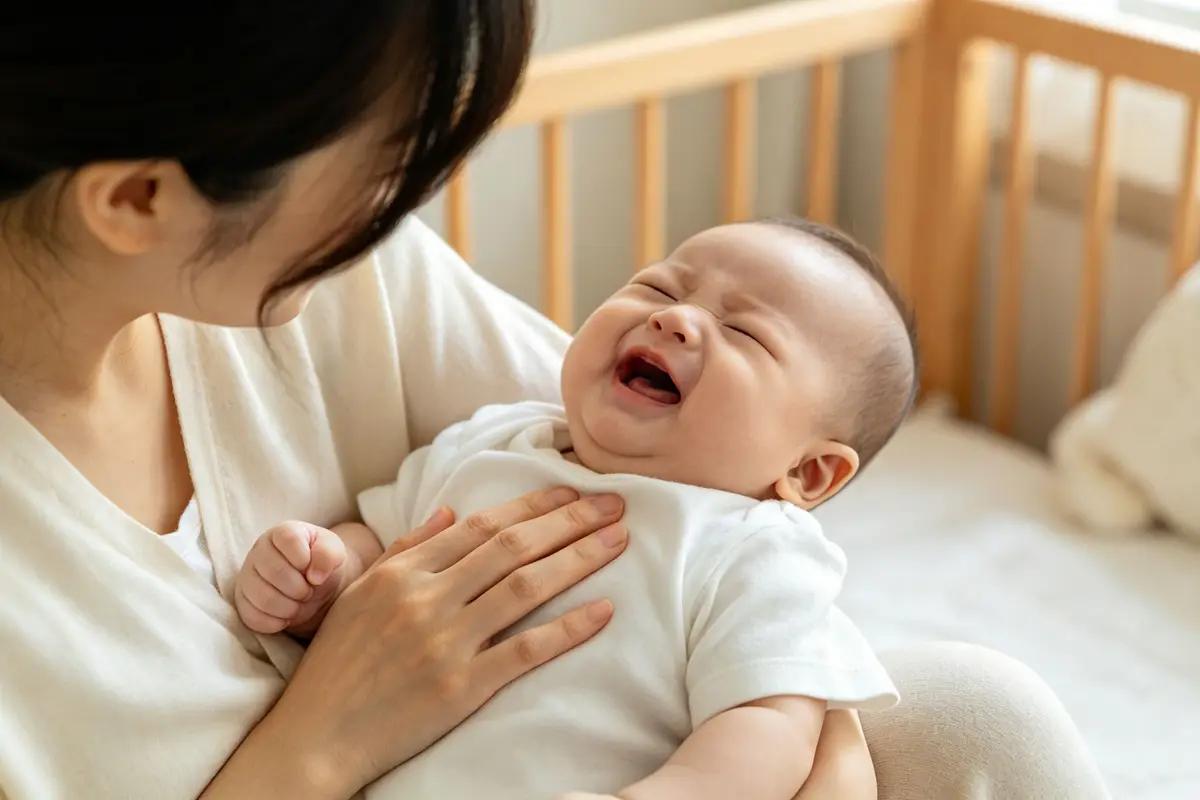
If you're a new mom, you've probably had that moment where your baby suddenly starts hiccuping mid-feeding and you freeze, wondering if something's wrong. I remember the first time my newborn got the hiccups — I was halfway through a feeding and her whole little body jumped with each hiccup. I panicked a little, called my mom, and she laughed and said "all babies get hiccups, it's totally normal." After three kids, I've learned a thing or two about baby hiccups — what causes them, what actually helps, and when you might want to check in with your pediatrician.
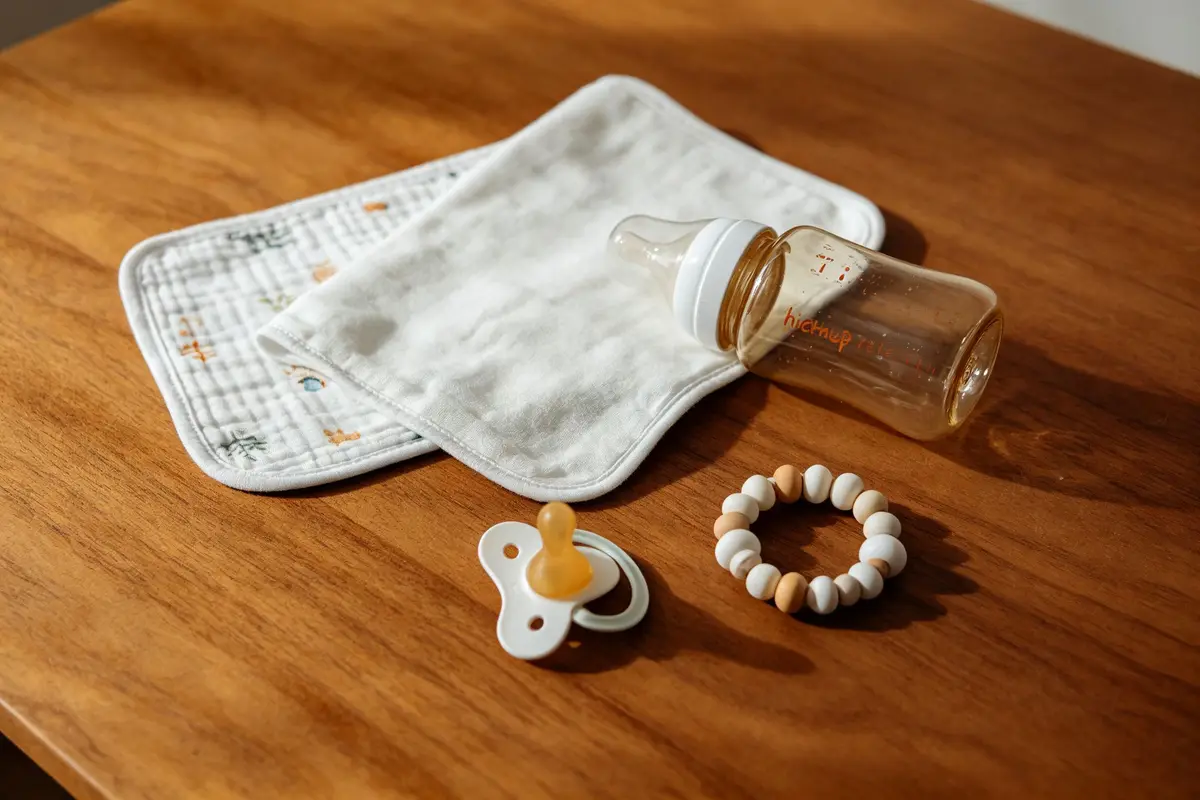
What Causes Baby Hiccups?
Hiccups happen when the diaphragm — the muscle that separates the chest from the abdomen and plays a key role in breathing — suddenly contracts involuntarily. This quick contraction causes the vocal cords to close abruptly, making that characteristic "hic" sound. In babies, the diaphragm is still developing and can be easily triggered by a few common things:
- Overfeeding or feeding too quickly: When your baby eats too much or too fast, their stomach expands and can irritate the diaphragm, triggering hiccups. This is probably the most common cause I've seen with my own babies.
- Swallowing air: Babies swallow air while feeding, especially if they're crying before a feed, the bottle nipple isn't the right size, or they're latched poorly during breastfeeding. That trapped air can cause the stomach to distend and irritate the diaphragm.
- Sudden temperature changes: A quick change in temperature — like going from a warm bath to a cooler room, or drinking formula that's a different temperature than expected — can sometimes trigger hiccups in sensitive babies.
- Gastroesophageal reflux (GER): Some babies who have reflux tend to hiccup more frequently, as the stomach contents coming back up can irritate the esophagus and diaphragm.
The good news is that hiccups are almost always harmless in babies. In fact, research suggests that babies may start hiccuping even before they're born — fetal hiccups are a normal part of pregnancy and are thought to help develop the respiratory system.
How Can I Stop My Baby's Hiccups?
First, let me be honest: sometimes the best thing to do is nothing. Hiccups usually stop on their own within a few minutes, and they don't seem to bother most babies nearly as much as they bother us. My first baby would hiccup for 10 minutes straight and sleep through the whole thing. But if your baby seems uncomfortable or the hiccups are interfering with feeding or sleep, here are some gentle methods that have worked for me:
1. Burp Your Baby
Since trapped air is a common cause, stopping to burp your baby can sometimes help. Pause mid-feeding, hold your baby upright against your shoulder, and gently pat or rub their back. I found that burping halfway through a bottle feed (or switching breasts during breastfeeding) helped reduce hiccups for my second baby, who was a very fast eater. Even if the hiccups don't stop immediately, burping is always a good idea during feeds to prevent more air from getting trapped.
2. Offer a Pacifier
Sucking on a pacifier can help relax the diaphragm and stop hiccups. The sucking motion encourages slow, controlled breathing and can help reset the diaphragm's rhythm. I always kept a pacifier handy for this reason — it was my go-to trick for hiccups that happened between feedings. Just make sure you're using an age-appropriate pacifier and that it's clean.
3. Slow Down Feeding
If hiccups happen frequently during feeds, your baby might be eating too fast. Try slowing down the pace — take breaks, burp more often, and make sure your baby is in a good feeding position. For bottle-fed babies, check that the nipple flow isn't too fast for your baby's age. A nipple that's too fast can cause your baby to gulp air and milk, leading to hiccups. For breastfed babies, make sure the latch is good and try different positions if you have a fast letdown.
4. Gripe Water — Does It Actually Work?
Gripe water is a popular remedy that many parents swear by, but the evidence is mixed. Traditional gripe water contains ingredients like sodium bicarbonate, dill seed oil, ginger extract, and fennel — some of which may help with gas and digestive discomfort. However, the FDA doesn't regulate gripe water, and formulations vary widely. Some older formulations contained alcohol (which is now banned in infant products in many countries). If you want to try gripe water, talk to your pediatrician first, choose an alcohol-free, sugar-free formulation from a reputable brand, and follow the dosage instructions carefully. Personally, I tried gripe water with my first baby and didn't notice a significant difference, but I know moms who swear by it.
What NOT to Do
There are some old wives' tales about stopping hiccups that you should definitely avoid with a baby: don't scare your baby, don't hold their breath, don't press on their eyeballs, and don't put anything in their mouth that isn't age-appropriate. These methods might work (sort of) for adults, but they're not safe for babies and can cause more harm than good.
When Should I Worry About Hiccups?
While hiccups are almost always normal, there are some signs that might warrant a call to your pediatrician:
- Hiccups that are extremely frequent or persistent: If your baby hiccups multiple times a day, every day, and it seems to be causing discomfort or interfering with feeding and sleep, it's worth mentioning to your pediatrician. Frequent hiccups can sometimes be a sign of gastroesophageal reflux disease (GERD), especially if accompanied by spitting up, arching the back, or crying during feeds.
- Hiccups that start suddenly and are accompanied by other symptoms: If your baby develops hiccups along with vomiting, diarrhea, fever, or signs of distress, contact your pediatrician. These could be signs of an underlying issue that needs attention.
- Hiccups that last for hours: While occasional long hiccup episodes aren't necessarily dangerous, hiccups that last for several hours or seem to be getting worse over time should be checked out.
- Your baby seems to be in pain: Most babies aren't bothered by hiccups. If your baby is crying, arching their back, or seems to be in pain during hiccup episodes, talk to your pediatrician — this could be a sign of reflux or another digestive issue.
With my third baby, I noticed she was hiccuping after almost every feed and seemed uncomfortable. I mentioned it at her 4-month checkup, and our pediatrician said it was likely mild reflux. We made some simple changes — feeding her more upright, burping more frequently, and keeping her upright for 20-30 minutes after feeds — and the hiccups decreased significantly within a couple of weeks. So if something seems off, don't hesitate to bring it up.
Can I Prevent Hiccups?
You can't prevent all hiccups — they're a normal part of babyhood — but you can reduce their frequency with a few simple habits:
- Feed your baby in an upright position and keep them upright for 20-30 minutes after feeding
- Burp your baby frequently during feeds — at least every 2-3 ounces for bottle-fed babies, or when switching breasts during breastfeeding
- Make sure the bottle nipple is the right size for your baby's age — a nipple that's too fast can cause gulping and air swallowing
- Avoid overfeeding — smaller, more frequent feeds may help if your baby tends to get hiccups from a full stomach
- Try to feed your baby before they get frantically hungry — a crying baby swallows more air, which can lead to hiccups
- Keep a pack of gentle wipes and a soft burp cloth handy during feeds for quick cleanups
Frequently Asked Questions
Are hiccups bad for babies?
No, hiccups are almost always harmless in babies. They're a normal reflex that helps develop the respiratory system, and most babies aren't bothered by them. Hiccups only become a concern if they're extremely frequent, persistent, or accompanied by other symptoms like vomiting, fever, or signs of pain.
Why does my baby get hiccups after every feed?
Frequent hiccups after feeds are usually caused by swallowing air or overfeeding. Try feeding your baby more slowly, burping more frequently, and keeping them upright for 20-30 minutes after feeds. If hiccups happen after every single feed and seem to cause discomfort, talk to your pediatrician — it could be a sign of mild reflux.
Can I give my baby water for hiccups?
Babies under 6 months shouldn't drink water — they get all the hydration they need from breast milk or formula. Offering water can fill their stomach and interfere with proper nutrition. For babies over 6 months, a small sip of water is generally safe, but it's not necessary for hiccups. A pacifier or a break to burp is usually more effective.
How long do baby hiccups usually last?
Most baby hiccup episodes last between 1 and 10 minutes, though some can last longer. If your baby's hiccups last for more than an hour or happen multiple times a day every day, it's worth mentioning to your pediatrician. But in most cases, they'll stop on their own before you even finish trying all the remedies.
Article Summary
Baby hiccups are a normal, harmless part of infancy caused by involuntary contractions of the developing diaphragm, usually triggered by overfeeding, swallowing air, or temperature changes. Most babies aren't bothered by hiccups, and they typically stop on their own within a few minutes. Gentle remedies like burping, offering a pacifier, slowing down feeds, and keeping your baby upright can help, while gripe water has mixed evidence and should be discussed with your pediatrician first. Contact your pediatrician if hiccups are extremely frequent, persistent, accompanied by other symptoms, or seem to cause your baby pain. With simple feeding adjustments and a little patience, hiccups become just another normal part of the baby journey.