
2026-08-03 · Moni Happy Editorial Team
Baby Skin Care in Tropical Climate: Heat Rash, Eczema & Diaper Rash Explained
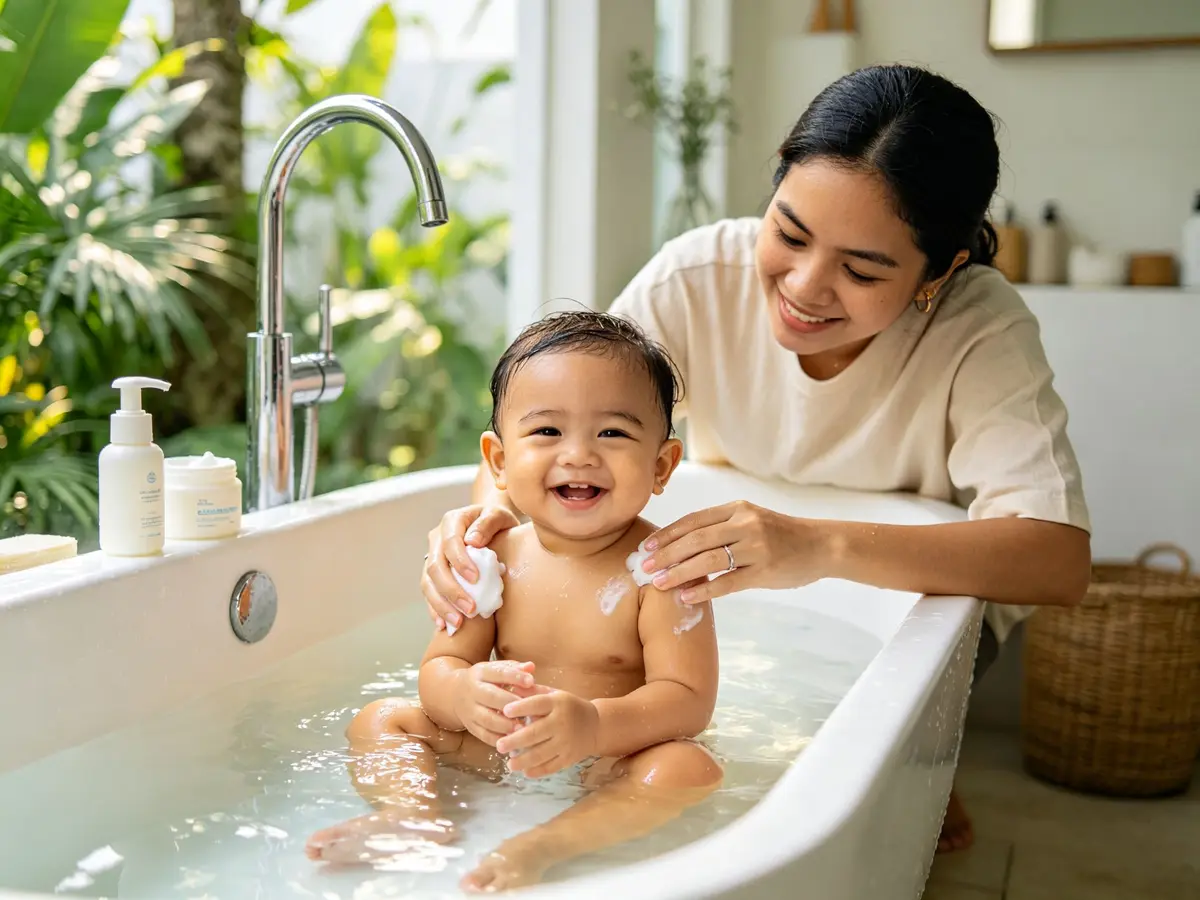
Baby skin in the tropics is more delicate than you think
Before I became a mom, I thought baby skin was just "smooth and soft." After becoming a mom, I learned that baby skin problems can be so numerous they make you question everything. Especially in a hot and humid place like Southeast Asia—my first baby's first year was basically non-stop skin issues: heat rash, eczema, diaper rash taking turns. I practically became a part-time dermatologist.
Later, I specifically consulted a pediatric dermatologist practicing in Singapore, and she said something I'll never forget: "For baby skin in tropical regions, the biggest enemy isn't dryness—it's heat and humidity." That sentence was a wake-up call. Before that, I'd been following Western parenting books, slathering moisturizer on my baby, only to make things worse. In Southeast Asia, the approach needs to be reversed.
In this article, I'll cover the three most common skin problems—heat rash, eczema, and diaper rash—separately. I'll teach you how to identify them, how to care for them, and how to prevent them. These are all lessons I paid for with experience, and I hope they help you avoid the mistakes I made.
Heat rash (prickly heat): the most common but easiest to handle
Heat rash is basically a "standard feature" for babies in Southeast Asia. Both my kids got it, especially during the hottest months of March and April—almost every other week there'd be a new outbreak. At first I'd panic, but eventually I learned to handle it calmly.
How to identify heat rash: It appears as tiny red bumps, sometimes with white tips, that feel slightly rough to the touch. It most commonly appears in sweaty, airless areas—the neck, armpits, groin, buttocks, and the forehead where a hat sits. Your baby may feel itchy and may rub against things or cry.
The core treatment for heat rash is three steps: cool down, dry off, let it breathe.
Step one: cool down. Bring your baby into an aircon room set to around 26°C, remove extra layers of clothing, and let the skin cool down. I usually let my baby play without a diaper for 30 minutes to an hour in the aircon room—this method is especially effective for heat rash on the body.
Step two: dry off. Whenever the baby sweats, gently pat dry with a soft towel—make sure skin folds are completely dry. For bathing, use lukewarm water (around 37°C, not too hot), don't use body wash or only use it on areas with fewer skin folds. Just rinse the rash areas with clean water. After bathing, gently pat dry—don't rub.
Step three: let it breathe. Dress your baby in loose, light, breathable cotton or bamboo fiber clothes—never tight clothing. Try to expose the rash areas to air as much as possible. For example, if there's heat rash on the neck, stop using a bib and let the neck breathe.
Generally, mild heat rash will clear up within two to three days with this approach. Things you should never do: don't apply greasy moisturizer (it blocks pores and worsens heat rash), don't use baby powder (risk of inhalation, and it clumps when mixed with sweat, causing more irritation), and don't use hot water (it worsens inflammation).
If the heat rash turns into pus-filled blisters, your baby develops a fever, or the rash persists for more than a week without improvement, don't try to handle it at home—see a doctor, as it may be a secondary infection.
Eczema: it comes and goes—patience is everything
If heat rash is "here today, gone tomorrow," eczema is the "persistent little troublemaker." My second baby had mild eczema that flared up repeatedly from three months old until he was over a year old. During that time I was really anxious—watching the red, dry patches on his face and body, seeing him too itchy to sleep, it broke my heart.
How to identify eczema: Eczema appears as red, dry, rough patches that may ooze or crust over. The baby will be very itchy and often scratches. The most common areas are the cheeks, elbows, and behind the knees; in severe cases it may spread all over the body. The biggest difference from heat rash: eczema is dry and patchy, while heat rash consists of individual tiny bumps.
The core of eczema care is "moisturize + avoid triggers."
First, moisturizing. This is the most important part of eczema care, whether there's a flare-up or not. But in Southeast Asia, the way you moisturize differs from temperate regions—don't use thick, greasy creams; use lightweight lotions or gels. Thick creams can block pores in tropical climates and may actually trigger heat rash. For my second baby, I used a fragrance-free, alcohol-free gentle lotion, applied two to three times a day, with the best results applied within three minutes of bathing.
Bathing also matters. Water temperature shouldn't be too high—around 37°C is fine. Keep bathing time to 5-10 minutes, don't soak too long. Use fragrance-free, soap-free gentle cleanser, or just plain water. After bathing, gently pat dry with a soft towel—don't rub—and immediately apply moisturizing lotion.
Next, avoiding triggers. Every baby's eczema triggers are different. Common ones include: heat, sweating, dryness, dust mites, pet dander, certain foods (cow's milk, eggs, peanuts, etc.), and irritating detergents or clothing. My second baby's main triggers were heat and sweating, so I paid special attention to controlling the room temperature and wiped him dry and changed clothes as soon as he sweated.
For clothing, we switched everything to cotton or bamboo fiber, and new clothes are washed before wearing. Detergent was switched to fragrance-free, optical-brightener-free baby-specific detergent, and we do an extra rinse cycle to avoid detergent residue.
During eczema flare-ups, you can use a low-potency steroid cream (like hydrocortisone) under a doctor's guidance. Don't be scared by the word "steroid"—when used properly, it's safe and effective. I delayed treatment for a long time because I was afraid to use medication, and later the doctor told me that short-term use of low-potency steroids causes far less damage to the skin than letting eczema become repeatedly inflamed.
Eczema is a chronic condition—be patient. Most babies' eczema gradually improves as they get older. My second baby basically stopped having flare-ups after he was a year and a half. Until then, good daily care to reduce the number of flare-ups is the biggest win.
Diaper rash: a "required course" every baby goes through
Diaper rash is something almost every baby can't avoid. Both my kids got it, especially during bouts of diarrhea or when diaper changes weren't timely. At first I'd panic when I saw redness on the buttocks, but eventually I learned to stay calm.
How to identify diaper rash: Red patches or bumps appear in the diaper-covered area, the skin looks slightly swollen, and your baby may cry during diaper changes (because urine irritates inflamed skin and causes pain). Mild cases are just redness; severe cases may have broken skin or oozing.
The core of diaper rash treatment is "change often, keep dry, use barrier cream."
Frequent changes come first. In a hot place like Southeast Asia, a diaper traps heat and doesn't breathe, and urine and feces irritate the skin, making inflammation very likely. I generally change diapers every two to three hours during the day, and immediately when the baby poops—no matter how small the amount. At night, I use a more absorbent overnight diaper that can go four to six hours between changes, but if the baby poops, I still change it immediately.
Keeping dry is also very important. Every time I change a diaper, I rinse with warm water or gently wipe with a soft baby wipe, then gently pat dry with a dry towel, or let the baby air out without a diaper for a few minutes until the skin is completely dry before putting on a new diaper. Never put on a diaper while the skin is still wet—a moist environment is a breeding ground for bacteria and fungi.
Barrier cream is great for both preventing and treating mild diaper rash. I use a zinc oxide barrier cream, applying a layer after every diaper change to form a protective film between the skin and urine/feces. If there's already mild diaper rash, apply a thicker layer—it usually improves within a day or two.
Here I want to specifically mention fungal diaper rash. In Southeast Asia's humid environment, diaper rash easily develops secondary fungal infections (candida). Fungal diaper rash has a characteristic look: the redness is very bright, the borders are clear, and there are tiny "satellite lesions" around it. Regular barrier cream won't work. If this is the case, you'll need an antifungal cream—it's best to see a doctor for a prescription. My first baby had this once, and it cleared up in three days with the antifungal cream the doctor prescribed.
To prevent diaper rash, besides frequent changes and keeping dry, choosing the right diaper also matters. Breathable diapers reduce heat and moisture, lowering the chance of diaper rash. When changing diapers, use gentle, non-irritating baby wipes—avoid those with alcohol and fragrance, to reduce skin irritation.
A few final honest words
When your baby's skin problems keep coming back, it's really easy for moms to feel anxious. When my second baby's eczema was at its worst, I'd get up in the middle of the night to apply cream, watching him too itchy to sleep, and I'd cry along with him. But later I gradually understood that most baby skin problems are阶段性—they gradually get better as the baby grows and the immune system matures.
What we can do is practice good daily care, reduce flare-ups, handle them correctly when they occur, and seek medical attention promptly when they're severe. Don't blame yourself because your baby has a bit of rash, and don't blindly follow various folk remedies. When in doubt, ask a doctor—professional advice is the most reliable.
I hope this article helps those of you currently struggling with your baby's skin problems. We're in this together.
Frequently Asked Questions
How often should I change my baby's diaper?
Change wet diapers every 2-3 hours during the day, and change dirty diapers as soon as possible. At night, you don't need to wake a sleeping baby for a wet diaper unless it's leaking or causing irritation. Newborns may need 10-12 changes a day, while older babies need 6-8.
What causes diaper rash and how do I treat it?
Diaper rash is usually caused by prolonged moisture, friction, or irritation from urine and stool. To treat it, change diapers frequently, clean the area gently with warm water (avoid scented wipes), let the skin air dry, and apply a thick layer of zinc oxide ointment. If the rash doesn't improve in 2-3 days, looks severe, or is accompanied by fever, see your pediatrician.
How do I know when to size up diapers?
Signs it's time to size up include: the diaper is too snug around the waist or thighs, you can't fit two fingers under the waistband, the diaper doesn't cover the baby's bottom fully, or you're experiencing frequent leaks. Most diaper brands have weight guidelines on the package, but every baby is shaped differently — go by fit, not just weight.
Should I use diaper rash cream at every change?
You don't need to use cream at every change if your baby doesn't have rash. A thin layer of petroleum jelly or zinc oxide ointment can be used as a barrier during times when rash is more likely — like during teething, diarrhea, or hot weather. If your baby has active rash, apply a thick layer at every change until it clears.
Frequently Asked Questions
Why do babies get more skin problems in tropical climates like Southeast Asia?
Babies are more prone to skin problems in tropical climates because: their sweat glands are not fully developed, making it harder for them to regulate body temperature; high humidity slows down the evaporation of sweat, leading to clogged pores and heat rash; frequent sweating can disrupt the skin's natural barrier, making it more susceptible to irritation and infection; hot and humid conditions promote the growth of bacteria and fungi that can cause skin infections; and babies may be more exposed to irritants such as sunscreen, insect repellent, and chlorine from swimming pools. These factors combined make baby skin care particularly challenging in tropical regions.
How can I prevent and treat heat rash (miliaria) in babies in tropical weather?
To prevent heat rash in babies: keep your baby cool and dry by using aircon or fans; dress your baby in light, loose-fitting cotton clothing; avoid overdressing your baby; change wet or sweaty clothes promptly; bathe your baby regularly with lukewarm water; avoid using heavy creams or ointments that can clog pores; and ensure good air circulation. To treat heat rash: move your baby to a cool, dry area; gently clean the affected area with cool water and pat dry; apply a mild, fragrance-free moisturizer or calamine lotion to soothe itching; avoid using oils or heavy creams; let the skin air dry; and if the rash is severe, persists for more than a few days, or becomes infected (redness, swelling, pus), consult a pediatrician.
What is the best diaper rash prevention routine for babies in humid Southeast Asian weather?
The best diaper rash prevention routine for babies in humid weather includes: change diapers frequently (every 2-3 hours or immediately after bowel movements); clean the diaper area gently with warm water and a soft cloth or fragrance-free baby wipes; pat the skin dry thoroughly—do not rub; allow the diaper area to air dry for a few minutes before putting on a new diaper; apply a thin layer of zinc oxide diaper rash cream at each diaper change to create a protective barrier; use super-absorbent, breathable diapers that keep moisture away from the skin; avoid using scented wipes, baby powders, or harsh soaps; and if diaper rash develops, increase air exposure by letting your baby go diaper-free for short periods, and consult a pediatrician if the rash is severe, bleeds, or persists for more than 3 days.
How should I care for baby eczema (atopic dermatitis) in a tropical climate?
Caring for baby eczema in a tropical climate requires a gentle, consistent routine: bathe your baby daily with lukewarm (not hot) water for 5-10 minutes using a mild, fragrance-free, pH-balanced cleanser; immediately after bathing, pat the skin dry and apply a thick, fragrance-free moisturizer or emollient within 3 minutes to lock in moisture; apply moisturizer at least twice a day, or more frequently if the skin is very dry; avoid triggers such as heat, humidity, sweat, harsh soaps, fragrances, wool clothing, and certain foods; dress your baby in soft, breathable cotton clothing; keep the room cool and well-ventilated; keep your baby's nails short to prevent scratching; and if eczema is severe or persists, consult a pediatric dermatologist who may prescribe topical corticosteroids or other treatments.