
2026-09-04 · Moni Happy Editorial Team
Baby Sleep Training: A Mom's Honest Guide to Gentle Methods, Schedules & What Actually Worked
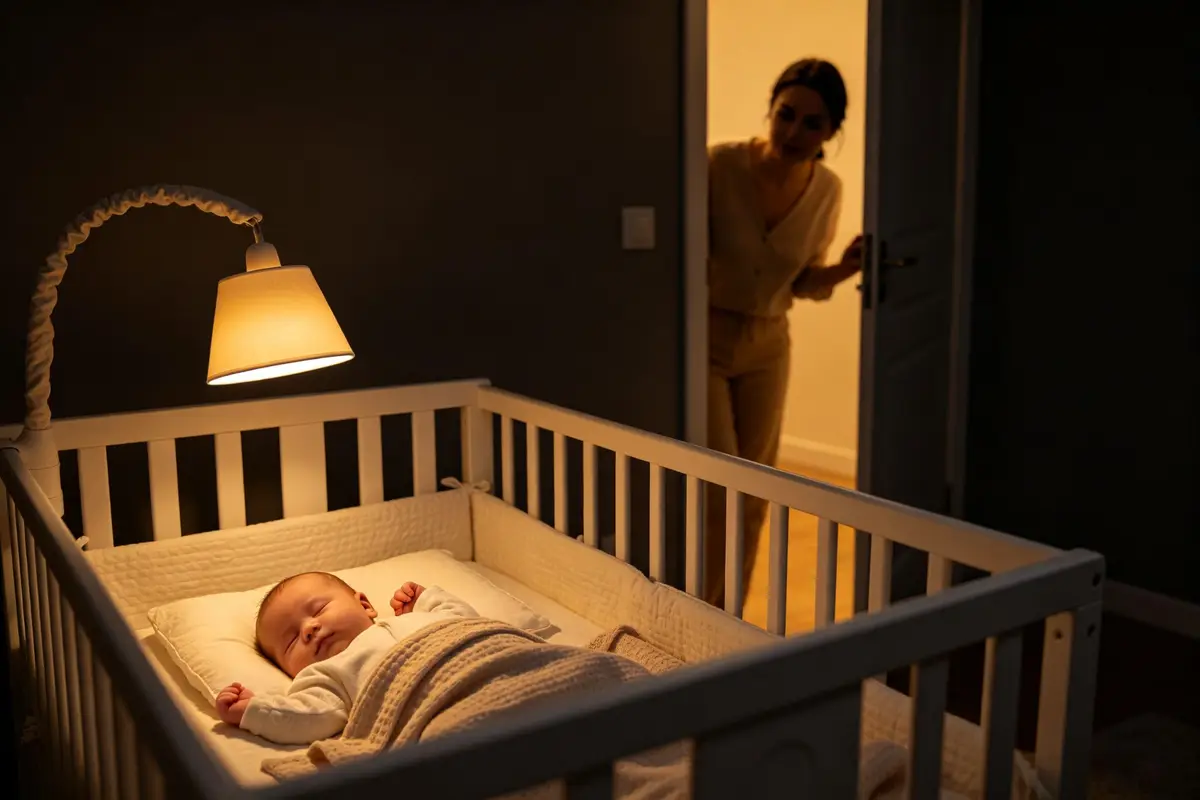
Baby Sleep Training: A Mom's Honest Guide to Gentle Methods, Schedules & What Actually Worked
Sleep. It's the thing every new parent dreams about and the thing that seems most elusive. With my first baby, I was convinced I'd never sleep again. She woke every 1-2 hours, would only fall asleep while nursing, and the moment I put her down—eyes wide open. I read every sleep book, tried every trick, and cried more nights than I care to admit. At 6 months, we finally tried sleep training, and within a week she was sleeping 11 hours straight. I cried again—happy tears this time. With my second and third babies, I was more relaxed, started good sleep habits earlier, and sleep training was much easier. Here's my honest, no-nonsense guide to baby sleep training—what works, what doesn't, and how to survive the process without losing your mind.
What Is Sleep Training & When to Start
Sleep training (also called sleep teaching or sleep coaching) is the process of helping your baby learn to fall asleep independently and connect sleep cycles through the night without needing your help (rocking, nursing, bouncing, pacifier replacement). It's about teaching your baby the skill of self-soothing—being able to calm themselves and fall back asleep when they wake between sleep cycles (which happens every 45-60 minutes for babies).
When to start: Most sleep training experts and pediatricians recommend starting around 4-6 months of age. By this age:
- Most babies have developed the ability to self-soothe (they can find their hands, suck their thumb/fingers, and calm themselves)
- Many babies are developmentally capable of sleeping through the night (6-8+ hours) without a feed, though some still need a night feed until 6-9 months
- The moro (startle) reflex has usually disappeared by 4-6 months, so babies no longer startle themselves awake
- Babies have clearer sleep-wake cycles and can follow a more predictable schedule
- The risk of SIDS drops significantly after 4-6 months, and babies are better able to regulate their temperature and breathing
Before 4 months: Formal sleep training is generally not recommended because newborns have immature sleep patterns, need frequent night feeds, and haven't developed the ability to self-soothe. However, you can start building good sleep habits from day one: a consistent bedtime routine, putting baby down drowsy but awake when possible, distinguishing day from night (light/noise during the day, dark/quiet at night), and not creating strong sleep associations (like only falling asleep while nursing or rocking). These early habits make formal sleep training much easier later.
Is sleep training "cry it out"? No. "Cry it out" (CIO, also called extinction) is just one method of sleep training where you put the baby down and don't return until morning. There are many gentler methods that involve checking in, comforting, and gradually reducing your presence. Sleep training doesn't have to mean letting your baby cry alone—you can choose a method that aligns with your parenting philosophy and your baby's temperament.
Important: Sleep training is not for every family. If you're happy with your current sleep arrangement (co-sleeping, room-sharing, night nursing), there's no need to sleep train. Sleep training is a personal choice, and the goal is to help everyone in the family get the sleep they need. Do what feels right for you and your baby—there's no "right" way, and what works for one baby may not work for another.
Sleep Training Methods: From Gentle to Strict
There are several sleep training methods, ranging from gentle (gradual, lots of parental presence) to strict (minimal intervention). Here are the most common methods, from gentlest to most direct:
1. The Chair Method (Gentlest): Sit in a chair next to the crib while your baby falls asleep. Every few nights, move the chair farther away (next to crib → across the room → doorway → outside the room). This method provides lots of comfort and gradual separation, but it can take longer (2-4 weeks). It's good for babies who need a lot of reassurance or parents who want a very gentle approach.
2. The Pick-Up-Put-Down Method (Gentle): When your baby cries, pick them up and comfort them until calm, then put them back down awake. Repeat as needed. This method is responsive and comforting but can be physically exhausting and may take a long time (weeks). It's good for younger babies (4-5 months) or babies who need a lot of physical comfort.
3. The Ferber Method (Graduated Extinction / Check-and-Console): Developed by Dr. Richard Ferber. Put baby down awake, leave the room, and return at progressively longer intervals to briefly comfort (pat, shush, verbal reassurance) without picking up. Start with 3 minutes, then 5, then 10, then 12 minutes (or your own schedule). Each night, increase the intervals. This method usually takes 3-7 nights. It's the most researched method and works well for many babies. The key is to keep check-ins brief (1-2 minutes) and not pick the baby up (which can overstimulate them).
4. The Weissbluth Method (Extinction / Cry It Out): Developed by Dr. Marc Weissbluth. Put baby down awake, say goodnight, and don't return until morning (or the designated wake time). This method is the fastest (usually 2-4 nights) but involves the most crying. It's not for everyone, but it can be effective for babies who are strong-willed or when gentler methods haven't worked. Important: This method is only recommended for babies 6+ months who are healthy and not hungry. You should still check on the baby periodically to ensure safety, but you don't intervene unless something is wrong.
5. The Bedtime Fading Method (No Tears / Fading): This isn't really "training"—it's gradually adjusting your baby's bedtime and slowly reducing the amount of help you provide to fall asleep. For example, if you currently rock your baby to sleep, you gradually reduce the rocking time each night until they fall asleep with less help. This method is very gentle and has minimal crying, but it can take weeks or months. It's good for parents who want to avoid crying entirely or who have a very sensitive baby.
6. The "Sleep Lady Shuffle" (Kim West): A gradual method similar to the chair method but with more specific guidance. Sit on a chair next to the crib, and every 3 nights move the chair farther away. While sitting, you can shush, pat, and verbally reassure, but don't pick up. This method takes 2-3 weeks but is very gentle and responsive.
My experience: With my first, I tried the Ferber method at 6 months and it worked in 5 nights. The first night was hard (45 minutes of crying with check-ins), but each night got better. With my second, I used a more gradual approach (chair method) starting at 5 months, and it took about 2 weeks but with much less crying. With my third, I just established good habits early and she basically sleep-trained herself by 5 months with almost no crying. Every baby is different—what works for one may not work for another. The key is to choose a method you can stick with consistently for at least 5-7 nights, because inconsistency can confuse the baby and prolong the process.
Building a Bedtime Routine & Sleep Environment
Regardless of which sleep training method you choose (or even if you don't formally sleep train), a consistent bedtime routine and a safe sleep environment are the foundation of good baby sleep. Here's what I've learned:
Bedtime routine (15-30 minutes, consistent every night):
- Start at the same time every night: Most babies 4-12 months do best with a bedtime between 6:30-8:00 PM. An earlier bedtime (6:30-7:30) often leads to better nighttime sleep and fewer night wakings, because overtired babies actually sleep worse. Watch for sleepy cues (yawning, rubbing eyes, staring off, fussiness) and start the routine before your baby gets overtired.
- Keep it consistent: Do the same steps in the same order every night. This signals to your baby that sleep is coming and helps their body wind down. A typical routine: bath → lotion/massage → pajamas → book/song → feed (if not sleep-trained) → into crib drowsy but awake → goodnight.
- Bath (2-3 times per week is enough): A warm bath is relaxing for many babies, but daily bathing can dry out baby skin (especially in the first year). Use a gentle, fragrance-free baby wash. After the bath, pat dry and apply a gentle, fragrance-free lotion—this is also a good opportunity for baby massage, which can be relaxing.
- Dim the lights and reduce stimulation: 30-60 minutes before bed, dim the lights, turn off screens (TV, phones, tablets—blue light suppresses melatonin), and keep activities calm (reading, singing, gentle play). Avoid active play, tickling, or loud noises close to bedtime.
- Book or song: Reading a short book or singing a lullaby is a calming, consistent part of the routine. Even young babies benefit from the rhythm and familiarity.
- Put down drowsy but awake: This is the most important step for independent sleep. Put your baby in the crib when they're drowsy but still awake (eyes may be heavy, but they're not fully asleep). This gives them the opportunity to practice falling asleep on their own. If they always fall asleep in your arms (or while nursing), they'll need you to recreate that condition every time they wake at night.
Safe sleep environment (AAP guidelines):
- Back to sleep: Always place your baby on their back to sleep, for every sleep (naps and night). This reduces the risk of SIDS by 50%. Once your baby can roll both ways (usually 4-6 months), they may roll to their stomach during sleep—you don't need to keep flipping them back, but always start them on their back.
- Firm, flat sleep surface: Use a firm crib mattress with a tight-fitting sheet. No pillows, blankets, bumper pads, stuffed animals, or loose bedding in the crib (these are SIDS and suffocation risks). For warmth, use a wearable blanket (sleep sack) instead of loose blankets.
- Room-sharing, not bed-sharing: The AAP recommends room-sharing (baby sleeps in the same room as parents, in their own crib/bassinet) for at least the first 6 months, ideally the first year. This reduces SIDS risk by up to 50%. Bed-sharing (baby in the adult bed) is not recommended due to suffocation, entrapment, and SIDS risks, especially if parents smoke, have been drinking, are very tired, or are using soft bedding.
- White noise: A white noise machine or app can help mask household noises and remind babies of the womb. Keep the volume at a safe level (no louder than 50-60 decibels, about the volume of a shower) and place it at least 6 feet from the crib. White noise can be especially helpful during sleep training and for babies who are light sleepers.
- Dark room: Use blackout curtains or shades to keep the nursery dark. Darkness signals the body to produce melatonin (the sleep hormone). Even small amounts of light (from a nightlight, window, or device) can interfere with sleep. If you need a light for night feeds/changes, use a very dim, warm-colored light (red or amber is best, as it doesn't suppress melatonin as much as blue/white light).
- Comfortable temperature: Keep the room at 20-22°C (68-72°F). Babies should not be overdressed—dress them in one more layer than you'd be comfortable in. A sleep sack is a great way to keep baby warm without loose blankets. Check baby's neck or back of the neck to see if they're too hot (sweaty, hot neck = too warm; cold hands/feet are normal in babies).
- Pacifier: Offering a pacifier at naptime and bedtime reduces SIDS risk, according to the AAP. If your baby refuses a pacifier, don't force it. If the pacifier falls out during sleep, you don't need to replace it (though during sleep training, you may want to wean from pacifier dependence if it's causing frequent night wakings).
- Swaddle (for newborns only): Swaddling can help newborns feel secure and reduce the startle reflex. Stop swaddling once your baby shows signs of rolling (usually 3-4 months), because a swaddled baby who rolls to their stomach is at increased SIDS risk. Transition to a sleep sack (which allows arms to be free) once rolling begins.
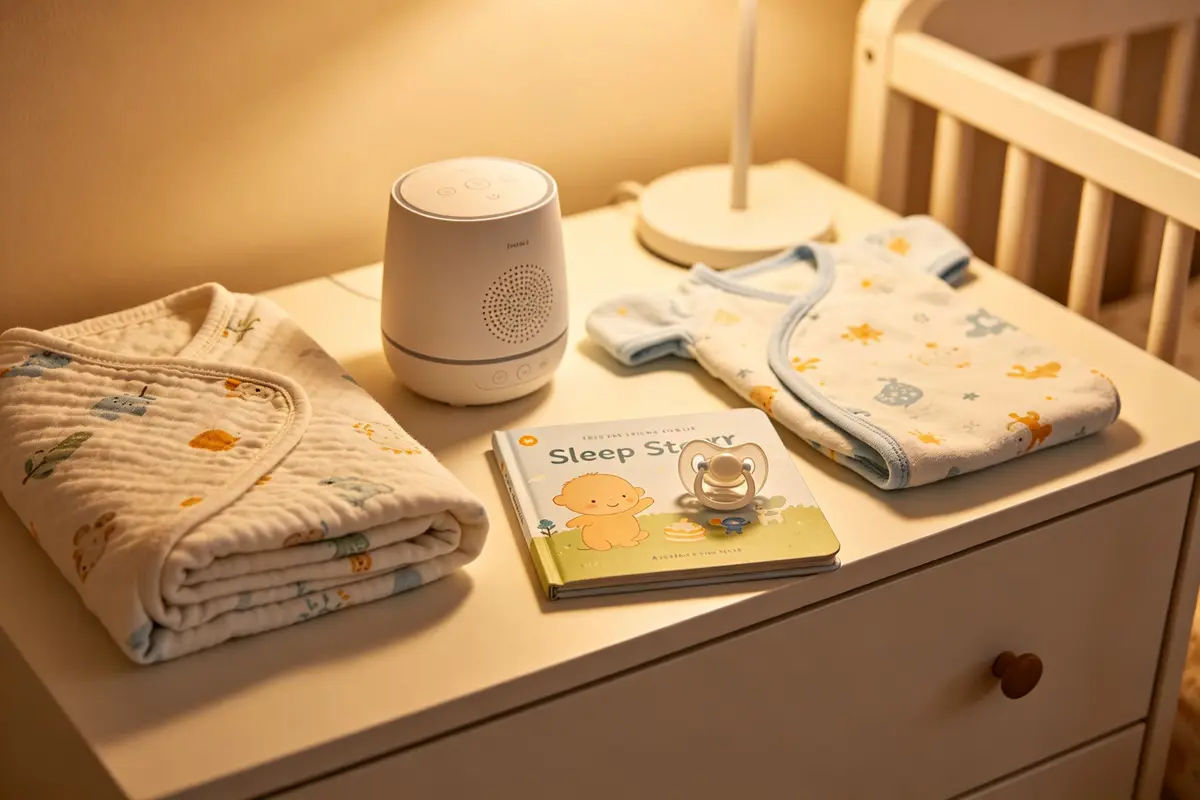
Surviving Sleep Training: Tips for Parents
Sleep training is hard—on both baby and parents. Here's what helped me survive and what I wish someone had told me before we started:
- Pick a start date and commit: Choose a time when you can be consistent for at least 5-7 nights without travel, visitors, or major schedule changes. Once you start, commit to the method for at least 5 nights before deciding it's not working. Inconsistency (doing it one night, giving in the next) is confusing for the baby and prolongs the process. It's okay to take a break if you're exhausted or if your baby is sick, but try to get back on track as soon as possible.
- Expect crying—it's normal: Some crying is normal with any sleep training method (even gentle ones), because your baby is protesting the change and learning a new skill. The crying usually peaks on night 2-3 and then decreases significantly. It's hard to listen to, but it doesn't mean your baby is being harmed or that you're a bad parent. Research has shown that sleep training does not cause long-term harm to babies or parent-child attachment. If the crying is extreme (high-pitched, panicked, or lasts more than 1-2 hours without calming), your baby may not be ready, or you may need a gentler method.
- Tag team with your partner: If you have a partner, take turns going in for check-ins and handling night wakings. This gives each of you a break and prevents one person from becoming exhausted. It also prevents the baby from developing a preference for one parent's soothing style. If you're a single parent, ask a friend or family member for support during the day so you can rest.
- Take care of yourself: Sleep training is emotionally and physically draining. Make sure you're eating well, staying hydrated, and getting rest when you can (even if it's not at night). Take naps when the baby naps during the day—housework can wait. If you're feeling overwhelmed, anxious, or depressed, talk to your doctor or a mental health professional. Postpartum sleep deprivation can contribute to postpartum depression and anxiety, and it's important to get help if you need it.
- Track progress: Keep a simple sleep log (there are many apps, or just use a notebook) to track bedtime, how long it takes to fall asleep, number of night wakings, and wake time. Seeing progress on paper can be encouraging, especially on hard nights. It also helps you identify patterns (e.g., baby always wakes at a certain time, or a later bedtime leads to more night wakings).
- Be prepared for sleep regressions: Even after successful sleep training, babies go through sleep regressions at various ages (typically 4 months, 8-10 months, 12 months, 18 months). These are temporary periods of increased night wakings and nap disruptions caused by developmental leaps (learning new skills like rolling, crawling, walking, talking), teething, illness, or schedule changes. During a regression, stick to your routine and sleep training principles as much as possible, offer extra comfort, and know that it's temporary (usually 1-2 weeks). Don't start new sleep habits (like bringing baby into your bed) during a regression unless you're prepared to continue them afterward.
- Know when to pause: Don't sleep train if your baby is sick (fever, ear infection, cold, teething pain), if you've just had a major life change (move, new sibling, starting daycare), or if you're traveling. Wait until things are stable and your baby is healthy. If your baby is teething, you can offer pain relief (acetaminophen/ibuprofen) before bed, but try to maintain the sleep training routine as much as possible.
- Celebrate small wins: The first night your baby falls asleep without crying, the first night they sleep 6 hours straight, the first morning they wake up happy—celebrate these milestones. Sleep training is a process, and progress isn't always linear. Some nights will be great, some will be hard. Be patient with yourself and your baby.
Article Summary
Sleep training is the process of helping your baby learn to fall asleep independently and connect sleep cycles through the night without parental intervention. It's most commonly started around 4-6 months, when babies have developed the ability to self-soothe, the startle reflex has disappeared, and many are capable of sleeping through the night. Before 4 months, you can build good sleep habits (consistent routine, drowsy-but-awake, day/night distinction) but formal training isn't recommended. There are several methods ranging from gentle to strict: the Chair Method (sit next to crib, gradually move away), Pick-Up-Put-Down (comfort by picking up, put back awake), the Ferber Method (graduated check-ins at increasing intervals, 3-7 nights), the Weissbluth Method (extinction/cry-it-out, fastest but most crying, 2-4 nights), Bedtime Fading (gradually reduce help, minimal crying, slowest), and the Sleep Lady Shuffle (chair method with specific guidance). There's no "right" method—choose one that aligns with your parenting philosophy and your baby's temperament, and commit to it consistently for 5-7 nights. Regardless of method, a consistent bedtime routine (15-30 min, same time/order every night: bath → lotion → pajamas → book/song → drowsy-but-awake into crib) and a safe sleep environment (back to sleep, firm flat surface, no loose bedding, room-sharing for 6+ months, white noise, dark room, comfortable temperature 20-22°C, pacifier for SIDS reduction, sleep sack instead of blankets) are essential. Most babies do best with an earlier bedtime (6:30-8 PM), and putting baby down drowsy but awake is the single most important step for independent sleep. Sleep training involves some crying (normal, usually peaks night 2-3 then decreases), and research shows no long-term harm to babies or parent-child attachment. Tips for surviving: pick a start date and commit, tag team with your partner, take care of yourself (eat, hydrate, nap when baby naps), track progress with a sleep log, be prepared for temporary sleep regressions (4, 8-10, 12, 18 months), pause if baby is sick or life is unstable, and celebrate small wins. Sleep training is a personal choice—not every family needs or wants to do it, and that's okay. The goal is for everyone in the family to get the sleep they need. With patience, consistency, and self-compassion, most families can achieve better sleep within 1-2 weeks of starting. For more baby care guides, see our baby reflux guide (reflux can disrupt sleep) and explore Moni Happy baby care products.
Frequently Asked Questions
How much sleep does my baby need?
Newborns sleep 14-17 hours a day, infants 4-12 months need 12-16 hours, and toddlers 1-2 years need 11-14 hours, including naps. Every baby is different, so watch for sleepy cues like rubbing eyes, yawning, or looking away rather than strictly following the clock.
When should I start a bedtime routine?
You can start a simple bedtime routine as early as 6-8 weeks. Keep it consistent and short — a warm bath, gentle massage, fresh diaper, quiet feeding, and a lullaby or story works well. The routine signals to your baby that sleep is coming.
Is sleep training safe for my baby?
Most experts agree that sleep training is safe for healthy babies 4-6 months and older. Choose a method that fits your parenting style — from gentle gradual retreat to the Ferber method. Always check with your pediatrician first, especially if your baby has health concerns.
How do I handle the 4-month sleep regression?
The 4-month sleep regression happens when baby's sleep cycles mature and they wake more often between cycles. Stick to your bedtime routine, encourage full feedings during the day, and offer extra comfort. It usually lasts 2-6 weeks and then sleep improves again.
Frequently Asked Questions
When should I start sleep training my baby and is it safe?
Most sleep training experts and pediatricians recommend starting sleep training around 4-6 months of age. By this age, several developmental milestones make sleep training appropriate and effective: 1) Most babies have developed the ability to self-soothe—they can find their hands, suck their thumb/fingers, and calm themselves without parental intervention. 2) Many babies are developmentally capable of sleeping through the night (6-8+ hours) without a feed, though some still need a night feed until 6-9 months. You can sleep train while still keeping one night feed if your baby genuinely needs it. 3) The moro (startle) reflex has usually disappeared by 4-6 months, so babies no longer startle themselves awake. 4) Babies have clearer sleep-wake cycles and can follow a more predictable schedule. 5) The risk of SIDS drops significantly after 4-6 months, and babies are better able to regulate their temperature and breathing. Before 4 months: Formal sleep training is generally NOT recommended because newborns have immature sleep patterns, need frequent night feeds (every 2-4 hours), and haven't developed the ability to self-soothe. However, you can start building good sleep habits from day one: a consistent bedtime routine, putting baby down drowsy but awake when possible, distinguishing day from night (light/noise during the day, dark/quiet at night), and not creating strong sleep associations (only falling asleep while nursing/rocking). These early habits make formal sleep training much easier later. Is sleep training safe? Yes, when done appropriately for a healthy baby 4+ months. Multiple research studies (including a 2016 study in Pediatrics and a 2012 study in the Journal of Child Psychology and Psychiatry) have found that sleep training does not cause long-term harm to babies, does not damage parent-child attachment, does not increase stress hormones long-term, and does not cause behavioral problems. In fact, improved sleep benefits both baby (better growth, development, mood, immune function) and parents (better mental health, reduced postpartum depression risk, better relationship quality). However, sleep training is NOT appropriate if: your baby is under 4 months, your baby is sick (fever, ear infection, significant cold), your baby was premature (adjust age accordingly), your baby has significant medical issues or developmental delays (consult your pediatrician), or you've just had a major life change (move, new sibling, starting daycare). Also, sleep training is a personal choice—not every family wants or needs to do it. If you're happy with your current sleep arrangement (co-sleeping, room-sharing, night nursing), there's no need to sleep train. The goal is for everyone in the family to get the sleep they need. If you're unsure whether your baby is ready, talk to your pediatrician—they can assess your baby's development and help you decide if the timing is right.
What is the difference between Ferber method and cry it out, and which is gentler?
The Ferber method and cry it out (extinction) are two of the most well-known sleep training methods, but they differ significantly in parental involvement and amount of crying. Ferber Method (Graduated Extinction / Check-and-Console): Developed by Dr. Richard Ferber, director of the Center for Pediatric Sleep Disorders at Boston Children's Hospital. How it works: 1) Put your baby in the crib drowsy but awake, say goodnight, and leave the room. 2) If baby cries, wait a predetermined interval before returning (e.g., 3 minutes on night 1). 3) When you return, briefly comfort your baby for 1-2 minutes (pat, shush, verbal reassurance like 'Mommy's here, it's time to sleep') WITHOUT picking them up. Then leave again. 4) If crying continues, wait progressively longer intervals before returning (e.g., 5 min, then 10 min, then 12 min). 5) Each subsequent night, increase the starting interval and the intervals between check-ins. Typical timeline: 3-7 nights. Key principles: Check-ins are brief (1-2 min) and don't involve picking up (which can overstimulate and re-engage the baby). The goal is to reassure the baby that you're nearby while giving them space to practice self-soothing. Cry It Out (Extinction / Weissbluth Method): Developed by Dr. Marc Weissbluth, a pediatrician and sleep specialist. How it works: 1) Put your baby in the crib drowsy but awake, say goodnight, and leave the room. 2) Do NOT return until the designated wake time (or morning), regardless of crying. 3) The baby learns that crying won't bring parental intervention, and eventually learns to self-soothe and fall asleep independently. Typical timeline: 2-4 nights (fastest method). Key principles: No check-ins, no comforting during the night. This method involves the most crying but is the fastest. It's generally recommended for babies 6+ months who are healthy and not hungry. Which is gentler? The Ferber method is generally considered gentler than cry it out because: 1) It involves parental check-ins and reassurance, so the baby knows you're nearby. 2) The gradual intervals give the baby time to practice self-soothing with a safety net. 3) Many parents find it emotionally easier because they're not 'abandoning' the baby. 4) Research shows Ferber produces similar results to extinction with potentially less initial stress. However, 'gentler' doesn't mean 'no crying'—Ferber still involves crying, just with periodic check-ins. And for some babies, the brief check-ins can actually be MORE upsetting than no check-ins, because they get excited that you're back and then upset when you leave again. Every baby responds differently. Other gentler alternatives (even less crying than Ferber): - Chair Method: Sit in a chair next to the crib until baby falls asleep, gradually move the chair farther away over nights. Very little crying but takes 2-4 weeks. - Pick-Up-Put-Down: Pick up and comfort when crying, put back down awake. Very responsive but physically exhausting and slow (weeks). - Bedtime Fading: Gradually reduce the amount of help you provide to fall asleep over weeks. Minimal crying but very slow. My recommendation: If you want a method that's effective but not as intense as cry it out, try the Ferber method. If even Ferber feels too harsh, try the Chair Method or Pick-Up-Put-Down. If you've tried gentler methods for 1-2 weeks without progress and your baby is 6+ months, you could consider cry it out as a last resort. The most important thing is to choose a method you can commit to consistently for 5-7 nights—inconsistency is worse than any particular method. And remember: sleep training is optional. If the idea of any crying is too distressing for you, you can take the very gradual approach (fading, good habits, time) and many babies will eventually learn to sleep independently on their own timeline.
How do I create a bedtime routine and safe sleep environment for my baby?
A consistent bedtime routine and a safe sleep environment are the foundation of good baby sleep—whether or not you formally sleep train. Here's a complete guide: BEDTIME ROUTINE (15-30 minutes, same time and order every night): 1) Start at the same time: Most babies 4-12 months do best with bedtime between 6:30-8:00 PM. An earlier bedtime (6:30-7:30) often leads to BETTER nighttime sleep and fewer night wakings, because overtired babies actually produce more cortisol (stress hormone) which makes it harder to fall and stay asleep. Watch for sleepy cues (yawning, rubbing eyes, staring off, fussiness, decreased activity) and start the routine BEFORE baby gets overtired (once overtired, they may fight sleep and wake more at night). 2) Keep it consistent: Do the same steps in the same order every night. This predictability signals to baby's brain that sleep is coming and triggers the release of melatonin (sleep hormone). A typical routine: bath → lotion/massage → pajamas → book/song → feed (if not sleep-trained or if keeping a night feed) → into crib drowsy but awake → goodnight. 3) Bath (2-3 times/week is enough): A warm bath is relaxing, but daily bathing can dry baby's delicate skin (especially in first year). Use gentle, fragrance-free baby wash. After bath, pat dry (don't rub) and apply gentle fragrance-free lotion—this is also a good time for baby massage (gentle circular strokes on legs, arms, back), which many babies find relaxing. 4) Dim lights, reduce stimulation: 30-60 min before bed, dim lights, turn off screens (TV, phones, tablets—blue light suppresses melatonin), and keep activities calm (reading, singing, gentle play). Avoid active play, tickling, loud noises, or outings close to bedtime. 5) Book or song: Reading a short board book or singing a lullaby is calming and consistent. Even young babies benefit from the rhythm and familiarity. Keep it short (1-2 books or one song) so baby doesn't get overstimulated. 6) Put down drowsy but awake (THE most important step): Put baby in the crib when drowsy but still awake (eyes heavy, maybe closing, but not fully asleep). This gives baby the opportunity to practice falling asleep independently. If baby always falls asleep in your arms/nursing, they'll need you to recreate that condition every time they wake between sleep cycles (every 45-60 min). This is the #1 cause of frequent night wakings. SAFE SLEEP ENVIRONMENT (AAP guidelines, updated 2022): 1) Back to sleep: Always place baby on their back for every sleep (naps and night). Reduces SIDS risk by 50%. Once baby can roll both ways (usually 4-6 months), they may roll to stomach during sleep—you don't need to keep flipping them back, but always start on back. 2) Firm, flat sleep surface: Firm crib/bassinet mattress with tight-fitting sheet. NO pillows, blankets, bumper pads, stuffed animals, or loose bedding in the crib (SIDS/suffocation risks). For warmth, use a wearable blanket (sleep sack) instead of loose blankets. 3) Room-sharing, not bed-sharing: Baby sleeps in the same room as parents, in their own crib/bassinet, for at least 6 months (ideally first year). Reduces SIDS risk by up to 50%. Bed-sharing (baby in adult bed) is NOT recommended due to suffocation, entrapment, and SIDS risks—especially if parents smoke, drink, are very tired, or use soft bedding. 4) White noise: White noise machine/app can mask household noises and remind baby of the womb. Keep volume ≤50-60 decibels (about shower volume) and place ≥6 feet from crib. Helpful for sleep training and light sleepers. 5) Dark room: Blackout curtains/shades. Darkness triggers melatonin. Even small light (nightlight, window, device) can interfere. If you need light for night feeds/changes, use very dim warm/amber/red light (doesn't suppress melatonin like blue/white light). 6) Comfortable temperature: Room at 20-22°C (68-72°F). Don't overdress—one more layer than you'd wear. Sleep sack is great. Check baby's neck/back of neck (sweaty/hot = too warm; cold hands/feet are normal in babies). 7) Pacifier: Offering pacifier at naptime/bedtime reduces SIDS risk (AAP). Don't force if baby refuses. If it falls out during sleep, no need to replace (though during sleep training, you may wean from pacifier if it causes frequent night wakings). 8) Swaddle (newborns only): Swaddling helps newborns feel secure and reduces startle reflex. STOP swaddling once baby shows signs of rolling (usually 3-4 months)—a swaddled baby who rolls to stomach has increased SIDS risk. Transition to sleep sack (arms free) once rolling begins. These habits create the conditions for safe, independent sleep. Start them early (even from birth) and they'll become second nature for both you and your baby.
How long does sleep training take and what if it doesn't work?
The timeline for sleep training varies depending on the method, your baby's age and temperament, and how consistently you implement it. Here's what to expect: Typical timelines by method: - Ferber Method (graduated extinction): 3-7 nights. Most babies show significant improvement by night 3-4, and are sleeping through the night by night 5-7. Crying usually peaks on night 2-3 and then decreases. - Cry It Out (extinction/Weissbluth): 2-4 nights. Fastest method. Night 1 is usually the hardest (crying may last 30-60+ minutes), night 2 is often similar or slightly worse, and by night 3-4 most babies are falling asleep independently and sleeping through. - Chair Method / Sleep Lady Shuffle: 2-4 weeks. Much slower because you're gradually reducing your presence. Crying is minimal but the process takes much longer. - Pick-Up-Put-Down: 1-4 weeks. Can be slow and physically exhausting. Some babies respond quickly, others take weeks. - Bedtime Fading: Weeks to months. Very gradual, minimal crying, but slowest of all. What's normal during sleep training: - Night 1: Some crying (15-60 min, depending on method and baby). This is protest crying—baby is upset about the change. - Night 2-3: Crying may peak (this is the hardest part for parents). It may seem like it's getting worse before it gets better. - Night 3-5: Crying decreases significantly. Baby may fall asleep within 5-15 minutes. Night wakings decrease. - Night 5-7: Most babies are falling asleep independently within 5-10 minutes and sleeping 6-12 hours through the night (depending on age and whether they still need a night feed). - A lingering cough or occasional night waking is normal for 1-2 weeks after training, especially during sleep regressions. What if it doesn't work? If you've been consistent with a method for 7-10 nights and there's no improvement (baby is still crying for extended periods, still waking frequently, not falling asleep independently), consider these possibilities: 1) Inconsistency: This is the #1 reason sleep training 'fails.' If you do the method some nights but give in (rock, nurse, bring to bed) other nights, baby learns that crying sometimes works, which makes them cry MORE and longer. You must be consistent for at least 5-7 consecutive nights. 2) Wrong method for your baby: Some babies respond better to different methods. If Ferber isn't working after a week, try a gentler method (Chair, Pick-Up-Put-Down) or a more direct method (extinction) if you're comfortable. Every baby is different—strong-willed babies may need more direct methods, while sensitive babies may need gentler approaches. 3) Baby not ready: If your baby is under 4 months, or if they have developmental delays, prematurity (adjust age), or medical issues, they may not be ready. Wait a few weeks and try again. 4) Overtired or undertired: If bedtime is too late, baby is overtired and produces cortisol, making it harder to sleep. If bedtime is too early, baby isn't tired enough. Track awake times and adjust bedtime accordingly. Typical awake times: 4-6 months: 1.5-2.5 hours between naps; 6-9 months: 2-3 hours; 9-12 months: 3-4 hours. 5) Discomfort: Teething, ear infection, cold, reflux, gas, or eczema can all disrupt sleep and make sleep training ineffective. Treat the underlying issue first, then resume training. If baby is in pain, they need comfort, not sleep training. 6) Hunger: If baby is under 6 months or still needs a night feed for nutrition, they may genuinely be hungry at night. You can keep one night feed while sleep training for other wakings, or gradually reduce the night feed (decrease amount/nursing time over nights) until it's gone. 7) Sleep associations you haven't addressed: If baby relies on a pacifier that falls out 5 times a night, or needs to be rocked for 20 minutes, or needs motion (car seat, swing), these associations will undermine sleep training. You may need to wean from the pacifier at sleep time, or gradually reduce rocking/motion. 8) Naps are off: Poor naps (too few, too short, or at wrong times) lead to overtiredness and poor nighttime sleep. Make sure baby is getting adequate daytime sleep: 4-6 months: 3-4 naps totaling 3-4 hours; 6-9 months: 2-3 naps totaling 2.5-3.5 hours; 9-12 months: 2 naps totaling 2-3 hours. If sleep training truly isn't working after trying different methods consistently, take a break for 1-2 weeks, focus on good sleep habits (routine, drowsy-but-awake, good naps), and try again. Many babies need a few attempts before it clicks. And some babies just take longer—there's a wide range of normal. If you're concerned about your baby's sleep, talk to your pediatrician to rule out medical issues (reflux, sleep apnea, ear infections, iron deficiency) that could be disrupting sleep. Remember: the goal is for your family to get the sleep you need. If sleep training is causing you significant distress, it's okay to take a gentler, slower approach or to accept your baby's current sleep patterns for now. Sleep is a developmental skill, and most babies eventually learn to sleep independently—some just take longer than others.