
2026-09-16 · Moni Happy Editorial
Best Baby Car Seat 2026: Infant, Convertible & All-in-One Guide
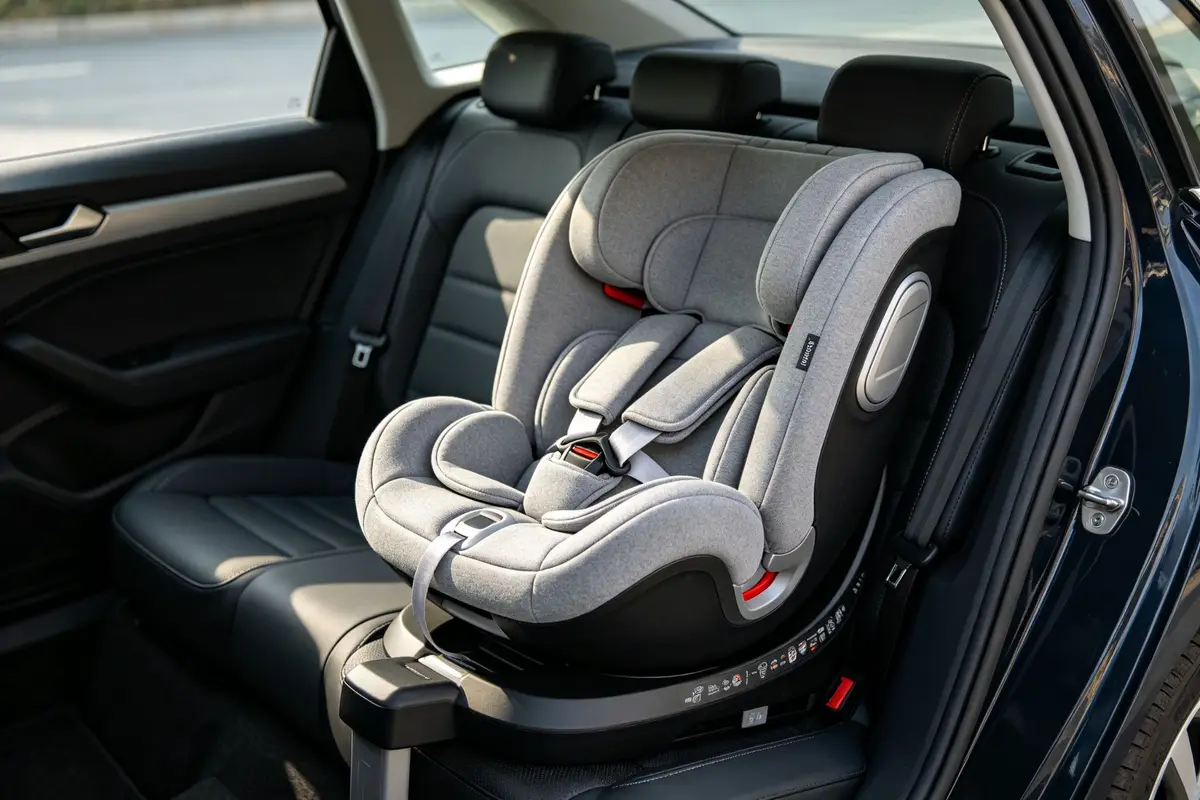
A car seat is the single most important baby product you will buy. In a car accident, a properly installed car seat is the best protection your baby has. The global baby car seat market is projected to grow at a CAGR of 6.5% through 2026, driven by increasing vehicle ownership, stricter safety regulations, and growing parental awareness of child passenger safety. This article examines the market landscape, car seat types, key safety features, leading brands, and what parents should consider when looking to buy a baby car seat online in 2026.
Market Overview: Safety-Driven Growth
The baby car seat market is one of the most regulated and safety-conscious segments in the baby product industry. Governments worldwide mandate that infants travel in approved child restraints, and safety standards continue to evolve. Key market drivers include: increasing vehicle ownership in emerging markets like Southeast Asia; stricter safety regulations and crash testing standards; growing parental awareness of the dangers of improper car seat use; the trend toward convertible and all-in-one car seats that grow with the child; and the popularity of travel systems that combine a car seat with a stroller. In Southeast Asia, where road traffic and vehicle density are increasing, car seat adoption is growing rapidly as governments and parents recognize their life-saving value. E-commerce has made a wider range of car seats accessible, though safety experts emphasize that proper installation is as important as the seat itself. The market is also being shaped by the shift toward lightweight infant car seats for travel and easier handling, and the growing popularity of ISO Fix/LATCH installation systems that make proper installation easier. For parents looking to buy a baby car seat online, safety certifications, proper fit for their vehicle, and correct installation are non-negotiable.
Car Seat Types: Infant, Convertible, All-in-One, and Booster
The car seat market includes four main types. Infant car seats are rear-facing seats designed specifically for newborns and small babies (typically birth to 12-15 months, or up to 22-35 lbs depending on the model). They are rear-facing, have a handle for carrying, and often click into a stroller base as part of a travel system. Pros: newborn-friendly recline, easy to carry baby without waking them, compatible with strollers. Cons: outgrown quickly, must be replaced when baby reaches the weight limit. Prices range from $80-250. Convertible car seats can be used rear-facing for infants and then converted to forward-facing for toddlers. They typically last from birth to 65+ lbs, eliminating the need to buy a separate infant seat. Pros: longer lifespan, better value, stays in the car. Cons: heavier, newborns may not fit as well as a dedicated infant seat, not portable. Prices range from $120-350. All-in-one car seats combine infant, convertible, forward-facing, and booster modes in one seat, often lasting from birth to 100+ lbs. They are the most versatile option, growing with the child through multiple stages. Pros: maximum longevity, one seat for years. Cons: complex to convert, may be bulky. Prices range from $200-500. Booster seats are for older children (typically 4-10 years, 40-100 lbs) who have outgrown forward-facing seats but still need a boost to use an adult seat belt safely. Prices range from $30-150. When choosing a car seat, prioritize: the highest safety ratings, proper fit for your vehicle and child's size, ease of installation, and a seat that is appropriate for your child's current stage. Many parents choose an infant seat for the first year, then transition to a convertible or all-in-one seat.
Key Safety Features and Buying Guide
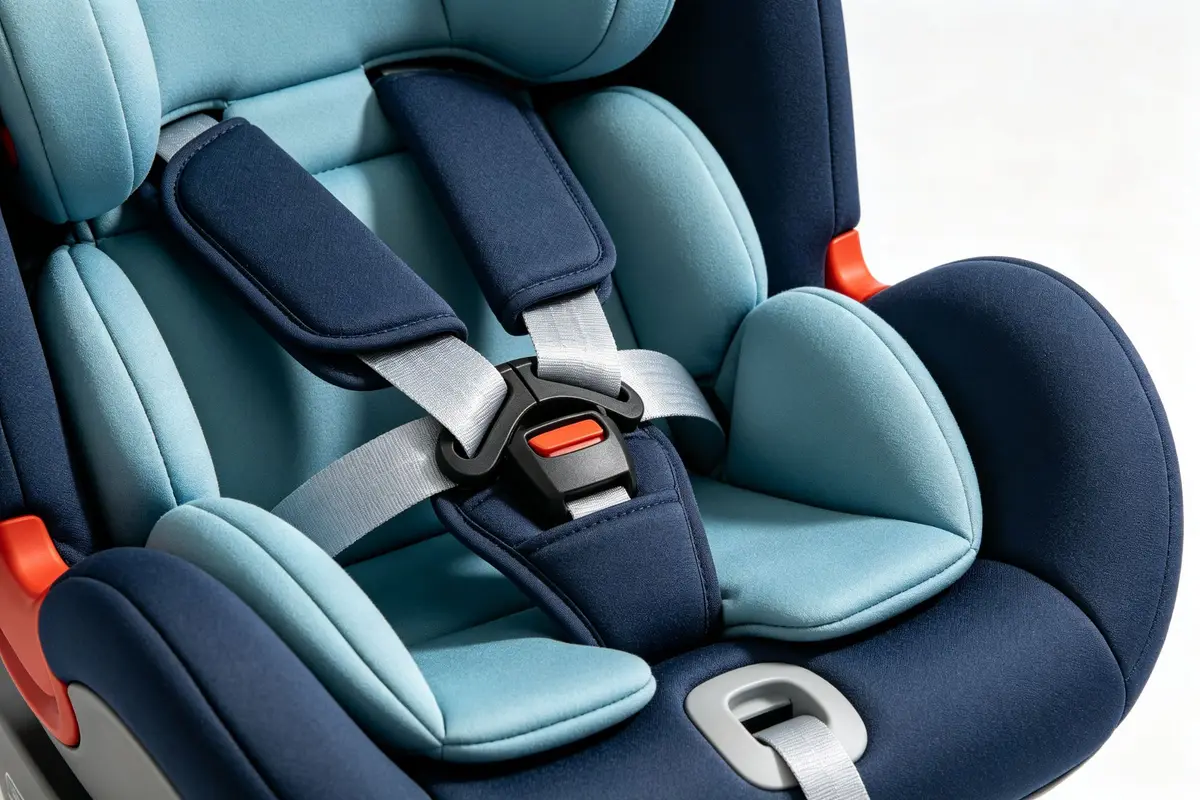
Critical safety features include: Rear-facing as long as possible. Experts recommend keeping your child rear-facing until at least 2 years old, or until they reach the rear-facing weight limit of the seat. Rear-facing is 5x safer in a crash. 5-point harness. A 5-point harness (two shoulders, two hips, one between the legs) is the safest restraint system. Side-impact protection. Look for deep side walls, energy-absorbing foam, and a padded headrest that protects the head and neck in side-impact crashes. ISO Fix/LATCH system. These attachment systems make proper installation easier and more reliable than seatbelt installation. Check if your car has ISO Fix anchors. Adjustable headrest and harness. The harness height should adjust as your child grows. A no-rethread harness adjusts without rethreading, which is convenient. Chest clip and crotch buckle. The chest clip should be at armpit level, and the crotch buckle at the correct position for your child. Weight and height limits. Choose a seat that fits your child's current and projected size. Easy installation. A car seat that is hard to install correctly is a safety risk. Look for clear indicators, level lines, and a secure fit. When buying online, read installation reviews and consider having a certified technician check the installation. Leading brands include: Britax (known for its premium convertible and infant car seats, popular for safety features), Chicco (known for its KeyFit infant seat and NextFit convertible, widely praised for easy installation), Graco (known for affordable, reliable all-in-one and convertible seats), Cybex (known for premium, stylish car seats with advanced safety features), and Joie (popular in Southeast Asia for affordable, well-designed seats). In Southeast Asia, Chicco, Graco, and Joie are available on Shopee and Lazada. For parents looking to buy a baby car seat online, safety is the priority — choose a certified seat that fits your child and vehicle. For a complete range of baby products, explore Moni Happy's collection, and for partnership opportunities visit Moni Happy's partner page.