
2026-09-08 · Moni Happy Editorial
Best Baby Food Storage Containers 2026: Southeast Asia Market Guide
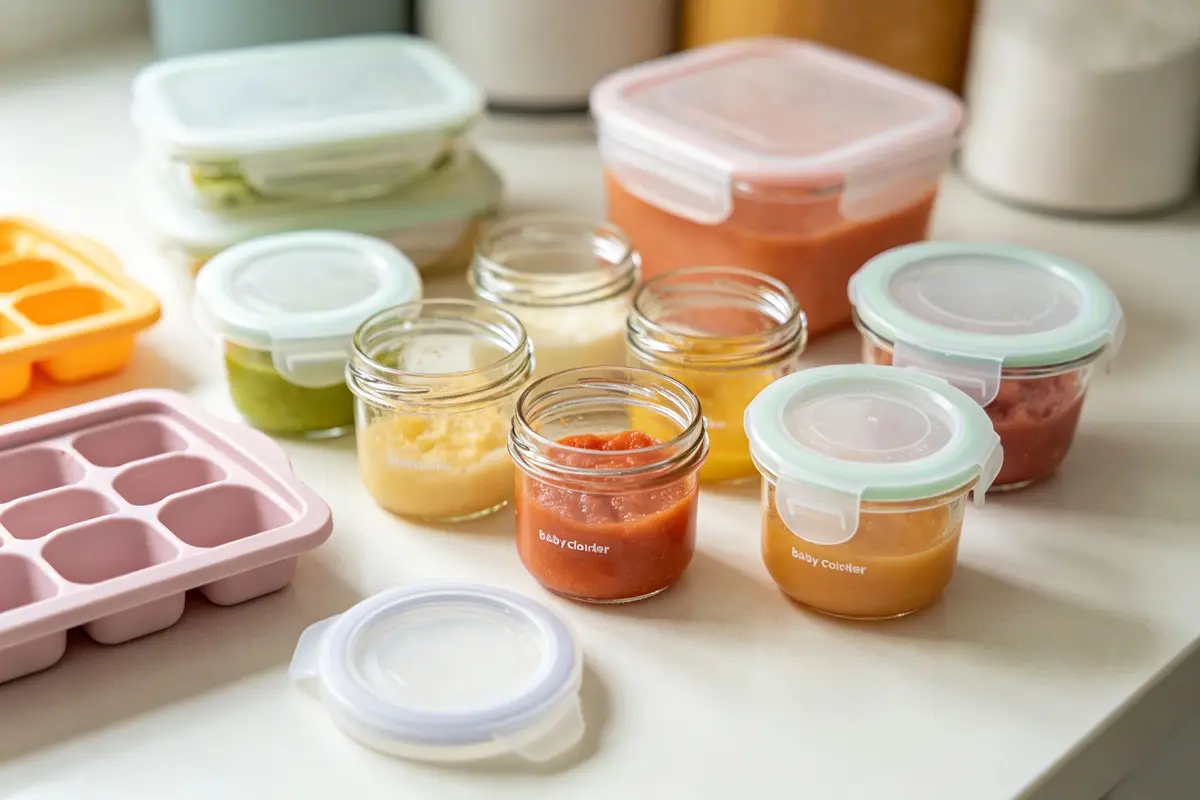
The baby food storage container market is experiencing robust growth as more parents choose to make homemade baby food rather than rely on commercially prepared options. Driven by rising health consciousness, a desire for control over ingredients, and the growing popularity of baby-led weaning and homemade purees, parents are actively searching for the best baby food storage containers 2026 has to offer — products that are safe, convenient, and suitable for storing, freezing, and serving homemade baby food. The global baby food storage market, valued at approximately $320 million in 2025, is growing at a CAGR of 8.3%, with Southeast Asia emerging as one of the fastest-growing regional markets as disposable incomes rise and homemade baby food trends gain traction across the region.
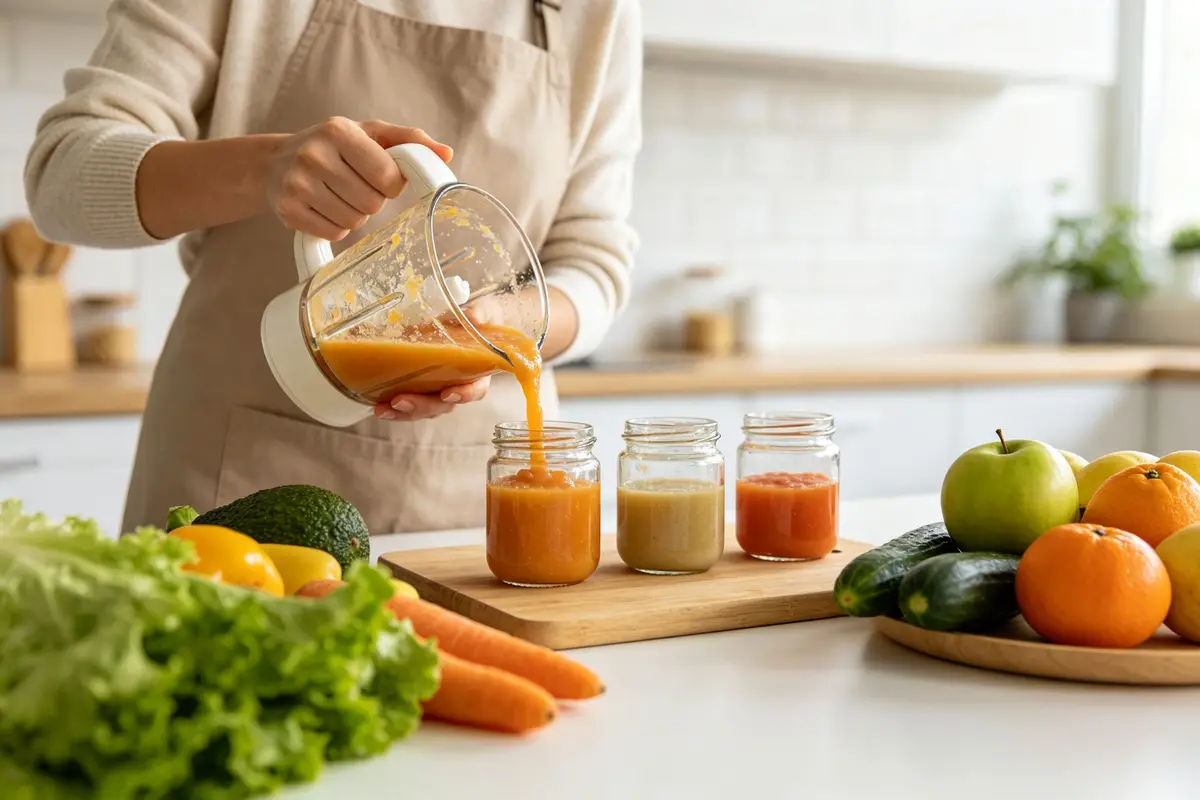
Market Overview: The Rise of Homemade Baby Food
Several converging trends are driving demand for baby food storage containers across Southeast Asia. First, the homemade baby food movement is accelerating as parents become more concerned about ingredients, additives, and sugar content in commercial baby food. A 2025 survey of Southeast Asian parents found that 62% of parents with babies 6-12 months old make at least some homemade baby food, up from 48% in 2022. Parents cite "knowing exactly what's in the food," "avoiding preservatives and added sugar," "cost savings," and "introducing a wider variety of flavors" as their primary motivations for making homemade baby food. This trend directly drives demand for storage containers that can safely store homemade purees, finger foods, and portioned meals.
Second, the baby-led weaning (BLW) approach — where babies are offered finger foods instead of purees — is gaining popularity, creating demand for storage containers suitable for storing cut fruits, vegetables, and finger foods in appropriately sized portions. Third, the growing focus on sustainability and reducing plastic waste is driving demand for reusable, eco-friendly storage options (like glass and silicone) over single-use plastic bags or disposable containers. Fourth, e-commerce has made a wider range of storage products accessible to consumers, with detailed product descriptions, customer reviews, and "baby food prep" video content helping parents make informed decisions.
Shopee, Lazada, and TikTok Shop collectively account for approximately 55% of baby food storage container sales in Southeast Asia, with COD remaining the dominant payment method in Indonesia, Vietnam, and the Philippines. Social commerce, particularly through "homemade baby food prep" and "baby food storage hacks" content on TikTok and Instagram, is a powerful driver of product discovery — videos showing batch prep of baby food, freezing in silicone trays, and portioning into glass jars consistently generate high engagement and conversion. Modern trade (hypermarkets, supermarkets, baby specialty stores) and home goods stores account for the remaining sales, with in-store display and the ability to see and feel the products being important factors for many parents.
What Makes the Best Baby Food Storage Containers 2026?
Based on parent reviews, pediatric nutritionist recommendations, and product testing data, here are the key features that distinguish the best baby food storage containers in 2026:
- Material safety: The most important feature. Containers should be made from food-grade, BPA-free, phthalate-free, PVC-free, and lead-free materials. Glass is considered the safest option because it's non-porous, doesn't absorb odors or stains, and doesn't leach chemicals — though it's heavier and more breakable. Food-grade silicone is a popular alternative because it's lightweight, flexible, unbreakable, and safe for freezer, microwave, and dishwasher use. Plastic containers should be made from food-grade polypropylene (PP, #5) or Tritan, and should be clearly labeled BPA-free. Avoid containers made from PVC (#3), polystyrene (#6), or plastics with unknown resin codes.
- Portion sizes: Baby food storage containers should come in small, age-appropriate portion sizes — typically 2-4 ounces for younger babies (starting solids) and 4-8 ounces for older babies and toddlers. Sets with multiple sizes offer versatility as the baby grows. Some containers have measurement markings on the side, making it easy to track portion sizes and intake.
- Freezer, microwave, and dishwasher safe: The best containers are safe for use in the freezer (for long-term storage), microwave (for quick reheating — though it's always best to stir and test the temperature before serving), and dishwasher (top rack, for easy cleaning). Containers that can go from freezer to microwave (without thawing) offer the most convenience. Glass containers are generally safe for all three, while silicone and high-quality plastic containers should be checked for temperature limits.
- Airtight, leak-proof seals: Containers should have secure, airtight lids that prevent leaks, spills, and freezer burn, and that keep food fresh longer. Silicone seals or snap-on lids provide the best seal. Lids should be easy to open and close (even with one hand, while holding a baby), but secure enough that they don't leak when tossed in a diaper bag.
- Easy to clean: Containers should have smooth, non-porous surfaces that don't absorb odors or stains, and should be easy to wash by hand or in the dishwasher. Containers with wide mouths are easier to clean than narrow-necked bottles. Silicone trays should be flexible enough to pop out frozen food easily, and should be dishwasher-safe.
- Labeling and organization: Containers that come with labels or have a space for writing the date and contents make it easy to track what's stored and when it was made. Some sets come with a marker and labels, or have a dry-erase surface on the lid. Stackable containers help save freezer and fridge space.
- Versatility: The best containers can be used for storing, freezing, reheating, and even serving baby food — reducing the number of dishes and containers needed. Silicone freezer trays with individual compartments are particularly versatile for freezing small portions of puree, which can be popped out and stored in a larger bag or reheated individually. Glass jars with lids can go from freezer to microwave to table, and can later be reused for storing snacks, craft supplies, or other household items.
Product Segments and Competitive Landscape
The baby food storage container market can be divided into several product segments:
- Glass jars and containers ($15-40 per set): Glass is the premium segment, valued for its safety, non-porous surface, and ability to go from freezer to microwave. Brands like Wean Green, Glasslock, and regional manufacturers offer sets of glass jars in various sizes with plastic or silicone lids. Glass containers are heavier and more breakable, but many parents consider them worth the trade-off for safety and durability.
- Silicone freezer trays and containers ($10-30 per set): Silicone is the fastest-growing segment, valued for its flexibility, unbreakability, and ease of use. Silicone freezer trays with individual compartments (like the popular Baby Cubes or NUK trays) are ideal for freezing small portions of puree, which can be popped out easily. Silicone containers with lids are also popular for storing finger foods and snacks. Brands like NUK, Tommee Tippee, and Munchkin compete in this space, along with many value-oriented regional and Chinese manufacturers.
- Plastic containers ($8-25 per set): The value segment, plastic containers are lightweight, unbreakable, and affordable. The best are made from food-grade polypropylene (PP) and are BPA-free, freezer, microwave, and dishwasher safe. Brands like Sistema, Rubbermaid, and regional manufacturers offer sets in various sizes. While plastic is convenient, some parents prefer glass or silicone due to concerns about chemical leaching and environmental impact.
- Baby food makers with storage ($40-150): A niche but growing segment, all-in-one baby food makers that steam, blend, and store homemade baby food often come with compatible storage containers. Brands like Baby Brezza, Beaba, and Philips Avent offer these systems, with storage containers designed to fit directly onto the maker for easy filling and storage.
For parents looking for the best baby food storage containers 2026, many find that a combination of types works best — silicone freezer trays for batch-freezing purees, glass jars for larger portions and serving, and small plastic or silicone containers for on-the-go snacks. Moni Happy's baby care product range includes safe, convenient baby food storage solutions suitable for homemade baby food prep, available for direct online purchase across Southeast Asia with COD support.
Distribution and Brand Strategy
For brands looking to enter or expand in the Southeast Asian baby food storage market, safety certification (food-grade, BPA-free, FDA or equivalent approval) is essential — parents trust products with clear safety labeling. Pricing must be localized, with value-oriented plastic and silicone sets for mass markets and premium glass sets for higher-income segments. E-commerce content excellence is critical, with video demonstrations of batch prep, freezing, and reheating being highly effective. Influencer partnerships with parenting and homemade baby food content creators drive awareness and conversion. For brands and distributors interested in expanding their footprint, Moni Happy's distributor partnership program provides access to established retail channels, logistics infrastructure, and localized marketing support across the region.
Future Outlook
The baby food storage container market in Southeast Asia is poised for continued growth, driven by the homemade baby food movement, rising health consciousness, and increasing focus on sustainability. Innovation will focus on eco-friendly materials (recyclable and biodegradable plastics, organic silicone), smart features (date-tracking lids, portion-control designs), and integrated systems that connect with baby food makers. As the market evolves, brands that combine material safety, convenience, compelling digital content, and localized pricing will lead the category.