
2026-09-14 · Moni Happy Editorial
Best Baby Humidifier 2026: Cool Mist vs Warm Mist Nursery Guide
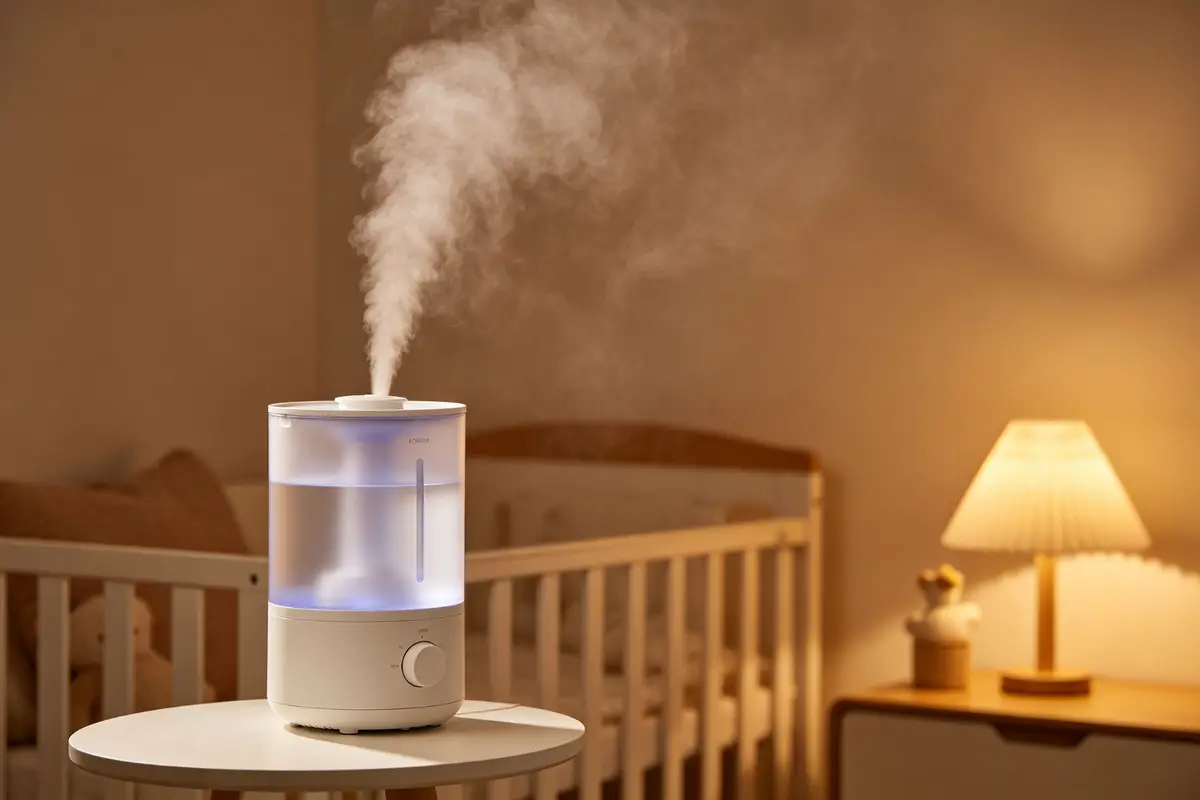
Dry air can make your baby's nasal passages dry and irritated, leading to congestion, discomfort, and poor sleep. A baby humidifier adds moisture to the air, helping to relieve congestion, soothe dry skin, and create a more comfortable sleep environment. The baby humidifier market has grown significantly in recent years, with cool-mist ultrasonic models dominating due to their safety and efficiency. Market research projects the baby humidifier market to grow at a CAGR of 6.8% through 2026, with smart and ultra-quiet models leading innovation. This article examines the market landscape, product types, key features, leading brands, and what parents should consider when looking for the best baby humidifier in 2026.
Market Overview: Why a Humidifier Belongs in Every Nursery
The ideal indoor humidity level for a baby's room is between 40% and 60%. When the air is too dry (below 30%), it can cause: dry nasal passages that lead to congestion and nosebleeds; dry, irritated skin and eczema flare-ups; dry throat and cough; and disrupted sleep due to discomfort. Air conditioning, heating, and dry climates can all contribute to low humidity. A humidifier helps maintain optimal humidity levels, which can: relieve congestion from colds and allergies; soothe dry skin and eczema; reduce snoring and improve sleep; and even reduce the survival of certain viruses in the air (some studies suggest that maintaining 40-60% humidity can reduce the transmission of airborne viruses). The market is being driven by: the growing emphasis on baby sleep and comfort; the increasing prevalence of dry skin and eczema in babies; the availability of affordable, quiet, and easy-to-use humidifiers; and the trend toward smart home devices that can be controlled via smartphone. In Southeast Asia, where air conditioning is widely used and can dry out indoor air, a humidifier is particularly valuable in bedrooms and nurseries. E-commerce platforms have made a wide range of humidifiers accessible, from budget basic models to premium smart devices. The market is also being shaped by safety concerns — warm-mist humidifiers can pose a burn risk if knocked over, leading many parents to prefer cool-mist models for nurseries.
Product Types: Cool Mist Ultrasonic, Warm Mist, Evaporative, and Smart
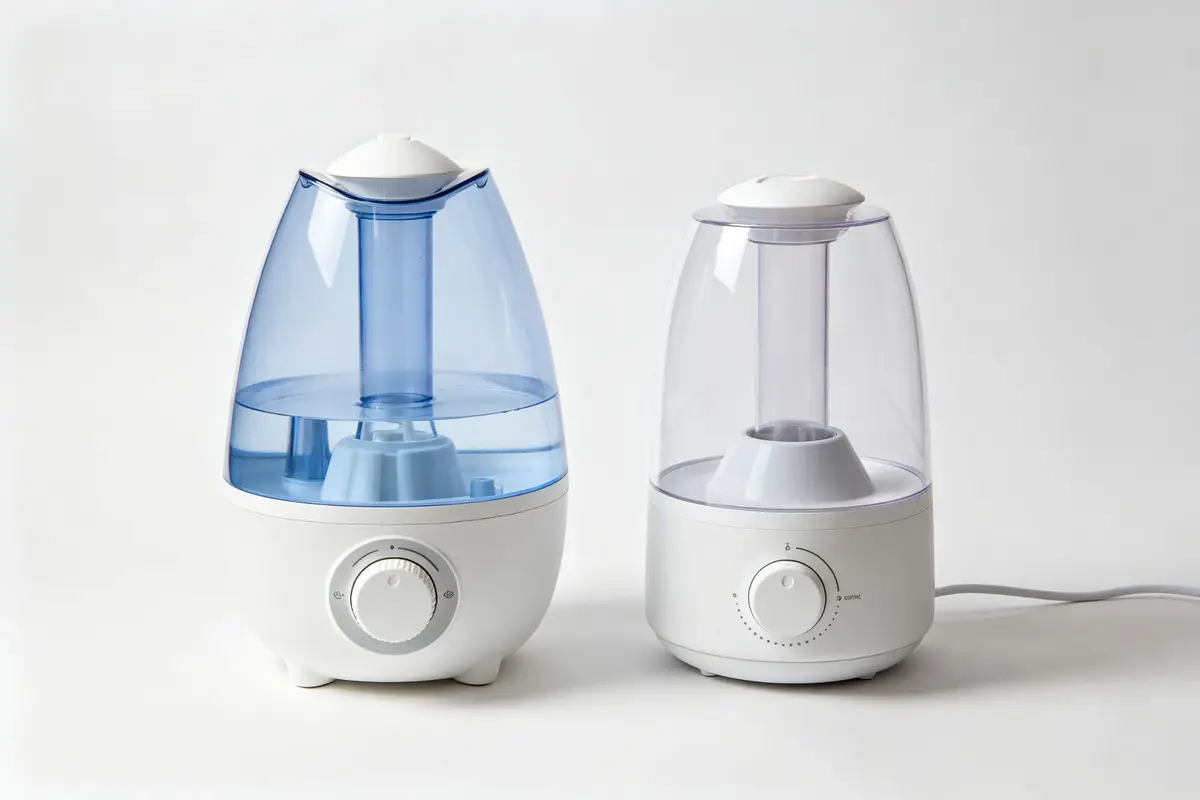
The baby humidifier market includes four main product types. Cool-mist ultrasonic humidifiers are the most popular and fastest-growing type, using high-frequency vibrations to turn water into a cool mist that is released into the air. They are safe (no hot water or steam), quiet, energy-efficient, and affordable. They do not require filters (though some have optional demineralization filters to reduce white dust from hard water). Prices range from $20-60. The main drawback is that they can release minerals from tap water as "white dust" — using distilled water or a demineralization filter can prevent this. Warm-mist humidifiers heat water to create steam, which cools slightly before being released into the room. They produce a warm, visible mist and can be more effective at relieving congestion (the warm steam can help loosen mucus). They do not produce white dust (the heating process kills bacteria and minerals are left behind). However, they use more energy, can be noisy (boiling sound), and pose a burn risk if knocked over — making them less ideal for nurseries with curious toddlers. Prices range from $25-50. Evaporative humidifiers use a fan to blow air through a wet wick or filter, evaporating water into the air. They are self-regulating (they produce less humidity as the room gets more humid), do not produce white dust, and are generally safe. However, they require regular filter replacement (which adds ongoing cost), can be noisier than ultrasonic models (due to the fan), and are often larger and bulkier. Prices range from $30-80. Smart and connected humidifiers are the fastest-growing segment, with year-over-year growth of approximately 16%. These humidifiers connect to a smartphone app via WiFi or Bluetooth, allowing parents to: monitor and set humidity levels remotely, receive alerts when the water tank is empty or the filter needs replacing, control the mist level and timer, and even integrate with smart home systems (Alexa, Google Home). Some smart humidifiers also include a built-in hygrometer to measure current humidity. Prices range from $40-120. When choosing a humidifier type, consider: safety (cool-mist is safest for nurseries), noise level (ultrasonic is quietest), ease of cleaning, filter requirements (and ongoing cost), room size, and whether you want smart features. For most nurseries, a cool-mist ultrasonic humidifier is the best balance of safety, quiet, and affordability.
Key Features, Brands, and Buying Guide
Key features to look for when buying a baby humidifier include: Room size coverage — check the manufacturer's recommended room size. A small humidifier may not be effective in a large bedroom, while a large one may over-humidify a small nursery. Most baby humidifiers are designed for medium-sized rooms (200-400 square feet). Tank capacity and runtime — a larger tank means fewer refills, which is especially important for overnight use. Look for a tank that can run for at least 8-12 hours on the lowest setting. A tank of 1-2 liters is typical for baby humidifiers. Noise level — for a nursery, a quiet humidifier is essential. Ultrasonic humidifiers are the quietest (some operate at under 30 dB, about the sound of a whisper). Evaporative and warm-mist models tend to be noisier due to fans or boiling. Look for models advertised as "ultra-quiet" or "whisper-quiet." Easy to clean — humidifiers can harbor bacteria and mold if not cleaned regularly. Look for a humidifier with a wide opening that allows easy access to the tank for cleaning, and parts that are dishwasher-safe or easy to scrub. Avoid models with hard-to-reach crevices. Most manufacturers recommend cleaning the tank and base every 1-3 days and descaling every 1-2 weeks. Auto shut-off — this essential safety feature turns the humidifier off automatically when the water tank is empty, preventing the motor from burning out and reducing fire risk. Almost all modern humidifiers include this feature. Adjustable mist output — the ability to adjust the mist level (low, medium, high) allows you to control how quickly humidity increases and prevents over-humidification. Some models also have a directional mist nozzle so you can aim the mist away from the baby's crib or furniture. Built-in hygrometer and humidity sensor — a built-in hygrometer measures the current humidity level, and some models can automatically adjust the mist output to maintain a target humidity level. This is convenient but built-in hygrometers may not be as accurate as standalone ones. Night light — many baby humidifiers include a soft night light, which can be useful for nighttime feedings and diaper changes. Look for one with adjustable brightness or an option to turn it off completely. Timer — a timer allows you to set the humidifier to run for a specific number of hours before turning off automatically, which is useful for overnight use. Aroma diffuser — some humidifiers include an essential oil tray or diffuser, allowing you to add calming scents like lavender. However, essential oils are generally not recommended for babies under 3 months, and some oils can be irritating. If you use this feature, use only baby-safe oils and very dilute concentrations. Filter type — for evaporative humidifiers, check the cost and availability of replacement filters. Some filters need to be replaced every 1-3 months, which adds ongoing cost. Ultrasonic humidifiers typically do not require filters (though some have optional demineralization filters for hard water). Safety tips: place the humidifier on a flat, stable surface away from the baby's reach; use distilled or demineralized water to prevent white dust (especially with ultrasonic models); clean the humidifier regularly (every 1-3 days) to prevent bacteria and mold growth; keep humidity between 40-60% (too much humidity can promote mold and dust mites); and never add essential oils, medication, or vinegar to the water unless the manufacturer specifically says it is safe. Leading brands include: Honeywell (known for its reliable evaporative and ultrasonic humidifiers), Vicks (known for its warm-mist and ultrasonic humidifiers, often sold with VapoPad scent pads), LEVOIT (known for its popular, affordable, and quiet ultrasonic humidifiers, a best-seller on Amazon), Crane (known for its cute animal-shaped ultrasonic humidifiers popular for nurseries), Pure Enrichment (known for its MistAire ultrasonic humidifier), and Dyson (known for its premium, high-tech humidifier fans). In Southeast Asia, LEVOIT and Crane are widely available on Shopee and Lazada, while budget brands are available for $15-30. For parents looking to buy a baby humidifier online, prioritize safety (cool-mist), quiet operation, easy cleaning, and auto shut-off. A cool-mist ultrasonic humidifier is the best choice for most nurseries. For a complete nursery comfort setup, parents can also explore Moni Happy's product range, and businesses interested in distribution can learn more at Moni Happy's partner page.