
2026-09-08 · Moni Happy Editorial
Best Baby Humidifier 2026: Southeast Asia Market & Nursery Guide
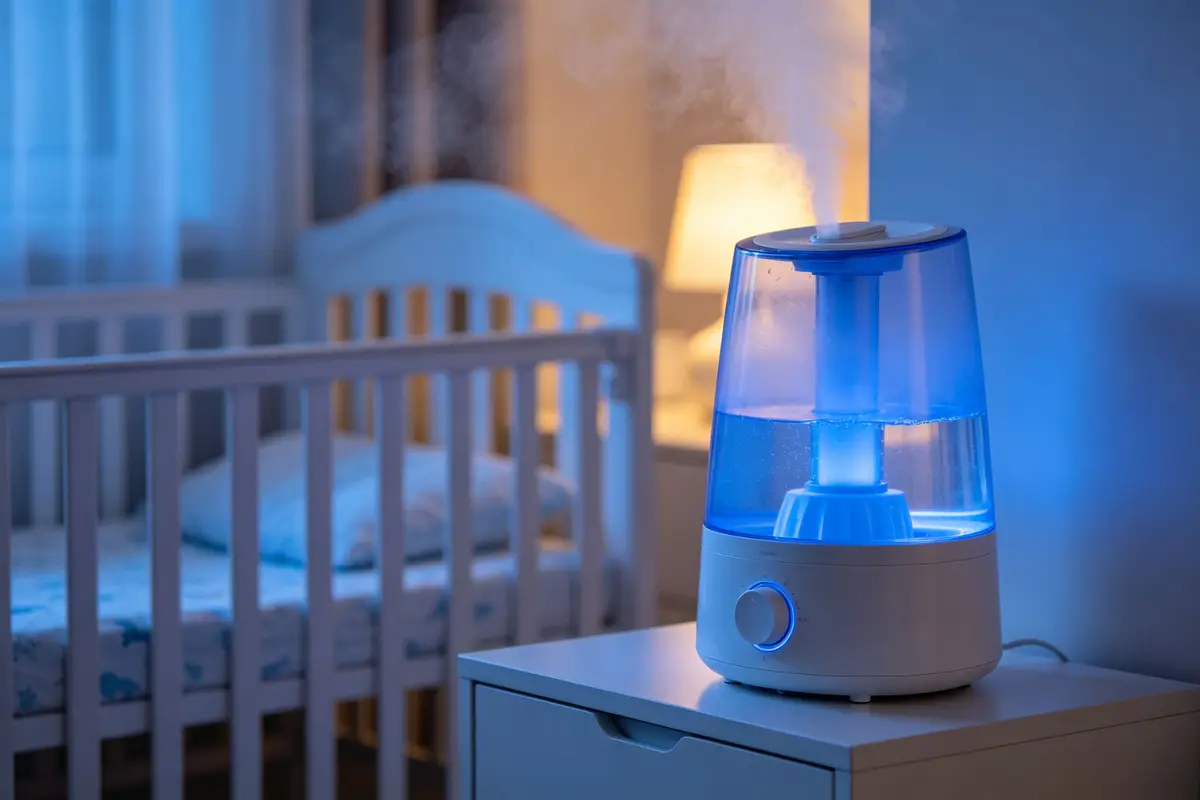
The baby humidifier market is experiencing steady growth as parents increasingly recognize the role of proper humidity in maintaining infant respiratory health, comfortable sleep, and healthy skin. In Southeast Asia, where air conditioning use is ubiquitous and indoor air can become excessively dry, the search for the best baby humidifier 2026 has become a common priority for parents setting up a nursery. The global humidifier market, valued at approximately $2.8 billion in 2025, is growing at a CAGR of 6.5%, with the baby and pediatric segment growing faster at an estimated 8.9% as parental health consciousness rises and e-commerce makes specialized nursery health products more accessible across the region.
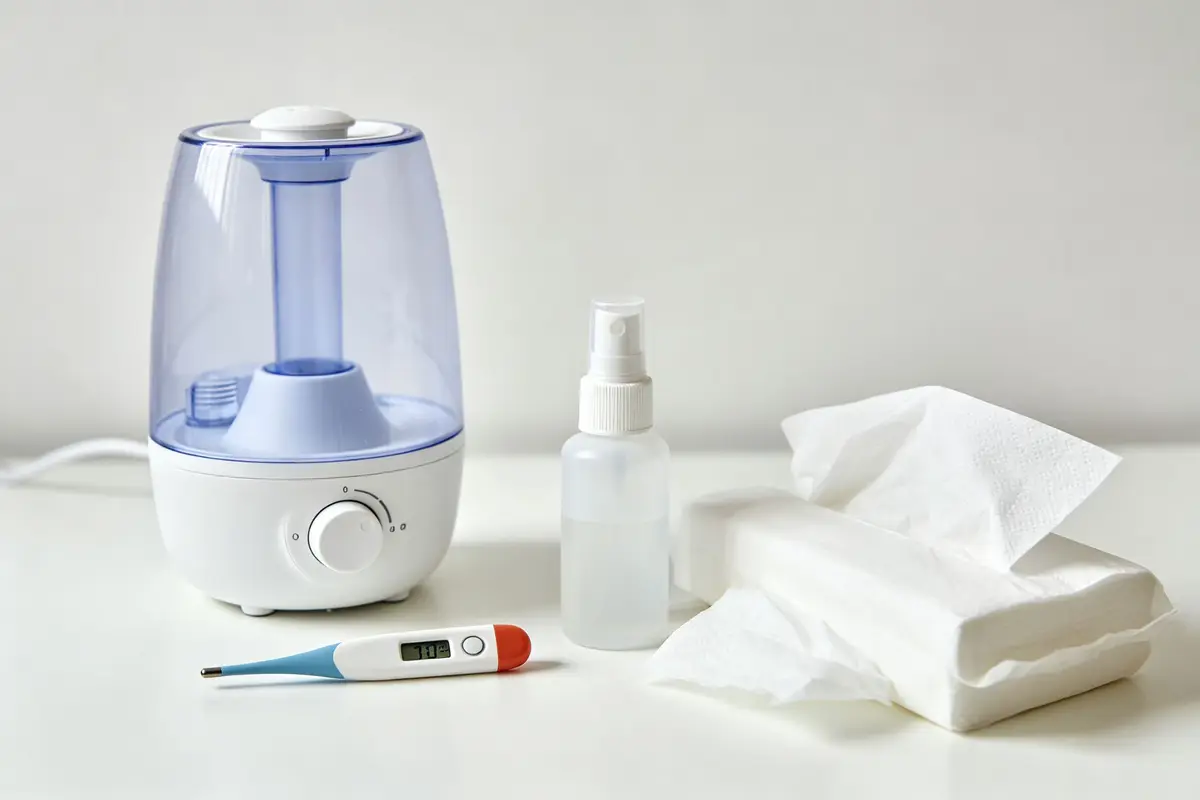
Market Overview: Why Humidifiers Are a Nursery Essential
Several trends are driving demand for baby humidifiers across Southeast Asia. First, the widespread use of air conditioning in homes across the region — particularly in tropical climates where AC runs for hours daily — dries out indoor air significantly, often reducing humidity levels below the recommended 40-60% range. Dry air can irritate a baby's delicate nasal passages, worsen congestion from colds and allergies, dry out sensitive skin (potentially worsening eczema and cradle cap), and even disrupt sleep. A humidifier helps maintain optimal humidity levels, making the nursery more comfortable and healthier for the baby. Second, rising awareness of respiratory health — accelerated by the COVID-19 pandemic and ongoing concerns about air quality (including haze from seasonal burning in parts of Southeast Asia) — has made parents more proactive about indoor air quality, including humidity control.
Third, the growing body of evidence supporting the benefits of humidified air for babies — including reduced severity of cold symptoms, easier breathing during congestion, improved sleep, and healthier skin — has driven adoption. Pediatricians often recommend cool-mist humidifiers for babies with congestion, croup, or dry skin. Fourth, e-commerce has made a wider range of humidifier models accessible to consumers, with detailed product descriptions, customer reviews, and "nursery setup" video content helping parents make informed decisions. Shopee, Lazada, and TikTok Shop collectively account for approximately 50% of baby humidifier sales in Southeast Asia, with COD remaining the dominant payment method in Indonesia, Vietnam, and the Philippines. Social commerce, particularly through "nursery must-haves" and "baby congestion remedies" content on TikTok and Instagram, is a powerful driver of product discovery and conversion.
What Makes the Best Baby Humidifier 2026?
Based on pediatrician recommendations, consumer testing data, and analysis of top-rated products, here are the key features that distinguish the best baby humidifiers in 2026:
- Cool-mist technology: For babies, cool-mist humidifiers are universally recommended over warm-mist (steam) humidifiers because there is no risk of burns from hot steam or hot water. Cool-mist humidifiers use either ultrasonic technology (high-frequency vibrations that create a fine cool mist) or evaporative technology (a fan blowing air through a wet wick filter). Ultrasonic humidifiers are generally quieter, more energy-efficient, and produce a visible mist, while evaporative humidifiers are self-regulating (they produce less mist as humidity rises) and don't leave white dust, but require filter replacement and are slightly noisier.
- Quiet operation: A humidifier that's too loud can disrupt a baby's sleep — the opposite of what you want. The best baby humidifiers operate at noise levels below 30 dB (about the sound of a whisper), so they can run all night without disturbing sleep. Some models have a "sleep mode" that turns off the display light and runs at the quietest setting.
- Adjustable mist output and humidity control: The ability to adjust the mist output level (low, medium, high) and set a target humidity level (ideally 40-60%) is important for maintaining optimal humidity without over-humidifying the room. Models with a built-in hygrometer (humidity sensor) and auto mode (which adjusts mist output based on the current humidity level) offer the most convenience and prevent over-humidification, which can promote mold growth and dust mites.
- Large water tank and long runtime: A larger water tank (at least 1.5-3 liters) means the humidifier can run for longer (8-12 hours or more) without needing a refill — important for overnight use. A top-fill design (where you pour water directly into the top of the unit, rather than removing and flipping an upside-down tank) is much easier and less messy to refill, especially for sleep-deprived parents refilling at night.
- Easy to clean: Humidifiers can accumulate mineral deposits, mold, and bacteria if not cleaned regularly, so easy cleaning is essential. Look for humidifiers with a wide opening that allows easy access to the water tank for cleaning, smooth non-porous surfaces, and dishwasher-safe components (if applicable). Ultrasonic humidifiers should be cleaned with vinegar regularly to remove mineral deposits, and the water should be changed daily. Models with a cleaning reminder or self-cleaning function are convenient.
- Safety features: For baby nurseries, safety is paramount. Look for humidifiers with automatic shut-off when the water runs out (prevents the unit from running dry and overheating), a cool-to-the-touch exterior (no hot surfaces that could burn a curious toddler), and a stable, tip-resistant base. Avoid humidifiers with small parts or accessible filters that a toddler could pull out or ingest. BPA-free materials are also important.
- Additional features: Many premium humidifiers offer additional features like a built-in night light (with adjustable brightness or color options), an essential oil diffuser (for adding calming aromatherapy oils — though use caution with babies under 3 months and always use baby-safe oils), a timer (for scheduling run times), a remote control, and smart/Wi-Fi connectivity (for controlling the humidifier from a smartphone app and integrating with smart home systems). While these features add convenience, they should not compromise the core functions of safety, quiet operation, and effective humidification.
Product Segments and Competitive Landscape
The baby humidifier market can be divided into several product segments:
- Basic ultrasonic cool-mist humidifiers ($20-40): The most popular and affordable segment, these humidifiers use ultrasonic technology to produce a cool mist, with adjustable mist output and a water tank of 1-3 liters. They are generally quiet, energy-efficient, and easy to use, though they may lack advanced features like a hygrometer or auto mode. Brands like VicTsing, TaoTronics, and many regional and Chinese manufacturers compete in this space. These are the best-selling models on e-commerce platforms in Southeast Asia due to their affordable price and good performance.
- Premium ultrasonic humidifiers with smart features ($40-80): This segment includes humidifiers with built-in hygrometers, auto mode, top-fill design, night lights, essential oil diffusers, timers, and remote controls. Brands like Levoit, Honeywell, and iTvanila compete in this space, offering a balance of performance, features, and design. These models are popular among parents who want more control and convenience, and they often have a more attractive design that fits well in a nursery.
- Evaporative humidifiers ($50-100): Evaporative humidifiers use a fan and wick filter to produce humidity, and are self-regulating (they produce less mist as humidity rises, reducing the risk of over-humidification). They don't leave white dust (a common issue with ultrasonic humidifiers in areas with hard water), but they require regular filter replacement and are slightly noisier. Brands like Honeywell, Vornado, and AIRCARE compete in this segment. While less popular in Southeast Asia than ultrasonic models, they are preferred by some parents who want self-regulating humidity and no white dust.
- Smart/Wi-Fi humidifiers ($60-150): A niche but growing segment, these humidifiers connect to Wi-Fi and can be controlled via a smartphone app, with features like voice control (Alexa/Google Assistant), humidity tracking, scheduling, and notifications (filter replacement reminders, low water alerts). Brands like Levoit, Dyson, and Xiaomi compete in this space. Adoption in Southeast Asia has been moderate due to higher price points and varying smart home ecosystem compatibility, but growth is expected as smart home adoption increases.
For parents looking for the best baby humidifier 2026, the choice depends on budget, room size, water hardness (ultrasonic humidifiers can leave white dust in hard water areas, so distilled water or a demineralization filter may be needed), and desired features. Many parents find that a mid-range ultrasonic cool-mist humidifier with adjustable output, quiet operation, and easy cleaning offers the best balance of performance and value for a nursery. Moni Happy's baby healthcare product range includes safe, quiet, easy-to-use cool-mist humidifiers suitable for baby nurseries, available for direct online purchase across Southeast Asia with COD support.
Distribution and Brand Strategy
For brands looking to enter or expand in the Southeast Asian baby humidifier market, safety certification (including automatic shut-off and cool-touch exterior) and pediatrician endorsement are essential for building trust. Pricing must be localized, with basic ultrasonic models for mass markets and premium feature-rich models for higher-income segments. E-commerce content excellence is critical, with video demonstrations of the humidifier in a nursery setting, noise level comparisons, and cleaning tutorials being highly effective. Influencer partnerships with parenting and nursery design content creators drive awareness and conversion. Modern trade and electronics stores (like Power Mac, Harvey Norman, and local chains) remain important for consumers who want to see and compare models in person. For brands and distributors interested in expanding their Southeast Asian footprint, Moni Happy's distributor partnership program provides access to established retail channels, logistics infrastructure, and localized marketing support across the region.
Future Outlook
The baby humidifier market in Southeast Asia is poised for continued growth, driven by rising health consciousness, widespread AC use, and increasing focus on indoor air quality. Innovation will focus on improved self-cleaning and antimicrobial features (addressing the common concern about mold and bacteria in humidifiers), integration with smart home and air quality monitoring ecosystems, energy efficiency, and eco-friendly design (recyclable materials, reduced plastic). As the market evolves, brands that combine safety, quiet operation, easy cleaning, effective humidification, and compelling digital content will lead the category. For parents, the best baby humidifier 2026 is one that maintains optimal humidity safely and quietly, making the nursery a healthier, more comfortable environment for their baby to sleep and breathe.