
2026-09-17 · Moni Happy Editorial
Best Baby Pacifier 2026: Orthodontic, Newborn & Toddler Guide
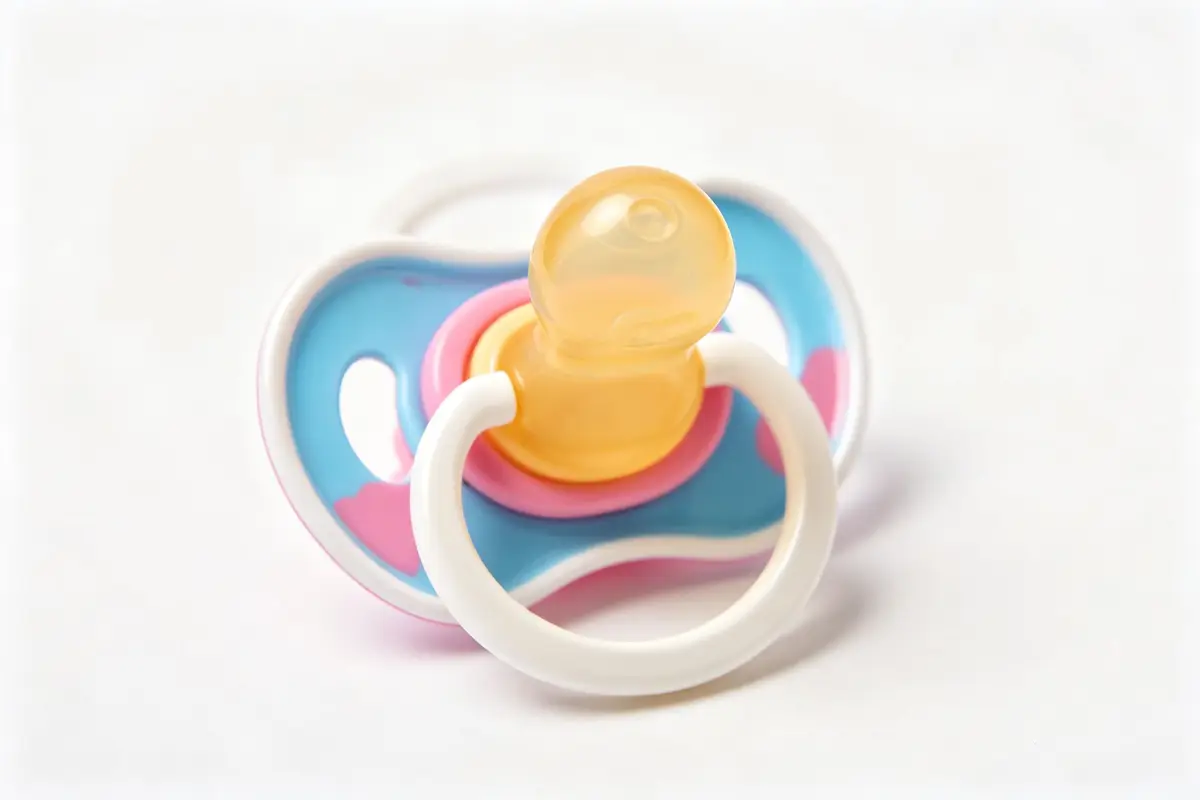
Pacifiers are one of the most debated items on a new parent's registry. Some parents swear by them; others worry about dental effects or nipple confusion. The global baby pacifier market is projected to grow at a CAGR of 4.8% through 2026, driven by rising birth rates, growing parental awareness of soothing methods, and the demand for orthodontic and age-appropriate designs. This article examines the market landscape, pacifier types, key features, leading brands, and what parents should consider when looking for the best baby pacifier in 2026.
Market Overview: Soothing Science Meets Design
The baby pacifier market has evolved from simple rubber teats to ergonomic, orthodontic, age-graded products designed to sooe without affecting dental development. Key market drivers include: rising birth rates in emerging markets; growing evidence that pacifiers reduce the risk of SIDS (when used during sleep for babies under 1); the trend toward orthodontic pacifiers that protect developing teeth and jaws; demand for BPA-free, medical-grade silicone materials; and the popularity of pacifier clips and personalized designs. In Southeast Asia, where parents increasingly seek premium, safe baby products, orthodontic and age-graded pacifiers are growing in popularity. E-commerce platforms like Shopee and Lazada offer a range from budget basics to premium imported brands. The market is also seeing innovation in one-piece pacifiers (no parts to break off), glow-in-the-dark handles for nighttime, and pacifier holders that attach to clothing. For parents looking for the best baby pacifier in 2026, material safety, orthodontic design, and age-appropriate sizing are the key criteria.
Pacifier Types: Orthodontic, Symmetrical, Cherry, and Newborn-Specific
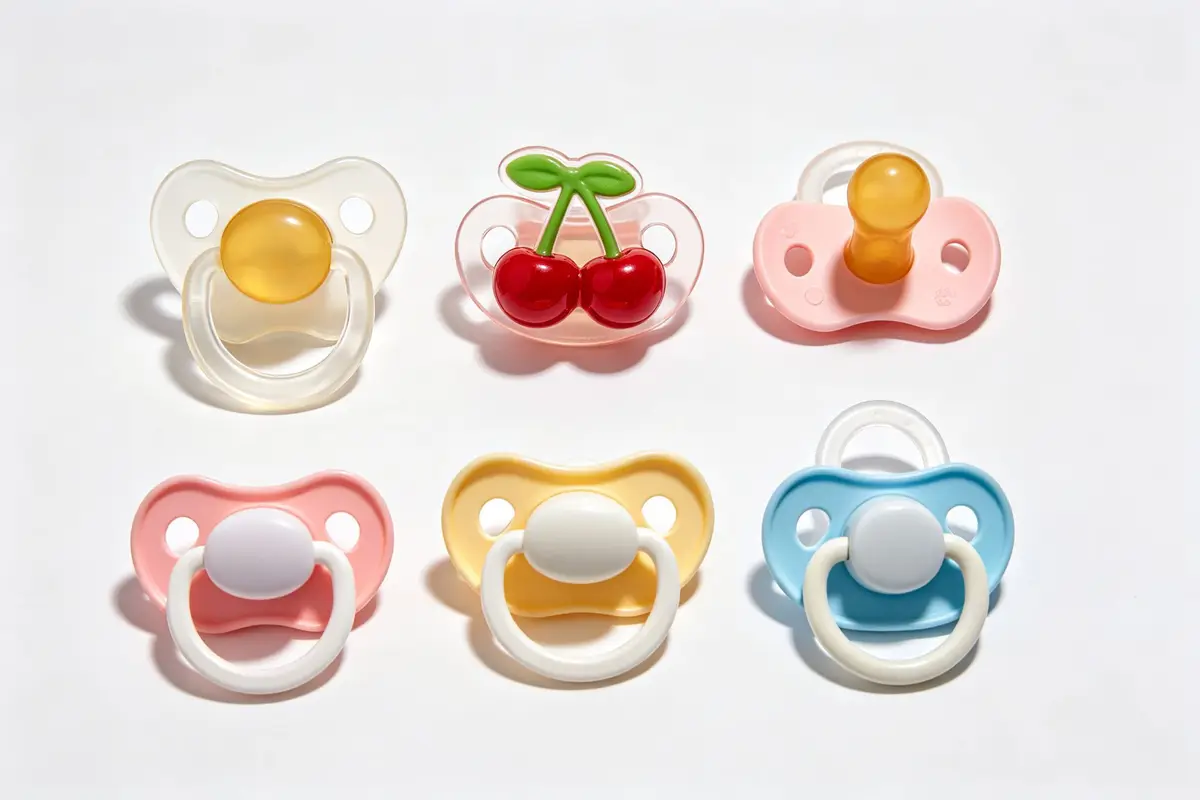
The pacifier market includes several designs: Orthodontic pacifiers have a flattened nipple that supports natural jaw and tooth development. The nipple is angled to allow the tongue to rest naturally. They are the most popular type among pediatric dentists. Pros: dental-friendly, recommended by orthodontists. Cons: some babies prefer the feel of a symmetrical nipple. Symmetrical/round pacifiers have a round, cherry-shaped nipple that can be inserted in any orientation. Pros: easier for baby to accept (more like a breast nipple). Cons: some dentists warn against prolonged use as they may affect bite alignment. Newborn pacifiers are smaller, lighter, and designed for babies 0-2 months. They have a smaller shield and nipple. Pros: safe for small mouths. Cons: outgrown quickly. Toddler pacifiers are larger, more durable, and often feature fun designs. They are for children 12+ months. Pros: lasts longer. Cons: prolonged use beyond age 3 can affect teeth. When choosing a pacifier, consider: your baby's age (newborn vs older), your dentist's recommendation (orthodontic vs round), material (silicone is more durable than latex), and whether your baby accepts it. Not all babies take a pacifier, and that's fine — some prefer their fingers or no soothing object.
Key Features, Safety Tips, and Buying Guide
Key features to look for: One-piece construction. A pacifier with no separate parts reduces choking risk. Avoid pacifiers with small detachable decorations. Breathable shield. The shield should have air holes and be at least 1.5 inches wide so it can't be sucked into the mouth. Medical-grade silicone. Silicone is durable, easy to clean, and less likely to cause allergic reactions than latex. Sterilizable. Look for pacifiers that can be boiled or steam-sterilized. Size and age grading. Use the right size for your baby's age and mouth size. Pacifier clip. A clip attaches the pacifier to baby's clothing, reducing the chance of dropping it on the floor. Safety tips: never tie a pacifier around your baby's neck (strangulation risk); check the pacifier regularly for cracks, tears, or discoloration and replace if damaged; don't dip the pacifier in sugar or honey (honey is unsafe for babies under 1); and wean from the pacifier by age 2-3 to avoid dental issues. Leading brands include: NUK (known for its orthodontic pacifiers, widely recommended by pediatric dentists), Philips Avent (known for its classic and ultra-soft pacifiers, popular for newborns), Tommee Tippee (known for its closer to nature range), Dr. Brown's (known for its anti-colic and orthodontic pacifiers), and RaZbaby (known for affordable, well-designed pacifiers). In Southeast Asia, NUK and Philips Avent are widely available on Shopee and Lazada. For parents looking for the best baby pacifier in 2026, prioritize orthodontic design, one-piece construction, and age-appropriate sizing. For a complete range of baby care products, explore Moni Happy's collection, and businesses interested in distribution can learn more at Moni Happy's partner page.