2026-09-15 · Moni Happy Editorial
Best Baby Sound Machine 2026: White Noise & Portable Sleep Soother Guide
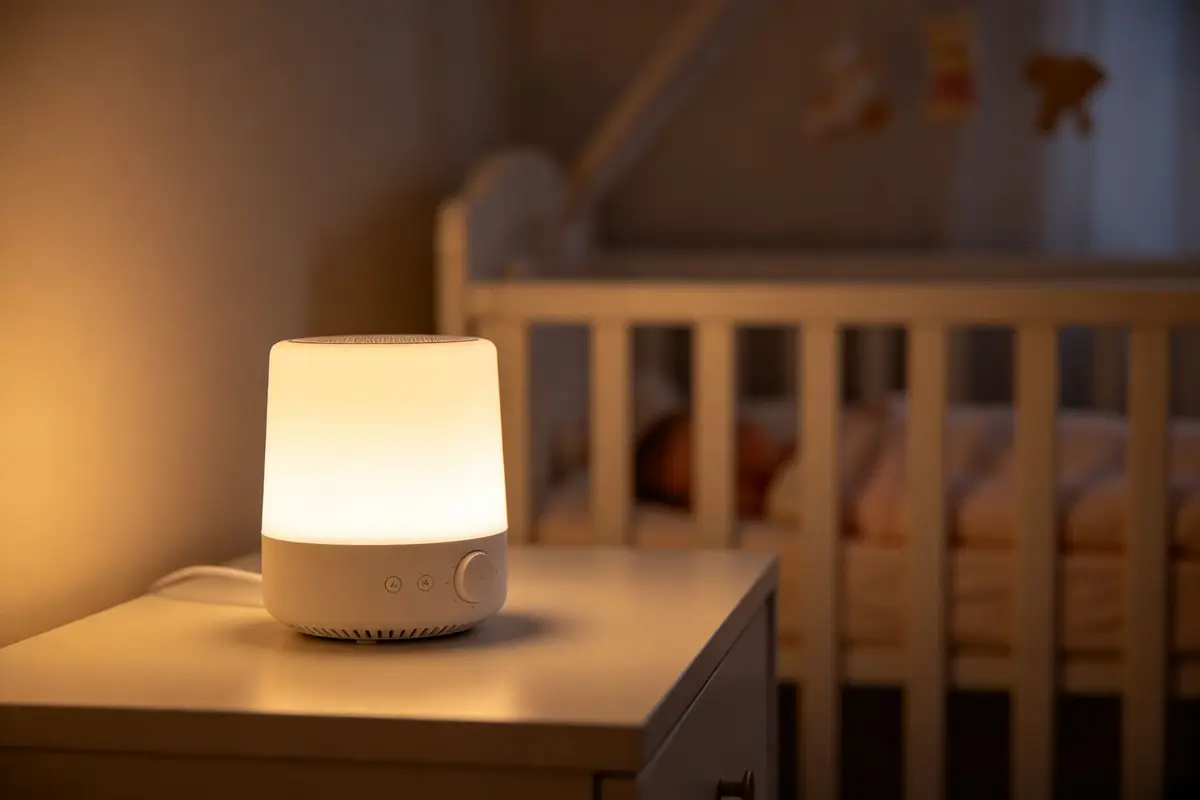
For exhausted parents, a baby sound machine can feel like a miracle. The right white noise can soothe a fussy baby, mask household noises, and help everyone get more sleep. The global baby sound machine market is projected to grow at a CAGR of 8.3% through 2026, driven by increasing awareness of infant sleep health, rising parental stress levels, and the growing popularity of smart nursery devices. This article examines the market landscape, product types, key features, leading brands, and what parents should consider when looking to buy a baby sound machine online in 2026.
Market Overview: Why Sound Machines Are a Nursery Essential
The baby sound machine market has experienced significant growth in recent years, driven by several key factors. First, pediatric sleep consultants increasingly recommend white noise as a safe, effective sleep aid for babies. Research suggests that white noise can help babies fall asleep faster, stay asleep longer, and sleep more deeply by masking sudden environmental noises (like a slamming door, a barking dog, or a sibling's tantrum) that can jolt a sleeping baby awake. Second, the global rise in parental burnout and sleep deprivation has made sleep aids more desirable. Parents are willing to invest in products that promise more sleep, and sound machines are one of the most affordable, non-pharmaceutical options available. Third, the smart home revolution has brought a new generation of connected sound machines that can be controlled via smartphone apps, integrated with other smart nursery devices, and even monitored remotely. The market is also being shaped by the trend toward portable, travel-friendly sound machines that can be clipped onto strollers, car seats, and diaper bags, allowing parents to create a familiar sleep environment anywhere. In Southeast Asia, where urban living often means close quarters and high ambient noise levels, sound machines are particularly valuable. E-commerce platforms like Shopee and Lazada have made a wide range of sound machines accessible, from budget basic models to premium smart devices. The market is expected to continue growing as more parents recognize the benefits of consistent sleep environments and as manufacturers innovate with new features like app connectivity, personalized soundscapes, and integrated sleep tracking.
Product Types: Plug-In, Portable, Smart, and Multi-Function
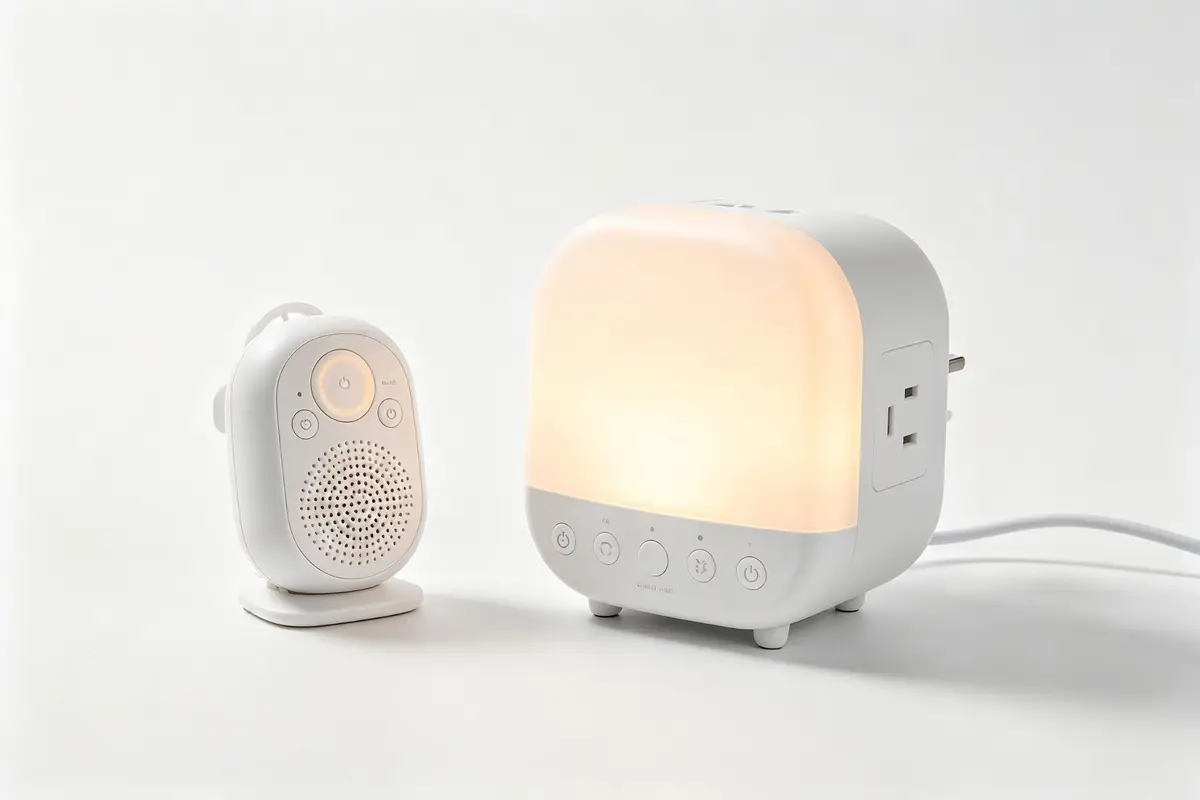
The baby sound machine market includes four main product types. Plug-in nightstand sound machines are the traditional option, designed to sit on a nightstand or dresser in the nursery. They typically plug into a wall outlet and offer a range of sounds (white noise, pink noise, brown noise, rain, ocean, lullabies, etc.) with adjustable volume. Many include a nightlight and a timer. They are generally more powerful than portable models and offer more sound options. Prices range from $15-50. The main drawback is that they are not portable — they need to be plugged in and are not designed for travel. Portable and clip-on sound machines are the fastest-growing segment, with year-over-year growth of approximately 14%. These compact, battery-operated devices can be clipped onto strollers, car seats, diaper bags, or crib rails, allowing parents to create a familiar sleep environment on the go. Many are small enough to fit in a pocket or diaper bag. They typically offer fewer sound options than plug-in models but are designed for convenience and portability. Prices range from $10-35. Some models include a cry sensor that automatically turns on the sound when the baby wakes up crying. Smart and connected sound machines are the premium segment, with growth of approximately 12% year-over-year. These devices connect to a smartphone app via WiFi or Bluetooth, allowing parents to: control the sound and volume remotely, set schedules and timers, choose from a library of additional sounds, track sleep patterns, and integrate with other smart home devices (Alexa, Google Home). Some smart sound machines also include a video monitor, a nightlight, a room temperature/humidity sensor, or a sleep trainer. Prices range from $40-150+. They are ideal for tech-savvy parents who want a fully connected nursery. Multi-function devices combine a sound machine with other nursery essentials, such as a nightlight, a humidifier, an air purifier, a video monitor, or a sleep trainer. These all-in-one devices save space and reduce clutter on the nightstand. Prices range from $30-120 depending on the features included. When choosing a sound machine type, consider: where you will primarily use it (nursery vs. on the go), whether you need portability for travel, whether you want smart/app features, your budget, and whether you prefer a dedicated device or a multi-function one. Many parents end up with both — a plug-in model for the nursery and a portable one for travel and on-the-go naps.
Key Features, Brands, and Buying Guide
Key features to look for when buying a baby sound machine include: Sound variety — Look for a machine that offers multiple sound types, including white noise, pink noise, brown noise, and natural sounds (rain, ocean, wind, forest). White noise is the most common, but some babies respond better to pink noise (deeper, warmer) or brown noise (even deeper, more rumbling). Having options lets you find what works best for your baby. Volume control and safe volume levels — The American Academy of Pediatrics recommends keeping sound machines at a volume below 50 dB (about the level of a quiet shower) and placing them at least 7 feet (2 meters) from the baby's crib to protect hearing. Look for a machine with a wide volume range and a maximum volume that does not exceed safe levels. Some models have a volume lock to prevent accidental increases. Timer and auto-shutoff — A timer allows you to set the sound to play for 30, 60, or 90 minutes before turning off automatically. This is useful for babies who only need sound to fall asleep but do not need it all night. Some models also offer continuous play (all night) for babies who need consistent sound. Cry sensor — Some portable and smart models include a cry sensor that automatically turns on the sound (or restarts it) when the baby wakes up crying. This can help soothe the baby back to sleep without parental intervention, especially for portable models used on the go. Nightlight — Many sound machines include a soft nightlight, which is useful for nighttime feedings and diaper changes. Look for one with adjustable brightness or an option to turn it off completely. Some models offer color-changing lights or a projection of stars or patterns on the ceiling. Battery life (for portable models) — For portable, battery-operated models, check the battery life. Look for models that offer at least 8-12 hours of continuous play on a single charge, or that use standard AA/AAA batteries for easy replacement while traveling. USB-C rechargeable models are the most convenient. Durability and build quality — A sound machine that will be clipped to strollers, tossed in diaper bags, and handled by curious toddlers needs to be durable. Look for models with a sturdy construction, a secure clip (for portable models), and a design that can withstand drops and bumps. Ease of use — The controls should be simple and intuitive, especially for sleep-deprived parents operating in the dark. Look for large, easy-to-find buttons, a simple interface, and clear indicators. Some models have one-button operation for the most-used functions. App connectivity (for smart models) — If you choose a smart model, check the app's features and user reviews. Look for an app that is reliable, easy to use, and offers useful features like remote control, scheduling, sleep tracking, and a wide library of additional sounds. Check whether the app requires a subscription for premium features. Leading brands include: Hatch Baby (known for its Hatch Rest and Rest+ smart sound machines, which combine a sound machine, nightlight, and sleep trainer in one device — a best-seller in the premium segment), Yogasleep (known for its Dohm classic white noise machine, which uses actual fan noise rather than digital recordings — a favorite among parents who prefer natural sound), Baby Shusher (known for its portable shush sound machine that mimics the rhythmic "shhh" sound parents use to soothe babies), Skip Hop (known for its cute animal-shaped portable sound machines and nightlight soothers), MyBaby (known for its affordable plug-in and portable sound machines), and Frida Baby (known for its 2-in-1 portable sound machine and nightlight). In Southeast Asia, Hatch Baby and Yogasleep are available on Shopee and Lazada, while budget brands are available for $10-20. For parents looking to buy a baby sound machine online, prioritize safe volume levels (under 50 dB), a variety of sound options, a timer, and portability if you travel. For a complete range of baby care and nursery products, parents can also explore Moni Happy's product range, and businesses interested in distribution can learn more at Moni Happy's partner page.