
2026-09-14 · Moni Happy Editorial
Best Baby Toothbrush 2026: Silicone vs Electric Oral Care Guide
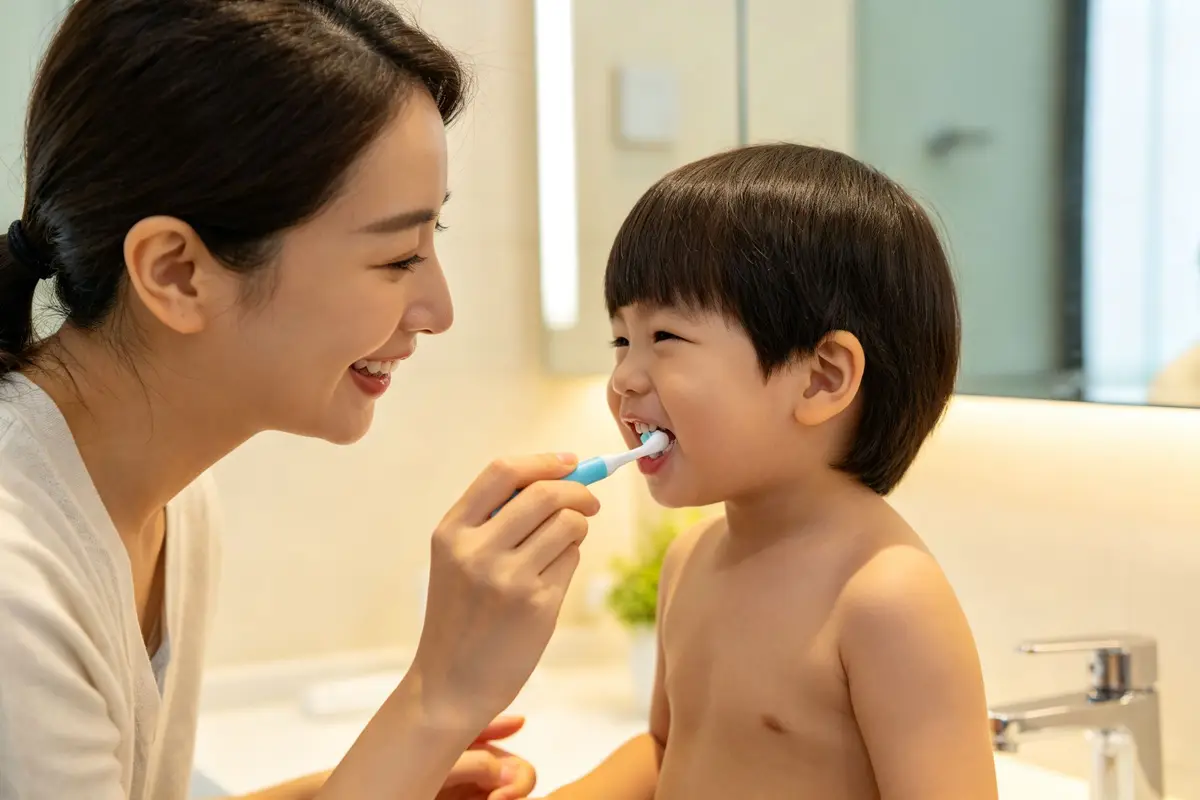
Many parents are surprised to learn that baby oral care should start before the first tooth even appears. Those tiny gums need gentle cleaning, and once those first pearly whites start coming in (usually around 6 months), proper brushing becomes essential for preventing tooth decay. The baby toothbrush market has evolved from basic adult-sized brushes to specialized, age-appropriate tools designed for tiny mouths and developing teeth. Market research projects the baby toothbrush market to grow at a CAGR of 6.5% through 2026, with silicone and smart toothbrushes leading innovation. This article examines the market landscape, product types, key features, leading brands, and what parents should consider when looking for the best baby toothbrush in 2026.
Market Overview: Why Baby Oral Care Starts Before the First Tooth
Baby teeth (primary teeth) are important — they help babies chew and speak, and they hold space for permanent teeth. Tooth decay in baby teeth can affect the development of permanent teeth, cause pain and infection, and even impact nutrition and speech development. The American Academy of Pediatric Dentistry (AAPD) recommends that parents begin cleaning their baby's gums even before the first tooth erupts, using a soft, damp cloth or a silicone finger brush. Once the first tooth appears (usually around 6 months), parents should begin brushing with a soft-bristled toothbrush and a tiny amount of fluoride toothpaste (about the size of a grain of rice for children under 3, and a pea-sized amount for children 3-6). The market is being driven by: the growing awareness of the importance of early oral care and the prevention of early childhood caries (ECC); the availability of age-appropriate, safe, and easy-to-use toothbrushes; the trend toward silicone and ergonomic designs that are gentle on baby gums; and the growing popularity of electric and smart toothbrushes that make brushing more fun and effective for toddlers. In Southeast Asia, where access to pediatric dental care may be limited in some areas, establishing good oral hygiene habits at home is particularly important. E-commerce platforms have made a wide range of baby toothbrushes accessible, from budget basic models to premium smart devices. The market is also being shaped by safety concerns — adult toothbrushes are too large and hard for baby mouths, and improper brushing can damage delicate gums, leading to the need for specialized baby-safe designs.
Product Types: Finger Brush, Silicone Training Brush, Manual Toddler Brush, and Electric/Smart
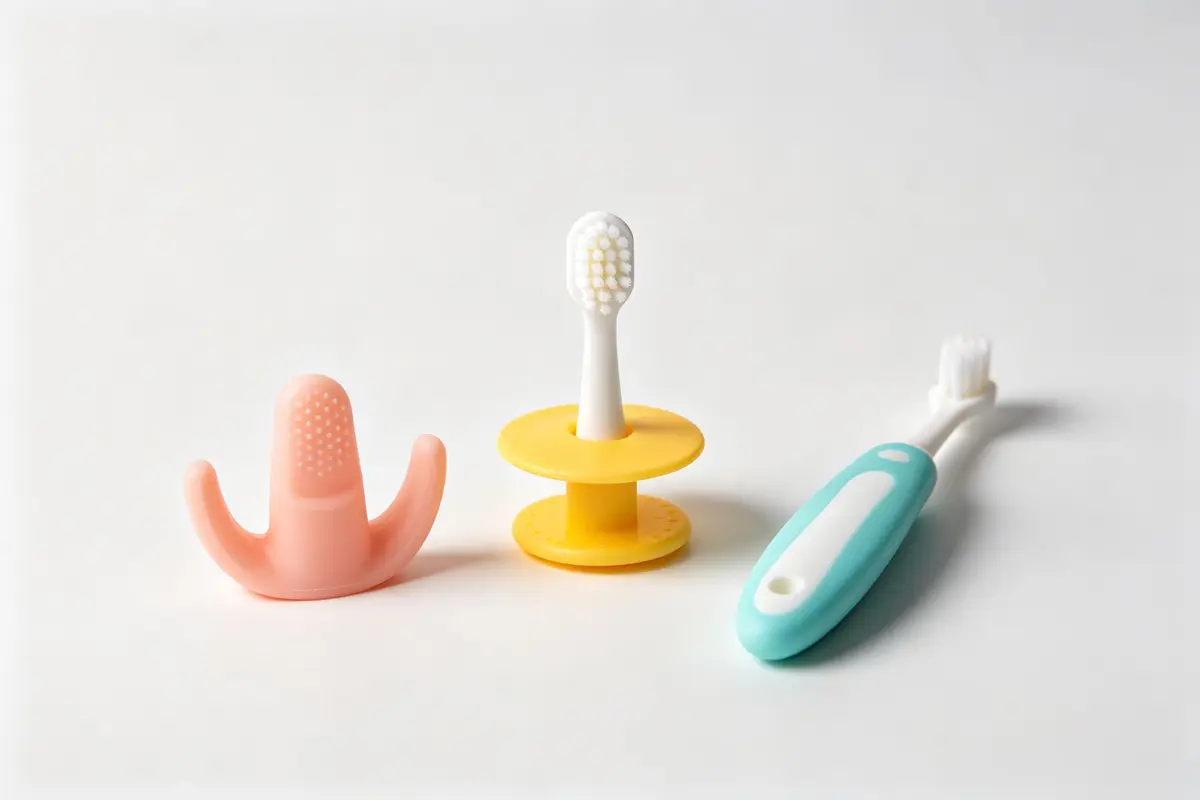
The baby toothbrush market includes four main product types. Silicone finger brushes are designed for newborns and babies before teeth erupt (0-6 months), consisting of a soft silicone sleeve that fits over the parent's finger with small, soft bristles on one end. They are used to gently clean and massage the baby's gums, and can also be used once the first teeth appear. They are very inexpensive ($3-8), safe (no hard parts), easy to clean (boil or dishwasher), and give the parent excellent control. However, they are not as effective at cleaning teeth as a proper toothbrush, and the parent's finger can be bitten once teeth come in. They are best for gum cleaning in the first 6-12 months. Silicone training toothbrushes are designed for babies who are teething and getting their first teeth (6-18 months), consisting of a soft silicone brush head with short, flexible bristles attached to a large, easy-to-grip handle. Many have a safety shield or ring that prevents the brush from being inserted too far into the baby's mouth (a choking hazard prevention). Some can also be used as a teething toy. They are gentle on gums, safe, and easy for babies to hold and practice with. Prices range from $5-15. However, silicone bristles may not be as effective at removing plaque as nylon bristles, and they are best for training rather than thorough cleaning. Manual toddler toothbrushes are designed for toddlers and young children (18 months+), with a small brush head, soft nylon bristles, and a larger, ergonomic handle that is easy for both parents and toddlers to grip. They are the most effective at cleaning teeth (nylon bristles remove plaque better than silicone), and they come in a wide range of fun colors, characters, and designs to appeal to toddlers. Many have features like suction cups on the base (to stand upright on the counter), tongue cleaners on the back of the head, or ergonomic grips. Prices range from $3-10. They are the standard choice for toddlers and should be used with a small amount of fluoride toothpaste. Electric and smart toothbrushes are the fastest-growing segment, with year-over-year growth of approximately 17%. These use a battery-powered rotating or sonic brush head to provide more consistent and effective cleaning than manual brushing. Many include fun features like music, lights, timers, and app connectivity to make brushing more engaging for toddlers. Some smart toothbrushes even track brushing time and coverage and provide feedback through a smartphone app. They are more expensive ($15-50) and require batteries or charging, but they can be more effective and make brushing more fun for reluctant toddlers. When choosing a toothbrush type, consider your baby's age and stage (finger brush for gums, silicone training for first teeth, manual or electric for toddlers), the effectiveness of cleaning, your budget, and whether your toddler needs extra motivation (electric/smart with music and lights). Many parents use a progression — finger brush for gums, then silicone training brush, then a manual or electric toddler brush.
Key Features, Brands, and Buying Guide
Key features to look for when buying a baby toothbrush include: Age appropriateness — always check the manufacturer's age recommendations. Using a toothbrush designed for an older child on a baby can be too large or too hard. Look for brushes clearly labeled for specific age ranges (0-6 months, 6-18 months, 18 months+, 3+ years). Small brush head — the brush head should be small enough to fit in a baby's or toddler's mouth and reach all surfaces, including the back teeth. A head about the size of a baby's fingernail is appropriate for infants; a slightly larger head is fine for toddlers. Soft bristles — always choose extra-soft or soft bristles for babies and toddlers. Hard or medium bristles can damage delicate gums and tooth enamel. For silicone brushes, the bristles should be soft and flexible, not rigid. Safety shield or ring — for baby and training toothbrushes, a safety shield or ring prevents the brush from being inserted too far into the mouth, reducing the risk of gagging or choking. This is an important safety feature for babies who are learning to use a toothbrush. Ergonomic, non-slip handle — the handle should be easy for both parents and toddlers to grip, with a non-slip surface. A larger, thicker handle is easier for small toddler hands to hold. Some handles have a curved or angled design for better reach. BPA-free and non-toxic materials — ensure the toothbrush is made from BPA-free, food-grade silicone or plastic, with no harmful chemicals. The brush will be in your baby's mouth, so safety is paramount. Easy to clean — look for a toothbrush that is easy to rinse clean and does not have crevices where bacteria can accumulate. Silicone finger brushes can be boiled or put in the dishwasher; manual toothbrushes should be rinsed thoroughly and replaced every 3-4 months (or sooner if bristles are frayed). Suction cup base — a suction cup on the base allows the toothbrush to stand upright on the bathroom counter, keeping the brush head clean and dry and preventing it from touching dirty surfaces. This is a convenient feature for toddler brushes. Fun design and colors — for toddlers, a fun color, character, or design can make brushing more appealing and reduce resistance. Some brushes have characters, animals, or bright colors that toddlers love. Timer and music (for electric/smart) — a built-in 2-minute timer (the recommended brushing time) and fun music or lights can help ensure adequate brushing time and make the experience more enjoyable for toddlers. Replacement brush heads (for electric) — for electric toothbrushes, check that replacement brush heads are available and affordable. You should replace the brush head every 3-4 months, just like a manual toothbrush. How to brush baby teeth: for babies under 1, use a finger brush or silicone training brush with water (no toothpaste, or just a tiny smear of fluoride toothpaste); for children 1-3, use a soft-bristled toothbrush with a grain-of-rice-sized amount of fluoride toothpaste; for children 3+, use a pea-sized amount of fluoride toothpaste; brush gently in circular motions, covering all surfaces (front, back, and chewing surfaces); brush twice a day (morning and night); and help your child brush until they are about 6-7 years old (they do not have the dexterity to brush effectively on their own before then). Leading brands include: Frida Baby (known for its SmileFrida finger brush and toddler toothbrush), Baby Banana (known for its popular banana-shaped silicone training toothbrush/teether), NUK (known for its Grins & Giggles toddler toothbrushes and learning toothbrushes), Colgate (known for its My First and Kids toothbrushes), Orajel (known for its baby and toddler toothbrushes with training handles), Brush-Baby (known for its electric and sonic toothbrushes for babies and toddlers), and papablic (known for its baby electric toothbrush with music and LED light). In Southeast Asia, NUK and Colgate are widely available on Shopee and Lazada, while budget silicone and electric brushes are available for $5-15. For parents looking to buy a baby toothbrush online, prioritize age appropriateness, a small head with soft bristles, a safety shield, BPA-free materials, and an ergonomic handle. Start with a finger brush for gums, progress to a silicone training brush for first teeth, and use a manual or electric toddler brush with fluoride toothpaste from age 1. For a complete baby health and wellness routine, parents can also explore Moni Happy's product range, and businesses interested in distribution can learn more at Moni Happy's partner page.