
2026-09-14 · Moni Happy Editorial
Buy Baby Nasal Aspirator Online 2026: Electric vs NoseFrida Guide

When your baby has a stuffy nose and cannot breathe, sleep, or feed properly, you would try almost anything to help. Baby nasal aspirators — devices that gently suction mucus from a baby's nose — have become an essential item in every parent's medicine cabinet. The market has evolved from basic rubber bulb syringes to sophisticated electric and battery-powered devices with adjustable suction levels. Market research projects the baby nasal aspirator market to grow at a CAGR of 7.5% through 2026, with electric and hospital-grade aspirators leading innovation. This article examines the market landscape, product types, key features, leading brands, and what parents should consider when looking to buy a baby nasal aspirator online in 2026.
Market Overview: Why Nasal Aspirators Are Essential for Babies
Babies are obligate nose breathers for the first 4-6 months of life, meaning they primarily breathe through their noses. When a baby's nose is congested due to a cold, allergies, or dry air, it can affect their ability to feed, sleep, and breathe comfortably. Unlike older children and adults, babies cannot blow their own noses, so a nasal aspirator is the most effective way to clear mucus and provide relief. The market is being driven by: the growing awareness that nasal congestion can lead to feeding difficulties and poor sleep in babies; the availability of affordable, easy-to-use aspirators that are more effective than traditional bulb syringes; the trend toward hospital-grade and electric aspirators that offer stronger, more consistent suction; and the growing emphasis on baby health and wellness products in general. In Southeast Asia, where tropical climates and seasonal changes can lead to frequent colds and congestion, a reliable nasal aspirator is particularly valuable. E-commerce platforms have made a wide range of aspirators accessible, from budget bulb syringes to premium electric devices. The market is also being shaped by hygiene concerns — traditional bulb syringes can be difficult to clean thoroughly and may harbor bacteria, leading many parents to opt for aspirators with disposable tips or easy-to-disassemble designs.
Product Types: Bulb Syringe, Oral Suction, Battery/Electric, and Hospital-Grade
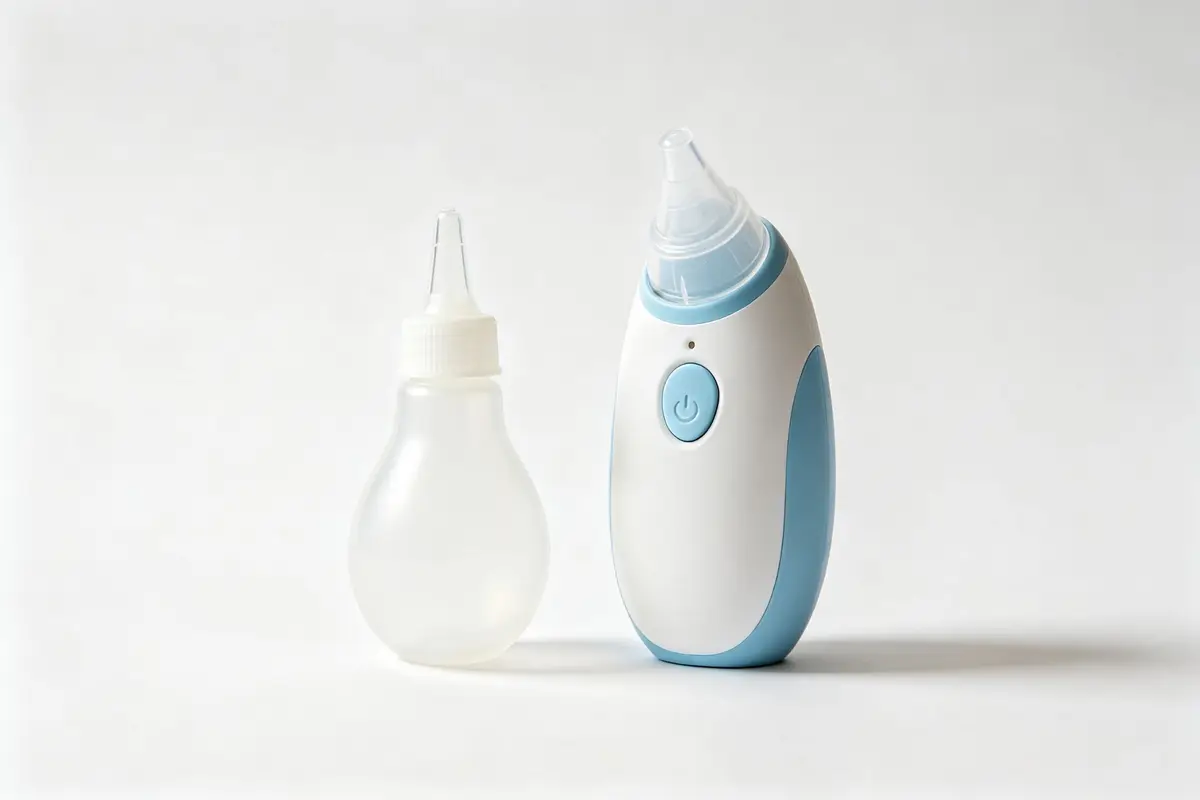
The baby nasal aspirator market includes four main product types. Bulb syringes are the most basic and traditional option, consisting of a rubber bulb attached to a plastic or silicone tip. Squeezing the bulb creates suction that draws mucus out of the nose. They are inexpensive ($2-8), widely available, and require no batteries. However, they have several drawbacks: the suction strength is difficult to control (too weak or too strong), they can be hard to clean thoroughly (moisture can get trapped inside the bulb and grow mold), and many parents find them less effective than other types. Most hospitals send newborns home with a bulb syringe, but many parents upgrade to a better option. Oral suction aspirators became popular with the launch of the NoseFrida, and consist of a tube with a disposable filter at one end (inserted into the baby's nose) and a mouthpiece at the other end (which the parent uses to create suction by sucking). The filter prevents mucus from reaching the parent's mouth. They are effective, affordable ($10-20), easy to clean (disposable filters), and give the parent precise control over suction strength. Some parents are initially squeamish about the concept, but most find it effective and hygienic due to the filter. Battery and electric aspirators are the fastest-growing segment, with year-over-year growth of approximately 18%. These use a battery-powered or rechargeable motor to create suction, often with adjustable suction levels. They are more powerful and consistent than manual options, and many include features like music or lights to distract the baby, silicone tips for comfort, and easy-to-clean components. Prices range from $20-60. They are a good option for parents who want a more powerful, hands-free option, especially for babies who are frequently congested. Hospital-grade aspirators are professional-grade devices that use a stronger motor or even a vacuum cleaner attachment to create powerful suction. They are designed for frequent or severe congestion and are often used in pediatric clinics. Some hospital-grade models are available for home use, but they are more expensive ($50-150+) and may be overkill for everyday use. When choosing an aspirator type, consider: how often your baby needs suctioning, your budget, your comfort level with the method (oral suction vs electric), ease of cleaning, and portability. Many parents start with a bulb syringe (from the hospital) and upgrade to an oral suction or electric aspirator if they find the bulb insufficient.
Key Features, Brands, and Buying Guide
Key features to look for when buying a baby nasal aspirator include: Suction strength and adjustability — the suction should be strong enough to remove mucus but gentle enough not to injure the delicate nasal lining. Electric aspirators with adjustable suction levels offer the most control. For oral suction aspirators, the parent controls the strength. Tip design and comfort — look for a soft, flexible silicone tip that is gentle on the baby's delicate nasal passages. The tip should be the right size for a baby's nostril (not too large) and should not be inserted too deeply. Some aspirators come with multiple tip sizes for different ages. Hygiene and easy cleaning — this is crucial. Look for aspirators that are easy to disassemble and clean thoroughly, with no hidden crevices where moisture and bacteria can accumulate. Disposable filters or tips are a plus. Avoid aspirators that cannot be fully cleaned (like traditional bulb syringes with sealed bulbs). Noise level — for electric aspirators, consider the noise level. A loud motor may startle or distress the baby. Some aspirators are designed to be quiet, while others include music or white noise to mask the sound. Distraction features — some electric aspirators include music, lights, or fun designs to distract the baby during use. This can be helpful for babies who resist nasal suctioning. Portability — if you travel frequently or need to use the aspirator on the go, look for a compact, lightweight model that is easy to carry. Battery-powered models are more portable than plug-in models. Battery life and charging — for electric aspirators, check the battery life and whether it uses replaceable or rechargeable batteries. Rechargeable models are more convenient and eco-friendly. Safety — ensure the aspirator is made from BPA-free, non-toxic materials, has no small parts that could be a choking hazard, and has safety features like automatic shut-off (for electric models). Additional accessories — some aspirators come with extra tips, filters, carrying cases, saline spray, or a storage case. How to use a nasal aspirator: first, soften the mucus with saline drops or spray (wait 30-60 seconds); then, gently insert the tip into the baby's nostril (do not insert more than 1/4 inch); apply suction slowly and gently; remove and clean the tip; repeat on the other nostril; and clean the aspirator thoroughly after each use. Do not use the aspirator more than 3-4 times per day, as overuse can irritate the nasal lining. Leading brands include: NoseFrida (the original and most popular oral suction aspirator, known for its effective and hygienic design with disposable filters), Frida Baby (the parent company of NoseFrida, also known for its electric aspirator), Graco (known for its battery-powered nasal aspirator), NeilMed (known for its pediatric nasal aspirator and saline products), Bubzi (known for its electric aspirator with music and lights), and OCCObaby (known for its manual and electric aspirators). In Southeast Asia, NoseFrida is widely available on Shopee and Lazada, while budget electric aspirators are available for $10-20. For parents looking to buy a baby nasal aspirator online, prioritize hygiene (easy to clean), suction control, and a soft silicone tip. Oral suction aspirators like NoseFrida offer excellent control and hygiene; electric aspirators offer more power and convenience. For a complete baby health and wellness routine, parents can also explore Moni Happy's product range, and businesses interested in distribution can learn more at Moni Happy's partner page.