
2026-09-08 · Moni Happy Editorial
Buy Baby Safety Gates Online: Southeast Asia Market & Child Safety Guide
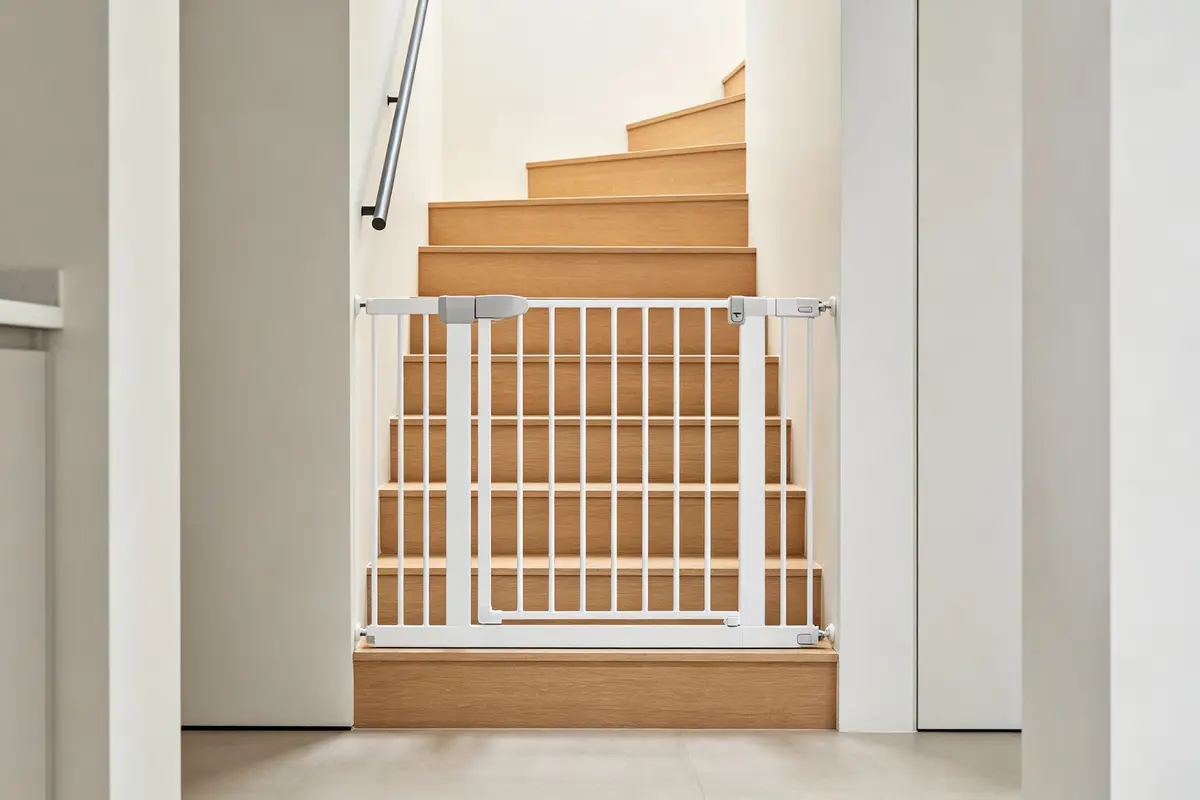
As babies become mobile — crawling, cruising, and eventually walking — the home transforms from a safe nursery into a landscape of potential hazards, from staircases to kitchens to bathrooms. Baby safety gates are one of the most essential baby proofing products, providing a physical barrier that keeps curious babies and toddlers out of dangerous areas while allowing adults to move freely. As parents across Southeast Asia increasingly prioritize child safety in the home, the decision to buy baby safety gates online has become a standard step in baby proofing. The global baby safety gate market, valued at approximately $480 million in 2025, is growing at a CAGR of 7.8%, with Southeast Asia emerging as a fast-growing regional market as urbanization, rising disposable incomes, and increasing safety awareness drive demand for child proofing products.
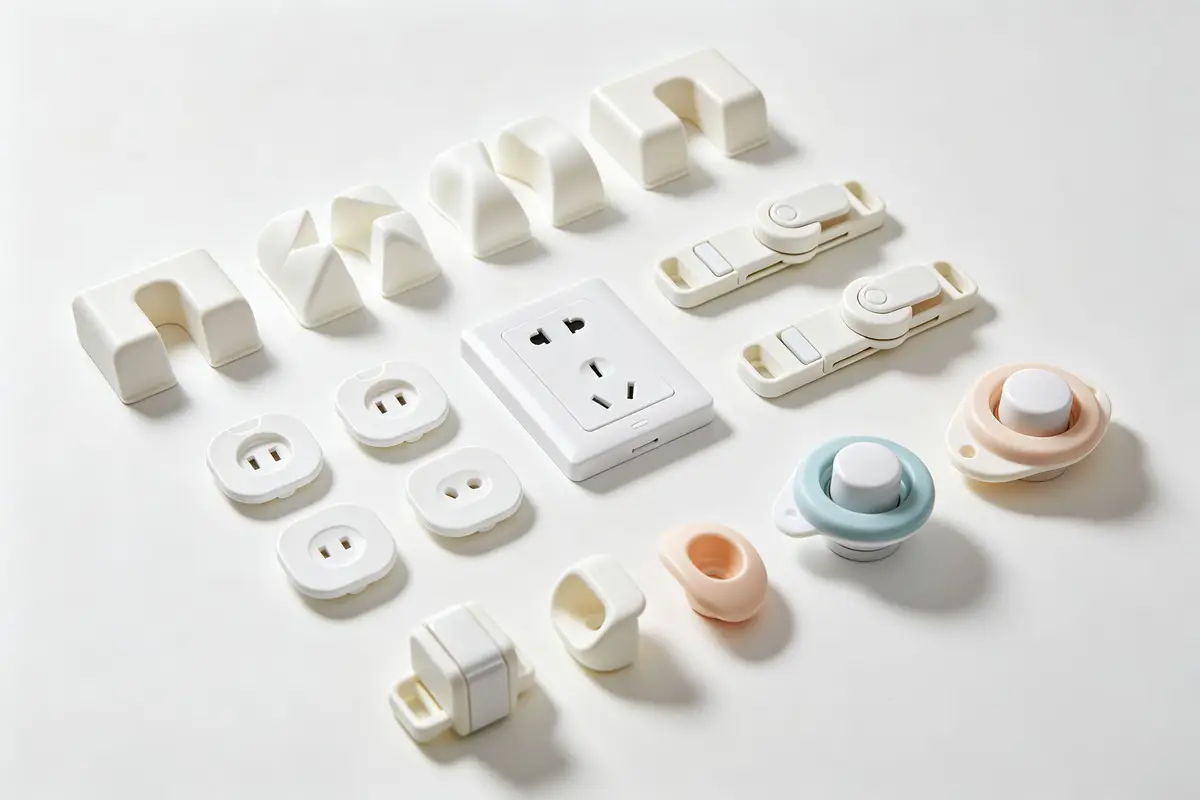
Market Overview: The Growing Importance of Home Safety
Several trends are driving growth in the baby safety gate market across Southeast Asia. First, urbanization and the rise of multi-level homes and apartments with staircases have increased the need for safety gates to block access to stairs — one of the most common locations for childhood falls and injuries. In many Southeast Asian homes, staircases are a central architectural feature, and blocking them with a safety gate is one of the most effective ways to prevent serious falls. Second, rising safety awareness — driven by parenting content on social media, pediatrician recommendations, and growing access to child safety information — has made parents more proactive about baby proofing, with safety gates being one of the first products parents purchase when their baby starts crawling (typically around 6-9 months).
Third, the growing popularity of open-concept living spaces and multi-functional homes has increased the need for flexible safety barriers that can block off kitchens, home offices, or other areas without permanent installation. Fourth, e-commerce has made a wider range of safety gate products accessible to consumers, with detailed product descriptions, installation tutorials, customer reviews, and "baby proofing tour" video content helping parents choose the right gate for their space. Shopee, Lazada, and TikTok Shop collectively account for approximately 45% of baby safety gate sales in Southeast Asia, with COD remaining the dominant payment method in Indonesia, Vietnam, and the Philippines. Social commerce, particularly through "baby proofing my home" and "child safety must-haves" content on TikTok and Instagram, is a powerful driver of product discovery — videos showing gate installation, demonstrating one-handed operation, and highlighting safety features consistently generate high engagement and conversion. Modern trade (hypermarkets, home improvement stores, baby specialty stores) and home goods retailers account for the remaining sales, with in-store display and the ability to see and test the gate's operation being important factors for many parents.
Key Features to Evaluate When You Buy Baby Safety Gates Online
When selecting a baby safety gate, parents should evaluate the following key features:
- Mounting type: pressure-mounted vs. hardware-mounted: This is the most important decision. Pressure-mounted gates use tension to stay in place between two walls or door frames, requiring no drilling or permanent installation — they're easy to install and remove, making them ideal for renters or for use in doorways and between rooms. However, they are not recommended for use at the top of stairs, because they can be dislodged if a child leans or pushes on them. Hardware-mounted gates are screwed into the wall or door frame, providing a more secure, permanent installation — they are the safest option for the top of stairs and for high-traffic areas, but they require drilling and leave holes when removed. Some gates are designed to be used both ways, but always check the manufacturer's recommendations. The general rule: top of stairs = hardware-mounted; doorways and between rooms = pressure-mounted (or hardware-mounted for extra security).
- Width and adjustability: The gate must fit the opening you need to block. Measure the width of your doorway, staircase, or opening before purchasing, and choose a gate that can adjust to fit that width. Most pressure-mounted gates adjust within a range (e.g., 29-37 inches), and many come with extension panels for wider openings. Extra-wide gates (for openings 48-72 inches or more) are available for open-concept spaces or wide staircases. Make sure the gate fits snugly — there should be no gap larger than 2-3 inches between the gate and the wall, as a larger gap could pose a head entrapment risk.
- Height: The gate should be tall enough that a climbing toddler can't easily climb over it. Most safety gates are 29-36 inches tall. For the top of stairs or for particularly tall or adventurous climbers, a taller gate (36 inches or more) is recommended. Avoid gates with horizontal bars on the outside, as these can provide footholds for climbing toddlers.
- Door operation: If the gate is in a high-traffic area (like a kitchen doorway or the bottom of stairs), you'll want a gate with a door that you can open and close easily, preferably with one hand (while carrying a baby or groceries). Look for a gate with a walk-through door that swings open in both directions (or one direction, if it's at the top of stairs — it should swing inward, not outward over the stairs), with a secure, child-proof latch that adults can open easily but children cannot. Some gates have a "hold-open" feature that keeps the door open when you need to pass through frequently, and an auto-close feature that closes and locks automatically when released.
- Safety standards and certification: Look for gates that meet international safety standards (like ASTM F1004 in the US, or EN 1930 in Europe) and have been tested for safety. The gate should have no sharp edges, no small parts that could be a choking hazard, and no openings that could pose a head or neck entrapment risk (slats should be less than 2.4 inches / 6 cm apart, and there should be no V-shaped openings at the top). The latch should be child-proof — it should require an action that a young child cannot easily replicate (like pressing and lifting simultaneously, or sliding a button while lifting the gate).
- Material and durability: Safety gates are typically made from metal (steel or aluminum), wood, or plastic. Metal gates are the most durable and sturdy, and are recommended for high-traffic areas and the top of stairs. Wood gates are attractive and blend well with home decor, but may be less durable and can be chewed or scratched by toddlers. Plastic gates are lightweight and affordable, but may be less sturdy and are generally recommended for low-traffic areas or for temporary use. The gate should feel solid and stable when installed, with no wobbling or flexing.
- Ease of installation and removal: Pressure-mounted gates should be easy to install without tools, with clear instructions and a tension adjustment mechanism that's easy to tighten. Hardware-mounted gates should come with all necessary hardware (screws, wall cups, templates) and clear installation instructions. If you're renting or plan to move the gate frequently, a pressure-mounted gate or a hardware-mounted gate with wall cups (which distribute pressure and minimize wall damage) may be the best option.
Important Safety Reminders
While a safety gate is one of the most effective baby proofing tools, it must be used correctly to be safe:
- Always use a hardware-mounted gate at the top of stairs — never use a pressure-mounted gate at the top of stairs, as it can be dislodged.
- Install gates at both the top and bottom of staircases — a gate at the bottom prevents the baby from climbing up, and a gate at the top prevents the baby from falling down.
- Always close and latch the gate after passing through — an open gate is useless, and a toddler can slip through in seconds. Consider an auto-close gate if you're prone to forgetting.
- Check the gate regularly for looseness, damage, or wear — retighten pressure-mounted gates periodically, and replace any gate that is damaged or no longer fits securely.
- Remove the gate once your child can climb over it or is tall enough to step over it (usually around 2-3 years) — at that point, the gate can become a climbing hazard rather than a safety device.
- Never use a gate with horizontal bars on the outside (toward the child), as these provide footholds for climbing.
- Do not place furniture, toys, or other objects near the gate that a child could climb on to get over the gate.
For parents looking to buy baby safety gates online, Moni Happy's baby safety and proofing product range includes sturdy, safety-certified baby gates suitable for stairways, doorways, and open spaces, available for direct online purchase across Southeast Asia with COD support.
Distribution and Brand Strategy
For brands looking to enter or expand in the Southeast Asian baby safety gate market, safety certification (meeting ASTM or EN standards) and clear installation guidance are essential for building trust. Pricing must be localized, with value-oriented pressure-mounted gates for mass markets and premium hardware-mounted and extra-wide gates for higher-income segments. E-commerce content excellence is critical, with video installation tutorials, "which gate is right for your space" comparison guides, and safety demonstration videos being highly effective. Influencer partnerships with parenting and home safety content creators drive awareness and conversion. Home improvement stores (like ACE Hardware, Home Pro, and local chains) and modern trade are important channels, as many parents want to see and test the gate's operation and sturdiness before purchasing. For brands and distributors interested in expanding their Southeast Asian footprint, Moni Happy's distributor partnership program provides access to established retail channels, logistics infrastructure, and localized marketing support across the region.
Future Outlook
The baby safety gate market in Southeast Asia is poised for continued growth, driven by urbanization, rising safety awareness, and the increasing mobility of babies and toddlers. Innovation will focus on improved design (sleeker, more aesthetically pleasing gates that blend with modern home decor), smart features (like sensors that alert parents if the gate is left open), eco-friendly materials (recyclable metals and FSC-certified wood), and easier installation systems (no-drill hardware-mounted options, tool-free pressure mounting). As the market evolves, brands that combine safety certification, sturdy construction, easy installation, compelling digital content, and localized pricing will lead the category. For parents, the best baby safety gate is one that fits their space securely, is appropriate for the location (hardware-mounted for top of stairs), is easy for adults to operate but impossible for toddlers to open, and provides peace of mind that their curious explorer is safe.