
2026-10-07 · Moni Happy Editorial Team
What Diaper Size Mix Should a New Distributor Order First? NB to XXL Ratio
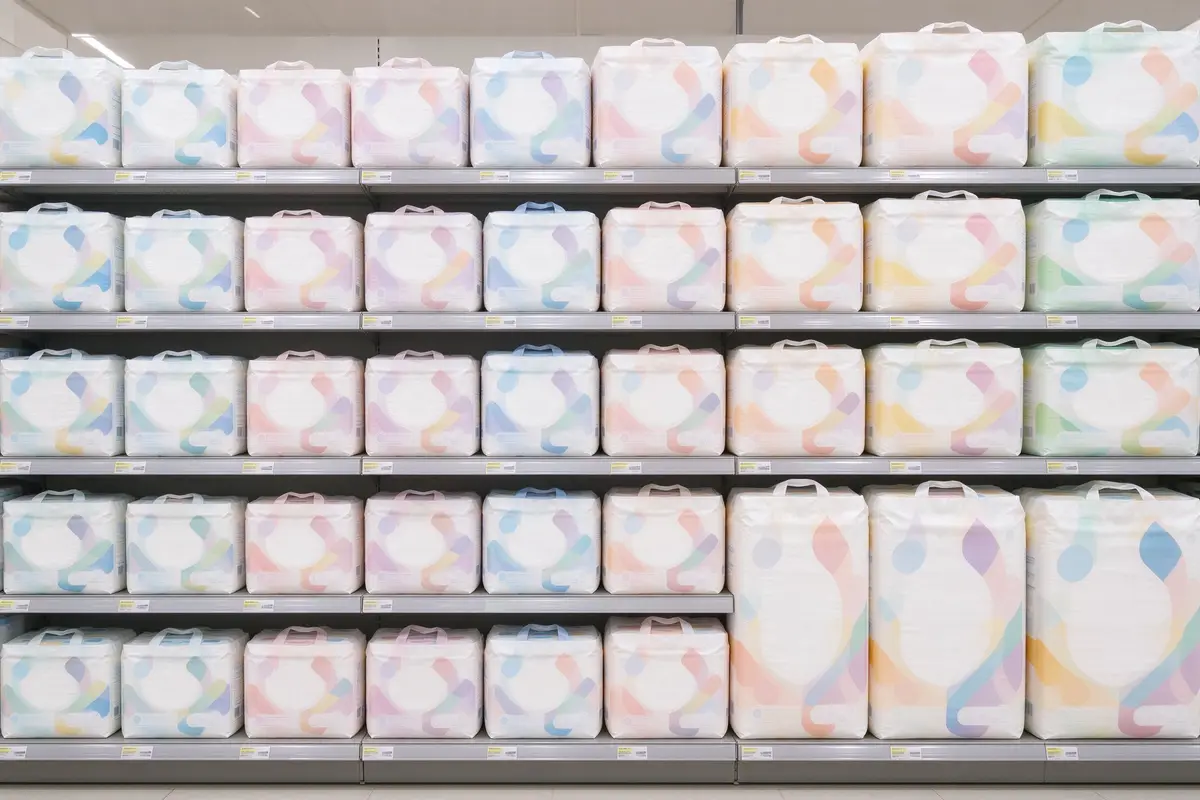
A balanced first diaper size mix for a new territory is roughly 30% NB/S, 25% M, 25% L, 15% XL and 5% XXL as an indicative planning start, then adjusted to local birth rates, climate and the first 4-6 weeks of sell-through. The goal of your first diaper size mix is breadth without dead stock: cover every stage, but keep the everyday M and L sizes deepest.
- Indicative first diaper size mix: NB/S 30%, M 25%, L 25%, XL 15%, XXL 5% (planning assumption, not guaranteed demand).
- M and L are typically the fastest-repeating everyday sizes; NB/S skew highest in maternity and high-fertility areas.
- A 20GP holds about 40,000-60,000 diapers across 250-300 cartons depending on size and pack format.
- Tape diapers dominate NB to crawling; pull-up pants dominate standing/toddler L-XXL and often carry higher margin.
- Rebalance from sell-through after 4-6 weeks; request the distributor packing list at moni-happy.com/partner.
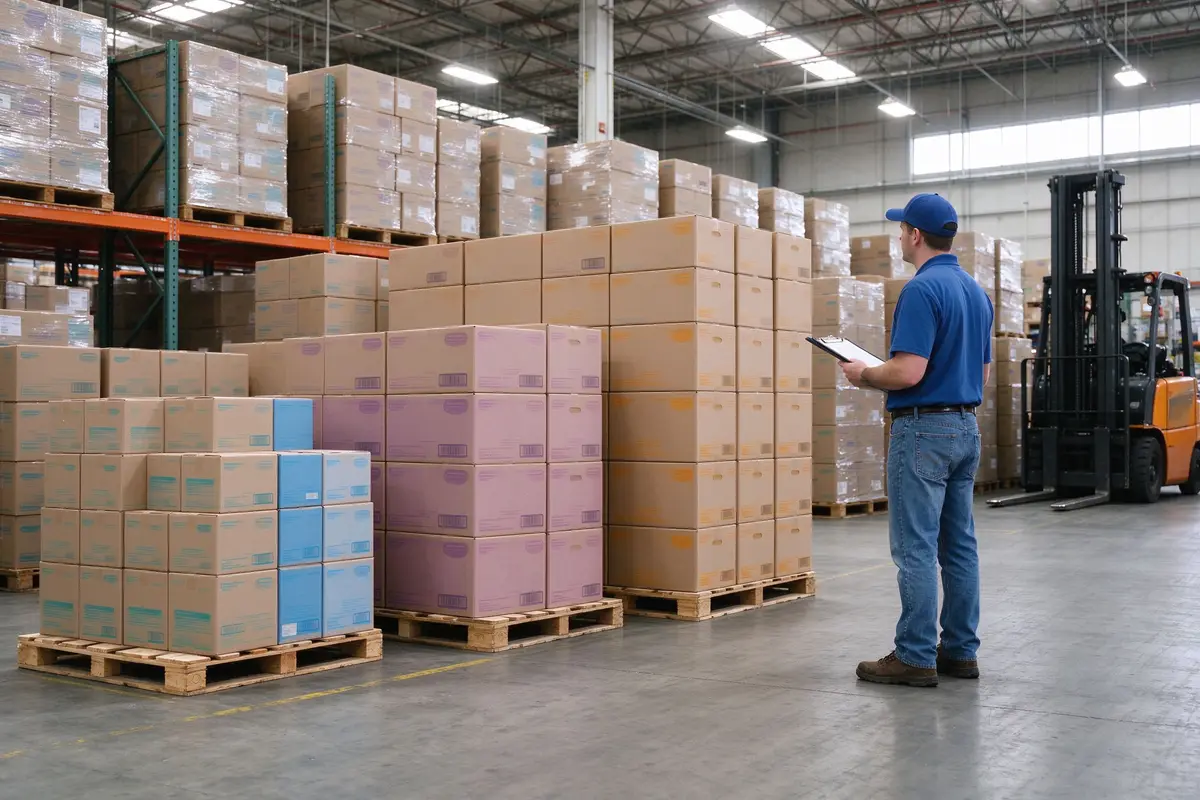
Assortment planning sits between two of our distributor guides: the container MOQ and carton breakdown tells you how many pieces fit, while the category margin comparison tells you where profit is highest. This article sets the diaper size mix between them.
What diaper size mix should a first order use?
Use the indicative 30/25/25/15/5 split as a starting framework, not a fixed rule. It deliberately over-weights NB/S for a brand-new territory because newborn sizes win the first diaper purchase at maternity shops and hospitals, then under-weights XXL because that stage is smaller and brand loyalty is already set.
For a 48,000-piece 20GP, that planning diaper size mix equals roughly 14,400 pieces NB/S, 12,000 M, 12,000 L, 7,200 XL and 2,400 XXL. Convert pieces to cartons only from the supplier's packing list, because pieces per pack and packs per carton differ by size.
How do birth rates and baby age change the diaper size mix?
The younger the population, the more NB/S you stock. National fertility rates differ sharply across Southeast Asia, from about 1.2 in Thailand to 2.1 in Indonesia and 2.5 in Cambodia in recent World Bank figures. A territory outside a maternity hospital may run 35-40% NB/S, while a suburban chain serving toddlers may run only 20%.
Climate also shifts the mix: in hot and humid markets, parents often size up for breathability and move into pull-up pants earlier, lifting L and XL velocity. Confirm local norms with a handful of store owners before finalising the diaper size mix.
How many cartons of each size fit in a 20ft container?
A 20GP offers about 33 CBM total (roughly 28 CBM usable) and holds about 250-300 cartons of diapers. Smaller NB/S packs are more compressed, so a carton holds more pieces; XL/XXL cartons hold fewer. Because diapers cube out before they weigh out, the size mix directly changes total piece count. The container breakdown guide shows the calculation so you can cube the order accurately.
Should a first order use tape diapers or pull-up pants?
Stock both, but lead with tape for NB through crawling and add pants for L-XXL. Tape diapers are the universal newborn choice and the easiest first purchase, while pull-up pants suit standing and walking toddlers and commonly carry a higher wholesale margin (indicative pants margins run about 18-25% versus 15-20% for tape). A practical first diaper size mix keeps pants concentrated in L and XL rather than spread across every size.
How do you correct the diaper size mix after the first month?
Track sell-through by size weekly for the first 4-6 weeks, then rebalance the next container:
- Fast sellers (less than 2 weeks of cover): increase that size and reduce the slowest.
- Slow sellers (more than 8 weeks of cover): cut depth and run bundle promotions to clear space.
- Gap sizes that stores repeatedly request out-of-stock: add immediately; lost repeat purchases are costly.
- Repeat orders: most factories swap size ratios at the same MOQ, so corrections cost little.
Should wipes, tissue and towels be added to the first order?
Yes, in moderation. Compact baby wipes, facial tissue and cotton towels fill leftover container cube that bulky diapers cannot, raise the average order value, and carry healthy indicative margins (wipes about 20-28%, cotton towels up to roughly 25-35%). Keep them to perhaps 10-15% of the first container so the diaper size mix remains the core; the category margin guide ranks all five lines.
For a territory-specific assortment and the current distributor packing list, contact Moni Happy through the partner program, and review channel placement in the Southeast Asia distribution-channel guide.
Frequently asked questions
Sources and further reading
- World Bank — Fertility rate, total (births per woman), indicator SP.DYN.TFRT.IN
- ASEAN Tariff Finder — applied and preferential tariffs for HS 9619
- Scotts International — Vietnam baby diaper market forecast 2025-2032
Commercial figures are indicative planning ranges and subject to a formal quotation; statutory rates must be confirmed with a licensed customs broker.
Bottom line: Open a new territory on roughly 30/25/25/15/5 across NB/S to XXL, keep M and L deepest, pair tape with L/XL pants, and rebalance from real sell-through within six weeks. Treat every ratio as a planning assumption until your own data replaces it.
Frequently Asked Questions
What diaper size mix should a first distributor order?
An indicative starting diaper size mix is about 30% NB/S, 25% M, 25% L, 15% XL and 5% XXL, adjusted to local sell-through.
Which diaper sizes sell the fastest?
M and L are usually the fastest-moving everyday sizes, while NB/S sell heavily in high-fertility areas and maternity channels.
Should a first order be tape diapers or pull-up pants?
Lead with tape for newborns to crawlers and add L/XL pants for active toddlers, where pants margins are often higher.
How soon can I correct the diaper size mix?
Review sell-through after 4-6 weeks and rebalance the next container; most suppliers swap sizes on repeat MOQ orders.
Distributor resources
If you are evaluating suppliers for your market, these are the pages that answer the commercial questions — in the order buyers usually need them.