
2026-11-10 · Moni Happy
How does a diaper distributor get heartland provision shops in Singapore to stock a new brand?
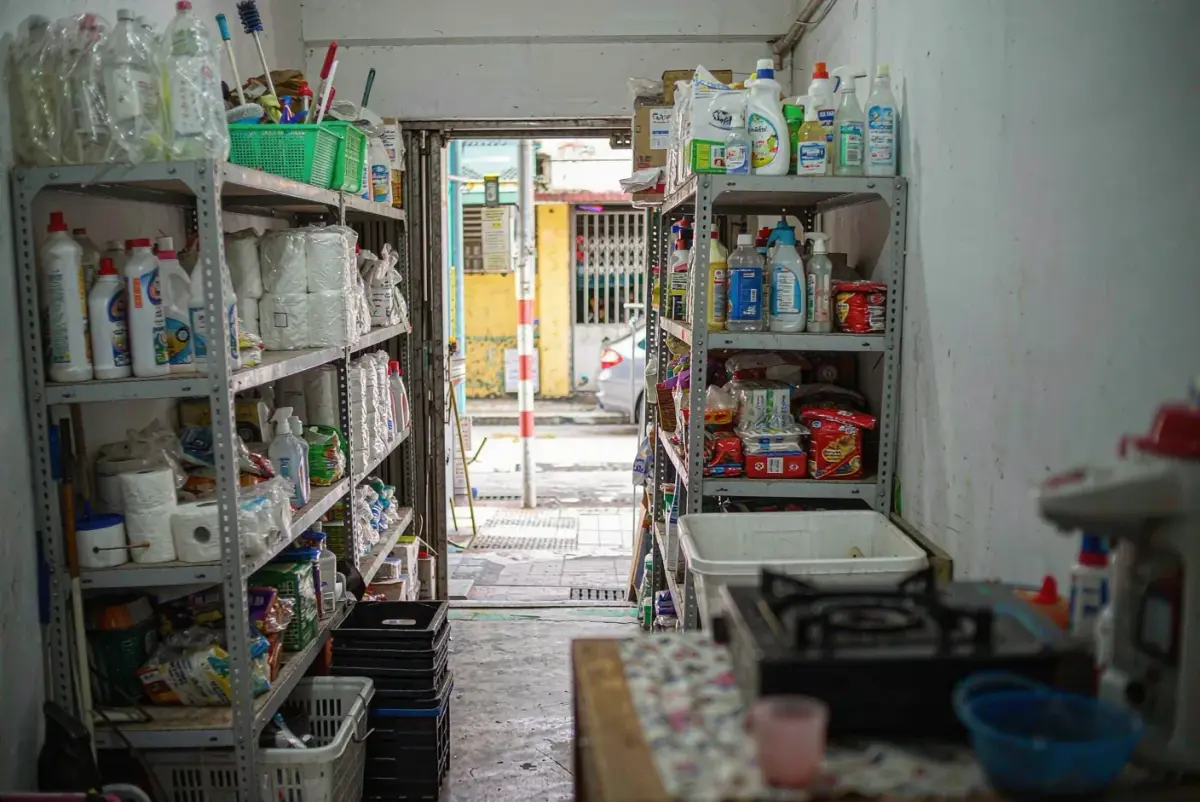
By delivering in single cartons, twice a week, and by pricing so the shop can still make a margin against the supermarket in the same housing estate. Heartland provision shops do not run planograms, do not charge listing fees and decide in one conversation with the owner, which makes them the fastest channel in Singapore to open and the fastest to lose. A diaper distributor who treats them like a small supermarket chain will be delisted in three months without ever being told why.
The channel is easy to underestimate because each shop is small. It is also easy to overestimate, because a hundred small shops with poor replenishment is worse than twenty with good replenishment. The difference is almost always operational, not commercial.
Why do heartland provision shops still matter in Singapore?
Because they sit where the shopper already is, and they sell the pack the supermarket does not stock in that size. Heartland retail works on proximity, and proximity is the one advantage a chain cannot buy, which is why a heartland retail route is built estate by estate.
A housing estate shop lives on convenience: cold drinks, snacks, household refills and the baby pack a parent needs at nine at night without crossing a car park. That trip is short, repeated and price-aware, but not price-only. The shopper compares the pack in hand with the price they remember from the supermarket downstairs, and the shop's entire pricing freedom sits inside that comparison.
For a new brand the channel has a second value that a supermarket listing does not. A void deck shop will take a brand that no chain will yet list, and it will display it at eye level because the owner decides where things go. That is a real trial opportunity in a market where the modern trade shelf is expensive and slow to enter. For a diaper distributor the channel is also the cheapest place to learn which pack size turns before committing to a chain listing. The trade-off is that the shop will also drop the brand without a meeting if it stops selling, so the listing has to be supported rather than just opened.
How do these shops actually buy diapers?
From two or three regular suppliers, by phone or messaging, in single cartons, with no contract and no data. That is the operating rhythm every diaper distributor in this channel has to fit into.
The typical order is one to five cartons across a handful of SKUs, placed when the owner notices a gap on the shelf rather than on a fixed cycle. Payment is usually cash on delivery for a new supplier, moving to seven days once the relationship is established. There is no purchase order, no delivery window and no compliance manual; there is a delivery day and a person who checks the cartons against the invoice at the back of the shop.
- Assortment: narrow. Two or three baby care lines at most, and diapers usually dominate.
- Order trigger: visible stock-out, not forecast.
- Decision maker: the owner, in one conversation, often in dialect or Mandarin.
- Loyalty: to the supplier who turns up, not to the brand on the carton.
That last point decides the whole channel strategy. In this trade the distributor is not competing with another brand so much as with another delivery. If your carton arrives on Thursday and the competitor arrives on Wednesday and Saturday, the shelf will hold the competitor, whatever the shopper thinks of the product.
What drop size and delivery frequency do they need?
One to five cartons per drop, twice a week, on a route dense enough to make each stop worth the fuel.
In provision shops the carton drop is set by shelf capacity, not by appetite, and the drop size a shop can take is two or three cartons at most. A shop with two facings of one size can absorb two or three cartons before the stock has nowhere to go, which is why an offer built around a pallet is the wrong instrument here. What the shop needs is a small drop that repeats, so the shelf is never empty and the owner never has cash tied up in a size that is not moving.
Drop size is one half of the problem; frequency is the harder commitment. Twice-weekly delivery is what makes a small drop viable for the shop and what separates a real supplier from a wholesaler the shop has to visit. It also dictates the economics on your side: the cost of the channel is the cost of the drop, so a route with twelve stops in one estate is a different business from twelve stops spread across the island. Plan the route before planning the customer list, and add shops in clusters rather than by enthusiasm. The same drop size logic applies to any market in the region, which is why the arithmetic in this trade travels better than the price list.
Put a number on the drop before you print a rate card. A carton of tape diapers holds 4 to 6 retail packs depending on size, and a shop that turns two packs a day needs roughly one carton a week, which means two visits a week with a one-carton minimum is the shape that survives. Below that, the delivery cost per carton eats exactly the margin the shop is defending when it prices against the supermarket in the same estate.
Which pack sizes and price points survive on a heartland shelf?
The mid-size pack at a round price, in the two sizes that cover most of the estate.
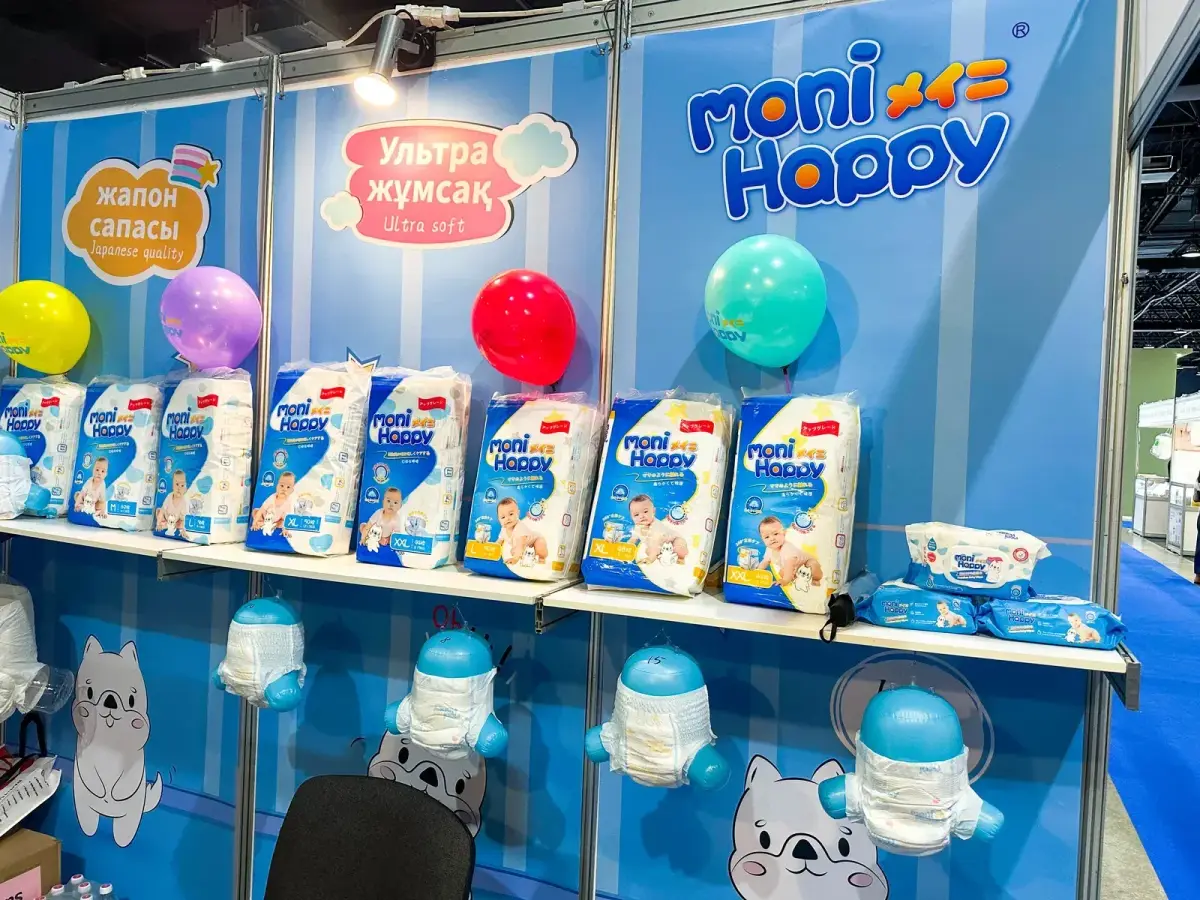
Provision shops do best with the pack a parent buys on a top-up trip rather than the pack a parent buys for the month. That usually means the mid-count pack, priced at a round figure that the shopper can compare without arithmetic against the supermarket promotion. Very large packs consume shelf space and cash and are bought at the supermarket where the trolley is; very small packs are an impulse item and belong near the counter rather than on the baby shelf.
Sizes matter more than variants. In a mixed estate the two sizes that cover the majority of children will outperform a full ladder spread thin, and the shopkeeper will tell you which sizes move within a month of the first delivery. Use that feedback rather than a national size distribution, because a single block can skew young or old depending on how recently it was built.
What margin does the shop expect, and how does that set your price?
Enough to be visibly cheaper than the supermarket on the same pack, and enough to cover the shop's own rent on a small footprint.
The heartland retail mechanism is simple even though the number is local. The shop sets its retail price a little below the supermarket shelf price for the same pack, because that comparison is the only marketing it has. Your wholesale price therefore has to leave room for that discount plus the shop's margin, and it has to leave room for the fact that the shop buys in cartons rather than pallets. A diaper distributor who prices this channel off a container-derived piece price and forgets the carton handling cost will find the margin has gone before the shop has taken its cut.
The practical test is to stand in the shop and price the pack backwards. Take the shelf price the shopper will compare against, subtract the discount the shop needs to look cheaper, subtract the margin the shop expects, and see whether what remains covers your landed cost plus the drop. If it does not, the answer is a different pack size or a different estate, not a thinner margin.
How do I open the first twenty shops without a field team?
Through the two or three wholesalers those shops already buy from, and then in person at the ones that matter.
- Start with the supplier, not the shop. Most heartland shops are served by a small number of grocery wholesalers. Getting your line into one of those catalogues puts a carton in front of provision shops you have never visited.
- Pick one estate and saturate it. Twenty shops inside two or three linked estates produces a viable route; twenty spread across the island does not. For a diaper distributor the estate is the unit of planning, not the city.
- Give the owner a reason to say yes in one minute. A display stand, a launch price for the first order and a guaranteed delivery day is a complete offer. A brand story is not.
- Price the first drop as a trial, not as a promotion. One carton per size, exchangeable once on a slow size, is what an owner will accept without a meeting.
- Come back on the delivery day, not the sales day. The person who checks in the cartons is the person who decides whether to reorder.
Nothing in this channel needs a national launch. What it needs is a route, a delivery promise and a shopkeeper who can see the pack selling. For a distributor already supplying baby stores or pharmacy counters in Singapore, the heartland route usually runs as a secondary loop on the same truck rather than as a separate business.
Twenty shops is the right first target because it fits one route, not because it is a round number. A 20GP container of 48,000 pieces split across 5 sizes gives 9,600 pieces per size; at 40 packs a shop per month across 20 shops, that is roughly 6 weeks of cover per size. Serve the route weekly with a light van, cap the drop at 8 cartons per stop, and put the first 20 shops on 30-day terms. The 15 to 25% distributor margin only survives while the drop stays above 5 cartons.
What ends the listing in month three?
A stock-out in the size that sells, followed by a quiet decision not to reorder.
The pattern repeats across markets. The first delivery sells through in the popular size within two weeks, the owner does not call because the supplier is supposed to know, the second delivery arrives three weeks later with the wrong mix, and the facings quietly go to another brand. Nobody complains; the shelf simply changes.
For a diaper distributor the fix is a replenishment rule rather than a sales push. Agree the reorder point with the owner on the first visit - for example, reorder when two cartons are left - and then deliver to that rule every week without being asked. Add a monthly check of the shelf itself, because a pack at the back of a shelf is not a listing. And keep one slow size in the offer rather than dropping it at the first sign of slow movement, since a parent who cannot find the size will buy a competitor's pack and may not come back.
If you are mapping this channel for the first time, apply as a partner and we will go through the pack sizes, the drop economics and the display options for a heartland route. The product detail for each line sits on the baby diapers and baby wipes pages, and the attachment range matters here because a shop that takes wipes alongside diapers reorders twice as often.
Frequently asked questions
Do I need a warehouse in Singapore to serve these shops?
You need somewhere to break a container into carton drops, which can be a third-party logistics space rather than your own warehouse. What you cannot do is ship from overseas directly to a shop that orders three cartons.
Should the heartland route carry the same price as the pharmacy channel?
No. The pharmacy channel buys against a different comparison and expects a different pack. One price list across both channels usually ends with the heartland shop being undercut by the pharmacy promotion.
Is a display stand worth the cost?
In this channel it is often the single most effective support you can give, because it creates shelf space that did not exist and it makes the brand visible without a shopper looking for it. Keep it small enough to fit a counter.
How long before I know the channel is working?
Two full reorder cycles, which is roughly six weeks at twice-weekly delivery. A shop that has not reordered by then is a shop that will not, and it is better to replace it than to keep delivering to it.
Sources and further reading
- HDB - renting and using commercial premises (Housing and Development Board, current): the estate shop framework behind the heartland retail layout referenced here.
- Enterprise Singapore (current): support schemes and retail industry guidance for small-format operators and their suppliers.
- GS1 barcode standards for retail units and cases (GS1, current): the identification minimum a wholesaler needs before a small shop can scan and reorder a pack.
Bottom line
Heartland retail is won on delivery frequency and the right two pack sizes, not on listing fees or brand story. They buy in single cartons, twice a week, and price the pack against the supermarket in the same estate, so the wholesale price has to leave room for that comparison. Open the channel estate by estate through the wholesalers already serving it, agree a reorder rule on the first visit, and treat a stock-out as the beginning of the delisting rather than as an accident.
Frequently Asked Questions
Do heartland shops charge a listing fee?
Almost never. Space is decided by the owner, not by a category committee, so there is no slotting fee and no planogram to buy into. What they do expect is a delivery they can rely on and, often, a simple display unit.
How many SKUs should a first offer carry?
Two or three. A shop with one metre of baby care cannot merchandise a full size ladder, so offer the two sizes that cover most of the estate and add the third once the first two turn.
Is credit expected?
Cash on delivery at first is normal for a new supplier, and seven days is common once a shop has taken three deliveries. Open-ended credit is rare in this channel and is not worth offering.
Can one distributor cover the whole island?
Not economically at the start. This channel is won estate by estate, because the cost of serving it is dominated by the number of drops per route rather than by the size of each drop.
Distributor resources
If you are evaluating suppliers for your market, these are the pages that answer the commercial questions — in the order buyers usually need them.
