
2026-11-09 · Moni Happy
How does a distributor file a quality claim against a diaper supplier after arrival?

Quarantine the pallet, photograph the container seals before you open the doors, retain unopened cartons from the affected batch, and send written notice with photographs and batch numbers within 48 hours - inside whatever notice period the supply agreement sets. The claim itself is usually the easy part; the part that fails is the evidence file, and it fails because it was assembled three weeks after the goods were put away.
Every distributor eventually receives a container that is not what was ordered: a size mix that is wrong, a pack count that is short, a seal that has failed on a pallet, or a batch that leaks at the leg cuff when the previous three did not. What separates a distributor who recovers the loss from one who absorbs it is almost never the strength of the complaint, and the file a diaper supplier expects to receive is more procedural than most buyers assume. It is whether the goods were still identifiable, untouched and documented when the complaint was made.
What has to happen in the first 48 hours after arrival?
Stop, seal, photograph and notify - in that order, before the pallet is broken down.
- Photograph the container before opening. Seal numbers, door condition, any evidence of moisture or impact. These photographs decide the transit-versus-supply argument later.
- Inspect at goods-in, not after put-away. Count cartons against the packing list, check the outer condition, and open a sample from each batch before the pallet goes into storage.
- Quarantine the affected pallets. Tape them off, label them with the batch and the date, and keep them out of the pick face. Stock that gets sold cannot be claimed.
- Retain unopened cartons. Keep at least two full cartons from the same batch, untouched, for inspection by the supplier or a third party.
- Send written notice. Email is enough if it is dated, addressed to the named contact in the agreement, and lists the batch numbers, the quantity affected and the defect. Attach the photographs.
The one thing that must not happen is a phone call in place of a written notice. A call is not a notice, and the notice period in the agreement will keep running whether or not anyone remembers the conversation.
What evidence does a quality claim actually stand on?
Four things: batch identification, retained samples, a documented sampling method, and a written record of when each step happened. A quality claim is not a complaint; it is an assertion against a written specification, and it lives or dies on whether each of those four things exists.
Batch identification is the hinge. A claim that says "the diapers leak" is unanswerable; a claim that says "cartons 41 to 58 of batch X, 320 packs, leaking at the left leg cuff on 6 of 12 sampled packs" can be answered, inspected and settled. Every carton in this category carries a production code, and if yours cannot be traced back to a production date the claim weakens immediately. A non-conformance rate quoted without a batch reference cannot be investigated, only denied.
The sampling method matters because it turns an impression into a rate. Use a recognised sampling plan rather than opening whatever is nearest the door: ISO 2859-1 gives acceptance quality limits and sample sizes by lot size, and a diaper supplier's quality team will accept a defect rate derived from it in a way they will not accept a count of "quite a few".
Write down the timeline as it happens. Arrival date, inspection date, notice date, sample dispatch date. In a dispute, the sequence is often the deciding fact.
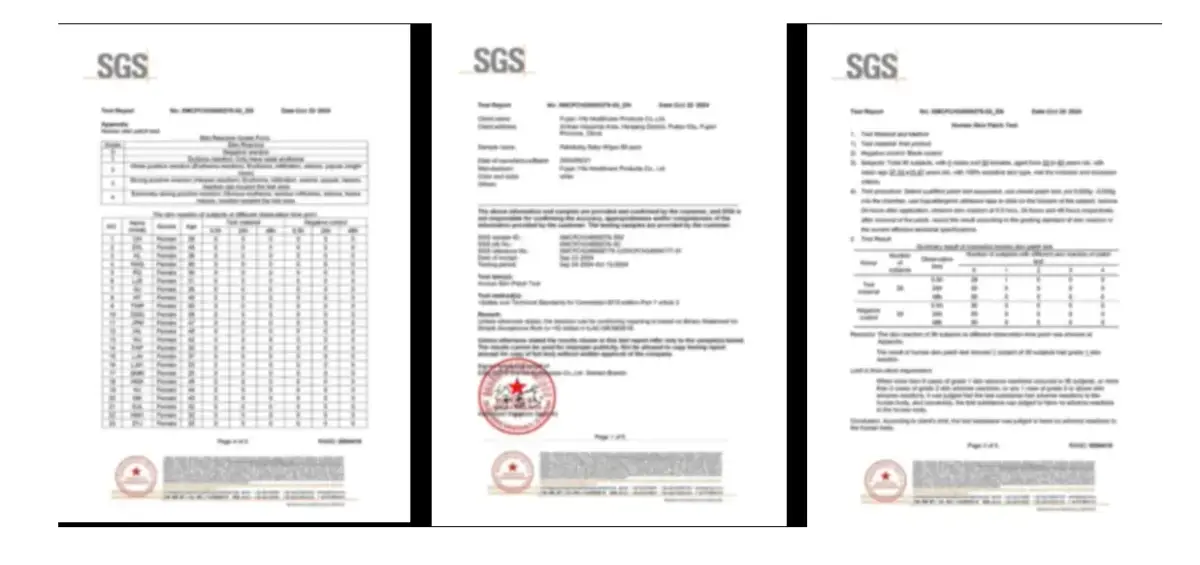
Which clause in the supply agreement decides whether the claim succeeds?
The one on inspection and notice, and the one on tolerances. Both are usually short, and both are usually read for the first time after a problem. A quality claim that cites a clause gets answered; one that cites a feeling gets negotiated.
Look for four things before the first order, not after. First, the notice period: how many days from arrival, and does it run from arrival at port or arrival at your warehouse. Second, the tolerance: what deviation in GSM, absorbency, pack count or dimension is accepted as within specification. Third, the remedy: credit note, replacement, price adjustment or return, and who pays freight. Fourth, the inspection standard referenced, whether that is a stated AQL or a named test method.
If the agreement is silent on tolerances, the conversation becomes an opinion. A non-conformance is only a non-conformance against a written specification, which is why the specification sheet belongs in the agreement as a signed schedule rather than in an email thread, and why a third-party inspection has nothing to test against when it is missing. That single attachment converts most future arguments into a measurement.
How do I prove the defect was not caused by storage or transit?
By showing that the batch failed on a sample that never left its original carton, and that the container arrived sound.
This is why the retained cartons matter more than anything else in the file. A carton that has never been opened, stored in the same warehouse as the rest, and opened in front of the inspector or on camera, removes storage from the argument. If the same defect appears in the retained carton, it is a production or packing issue. If it appears only in cartons that were opened and stored loose, the conversation shifts to handling.
For moisture-related complaints - tissue that has gone soft, wipes that have dried, diapers that feel stiff - record the warehouse temperature and humidity over the storage period and the condition of the stretch wrap on arrival. In this climate, condensation inside a container is a common and genuine cause, and a diaper supplier will raise it. Having the data either supports your position or tells you honestly that this one is yours.
What should I ask for: credit note, replacement or price adjustment?
Match the remedy to whether the goods are sellable, and settle on the next container rather than as a separate transaction.
- Credit note when the goods are unsellable and the quantity is clear. Fastest to agree, no freight involved, and it offsets against the next invoice.
- Replacement when the account needs stock and will not wait for the next cycle. Insist it ships inside the next scheduled container; a separate booking turns a small claim into a freight negotiation.
- Price adjustment when the goods are sellable but below specification - a lower GSM, a shorter pack count, a cosmetic print fault. A partial credit against the invoice is cleaner than returning goods that still move.
- Return and reimburse only when the defect is a safety issue, in which case the goods must leave your warehouse and not reach a shelf at any price.
A credit note raised against the next invoice settles in one cycle; a credit note promised for a later date is a note you will spend the next quarter chasing. Put the agreed remedy in writing with a date and a reference to the claim number. An agreement in principle that is never invoiced is not a recovery, and in practice it is forgotten by the third container.
When should I escalate to a third-party inspection?
Escalate to a third-party inspection when the disagreement is technical and both sides have measured the same sample and reached different conclusions.
A visual defect, a short pack count or a wrong size mix does not need an inspector; photographs and a retained carton settle it. Performance complaints do. If the claim concerns absorbency, rewet, seal strength or breathability, the supplier will have test data from production and you will have a customer complaint, and neither will move the other. A recognised third-party inspection or laboratory test on a jointly sealed sample converts the argument into a number both sides can price.
Before booking one, agree three things in writing: the laboratory or inspection body, the test method and the party who pays if the result supports the other side. Splitting the cost and letting the result decide the liability is the arrangement most suppliers accept without much argument.
How do I keep the claim from wrecking the next order?
Separate the commercial relationship from the specific batch, and put the fix into the next order's specification rather than into the correspondence.
A diaper supplier in this trade responds to a clear, documented, one-off claim far better than to a running complaint. Keep the claim to the batch, state the remedy you want, agree a date, and then move the conversation forward: confirm the corrected specification for the next order and add the check that failed to your own goods-in routine. A distributor who claims once, precisely, and then reorders with a tightened spec is treated as a professional buyer. A distributor who claims repeatedly without evidence gets priced defensively.
A non-conformance handled this way costs one container's margin and nothing else. If you want a specification sheet, a goods-in checklist built around your first container and a written escalation path to the diaper supplier if the second container repeats the defect, apply as a partner and we will send the documentation pack with the samples. Distributors in Vietnam and Laos often start with the check sheet before the first order, because inland clearance leaves less room to correct a mistake. The line-by-line specification for tape diapers, pull-up pants and wet wipes is set out per product if you need it for the agreement schedule.
Frequently asked questions
Can I claim for a defect found after the goods have been sold?
Rarely, and never in full. Once stock is in the market the batch cannot be inspected, so a claim becomes a goodwill conversation rather than a contractual one. Report at goods-in even if the defect rate is low.
What defect rate justifies a full-container claim?
There is no universal threshold; it comes from the AQL agreed in the specification. A rate above the agreed limit on a properly drawn sample is enough to claim against the lot, whether that lot is one pallet or the whole container.
Should I reject the container at the port instead of at my warehouse?
Only for visible external damage or a clear documentation failure. Rejecting at port hands control of the goods to the carrier and can leave you with demurrage and no product. Inspect at the port, note the condition, and claim at your warehouse.
Does a claim affect the price of the next order?
It can, if the claim is handled as an open-ended dispute. A closed claim with an agreed remedy and a corrected specification does not normally change the price of the next container.
Sources and further reading
- ISO 2859-1 - Sampling procedures for inspection by attributes (ISO): the acceptance quality limit framework that turns a defect impression into a claimable rate.
- International Chamber of Commerce - Incoterms 2020 (ICC, 2020): where risk passes, and therefore which party owns a defect found on arrival.
- EDANA - absorbent hygiene product test methods (EDANA, current): the reference methods behind absorbency, rewet and seal performance specifications.
Bottom line
A quality claim is won at goods-in, not in the correspondence. Photograph the seals before opening, quarantine the pallet, keep two unopened cartons, sample to a recognised plan and send written notice inside the notice period. Then settle on a credit note or a replacement inside the next container, and move the corrected specification into the next order so the same claim is not filed twice.
Frequently Asked Questions
How long do I have to notify a supplier of a defect?
Whatever the supply agreement says, and it is usually 7 to 14 days from arrival. Do not wait for the period to be confirmed: send notice within 48 hours, mark it as provisional, and add the analysis later.
Do I need third-party inspection to make a claim stick?
Not for a clear visual or dimensional defect, which photographs and retained samples can carry. Use a third-party inspection when the disagreement is about performance - absorbency, rewet, seal strength - where both sides can measure and still disagree.
What if the supplier says the damage happened in transit?
That is why the container seal photographs and the delivery note endorsements exist. If the seals were intact and the delivery note was clean, the transit argument fails and the conversation moves back to the batch.
Is a credit note better than a replacement shipment?
A credit note settles faster and costs no freight. A replacement is better when you need stock on shelf and the account will not wait, but insist the replacement ships on the next scheduled container rather than as a separate booking.
Distributor resources
If you are evaluating suppliers for your market, these are the pages that answer the commercial questions — in the order buyers usually need them.
