
2026-10-09 · Moni Happy Editorial Team
How Long Does a Baby Diaper Order Take From Factory to Southeast Asia?
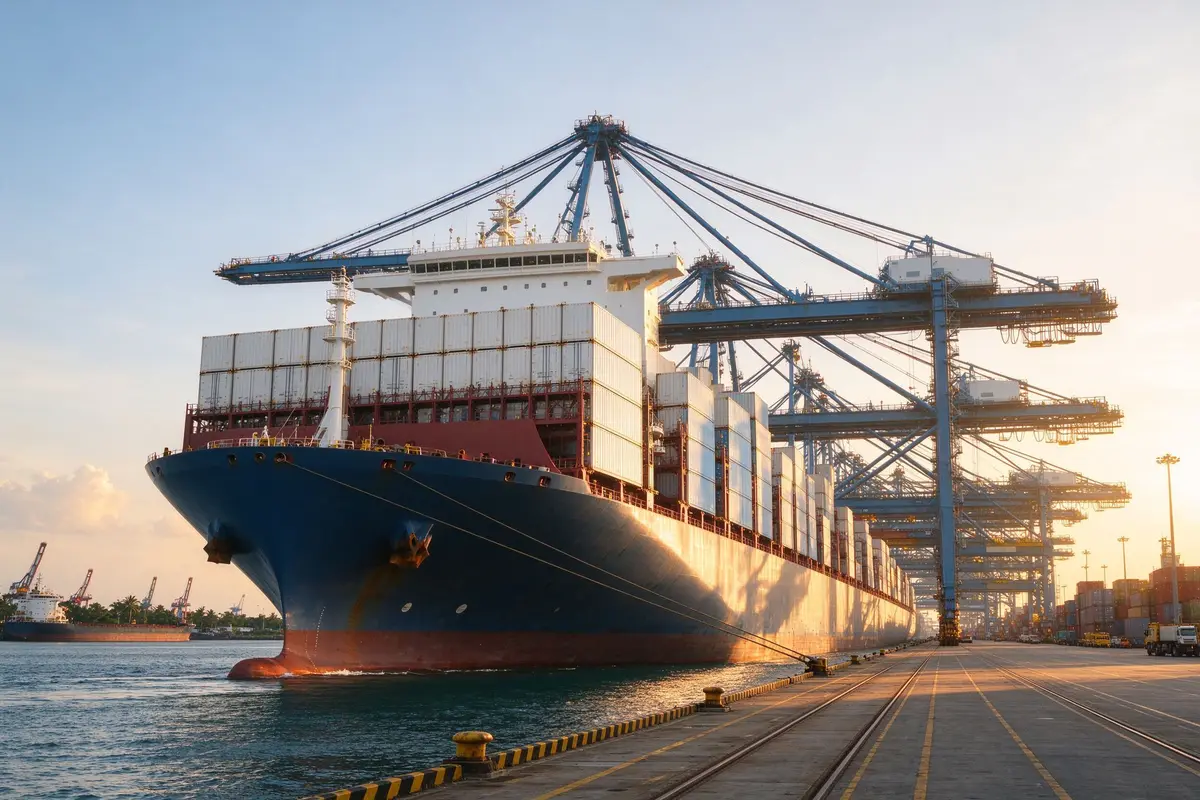
A confirmed baby diaper order usually takes 30-45 days to manufacture plus about 7-14 days of ocean freight, with booking, customs and inland delivery adding roughly two more weeks. In practice, budget a total diaper lead time of about 6-9 weeks door-to-door for Southeast Asia; the sea leg varies by port and carrier and must be confirmed against the actual sailing schedule.
- Production lead time: about 30-45 days after deposit and artwork approval.
- Vessel booking and loading: about 5-10 days; port-to-port sea transit: roughly 7-14 days (indicative).
- Destination customs clearance: about 3-7 days; inland delivery: 1-5 days.
- Typical total diaper lead time: roughly 6-9 weeks door-to-door.
- Reorder before stock runs low; request current schedules via moni-happy.com/partner.
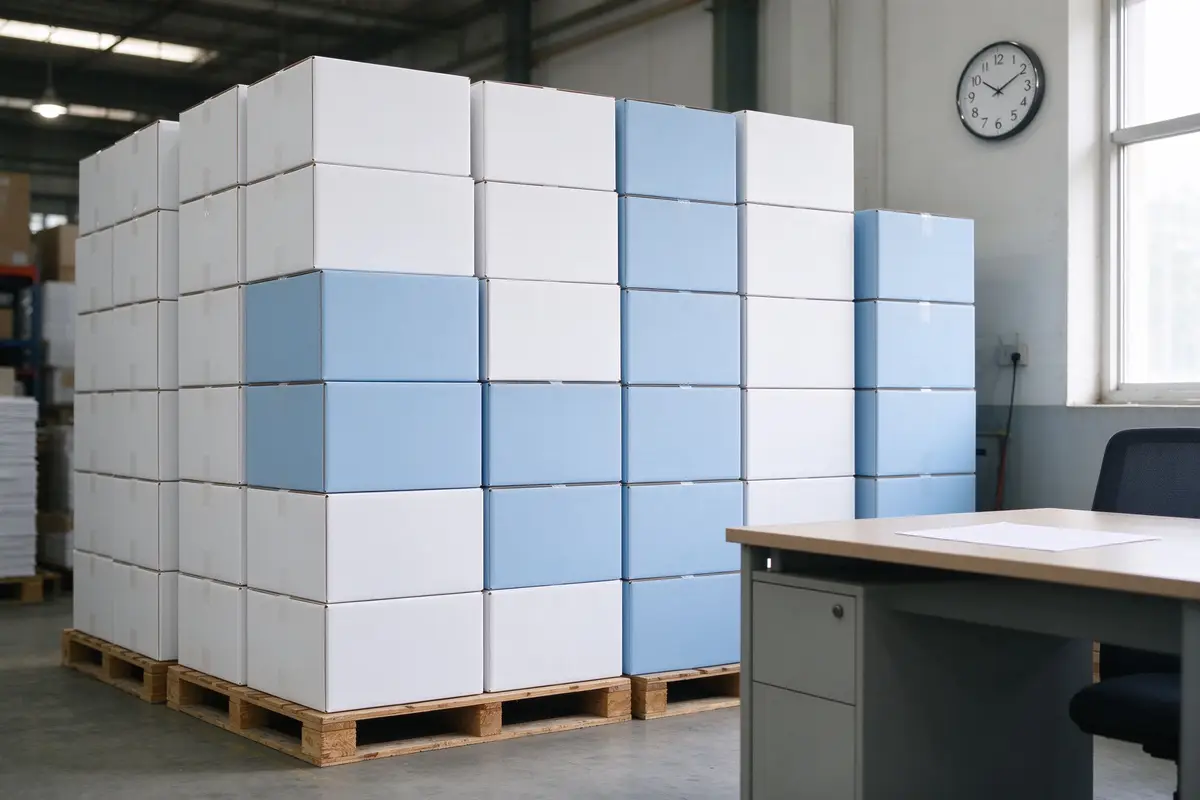
This is the timing companion to our wholesale price, MOQ and margin guide and the landed-cost breakdown. Knowing the diaper lead time is what keeps shelves full and prevents the most common new-distributor mistake: placing container two only after container one has already sold out.
How long is the diaper lead time from order to delivery?
Plan on roughly 42-63 days (6-9 weeks) from a confirmed purchase order and deposit to stock landing in your warehouse. The single largest block is production, not shipping.
- Deposit and confirmation (1-3 days): proforma invoice signed, T/T deposit paid, size mix and packaging confirmed.
- Production (30-45 days): raw materials, converting, packing and quality release.
- Booking and export loading (5-10 days): container stuffing, export customs and vessel cutoff.
- Ocean transit (about 7-14 days, indicative): East Asia to major Southeast Asian ports.
- Import clearance (3-7 days): duty and VAT paid, documents assessed, cargo released.
- Inland hauling (1-5 days): port to your warehouse, depending on distance.
What happens during the 30-45 day production window?
The factory first confirms the order and any packaging, then schedules raw materials (fluff pulp, superabsorbent polymer, nonwoven fabric and elastic), runs the converting line, packs to your carton specification and performs final quality checks. Premium pull-up pants and multi-size orders take slightly longer because each size needs its own line setup.
Your first order also needs artwork and label confirmation, which can add several days; reorders with unchanged specs move faster. Agree the exact production window in writing, and use the first-order size mix to lock sizes early so approvals do not stall the diaper lead time.
How long does sea freight to Southeast Asia take?
Sailings from major East Asian ports to Southeast Asian hubs commonly run about 7-14 days port-to-port as an indicative planning range; the exact number depends on the carrier, the specific port pair, transshipment and the weekly sailing schedule, so treat any quoted day count as indicative until your forwarder confirms the booking.
Add 5-10 days before sailing for booking and export handling, and budget about US$800-2,500 per 20GP for freight as shown in the landed-cost breakdown. The World Bank's Logistics Performance Index benchmarks each country on customs, infrastructure and on-time delivery, which is useful for comparing how reliably different destination ports clear cargo.
Which documents and customs steps add time?
Clearance normally takes 3-7 days when documents are clean, but missing paperwork can add weeks. Have the commercial invoice, packing list, bill of lading, certificate of origin (for preferential duty) and any product certificates ready before the vessel arrives. Diapers are classified under HS 9619; verify your applied rate on the official ASEAN Tariff Finder and confirm whether your sale is FOB or CIF under ICC Incoterms 2020, because Incoterms define who books the vessel and where cost and risk transfer.
How can a new distributor shorten the diaper lead time?
- Pay the deposit and approve artwork quickly; production cannot start before both.
- Place reorders 6-9 weeks ahead, ideally before the current container is 60% sold.
- Keep clearance documents on file and use one licensed customs broker every shipment.
- Start with a 20GP of fast-moving core sizes; a 40HQ takes the same production time but commits more cash.
- Air-freight only a small urgent top-up if a size stocks out, since air costs many times sea freight.
Ready to plan a schedule? Request the current production window, MOQ and indicative freight for your port through the moni-happy.com/partner, and review the startup capital guide before placing your first deposit. Payment milestones are explained in T/T 30/70 vs letter of credit.
Frequently asked questions
Sources and further reading
- World Bank — Logistics Performance Index (customs, infrastructure and timeliness benchmarks)
- ICC — Incoterms 2020 rules (who books freight and where risk transfers)
- ASEAN Tariff Finder — applied and preferential tariffs for HS 9619
Commercial figures are indicative planning ranges and subject to a formal quotation; statutory rates must be confirmed with a licensed customs broker.
Bottom line: Build every territory plan around a 30-45 day production window plus roughly 7-14 days at sea and about two weeks for booking, clearance and inland haulage, about 6-9 weeks of diaper lead time in total. Treat the sea-transit days as indicative until your forwarder confirms the sailing, and always reorder before current stock sells through.
Frequently Asked Questions
How long is the diaper lead time from factory to Southeast Asia?
Allow 30-45 days production plus about 7-14 days at sea and roughly 1-2 weeks for booking, clearance and inland haulage, about 6-9 weeks total.
How many days does sea freight for diapers take?
Port-to-port sailings from East Asia to major Southeast Asian ports are commonly about 7-14 days, but confirm the exact schedule with your carrier.
Can I speed up a late diaper order?
Yes: partial air freight for urgent sizes, earlier deposit, ready documents and a pre-booked sailing can shorten delays, though air freight costs far more.
Does FOB or CIF change delivery time?
Incoterms change who books and pays for freight and where risk transfers, not the physical sailing time; agree FOB or CIF in writing before ordering.