
2026-11-15 · Moni Happy
How much of a diaper wholesale price should cover returns handling?
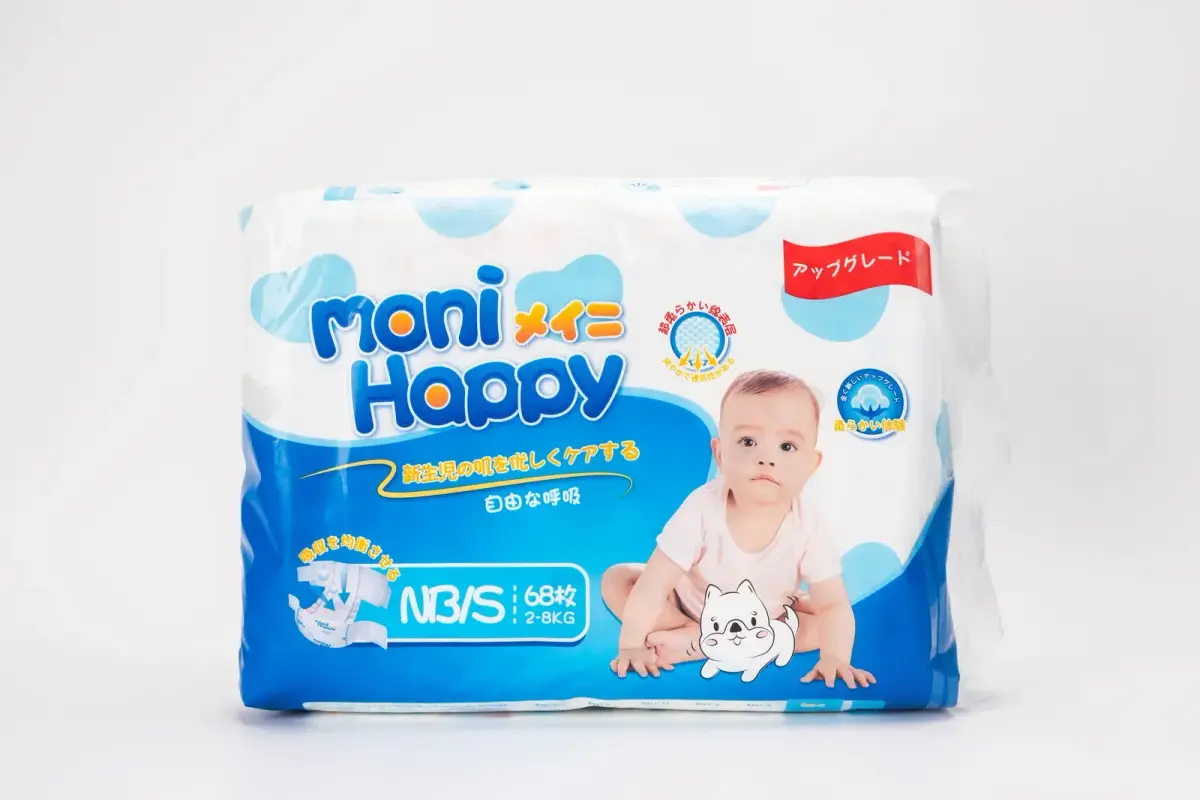
Carry 1.5% to 3% of sell-in value as returns handling, and put it in the quote as its own line. On a 20GP of 48,000 tape diapers at $0.20 landed per piece, a 2% return rate brings back about 80 packs of 12. Reverse freight, inspection time, the write-down on unsellable packs and disposal together cost roughly $140 before one pack is sold again. That is 1.5% of the container value. Spread over 4,000 packs it looks like $0.04 a pack, which is why most diaper wholesale quotes bury it and then wonder why the quarter ends short. Reverse logistics is where that money hides: the carton travels twice and only one leg appears on the freight invoice.
What does returns handling add to the cost of a delivered carton?
Between 1.5% and 3% of sell-in, and the low end only holds when the buyer collects the pallet himself. Four costs stack up, and three of them are invisible until you run the numbers on a real claim.
- Reverse freight. A 12-pack carton travelling back from a store to your warehouse costs money twice: once out, once back, and the return leg is a part-load, so it is priced worse. This is the biggest line in reverse logistics for most distributors, and the one they quote most loosely.
- Inspection labour. Six to ten minutes per carton to open, count, check batch codes and photograph. Nobody logs this, so nobody prices it.
- Write-down. An opened pack loses most of its value. A sealed pack that is six months into a 36-month shelf life loses 20% to 40% depending on the channel you resell into.
- Disposal. Damaged stock still has to leave the building, and in most markets that is a paid service.
Which costs sit inside the band, and which sit outside?
Inside: anything that happens after a buyer raises a claim and before the stock is either resold or destroyed. Outside: manufacturing defects the plant accepts, which belong in a supplier claim, and promotional sell-through support, which belongs in trade spend.
Mixing the two is the most common accounting error in diaper wholesale. Reverse logistics for a promotion shortfall is a trade-spend question wearing a returns label. A buyer who nets a 6% "returns" deduction off an invoice is usually taking 2% genuine returns and 4% unsold promotion stock. The second number is a different conversation, and it has a different cap.
How do you turn the band into a number per pack?
Three steps, and they only work in this order.
- Count pieces returned per 1,000 pieces sold over a rolling 12 months. If the answer is 20, your return rate is 2%.
- Cost one returned pack end to end. Freight back, labour, write-down, disposal. On a 12-pack of tape diapers a realistic figure is $0.50 to $0.60.
- Divide the annual returns cost by annual pieces sold, then multiply by pack count.
A distributor moving 480,000 pieces a year with a 2% return rate handles 9,600 pieces back, which is 800 packs of 12. At $0.55 a pack that is $440 a year. Spread over 480,000 pieces it is $0.0009 per piece, or about a cent on a 12-pack. Compare that with the $0.04 figure in the container example and you can see the trap: a single container's return event is not the annual run rate. Quote against the annual figure, budget against the event.
Why does the return rate differ between modern trade and independent stores?
A modern trade account returns through a distribution centre, on a credit note, against a planogram reset. The stock is often undamaged and near expiry, not faulty. An independent store returns almost nothing, because the owner discounts the last two rows and moves on. She has no DC to send it to.
That asymmetry decides where your handling money goes. If 70% of your volume is independent trade, your returns line can sit at 1.5% and hold. If 70% is modern trade, 3% is closer to the truth, and a quarterly reset will test it. A buyer who quotes one rate for both channels is subsidising the chain out of the mom-and-pop store.
What evidence does a supplier need before it accepts a return?
Four items, collected within 48 hours of delivery, and no exceptions.
Photographs of the carton label, the batch code on the pack, the damage itself and the full pallet as delivered. Batch code matters most: it tells you whether the fault is spread across a production run or confined to one carton that sat under a leaking roof. Sampling discipline comes from ISO 2859-1, and a buyer who can quote an AQL level in a claim conversation gets a faster answer than one who sends a photo of a torn bag.
Where should the returns clause sit in the price sheet?
Two structures work, and only one of them survives a bad quarter.
Option one: a net price with a returns allowance already inside it. Simple, and impossible to audit. Option two: a slightly higher gross price plus a capped credit note. The cap is the point. Set it at 2% of the previous quarter's sell-in value, state that unused allowance does not roll over, and require the claim inside 14 days of the return being received.
Option two keeps the diaper wholesale price defensible in a negotiation, because the buyer can see what the credit note is worth and knows the ceiling. It also keeps the account auditable at year end, when a finance team asks what the allowance actually paid for. Our wholesale price, MOQ and margin guide walks through the rest of the price sheet in the same order.
How do you keep returns handling from becoming a permanent leak?
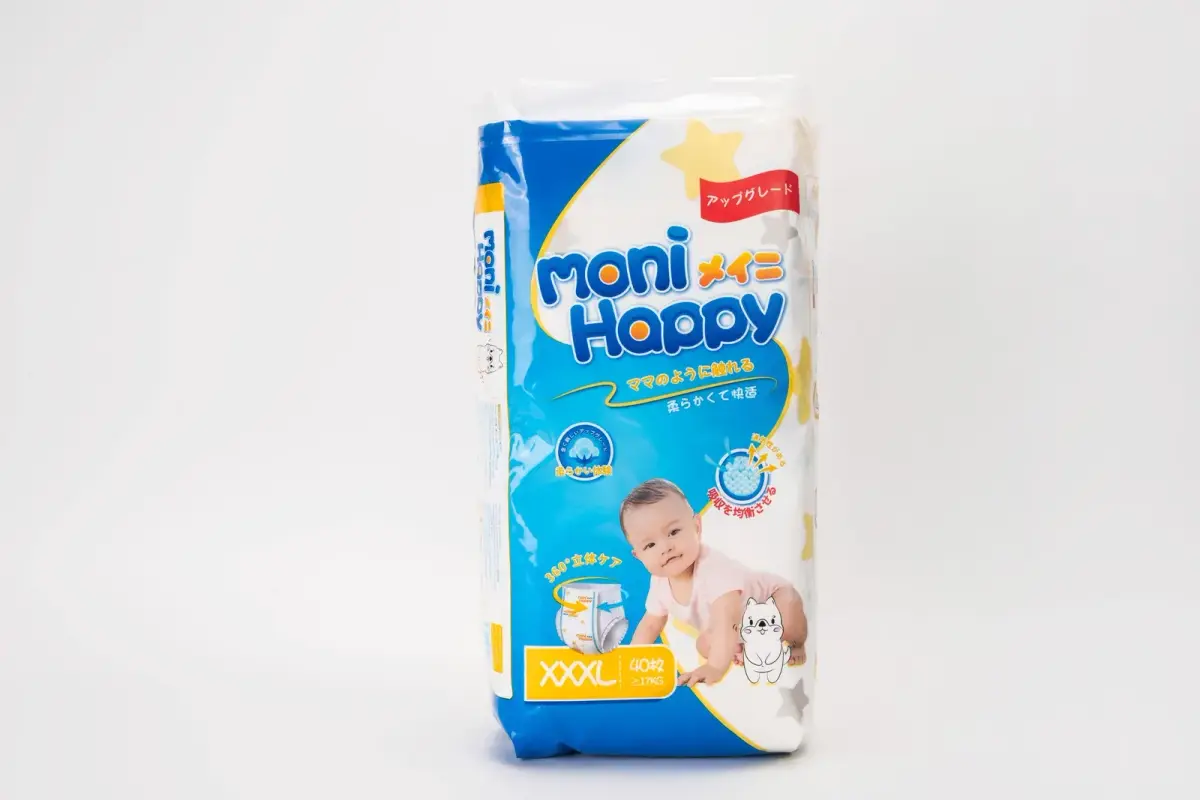
Re-grade, do not destroy. Returned stock splits into three piles: sealed and in date, sealed but near expiry, and opened or damaged. The first pile goes back into normal allocation at full price. The second goes to a discount channel or a bundle, priced to move inside 30 days. The third is a write-off.
A distributor who runs this triage weekly turns a $140 handling bill into a $60 one, because most of the cost was write-down, not freight. The trigger for action is a return rate above 3% for two consecutive months. Above that, reverse logistics stops being a cost line and becomes a signal that one channel is over-ordering. At that point the problem is not handling, it is either a batch fault or a channel that is over-ordering, and both need a different fix.
If you are setting up the first diaper wholesale account and want the whole flow, the onboarding guide covers claims, credit terms and the paperwork that goes with them. To price a first container against your own return assumptions, request pricing and free samples and we will work the band with you.
Does a smaller pack size change the handling cost per piece?
Yes, and in the direction most buyers do not expect. Handling is driven by packs, not pieces. A 4,000-pack container of 12s produces 80 returned packs at a 2% rate; the same 48,000 pieces in packs of 24 produces 40 returned packs. Half the inspection time, half the freight events, half the paperwork. Pieces per pack is a lever on returns cost, and it is worth 0.5 to 0.8 of a percentage point of the handling band.
Frequently asked questions
Is a 2% returns allowance enough for a first container?
For a first order into independent retail, 2% is generous, because those accounts rarely return stock. For a first order into a chain with a distribution centre, budget 3% and expect the first planogram reset to test it.
Who pays the reverse freight?
Whoever owns the fault. A batch defect is the supplier's cost; a buyer who over-ordered pays. Write the split into the clause, because the default in most markets is that the buyer pays and then argues.
Can returns handling be recovered from the retail price instead?
Only in channels where you control the shelf price. In modern trade the shelf price is set by the banner, so the cost has to sit in the invoice or it is never recovered.
What is a normal shelf life for a diaper that comes back?
Most packs leave the plant with 36 months. Anything with less than 12 months left is a discount item, not a return to normal allocation.
Sources and further reading
- International Organization for Standardization, ISO 2859-1:1999 Sampling procedures for inspection by attributes, iso.org.
- International Chamber of Commerce, Incoterms 2020, rules on risk transfer that decide who owns a return leg, iccwbo.org.
- ASEAN Secretariat, ASEAN Tariff Finder, duty rates for re-imported goods, tariff-finder.asean.org.
Bottom line: put 1.5% to 3% of sell-in in the quote as a visible returns line, cap the credit note at 2% of quarterly sell-in, and triage returned stock weekly. The number is small per pack and large per year, which is exactly why it gets lost.
Ready to build the first quote with the band included? Apply as a distributor and we will send the price sheet and sample request form together.
Frequently Asked Questions
How much of a diaper wholesale price should cover returns handling?
Plan on 1.5% to 3% of sell-in value. The low end fits independent retail, the high end fits chains that return through a distribution centre after a planogram reset.
Does a returns allowance belong in the unit price or in a separate clause?
In a separate clause with a cap. A capped credit note of 2% of quarterly sell-in stays auditable, while an allowance baked into the unit price disappears the moment a buyer compares quotes.
What is the cheapest way to handle a returned pack that is still sealed?
Re-grade it into normal allocation if more than 12 months of shelf life remain, or into a bundle if less. Destroying sealed stock is the most expensive option available.
Do smaller packs reduce returns cost?
Yes. Handling cost follows packs, not pieces, so moving the same volume from packs of 12 to packs of 24 halves the number of return events.
Distributor resources
If you are evaluating suppliers for your market, these are the pages that answer the commercial questions — in the order buyers usually need them.
